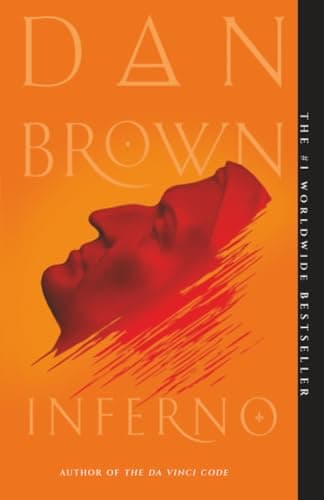
Should you read Inferno?
What works
Art, maps, plague imagery, altered memory, and city movement keep clues visually connected to the threat rather than merely decorative.
What may not work for you
Population arguments are oversimplified, Sienna is shaped around twists, and repeated pursuit sometimes outruns credible choice.
What may test your patience
The amnesia opening withholds basic context long enough to make confusion feel engineered rather than entirely immersive.
Does the ending reward the effort?
Yes. The final consequence is bolder and less reversible than Brown's usual saved-at-the-deadline structure, even if its science is speculative.
Reading Inferno closely
Inferno opens with Robert Langdon waking in a Florence hospital with memory loss and an unexplained object among his belongings. He follows clues through Renaissance art and Dante's Divine Comedy while trying to understand which pursuers are enemies and what recent events have been hidden from him.
The population crisis behind the puzzle gives this Langdon adventure a darker ethical problem than a conventional treasure hunt. Florence, Venice, and Istanbul provide strong movement, while shifting alliances keep even apparently clear objectives unstable.
Dante as map and warning
References to Inferno connect art-history puzzles with fear of an overcrowded future. Readers do not need to have read Dante, because Langdon explains the relevant images and passages.
Book and film differences
The movie changes major parts of the ending and its moral consequences. Readers familiar only with the adaptation should expect the novel to make a more unsettling final choice.
Three useful comparisons
Angels & Demons
Angels & Demons offers a cleaner countdown and more direct action through Rome.
Best for: Choose it for short chapters, a timed route through Roman churches, Vatican politics, Bernini clues, and plot turns that do not care much about plausibility.
Origin
Origin is more technology-centered, less bodily, and more interested in artificial intelligence.
Best for: Langdon fans wanting Spanish art and architecture, artificial intelligence, religion, and a smooth modern chase.
The Andromeda Strain
The Andromeda Strain treats biological threat with much greater procedural rigor and far less travel spectacle.
Best for: Hard-edged outbreak science fiction for anyone who values laboratory procedure and containment systems over sentiment.
Series buying note
Would the collection be the better buy?
These are useful only when you want several books in the same run. The notes below spell out what each package includes and, just as importantly, what it leaves out.
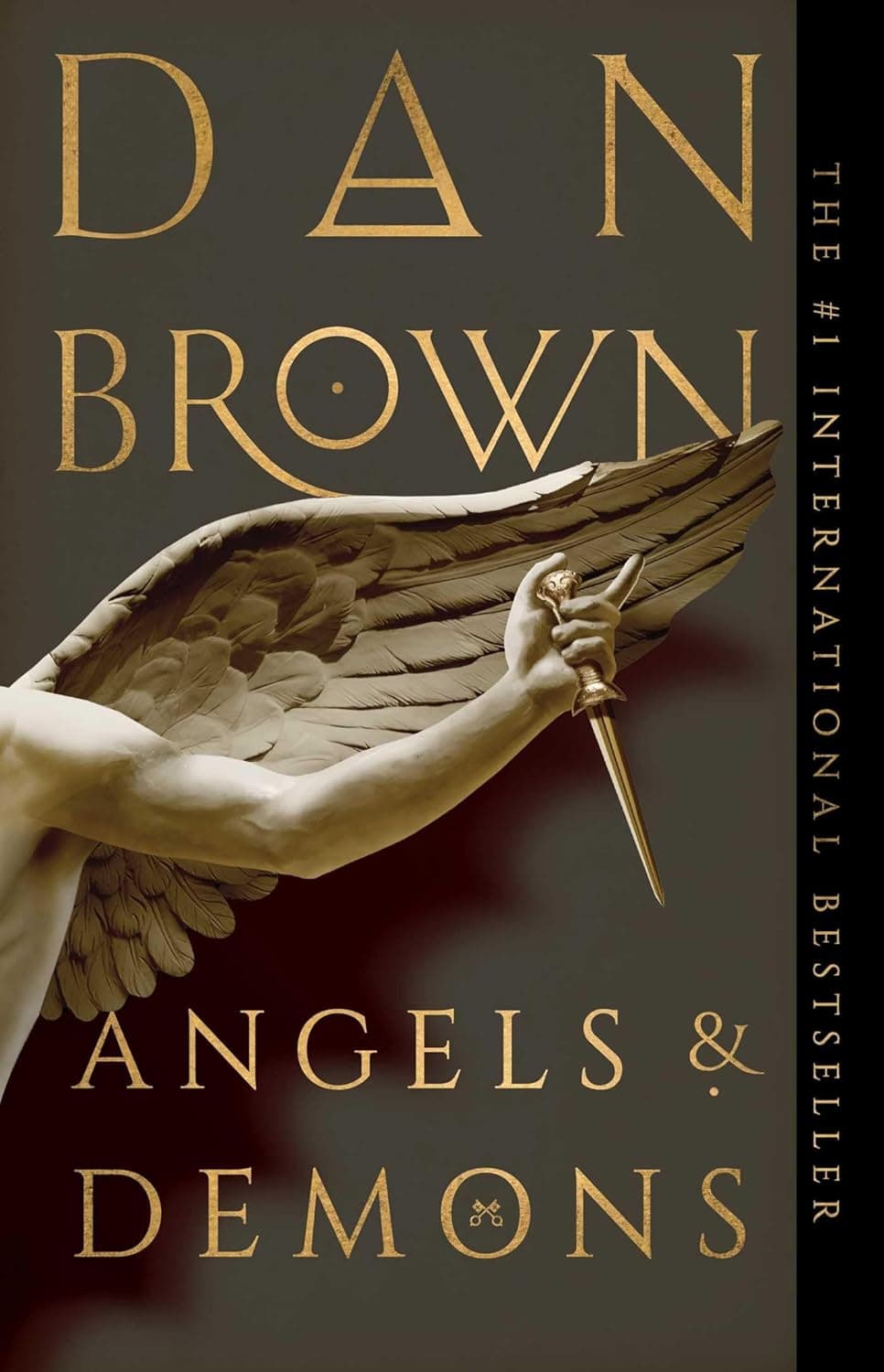
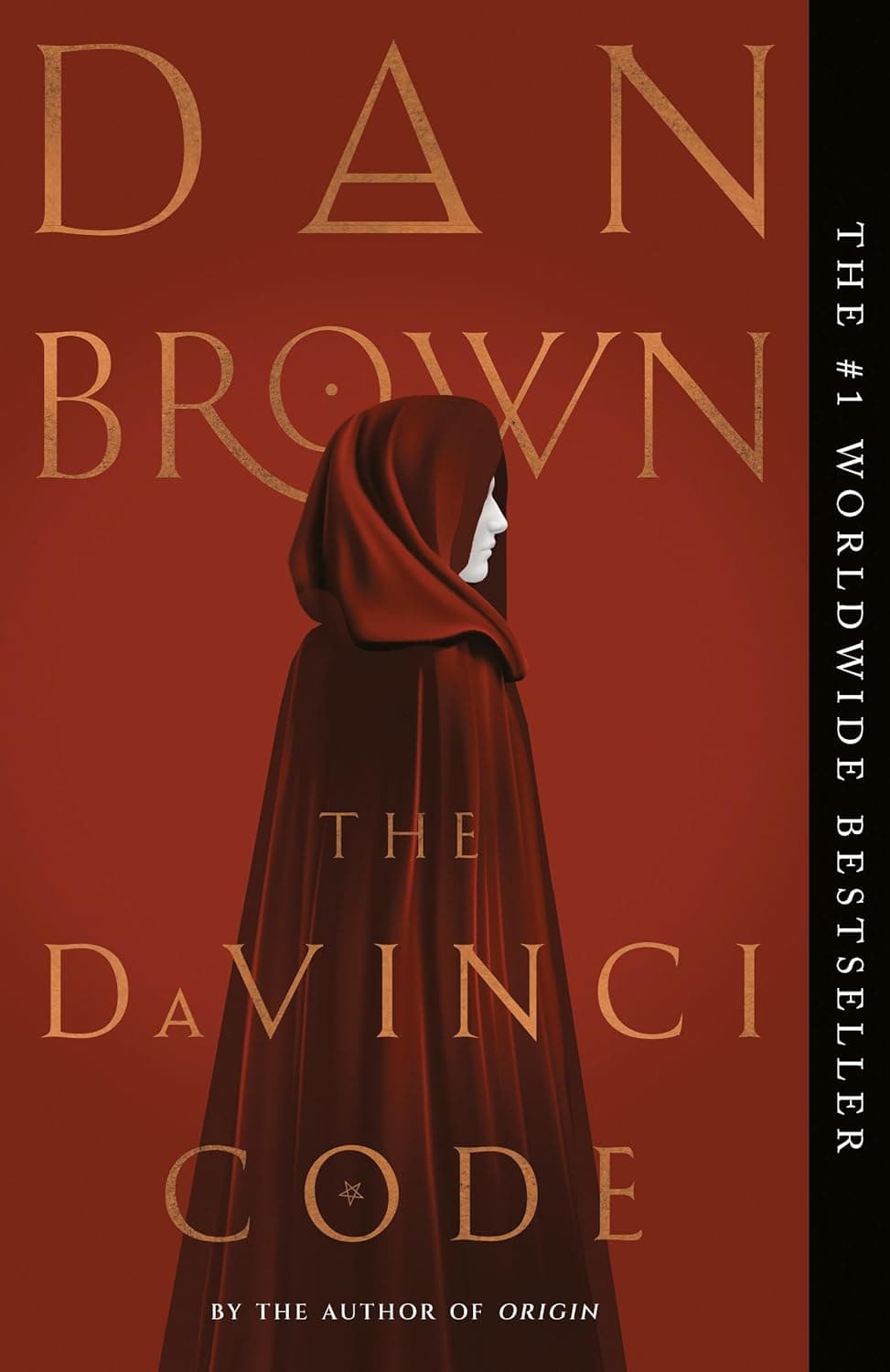
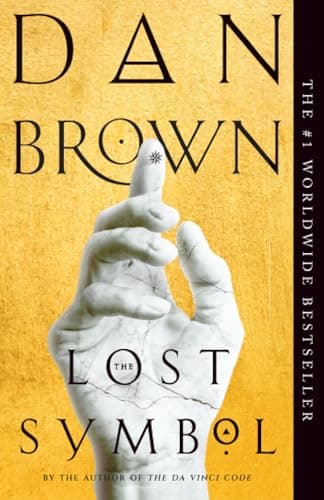
Seven-book paperback collection
Dan Brown 7-Book Collection
The package mixes five Robert Langdon adventures with Dan Brown's two standalone thrillers, Digital Fortress and Deception Point.
Included: Angels & Demons, The Da Vinci Code, The Lost Symbol, Inferno, Origin, Digital Fortress, Deception Point
Our buying note: Despite the marketplace title, this is not the complete current Langdon sequence. It omits The Secret of Secrets, so check the seven listed titles before ordering.