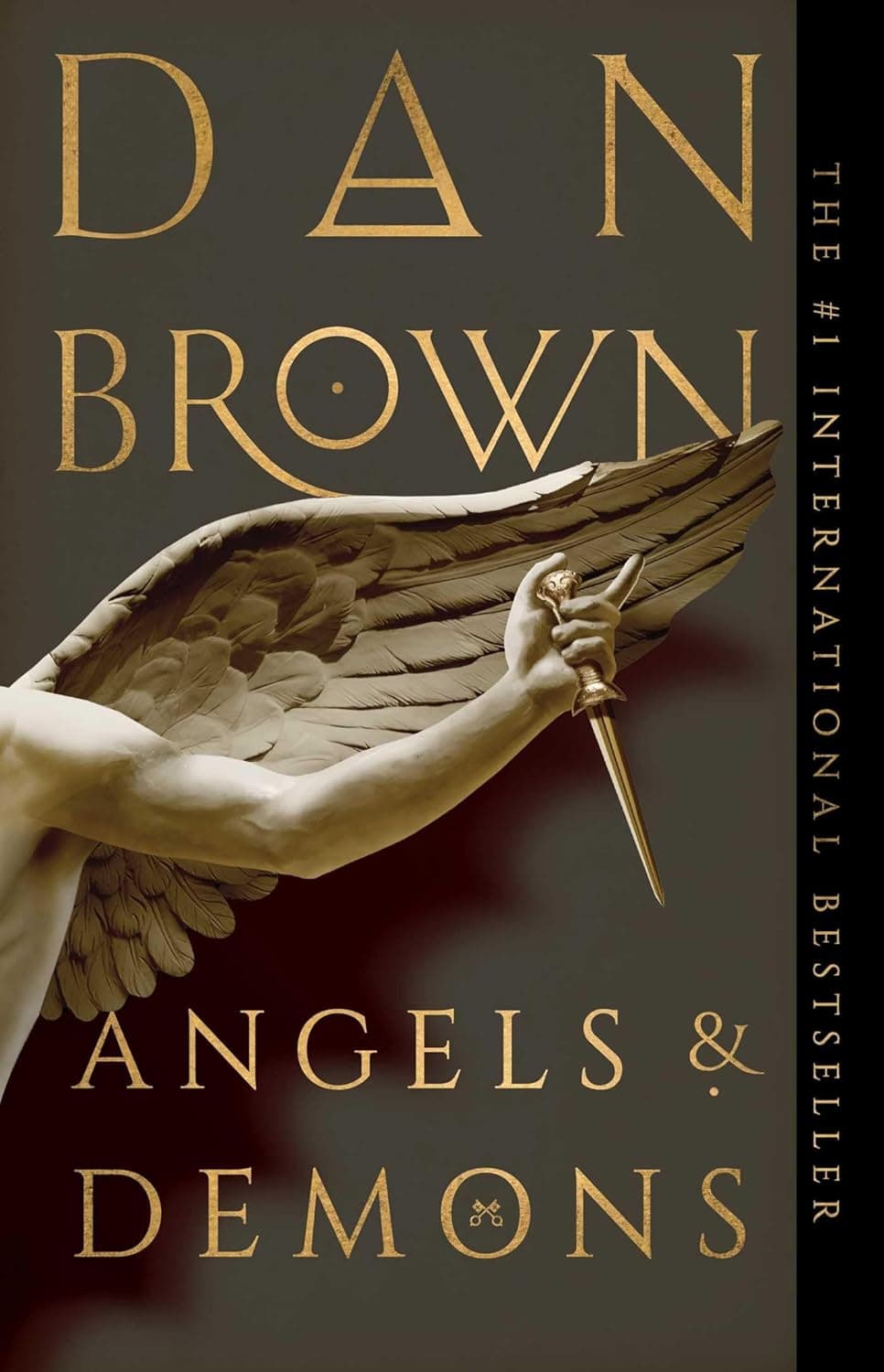
Should you read Angels & Demons?
What works
The conclave, antimatter deadline, churches, elemental path, and murders create a clear sequence of escalating locations and stakes.
What may not work for you
Science and religion become simplified camps, Vittoria loses agency as the plot accelerates, and the final reversals strain plausibility.
What may test your patience
The opening scientific and Illuminati explanations are heavy before the Rome pursuit turns information into immediate action.
Does the ending reward the effort?
The deadline and murders receive answers, followed by several twists. The final explanation is more ridiculous than the clues that led to it, even by the book's already generous standard of plausibility.
Reading Angels & Demons closely
Angels & Demons is the first Robert Langdon adventure in publication order, sending the Harvard symbologist racing through Rome and Vatican City to stop a deadly countdown. An experiment at CERN, an antimatter canister, and a murdered physicist pull him into a conspiracy that links science, faith, and a secret society with a grudge.
Brown keeps the book moving with short chapters and a route that is easy to follow. Each Bernini statue, Latin motto, or hidden passage points toward another church and another victim. Langdon and scientist Vittoria Vetra rarely have time to question a solution before the next location demands one. Browse our thriller reviews for more clue-driven stories.
The science-and-religion debate is much broader than the chase. The Illuminati and Vatican are asked to stand for entire sides, and people often explain their position just before the plot needs it. Vittoria begins as the scientist closest to the antimatter project but loses room to act as Langdon's route takes over.
The final act keeps compressing time and adding twists until the explanation becomes sillier than the mystery. That excess is part of the appeal if you want a thriller that treats every solved symbol as permission to raise the volume again.
What keeps the chase moving
Short chapters switch between Langdon's route and the sealed conclave, so the two deadlines keep interrupting each other.
Piazzas, churches, and Vatican archives are not background; each location contains the clue to the next stop.
Vittoria's knowledge of the stolen antimatter gives the chase an expert Langdon cannot replace, even though the final act gives her less to do.
Three useful comparisons
The Da Vinci Code
The Da Vinci Code is less action-heavy and more polished in its clue chain, making it the better-known entry.
Best for: Best for a fast art-history conspiracy if you can treat its factual claims as entertainment that needs verification.
Inferno
Inferno adds stronger atmosphere and a more ethically troubling global threat.
Best for: The dark Langdon option, moving through Florence and Venice with Dante, biotechnology, and moral controversy.
Deception Point
Deception Point replaces art and church history with polar science, government, and military conspiracy.
Best for: Choose it for a standalone Brown thriller with Arctic survival, NASA, election politics, and a large government secret.
Series buying note
Would the collection be the better buy?
These are useful only when you want several books in the same run. The notes below spell out what each package includes and, just as importantly, what it leaves out.
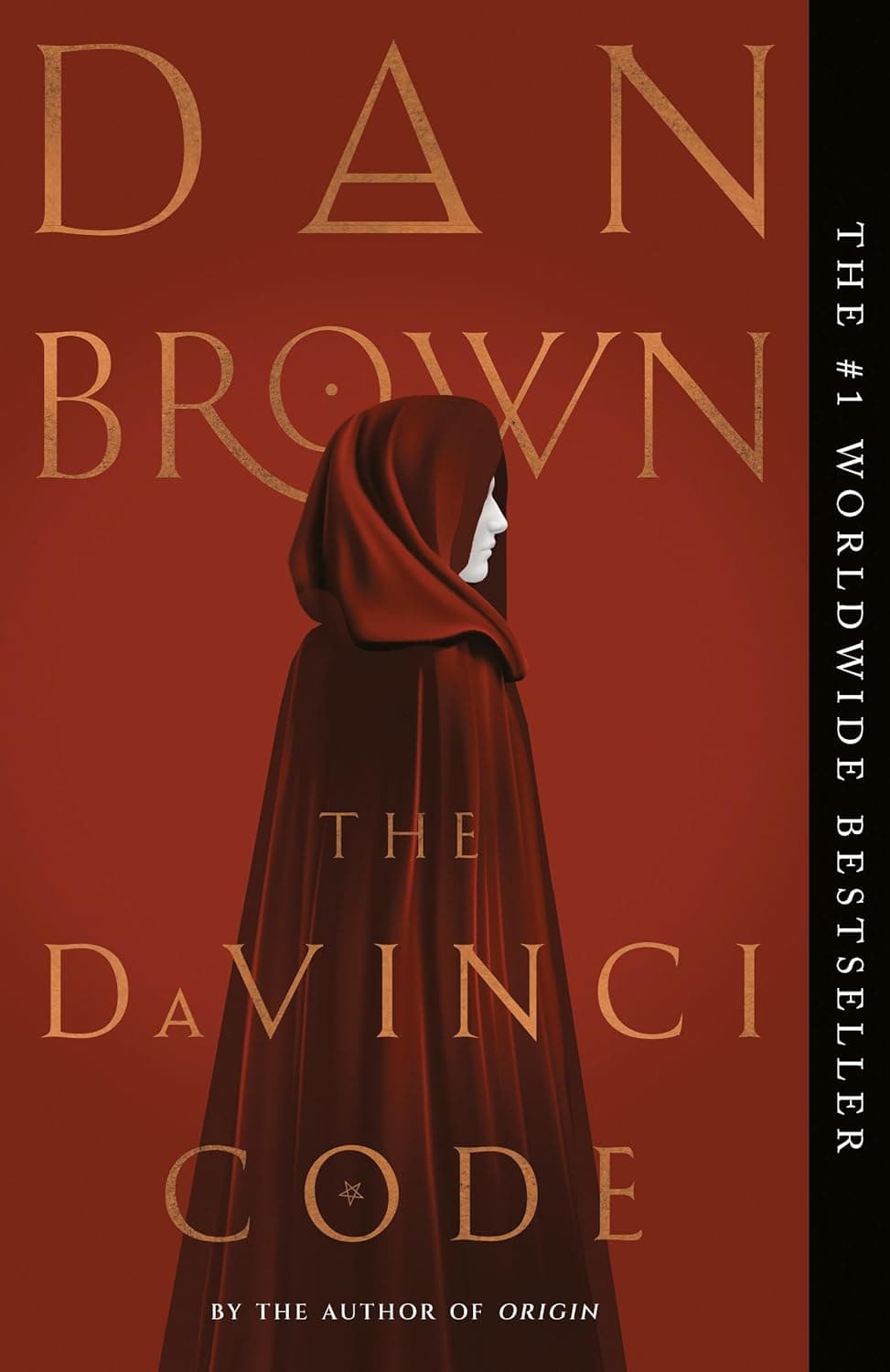

Seven-book paperback collection
Dan Brown 7-Book Collection
The package mixes five Robert Langdon adventures with Dan Brown's two standalone thrillers, Digital Fortress and Deception Point.
Included: Angels & Demons, The Da Vinci Code, The Lost Symbol, Inferno, Origin, Digital Fortress, Deception Point
Our buying note: Despite the marketplace title, this is not the complete current Langdon sequence. It omits The Secret of Secrets, so check the seven listed titles before ordering.