What to read next
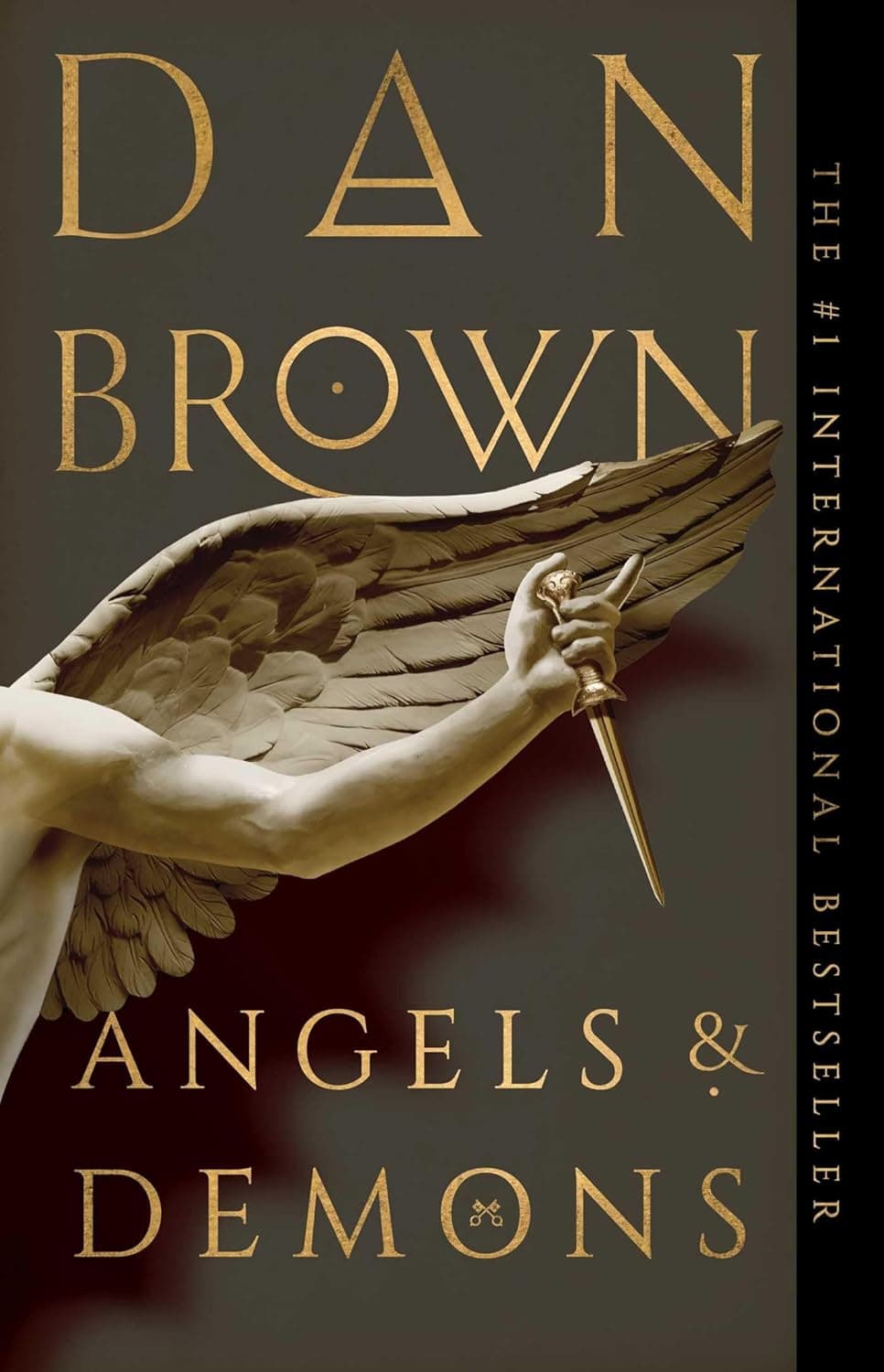
10 books like Angels & Demons
The conclave, antimatter deadline, churches, elemental path, and murders create a clear sequence of escalating locations and stakes. If that is what you want more of after Angels & Demons, these recommendations preserve that appeal in different ways, without pretending every similar book offers the same experience.
Start with our Angels & Demons review by Dan Brown.

Choose by reading mood
Where to start
For the fastest read
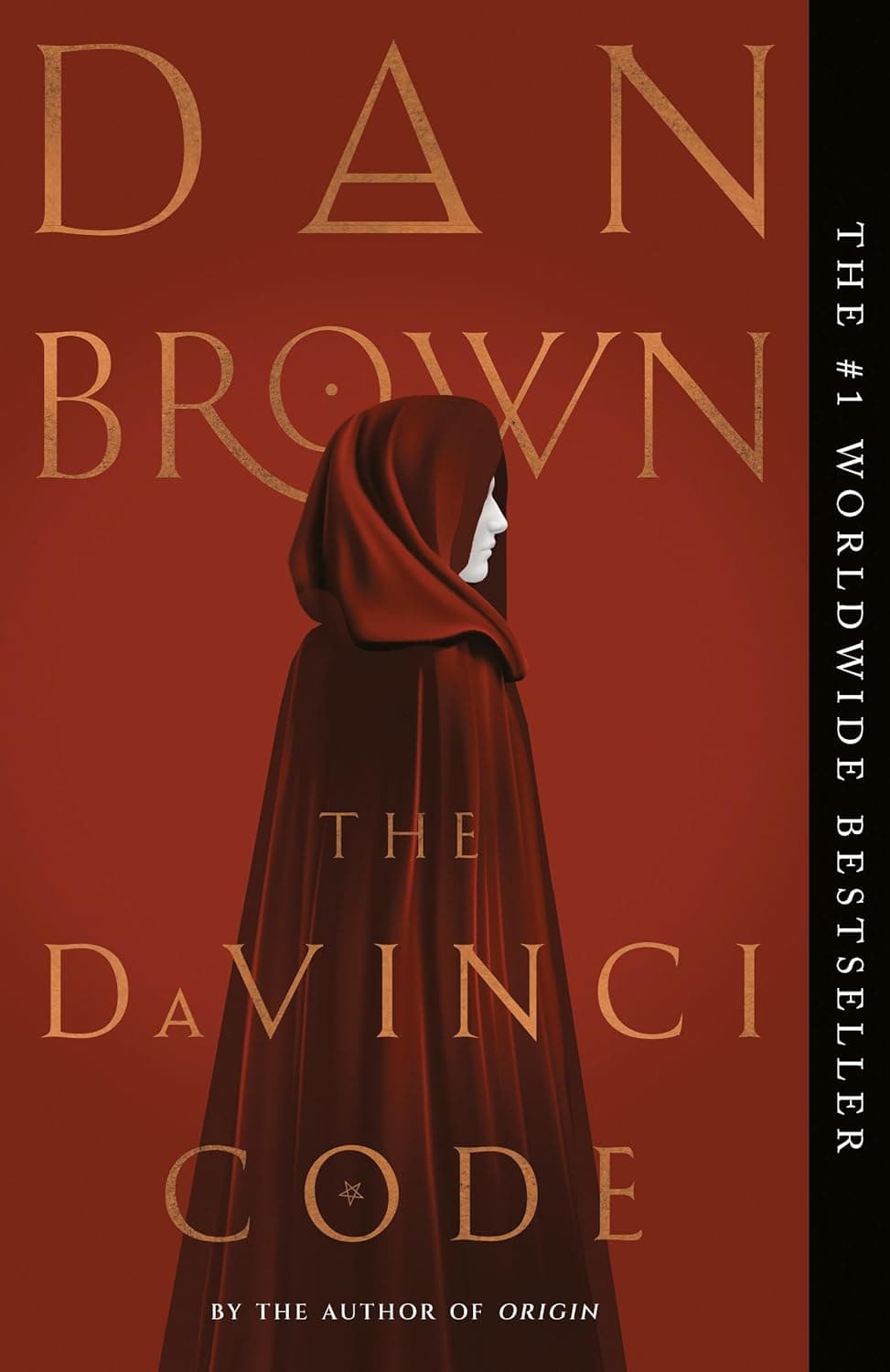
The Da Vinci Code
FastFor the gentlest option
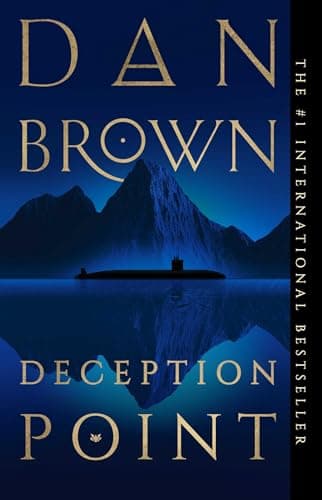
Deception Point
ModerateFor minimal romance
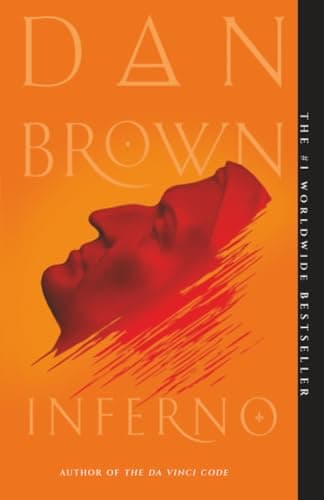
Inferno
MinimalFor the easiest entry
Airframe
AccessibleThe full shortlist
Why each book belongs here
Each match is judged against Angels & Demons, not merely placed beside it because the books share a broad genre label.
The Da Vinci Code
- Shared ground
- Both books take belief seriously as both a source of meaning and a structure of power.
- What changes
- The Da Vinci Code is less action-heavy and more polished in its clue chain, making it the better-known entry.
- Best for
- Readers wanting a fast art-history conspiracy and willing to treat its factual claims as entertainment requiring verification.
- Pace Fast
- Darkness Moderate
- Romance Minimal
- Difficulty Accessible
Inferno
- Shared ground
- Both books treat art, music, or storytelling as an active way of understanding the world.
- What changes
- Inferno adds stronger atmosphere and a more ethically troubling global threat.
- Best for
- Readers wanting a dark Langdon thriller through Florence and Venice with Dante, biotechnology, and moral controversy.
- Pace Brisk
- Darkness Moderate
- Romance Minimal
- Difficulty Accessible
Deception Point
- Shared ground
- Both books treat power as a system of competing interests rather than a single villain.
- What changes
- Deception Point replaces art and church history with polar science, government, and military conspiracy.
- Best for
- Readers wanting a standalone Brown thriller with Arctic survival, NASA, election politics, and a large government secret.
- Pace Brisk
- Darkness Moderate
- Romance Minimal
- Difficulty Accessible
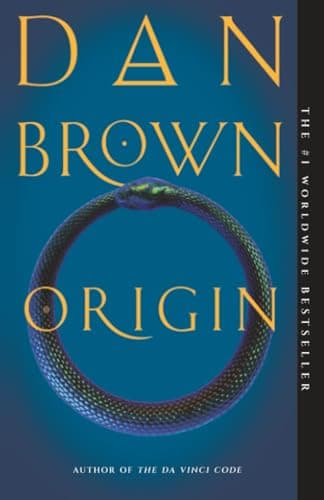
Origin
- Shared ground
- Both books turn technical knowledge into choices with personal consequences.
- What changes
- Origin has a similar overall reading load, but changes the emphasis. Bilbao, Barcelona, modern architecture, Winston's assistance, and a murdered presentation give Langdon's puzzle method a contemporary technological frame.
- Best for
- Langdon fans wanting Spanish art and architecture, artificial intelligence, religion, and a smooth modern chase.
- Pace Balanced
- Darkness Moderate
- Romance Minimal
- Difficulty Accessible
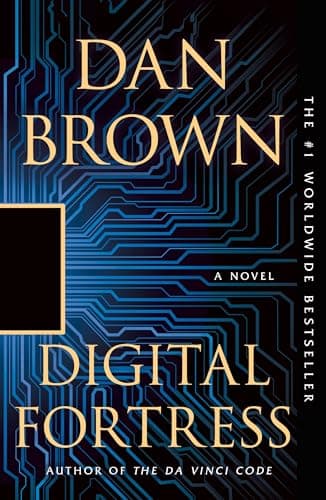
Digital Fortress
- Shared ground
- Both books turn technical knowledge into choices with personal consequences.
- What changes
- Digital Fortress has a similar overall reading load, but changes the emphasis. TRANSLTR, the unbreakable code, internal suspicion, and a second chase in Spain create two simple lines that converge under deadline.
- Best for
- Brown completists and readers of retro cyberthrillers comfortable with obsolete and inaccurate technology.
- Pace Brisk
- Darkness Moderate
- Romance Minimal
- Difficulty Accessible
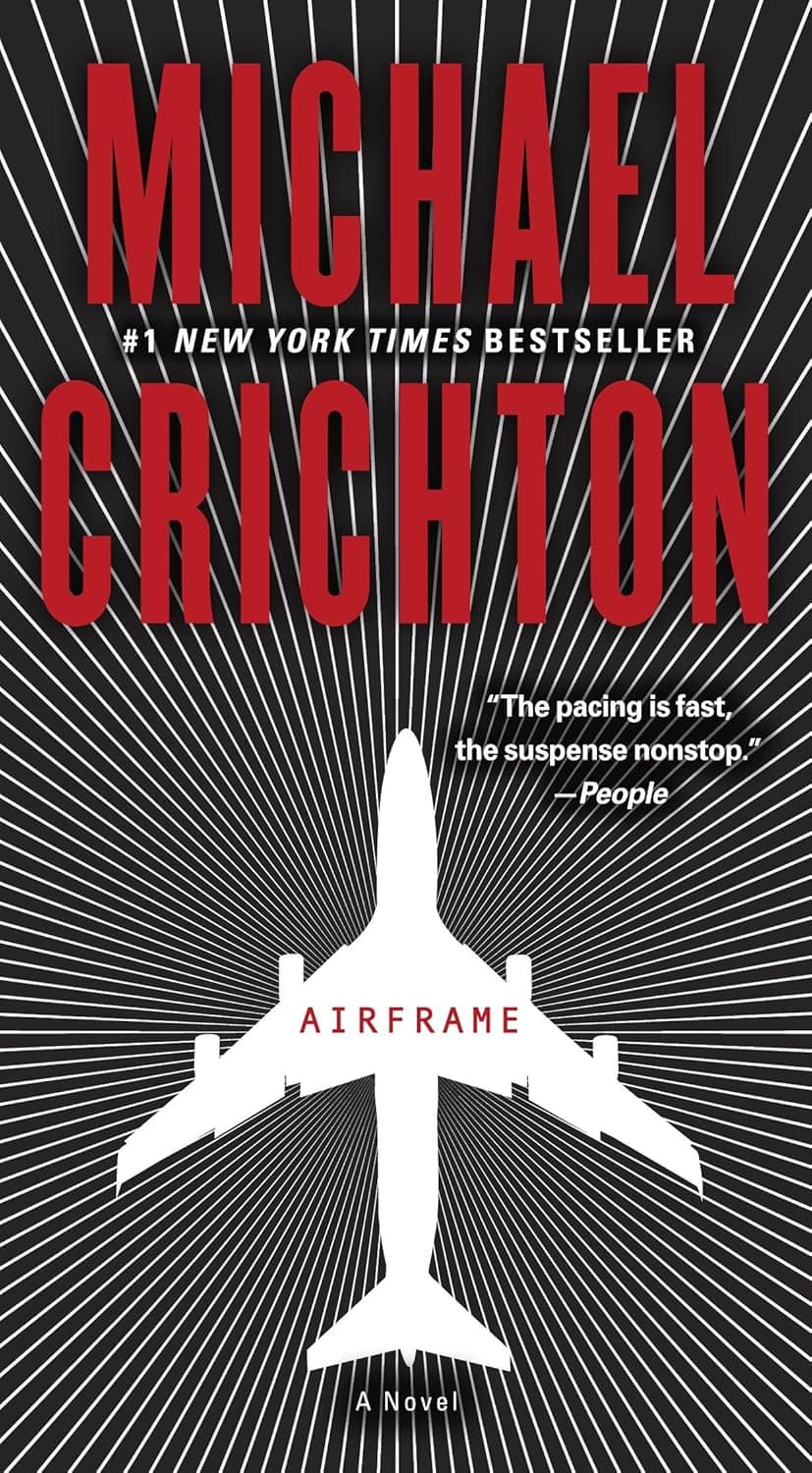
Airframe
- Shared ground
- Both books treat power as a system of competing interests rather than a single villain.
- What changes
- Airframe has a similar overall reading load, but changes the emphasis. Casey Singleton's investigation moves through flight data, manufacturing politics, simulation, interviews, and physical reconstruction, with each source testing the others.
- Best for
- Readers wanting aviation, accident investigation, corporate pressure, and a competent professional protagonist.
- Pace Brisk
- Darkness Moderate
- Romance Minimal
- Difficulty Accessible
The Sentence
- Shared ground
- Both books treat power as a system of competing interests rather than a single villain.
- What changes
- The Sentence has a similar overall reading load, but changes the emphasis. Bhatia makes institutional procedure part of the moral danger, showing how officials can administer an extraordinary sentence through ordinary professional language.
- Best for
- Readers of political and legal science fiction interested in punishment, rights, bureaucracy, constitutional ethics, and ideas delivered in a short, serious form.
- Pace Brisk
- Darkness Moderate
- Romance Minimal
- Difficulty Moderate
Next
- Shared ground
- Both books turn technical knowledge into choices with personal consequences.
- What changes
- Next has a similar overall reading load, but changes the emphasis. Gene ownership, tissue rights, patents, transgenic animals, research incentives, and family identity intersect through cases that expose real ethical absurdities.
- Best for
- Readers interested in biotechnology, patents, genetic privacy, satire, and idea density more than unified character drama.
- Pace Brisk
- Darkness Moderate
- Romance Minimal
- Difficulty Accessible
Disclosure
- Shared ground
- Both books treat power as a system of competing interests rather than a single villain.
- What changes
- Disclosure has a similar overall reading load, but changes the emphasis. Promotion, documentation, legal strategy, product failure, and office alliances show how an allegation becomes inseparable from control of a company narrative.
- Best for
- Readers of 1990s corporate thrillers willing to engage critically with dated and contentious gender framing.
- Pace Brisk
- Darkness Moderate
- Romance Minimal
- Difficulty Accessible
Project Hail Mary
- Shared ground
- Both books turn technical knowledge into choices with personal consequences.
- What changes
- Project Hail Mary is more demanding than Angels & Demons. Ryland and Rocky must build trust through measurement, language, shared experiments, and incompatible biology, making communication itself the novel's best scientific problem.
- Best for
- Readers wanting optimistic hard science fiction, first contact, high-stakes problem solving, and an emotionally satisfying partnership.
- Pace Balanced
- Darkness Moderate
- Romance Minimal
- Difficulty Moderate
Side-by-side
Pace, darkness, romance, and difficulty
Use these labels as directional guidance. The individual notes above explain the tradeoffs.
| Book | Pace | Darkness | Romance | Difficulty |
|---|---|---|---|---|
| Angels & Demons | Brisk | Moderate | Minimal | Accessible |
| The Da Vinci Code | Fast | Moderate | Minimal | Accessible |
| Inferno | Brisk | Moderate | Minimal | Accessible |
| Deception Point | Brisk | Moderate | Minimal | Accessible |
| Origin | Balanced | Moderate | Minimal | Accessible |
| Digital Fortress | Brisk | Moderate | Minimal | Accessible |
| Airframe | Brisk | Moderate | Minimal | Accessible |
| The Sentence | Brisk | Moderate | Minimal | Moderate |
| Next | Brisk | Moderate | Minimal | Accessible |
| Disclosure | Brisk | Moderate | Minimal | Accessible |
| Project Hail Mary | Balanced | Moderate | Minimal | Moderate |
Keep exploring
Explore another Books Like guide
Start from another familiar book and compare a new set of reading paths.