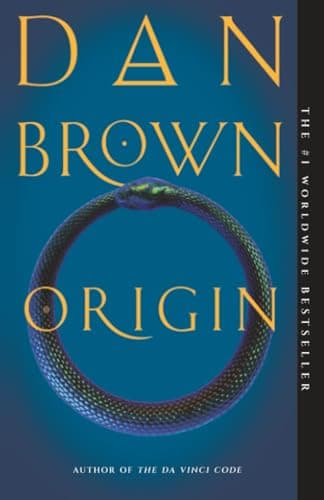
Should you read Origin?
What works
Bilbao, Barcelona, modern architecture, Winston's assistance, and a murdered presentation give Langdon's puzzle method a contemporary technological frame.
What may not work for you
The central revelation is overpromised, science and religion are simplified, and the AI's capabilities serve plot convenience.
What may test your patience
The delayed presentation and repeated explanation of Kirsch's question stretch anticipation beyond what the answer can support.
Does the ending reward the effort?
The conspiracy and AI thread resolve more effectively than the philosophical claim, leaving a satisfying thriller and a modest intellectual payoff.
Reading Origin closely
Origin sends Robert Langdon to the Guggenheim Museum Bilbao for a presentation by futurist Edmond Kirsch, who claims to have answered where humanity came from and where it is going. When the event is violently interrupted, Langdon and museum director Ambra Vidal race to release Kirsch's discovery.
Modern Spanish architecture and an artificial-intelligence assistant replace much of the ancient-secret atmosphere of earlier books. The science-versus-religion framing is broad, but the questions about technological prediction, belief, and digital influence keep the familiar chase contemporary.
A mystery aimed at humanity's future
Rather than uncovering a suppressed ancient document, Langdon is protecting a scientific announcement. This reverses the usual direction of the series while retaining codes, art, and institutions defending their authority.
Technology and plausibility
The AI and scientific claims are shaped for thriller impact. Readers who accept simplified explanations will get more from the pacing than those expecting rigorous scientific argument.
Three useful comparisons
The Da Vinci Code
The Da Vinci Code builds a tighter mystery around a more culturally influential central puzzle.
Best for: Best for a fast art-history conspiracy if you can treat its factual claims as entertainment that needs verification.
Digital Fortress
Digital Fortress is rougher and much more dated, but focused entirely on computation and surveillance.
Best for: Brown completists and readers of retro cyberthrillers comfortable with obsolete and inaccurate technology.
The Secret of Secrets
The Secret of Secrets moves from AI toward consciousness and gives Langdon a more personal stake.
Best for: Langdon readers wanting Prague, Katherine Solomon, consciousness research, secret knowledge, and another fast international pursuit.
Series buying note
Would the collection be the better buy?
These are useful only when you want several books in the same run. The notes below spell out what each package includes and, just as importantly, what it leaves out.

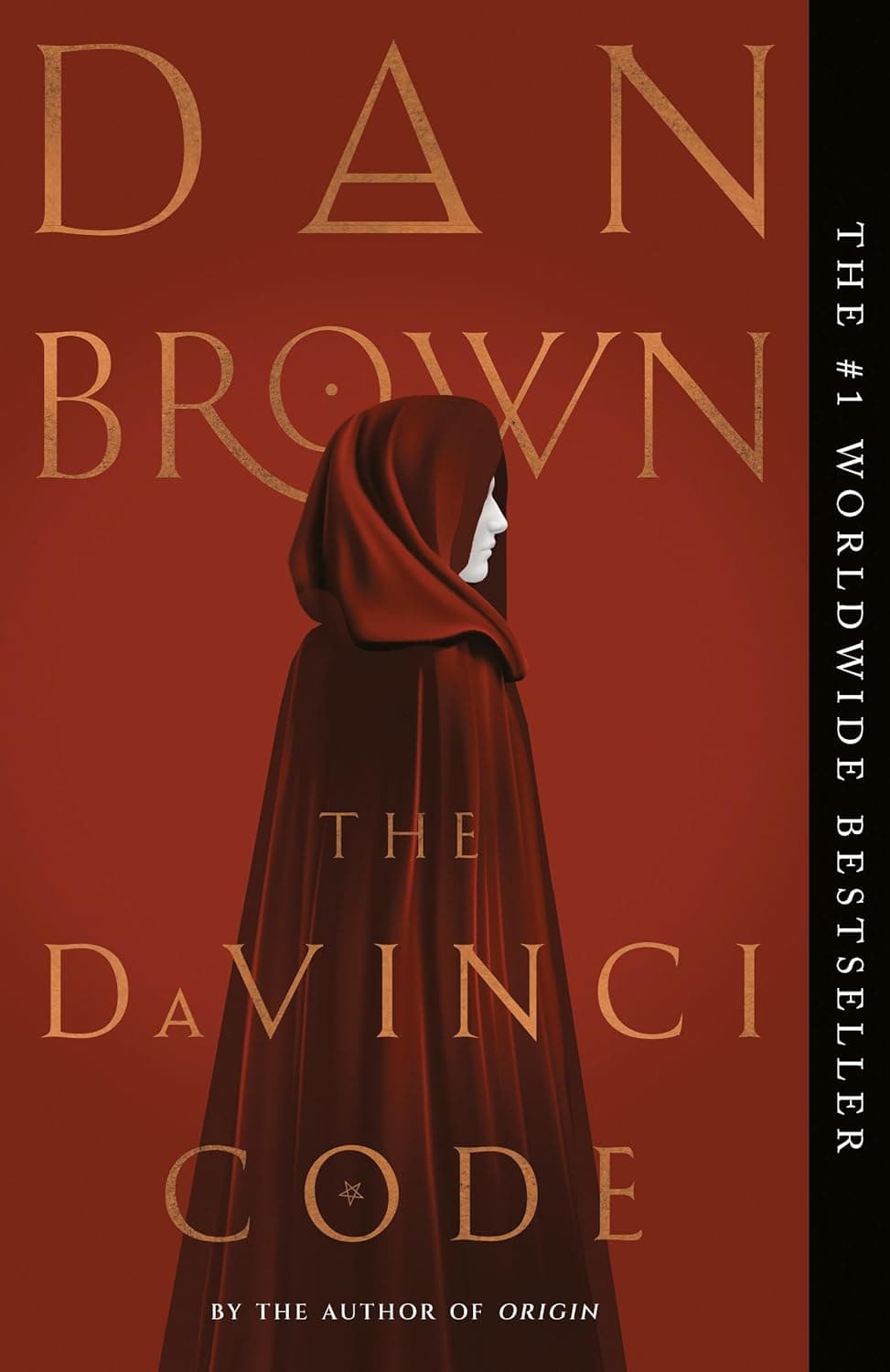

Seven-book paperback collection
Dan Brown 7-Book Collection
The package mixes five Robert Langdon adventures with Dan Brown's two standalone thrillers, Digital Fortress and Deception Point.
Included: Angels & Demons, The Da Vinci Code, The Lost Symbol, Inferno, Origin, Digital Fortress, Deception Point
Our buying note: Despite the marketplace title, this is not the complete current Langdon sequence. It omits The Secret of Secrets, so check the seven listed titles before ordering.