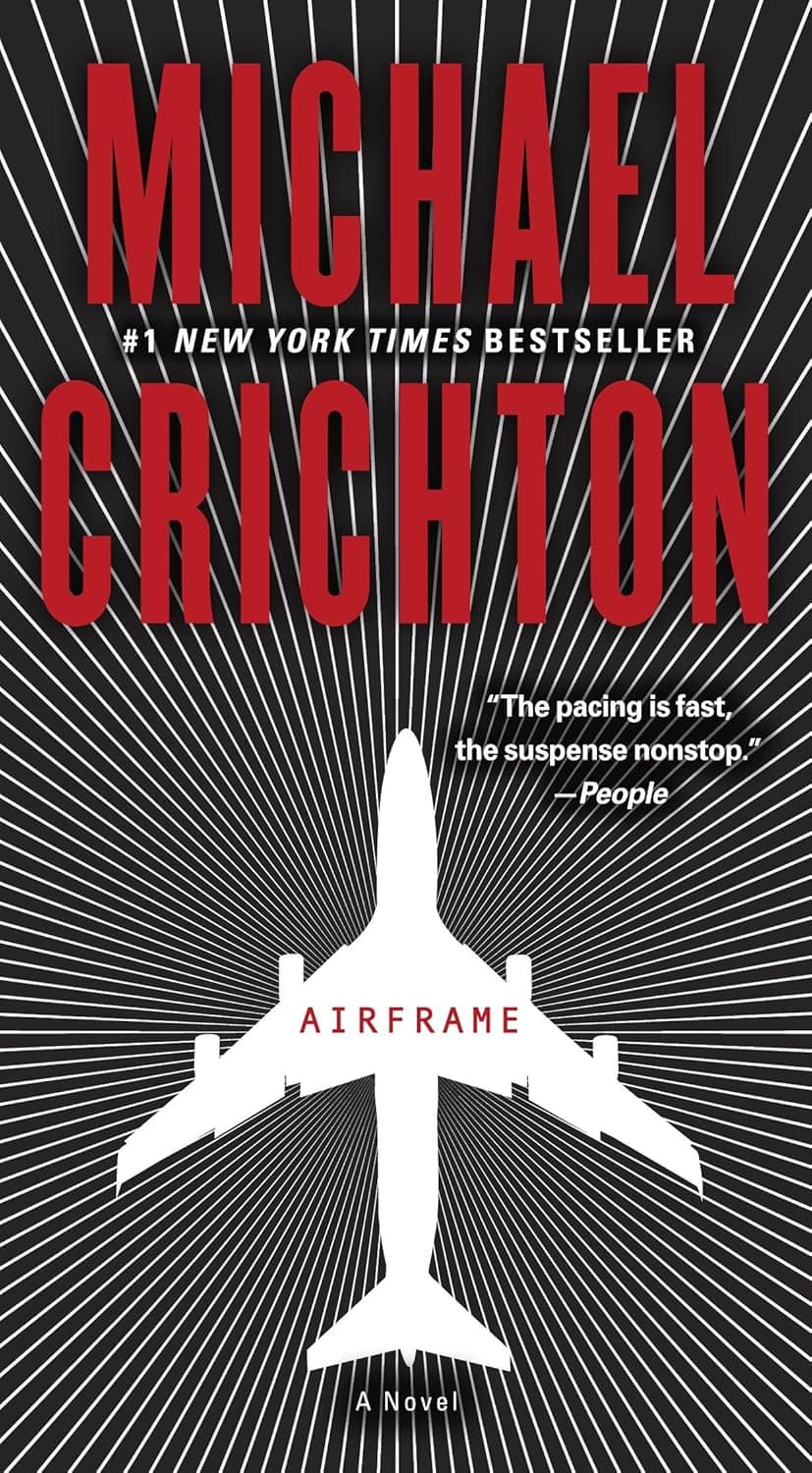
Should you read Airframe?
What works
Casey Singleton's investigation moves through flight data, manufacturing politics, simulation, interviews, and physical reconstruction, with each source testing the others.
What may not work for you
Some media characters are broad caricatures, family material is minimal, and technical density may deter readers uninterested in aviation.
What may test your patience
Aircraft systems and production explanations arrive in detail before the competing evidence forms a clear causal chain.
Does the ending reward the effort?
Yes. The demonstration makes the solution visible, pays off Casey's method, and keeps institutional incentives central to the accident story.
Reading Airframe closely
Airframe begins after TransPacific Flight 545 experiences violent movements that kill three passengers and injure many more. Norton Aircraft assigns quality-assurance specialist Casey Singleton to determine whether its N-22 aircraft failed. The damaged cabin, incomplete crew testimony, maintenance records, and flight data offer competing explanations under a five-day deadline.
Casey navigates engineering teams, union conflict, executives protecting a major sale, and a television producer eager for dramatic footage. Crichton explains aviation systems in considerable detail, but the mystery remains accessible because every technical point changes the responsibility for what happened. Media simplification becomes another system capable of producing harm.
The novel's methodical investigation will appeal to readers who enjoy procedure more than villains. Some broadcast-media satire is blunt, and the technology reflects the 1990s, yet the distinction between evidence, eyewitness perception, and a marketable story remains strong. It also emphasizes that commercial aviation safety is created through unglamorous investigation and documentation.
Reconstructing Flight 545
Casey must combine physical damage, recorded data, configuration, and human actions rather than accept the first label of turbulence.
Aircraft maker under pressure
A pending sale and factory politics create incentives to find or suppress particular conclusions.
Investigation versus television
Technical uncertainty is difficult to communicate when producers need a simple visual cause and immediate blame.
Three useful comparisons
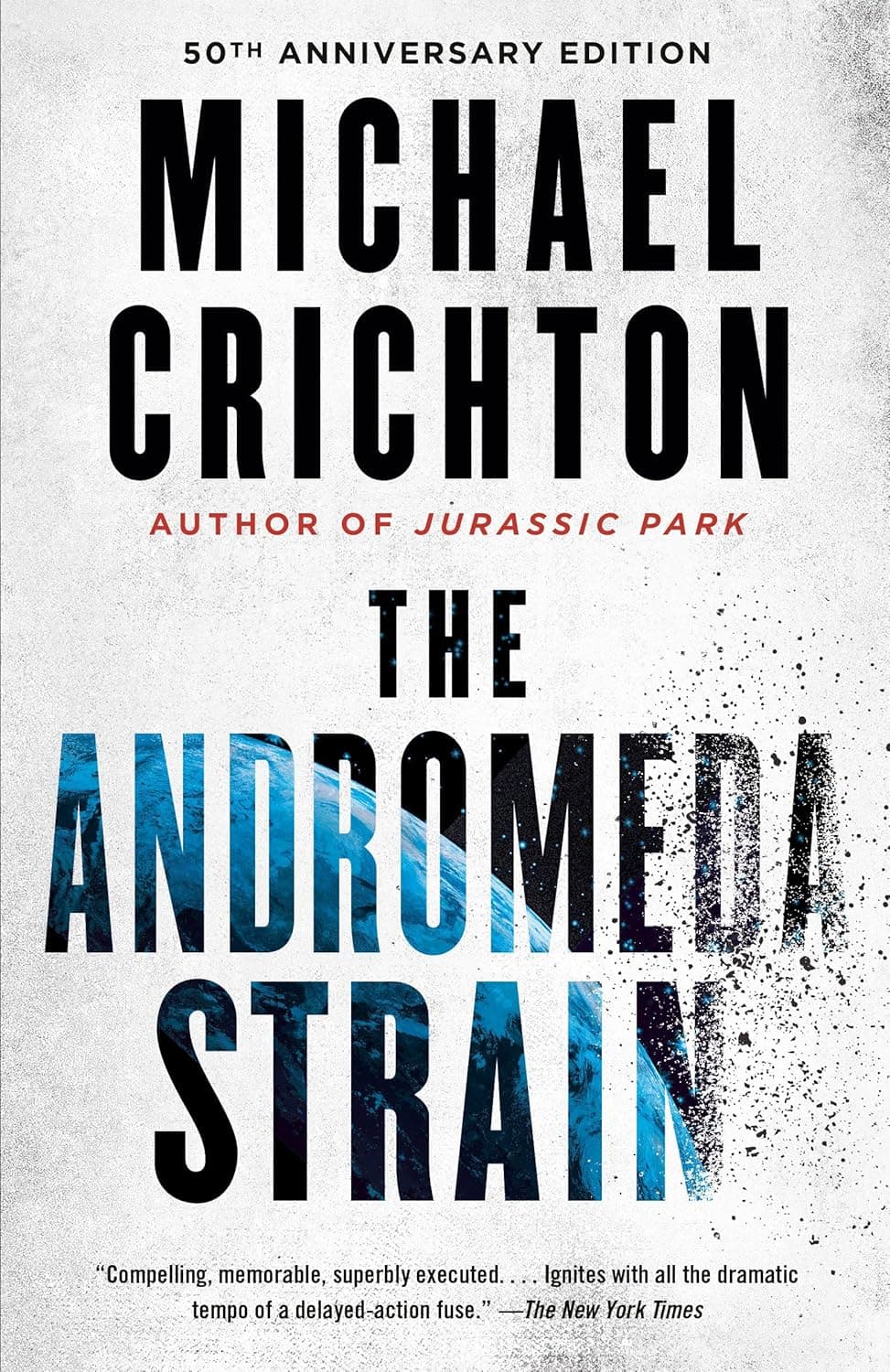
The Andromeda Strain
Andromeda is more clinical and speculative; Airframe offers warmer institutional realism.
Best for: Hard-edged outbreak science fiction for anyone who values laboratory procedure and containment systems over sentiment.
As an Amazon Associate, I earn from qualifying purchases.
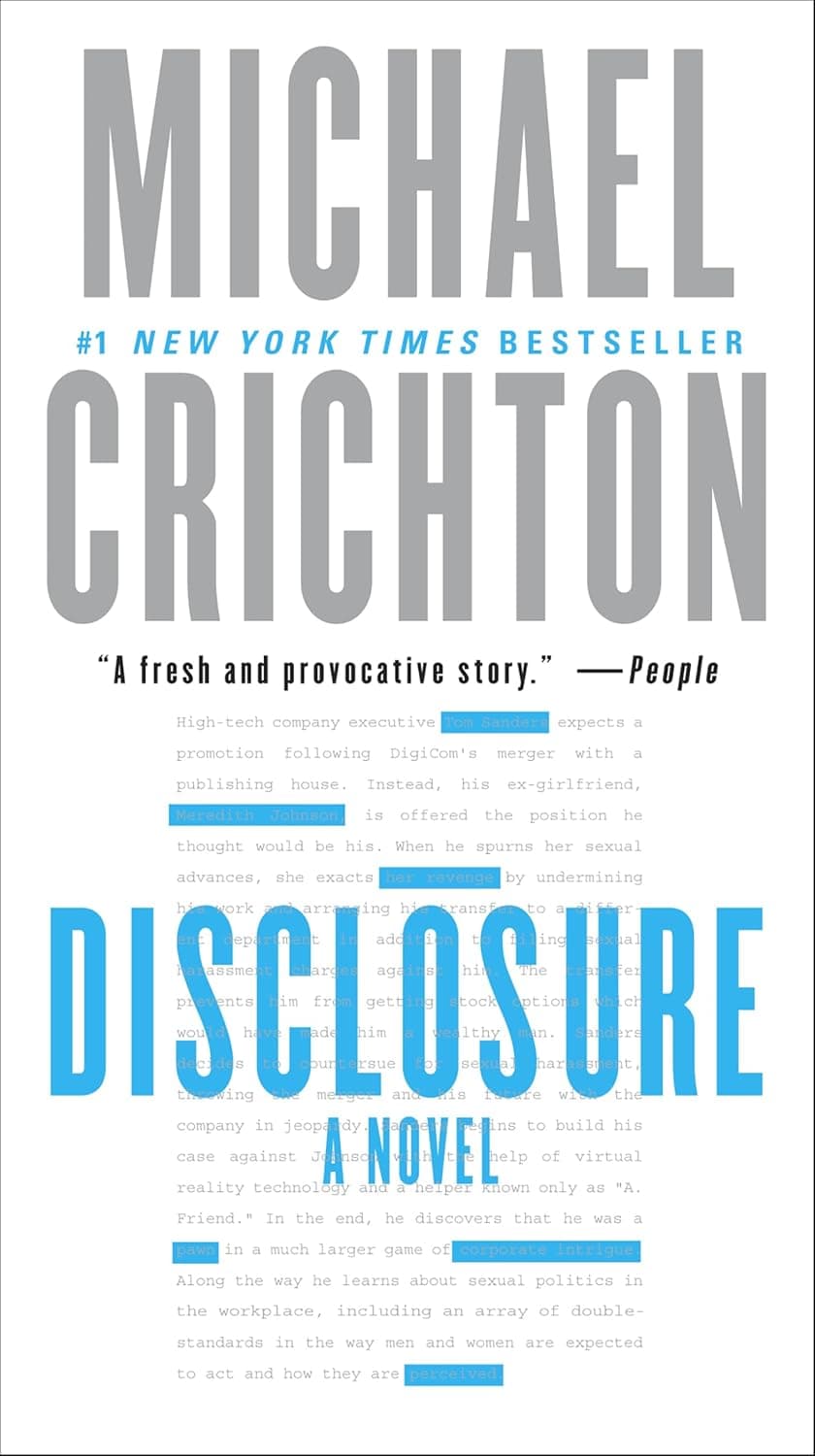
Disclosure
Disclosure shares corporate politics but is more sensational and less technically rigorous.
Best for: Readers of 1990s corporate thrillers willing to engage critically with dated and contentious gender framing.
As an Amazon Associate, I earn from qualifying purchases.
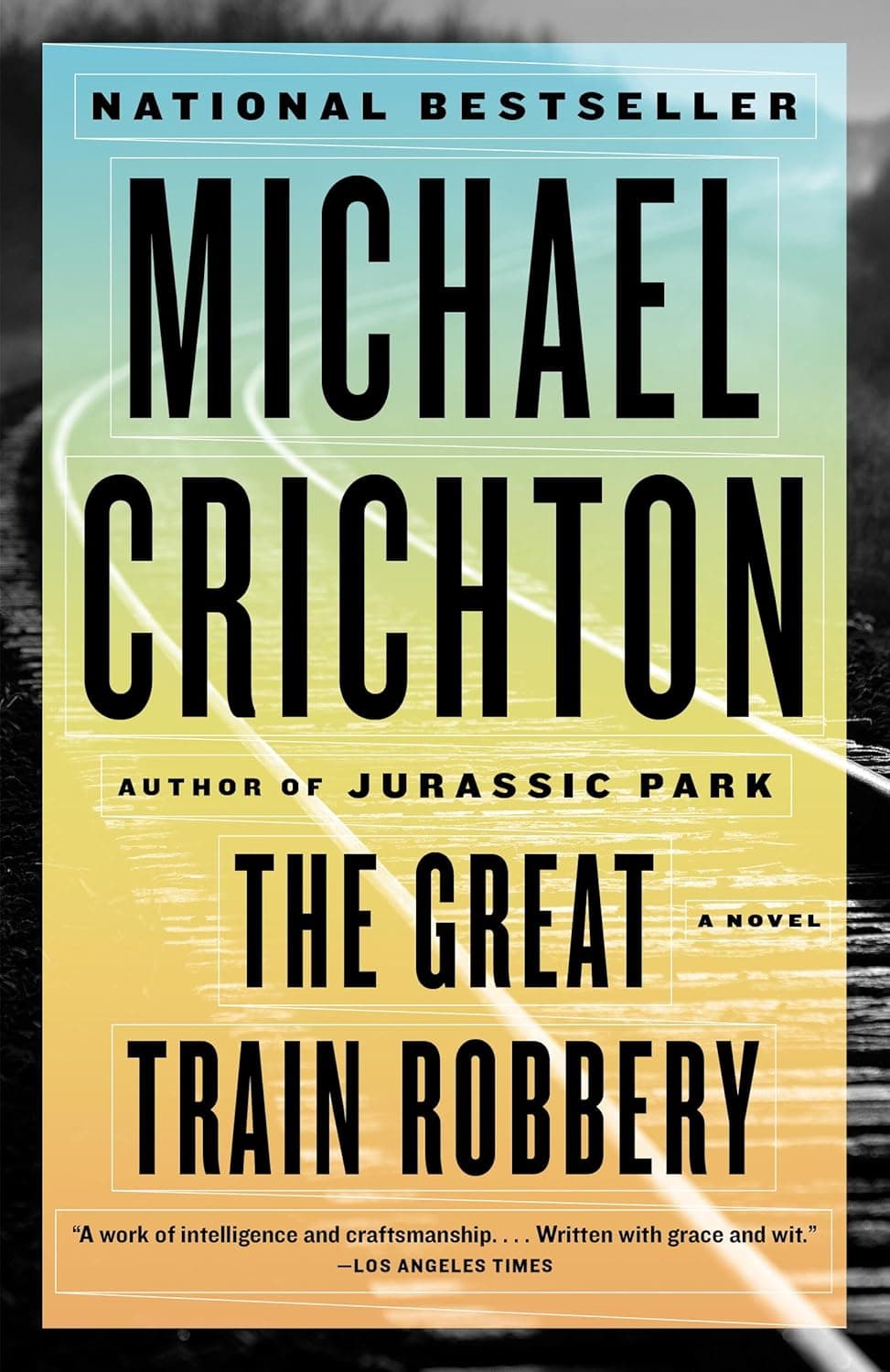
The Great Train Robbery
Great Train Robbery similarly turns procedure into suspense through historical rather than engineering systems.
Best for: Readers who enjoy procedural heists, Victorian settings, and research woven into the mechanics of a crime.
As an Amazon Associate, I earn from qualifying purchases.