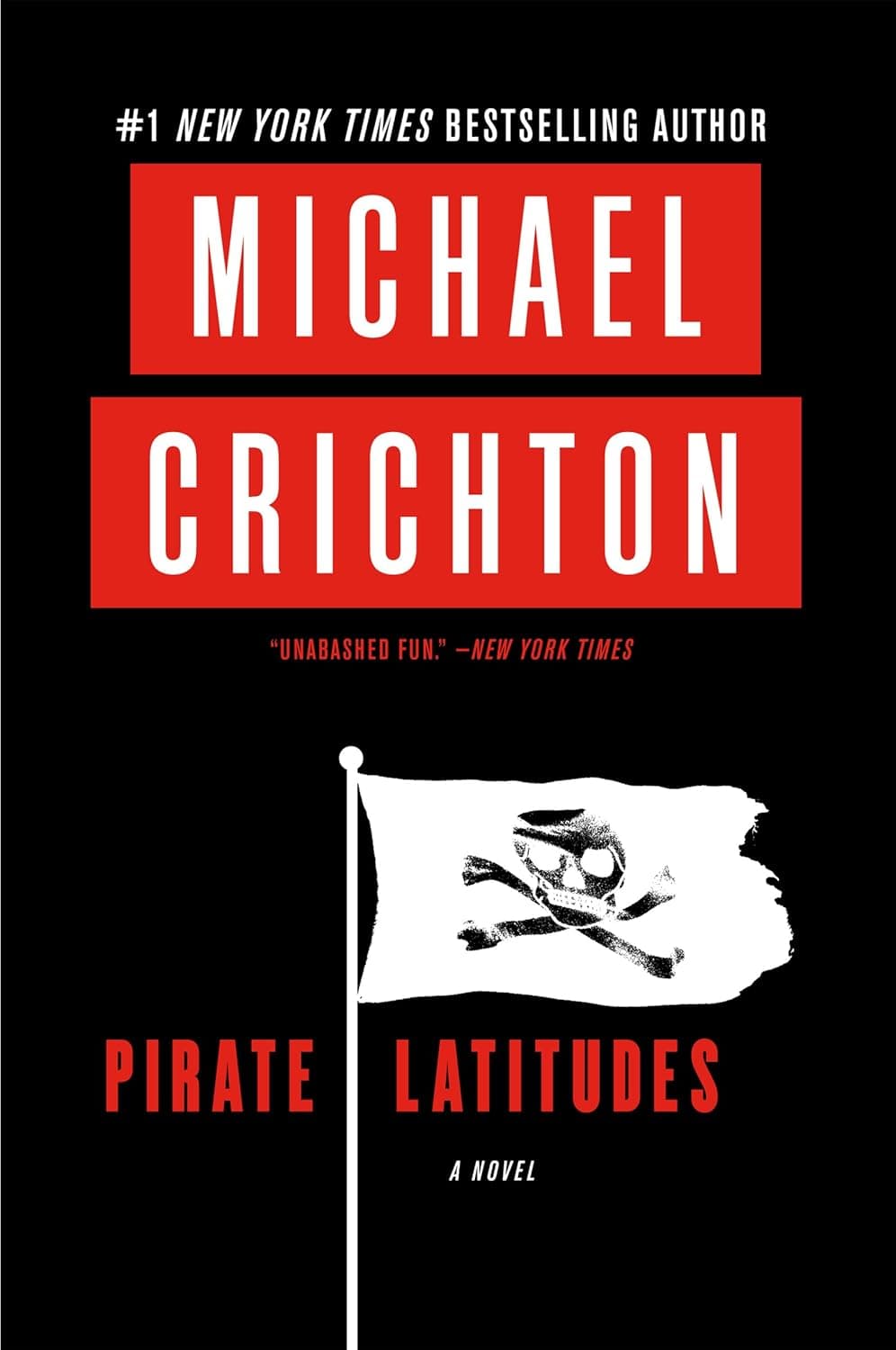
Should you read Pirate Latitudes?
What works
Crew selection, harbor defenses, weather, navigation, and the target's fortifications give the raid satisfying practical stages.
What may not work for you
Women and colonial violence receive shallow treatment, episodes pile up like set pieces, and the manuscript lacks the polish of Crichton's best procedural fiction.
What may test your patience
After the central raid, further dangers continue without equivalent escalation, making the latter adventure feel appended.
Does the ending reward the effort?
The fortune and rivalries resolve at pulp speed, entertaining but less thematically complete than the planning promises.
Reading Pirate Latitudes closely
Pirate Latitudes is set in 1665 Port Royal, where privateer Charles Hunter receives support to raid a Spanish treasure galleon sheltering at the fortress of Matanceros. He recruits specialists whose navigation, explosives, climbing, and violence may make an impossible coastal assault feasible.
The novel treats privateering as an organized colonial business rather than romantic freedom. English and Spanish rivalry, local officials, enslaved people, disease, weather, and profit shape the expedition. Set pieces arrive quickly: infiltration, sea danger, betrayal, and pursuit matter more than sustained psychological development.
Found in Crichton's files and published after his death, the manuscript may not reflect revisions he would have made. That helps explain occasional rough transitions and broad characters, but the adventure remains vivid. Readers should also expect graphic violence and period brutality. It is best approached as a researched, cinematic treasure raid rather than a polished technothriller.
Hunter builds a specialist crew
Each recruit supplies one capability needed to penetrate a harbor protected by geography and guns.
Privateer or pirate
Official permission changes who receives the profit, but does not make colonial violence morally clean.
A posthumous manuscript
The book is complete enough to entertain while retaining signs that its author may not have finished revising it.
Three useful comparisons
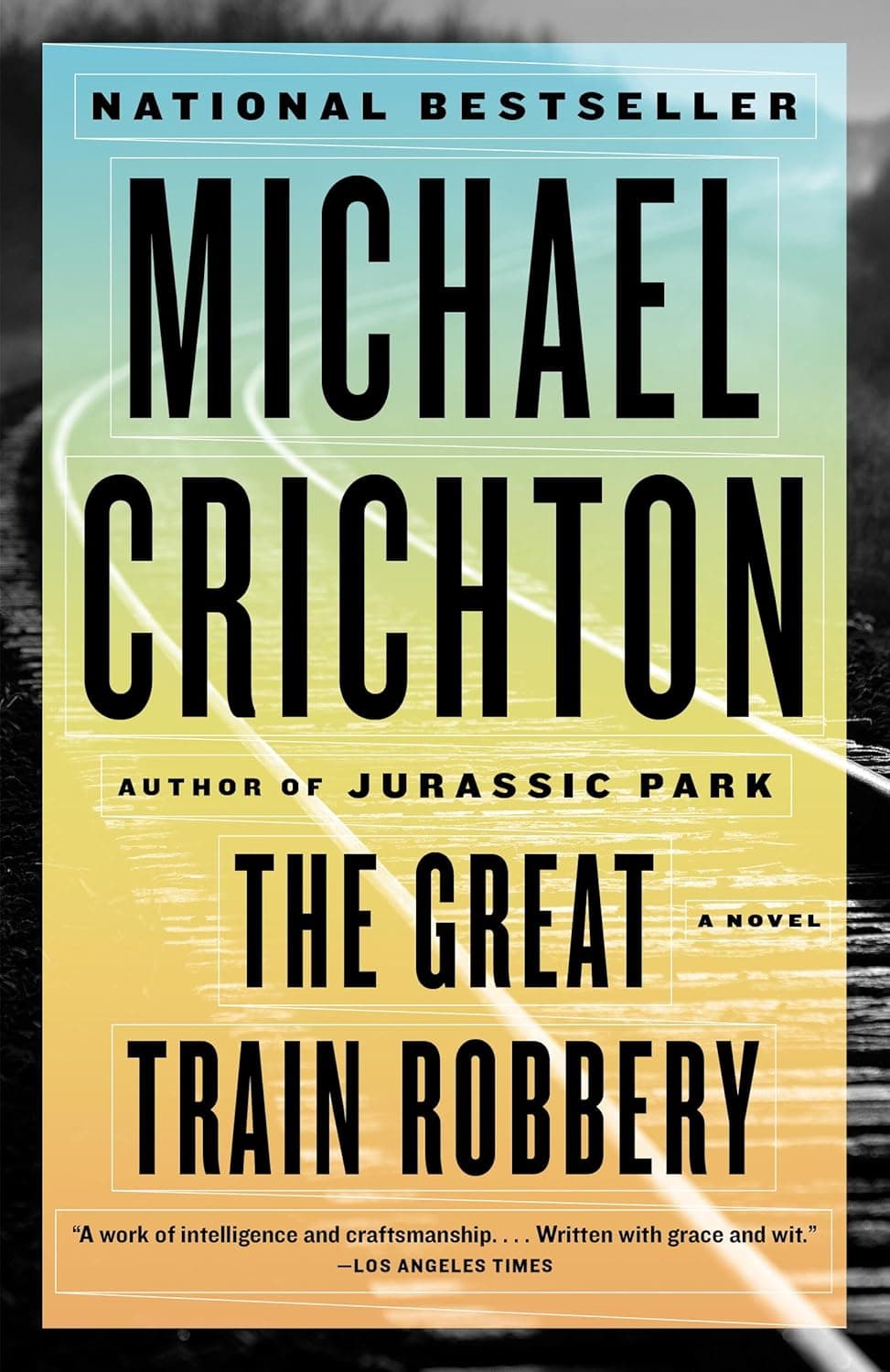
The Great Train Robbery
Great Train Robbery is better researched, more controlled, and richer about the society enabling its crime.
Best for: Readers who enjoy procedural heists, Victorian settings, and research woven into the mechanics of a crime.
As an Amazon Associate, I earn from qualifying purchases.
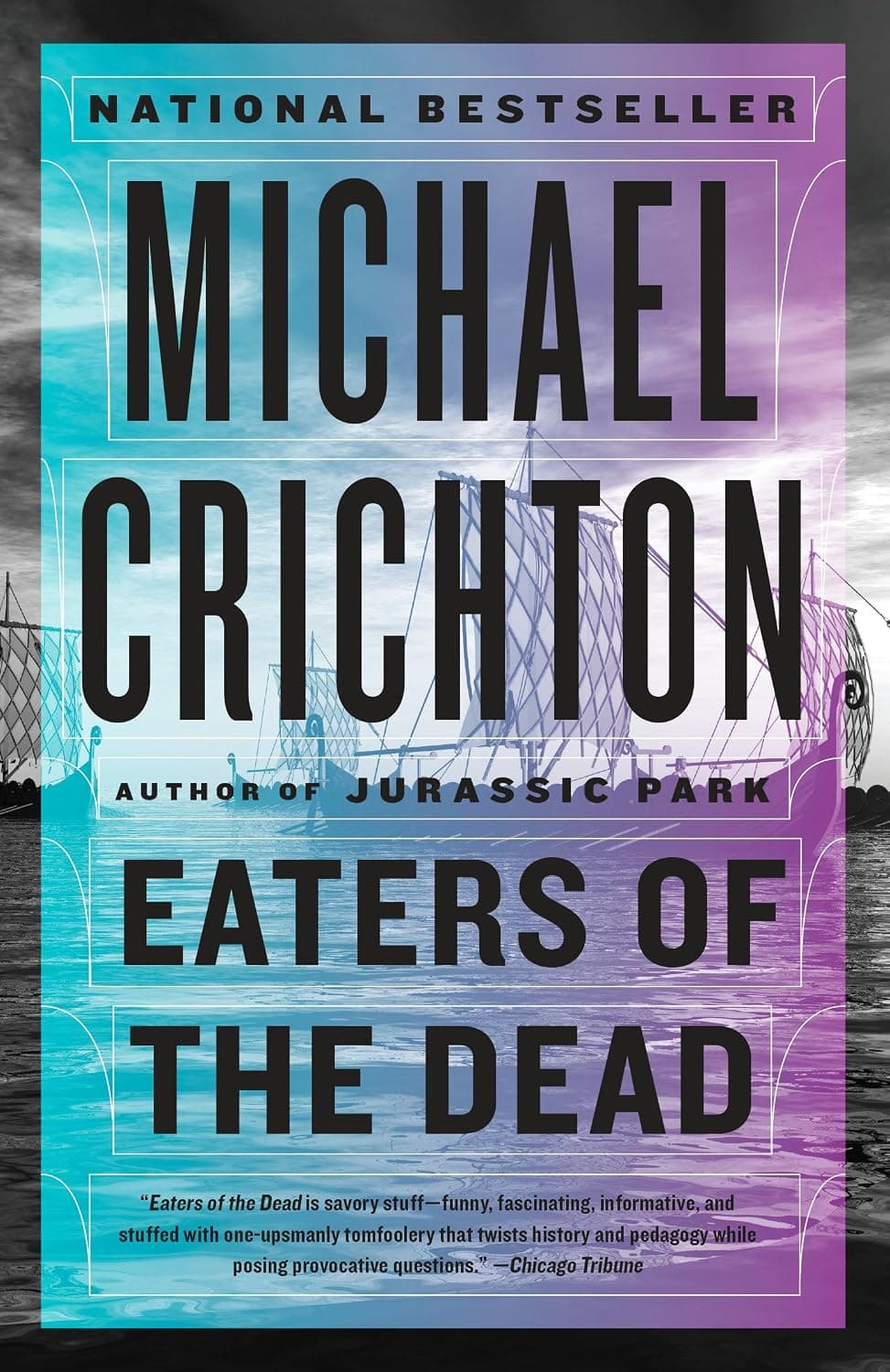
Eaters of the Dead
Eaters of the Dead is shorter and more formally inventive with its historical source game.
Best for: Try this for historical adventure, Beowulf revision, Norse travel, and playful pseudo-scholarship.
As an Amazon Associate, I earn from qualifying purchases.
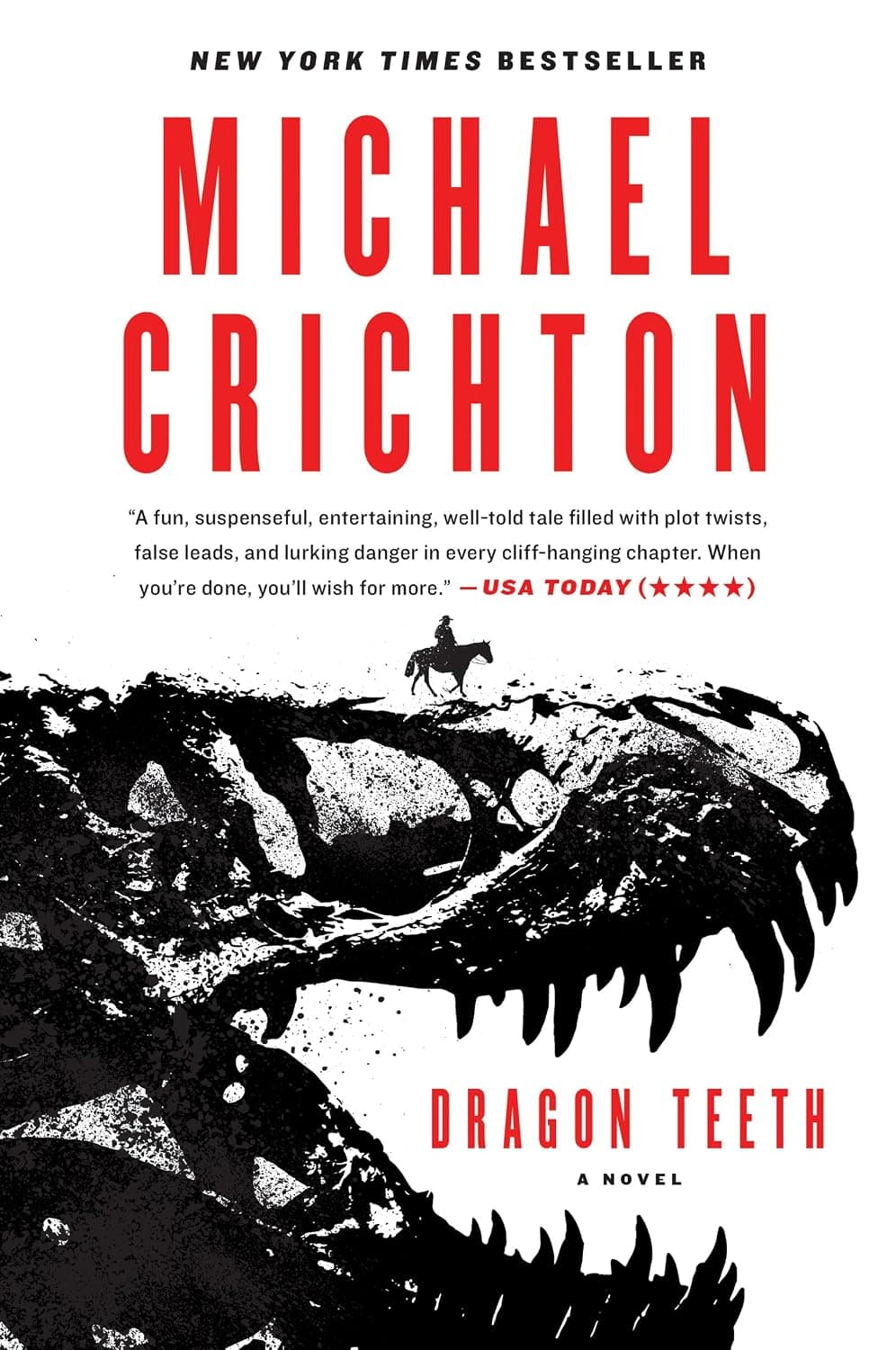
Dragon Teeth
Dragon Teeth offers another posthumous period adventure centered on scientific rivalry and the American West.
Best for: Readers interested in fossils, the Bone Wars, western adventure, and accessible historical fiction.
As an Amazon Associate, I earn from qualifying purchases.