What to read next
10 books like The Letters of J.R.R. Tolkien
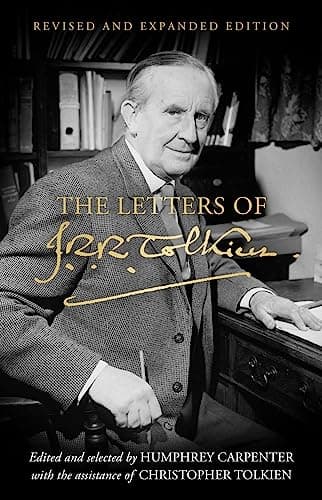
Letters to family, readers, publishers, and colleagues reveal context and uncertainty that later summaries often turn into fixed doctrine. If that is what you want more of after The Letters of J.R.R. Tolkien, these recommendations preserve that appeal in different ways, without pretending every similar book offers the same experience.
Start with our The Letters of J.R.R. Tolkien review by J.R.R. Tolkien.

Choose by reading mood
Where to start
For the fastest read
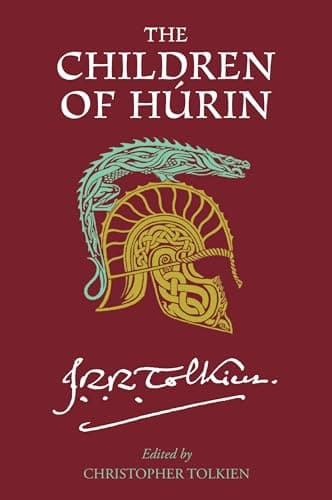
The Children of Húrin
BalancedFor the gentlest option
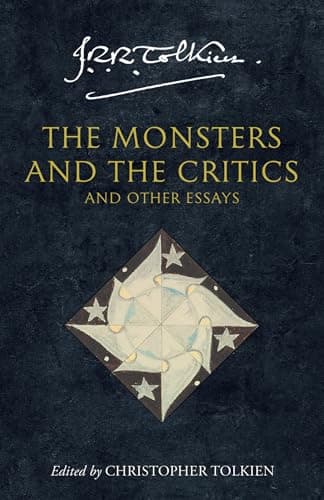
The Monsters and the Critics, and Other Essays
GentleFor the strongest romance
Pride and Prejudice
CentralFor the easiest entry
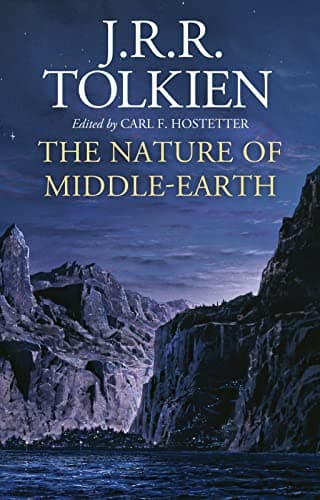
The Nature of Middle-earth
ModerateThe full shortlist
Why each book belongs here
Each match is judged against The Letters of J.R.R. Tolkien, not merely placed beside it because the books share a broad genre label.
The Nature of Middle-earth
- Shared ground
- Both books come from J.R.R. Tolkien, and they reward attention to voice, social context, and the consequences of mistaken judgment.
- What changes
- Nature shows private worldbuilding calculations; the Letters provide broader personal and intellectual context.
- Best for
- Advanced Tolkien readers interested in chronology, metaphysics, bodily life, and manuscript study.
- Pace Balanced
- Darkness Gentle
- Romance Minimal
- Difficulty Moderate
The Monsters and the Critics, and Other Essays
- Shared ground
- Both books come from J.R.R. Tolkien, and they reward attention to voice, social context, and the consequences of mistaken judgment.
- What changes
- Monsters and the Critics presents polished public scholarship rather than occasional correspondence.
- Best for
- Readers of medieval literature, Tolkien scholars, and advanced fans interested in the intellectual foundations of his fiction.
- Pace Measured
- Darkness Gentle
- Romance Minimal
- Difficulty Demanding
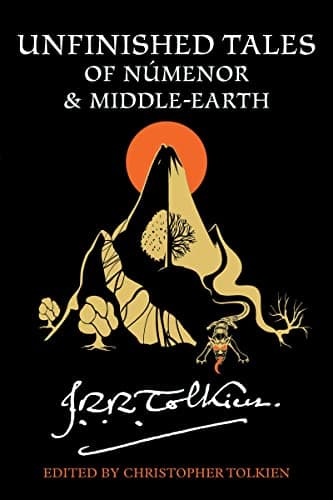
Unfinished Tales of Númenor and Middle-earth
- Shared ground
- Both books come from J.R.R. Tolkien, and they reward attention to voice, social context, and the consequences of mistaken judgment.
- What changes
- Unfinished Tales preserves narrative drafts with editorial framing, useful beside Tolkien's own explanations.
- Best for
- Readers already familiar with The Lord of the Rings and The Silmarillion who enjoy textual history alongside lore.
- Pace Balanced
- Darkness Gentle
- Romance Minimal
- Difficulty Moderate
The Children of Húrin
- Shared ground
- Both books show how organized violence reshapes loyalty, identity, and ordinary life.
- What changes
- The Children of Húrin has a similar overall reading load, but changes the emphasis. Túrin's courage, pride, secrecy, and repeated reinvention make the curse operate through character as well as supernatural malice.
- Best for
- Readers who know The Silmarillion or want a standalone entrance into Tolkien's tragic First Age.
- Pace Balanced
- Darkness Gentle
- Romance Minimal
- Difficulty Moderate
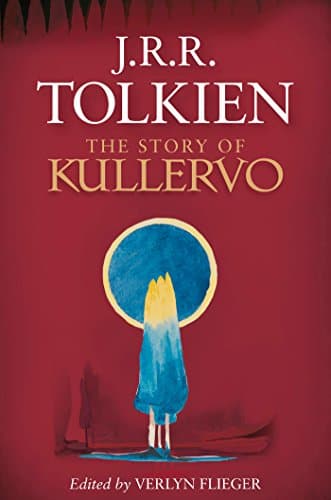
The Story of Kullervo
- Shared ground
- Both books treat family loyalty as a source of both protection and pressure.
- What changes
- The Story of Kullervo has a similar overall reading load, but changes the emphasis. Kullervo's curse, isolation, and catastrophic family history reveal themes Tolkien would revisit with far greater control in Túrin.
- Best for
- Specialists interested in Tolkien's development, the Kalevala, and the origins of the Túrin story.
- Pace Balanced
- Darkness Gentle
- Romance Minimal
- Difficulty Moderate
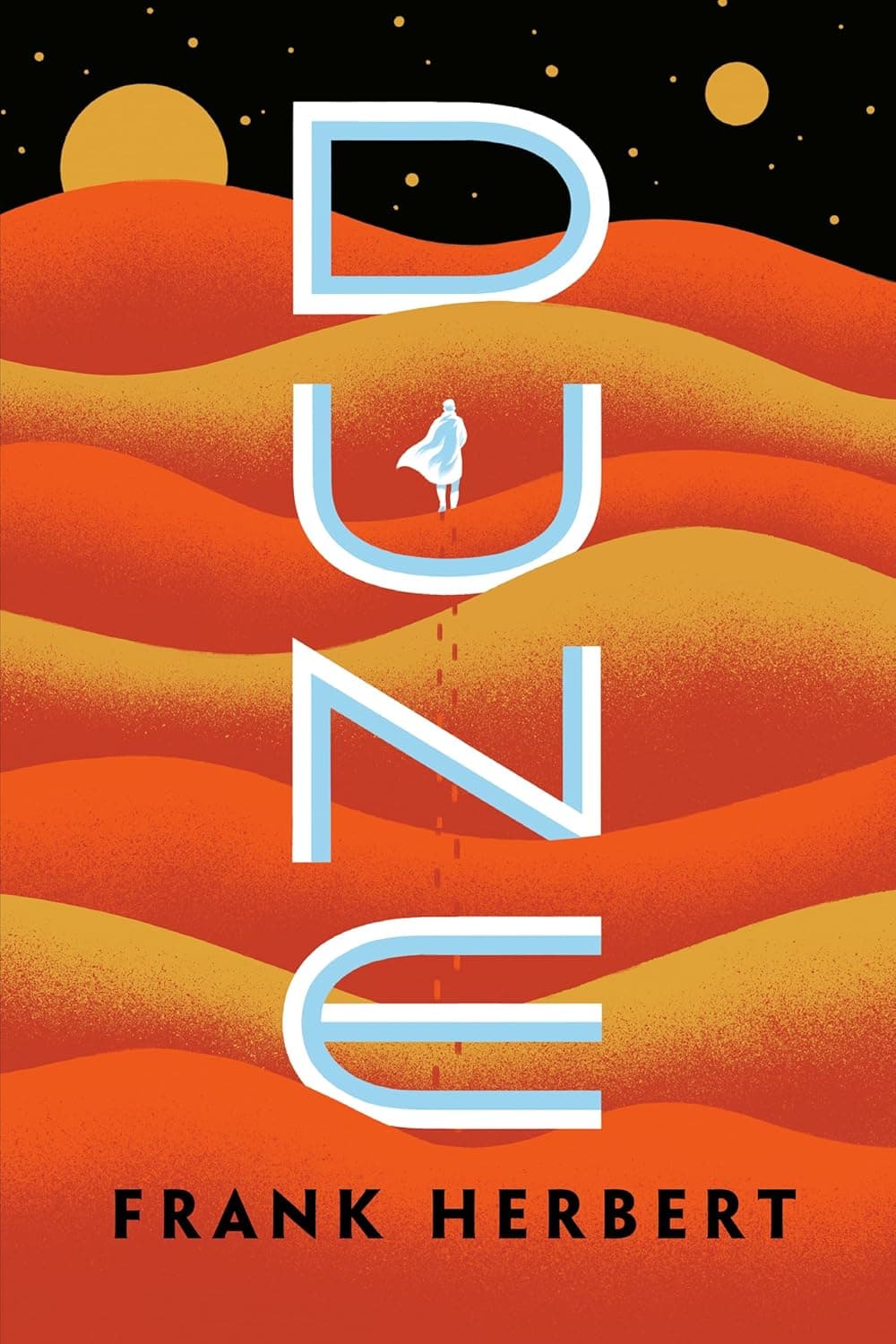
Dune
- Shared ground
- Both books show how organized violence reshapes loyalty, identity, and ordinary life.
- What changes
- Dune is more demanding than The Letters of J.R.R. Tolkien. Herbert makes ecology consequential.
- Best for
- Readers willing to trade immediate intimacy for political, ecological, and religious ideas that become more connected with every chapter.
- Pace Balanced
- Darkness Moderate
- Romance Minimal
- Difficulty Demanding
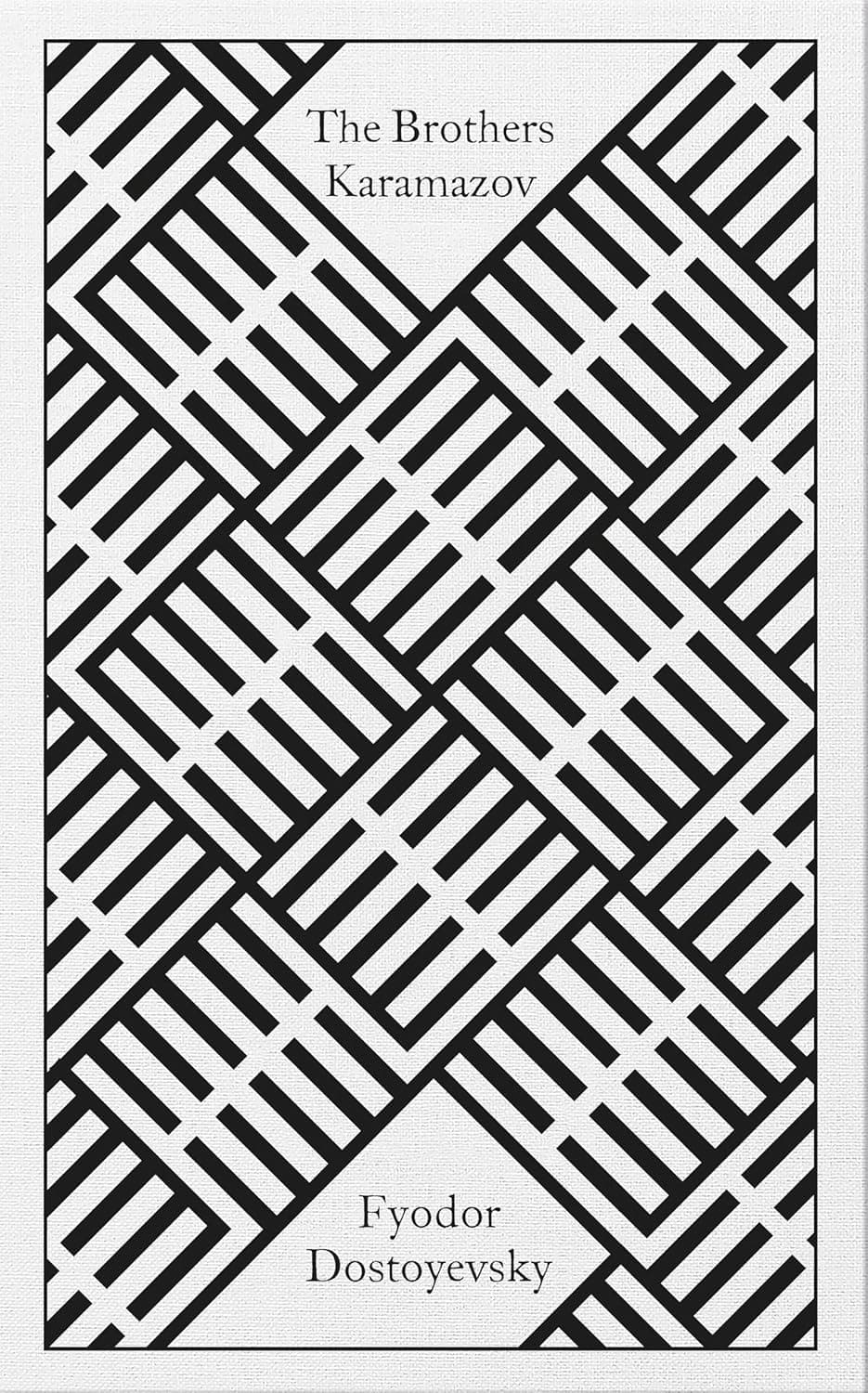
The Brothers Karamazov
- Shared ground
- Both books take belief seriously as both a source of meaning and a structure of power.
- What changes
- The Brothers Karamazov is more demanding than The Letters of J.R.R. Tolkien. Dostoevsky gives faith, doubt, sensual appetite, resentment, and responsibility distinct human voices.
- Best for
- Patient readers who want family catastrophe, murder, theology, moral psychology, and long scenes of people arguing at full intensity.
- Pace Measured
- Darkness Gentle
- Romance Minimal
- Difficulty Demanding
Bleak House
- Shared ground
- Both books treat family loyalty as a source of both protection and pressure.
- What changes
- Bleak House has a similar overall reading load, but changes the emphasis. Esther's intimate narration and the present-tense panoramic voice reveal different truths about Chancery, while the mystery gives institutional criticism a human cost.
- Best for
- Patient readers wanting Victorian London, legal satire, family mystery, dual narration, disease, and a vast connected cast.
- Pace Measured
- Darkness Moderate
- Romance Minimal
- Difficulty Moderate
The Handmaid's Tale
- Shared ground
- Both books take belief seriously as both a source of meaning and a structure of power.
- What changes
- The Handmaid's Tale is darker than The Letters of J.R.R. Tolkien. Offred's attention to rooms, clothing, ritual phrases, and tiny exchanges shows how political power occupies ordinary life.
- Best for
- Readers interested in reproductive control, memory, religious authoritarianism, and narrators whose uncertainty is part of their resistance.
- Pace Measured
- Darkness Moderate
- Romance Minimal
- Difficulty Moderate
Pride and Prejudice
- Shared ground
- Both books treat family loyalty as a source of both protection and pressure.
- What changes
- Pride and Prejudice is more romance-led than The Letters of J.R.R. Tolkien. Every conversation does two jobs.
- Best for
- Readers who enjoy slow-burn romance, social comedy, and protagonists intelligent enough to be convincingly wrong.
- Pace Balanced
- Darkness Gentle
- Romance Central
- Difficulty Moderate
Side-by-side
Pace, darkness, romance, and difficulty
Use these labels as directional guidance. The individual notes above explain the tradeoffs.
| Book | Pace | Darkness | Romance | Difficulty |
|---|---|---|---|---|
| The Letters of J.R.R. Tolkien | Balanced | Gentle | Minimal | Moderate |
| The Nature of Middle-earth | Balanced | Gentle | Minimal | Moderate |
| The Monsters and the Critics, and Other Essays | Measured | Gentle | Minimal | Demanding |
| Unfinished Tales of Númenor and Middle-earth | Balanced | Gentle | Minimal | Moderate |
| The Children of Húrin | Balanced | Gentle | Minimal | Moderate |
| The Story of Kullervo | Balanced | Gentle | Minimal | Moderate |
| Dune | Balanced | Moderate | Minimal | Demanding |
| The Brothers Karamazov | Measured | Gentle | Minimal | Demanding |
| Bleak House | Measured | Moderate | Minimal | Moderate |
| The Handmaid's Tale | Measured | Moderate | Minimal | Moderate |
| Pride and Prejudice | Balanced | Gentle | Central | Moderate |
Keep exploring
Explore another Books Like guide
Start from another familiar book and compare a new set of reading paths.