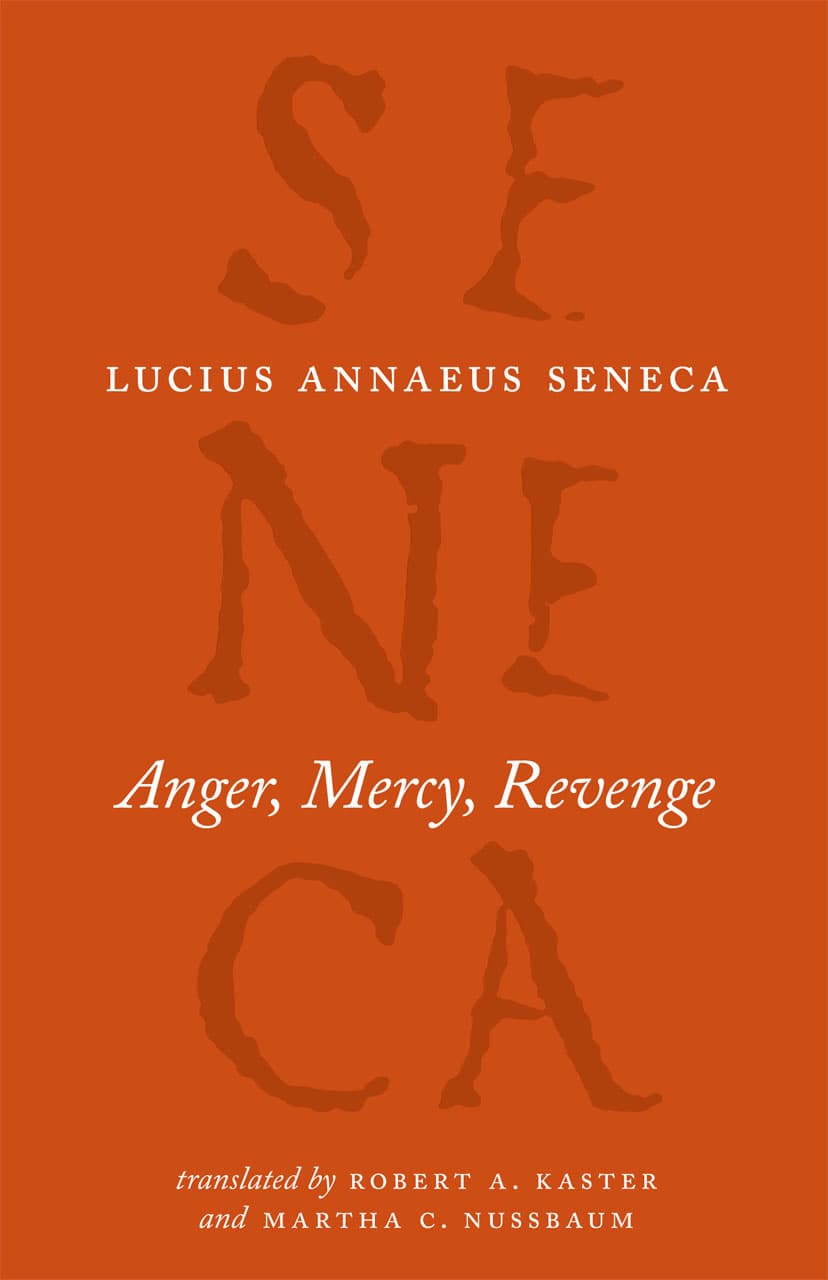
Should you read Anger, Mercy, Revenge?
What works
On Anger distinguishes the first involuntary shock from the judgment that authorizes retaliation, giving the collection its most useful psychological claim. On Clemency makes self-restraint a political duty rather than private gentleness, while The Pumpkinification of Claudius proves that Seneca can be vulgar and funny.
What may not work for you
The three works do not form a seamless ethical position. Advice addressed to Nero carries an unavoidable political compromise, On Clemency is incomplete, and the revenge comedy against Claudius can look like a performance of the very punitive pleasure On Anger warns against.
What may test your patience
On Anger returns to the same case through definitions, examples, prevention, and treatment. The repetition is purposeful, but readers may feel the argument is settled before Seneca has finished demonstrating every route by which anger disguises itself as justice.
Does the ending reward the effort?
Yes, but through productive discomfort. The final satire does not reconcile mercy with revenge. It leaves readers testing Seneca's conduct and literary pleasure against the discipline he has just demanded from rulers and ordinary people.
Reading Anger, Mercy, Revenge closely
Anger, Mercy, Revenge brings together three works that refuse to settle into one comfortable image of Seneca. On Anger treats rage as a moral and cognitive failure that can be prevented and corrected. On Clemency addresses Nero and argues that restraint should define legitimate rule. The Pumpkinification of Claudius mocks the dead emperor through divine bureaucracy, bodily comedy, and literary revenge.
On Anger is the foundation. Seneca distinguishes the involuntary first movement of alarm or shock from anger properly so called, which requires the mind to assent to the belief that injury deserves retaliation. That distinction keeps his position from demanding emotional numbness. The problem is not noticing harm; it is rehearsing punishment until cruelty begins to look righteous.
The practical advice remains concrete. Delay a response, examine whether the offense was intentional, remember one's own errors, avoid situations that make judgment worse, and do not mistake volume for authority. Some examples belong unmistakably to Roman households and hierarchies, yet the account of anger seeking evidence for a verdict it has already chosen remains psychologically sharp.
On Clemency changes the scale from self-command to imperial power. Its praise of Nero cannot be read innocently after the history of his reign, and Seneca's position as adviser makes every compliment politically charged. Still, the argument that a ruler proves strength by limiting his own capacity to punish exposes how easily mercy can become public relations instead of principle.
The final satire prevents the volume from ending with a clean lesson. Claudius is denied dignity in precisely the spirit of retaliatory pleasure the first essay diagnoses. That contradiction is not a reason to discard the collection. It is the best reason to read the works together, testing the philosopher's performance against his philosophy and asking whether brilliant moral analysis guarantees moral consistency.
Anger begins when judgment approves retaliation
The first physical or emotional disturbance is not yet the vice. Seneca locates responsibility in the mind's repeated endorsement of an injury story and its decision that another person ought to suffer.
Clemency is restraint under unequal power
A ruler does not practice mercy among equals. The essay therefore asks whether someone with enormous punitive authority can make self-limitation part of rule rather than a favor granted for praise.
The satire turns the argument against its author
The Pumpkinification of Claudius is funny because it is inventive, personal, and merciless. Placing it after On Anger forces readers to notice how readily literary revenge can feel justified when its target is disliked.
Three useful comparisons
Hardship and Happiness
Hardship and Happiness offers the broader introduction to Seneca's practical essays, including time, grief, tranquility, and providence. Anger, Mercy, Revenge is narrower and more politically charged. Choose it when you want one emotion followed from household conflict into imperial punishment and satirical retaliation.
Best for: Readers new to Seneca, students seeking complete essays rather than selections, and anyone interested in grief, exile, time, tranquility, leisure, happiness, adversity, and the tension between Stoic principle and political life.
The Complete Tragedies, Volume 2
On Anger analyzes the moment when an initial disturbance becomes an endorsed desire for punishment. The tragedies stage what happens after that endorsement takes command. Volume 2 is darker, more violent, and less instructional, with Thyestes turning revenge into a spectacle the philosophical essay explicitly teaches readers to resist.
Best for: Readers of Roman drama, revenge tragedy, mythic horror, classical reception, and Shakespearean or Jacobean tragedy, especially those willing to read introductions and notes and to treat each play as a separate encounter.
1984
1984 dramatizes a state that controls language, memory, and fear from the position of a vulnerable subject. On Clemency speaks directly to the person holding power and asks him to make restraint part of sovereignty. Orwell is the stronger warning; Seneca reveals the compromises inside advice offered near a ruler.
Best for: Readers interested in propaganda, surveillance, political language, and dystopias that offer pressure rather than escapism.