What to read next
10 books like Anger, Mercy, Revenge
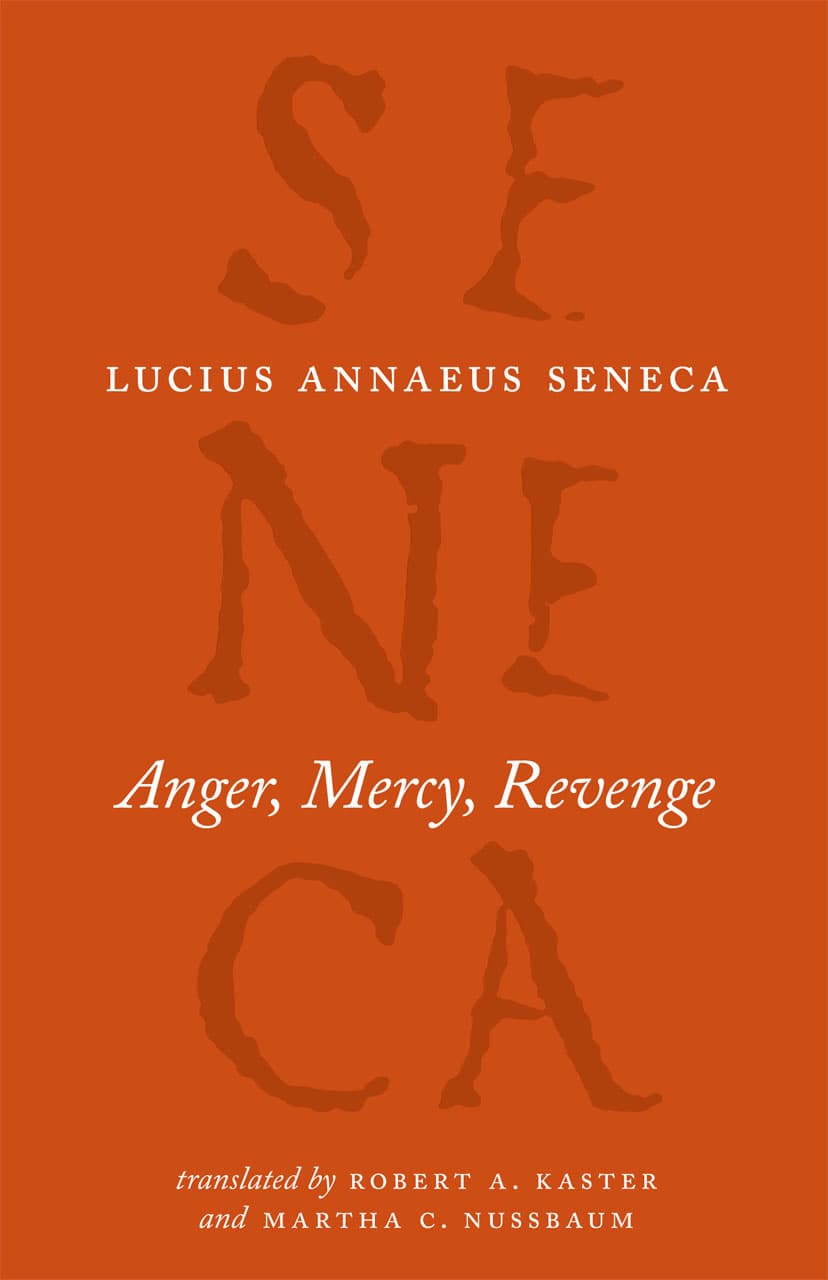
On Anger distinguishes the first involuntary shock from the judgment that authorizes retaliation, giving the collection its most useful psychological claim. If that is what you want more of after Anger, Mercy, Revenge, these recommendations preserve that appeal in different ways, without pretending every similar book offers the same experience.
Start with our Anger, Mercy, Revenge review by Seneca.

Choose by reading mood
Where to start
For the fastest read
Yellowface
BriskFor the gentlest option
On Benefits
GentleFor minimal romance
Hardship and Happiness
MinimalFor the easiest entry
1984
AccessibleThe full shortlist
Why each book belongs here
Each match is judged against Anger, Mercy, Revenge, not merely placed beside it because the books share a broad genre label.
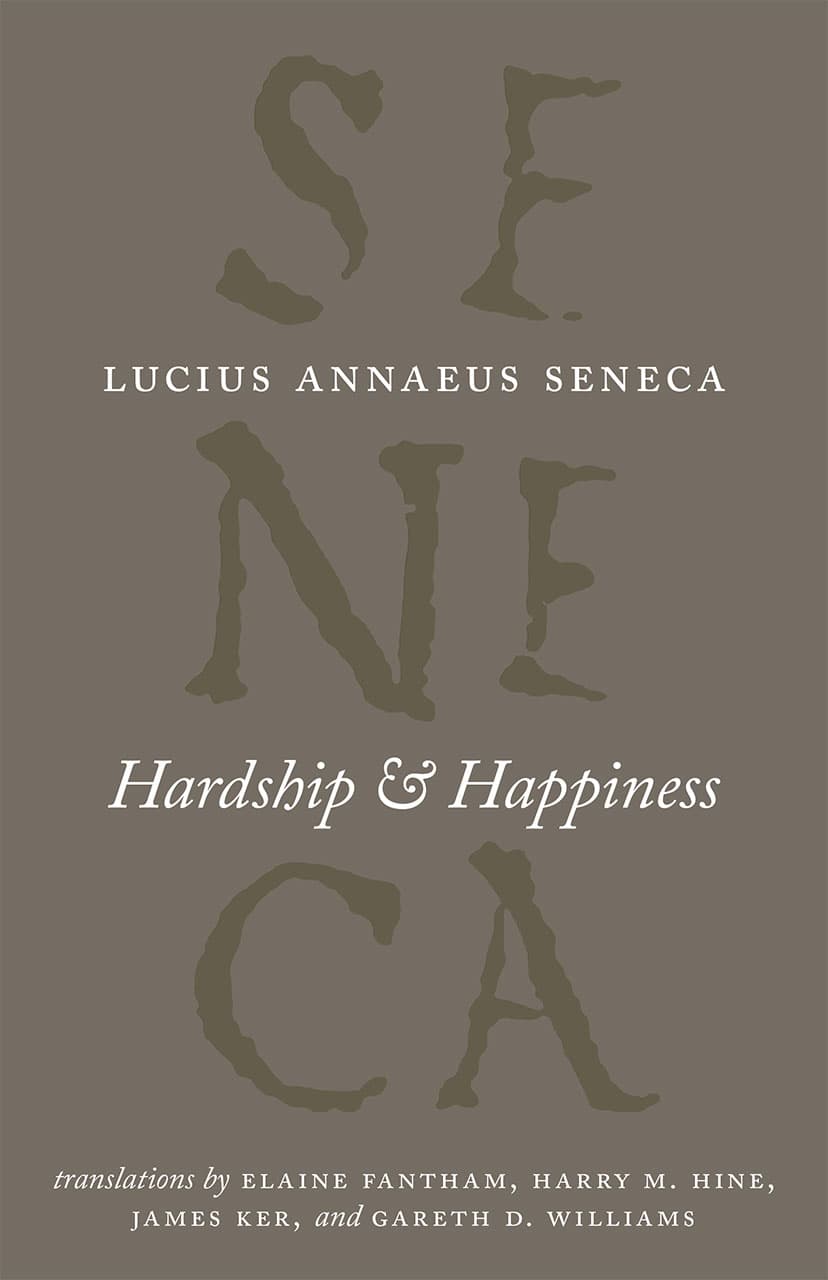
Hardship and Happiness
- Shared ground
- Both books come from Seneca, and they build an argument about how to understand the world and how a person should live within it.
- What changes
- Hardship and Happiness offers the broader introduction to Seneca's practical essays, including time, grief, tranquility, and providence. Anger, Mercy, Revenge is narrower and more politically charged. Choose it when you want one emotion followed from household conflict into imperial punishment and satirical retaliation.
- Best for
- Readers new to Seneca, students seeking complete essays rather than selections, and anyone interested in grief, exile, time, tranquility, leisure, happiness, adversity, and the tension between Stoic principle and political life.
- Pace Measured
- Darkness Moderate
- Romance Minimal
- Difficulty Demanding
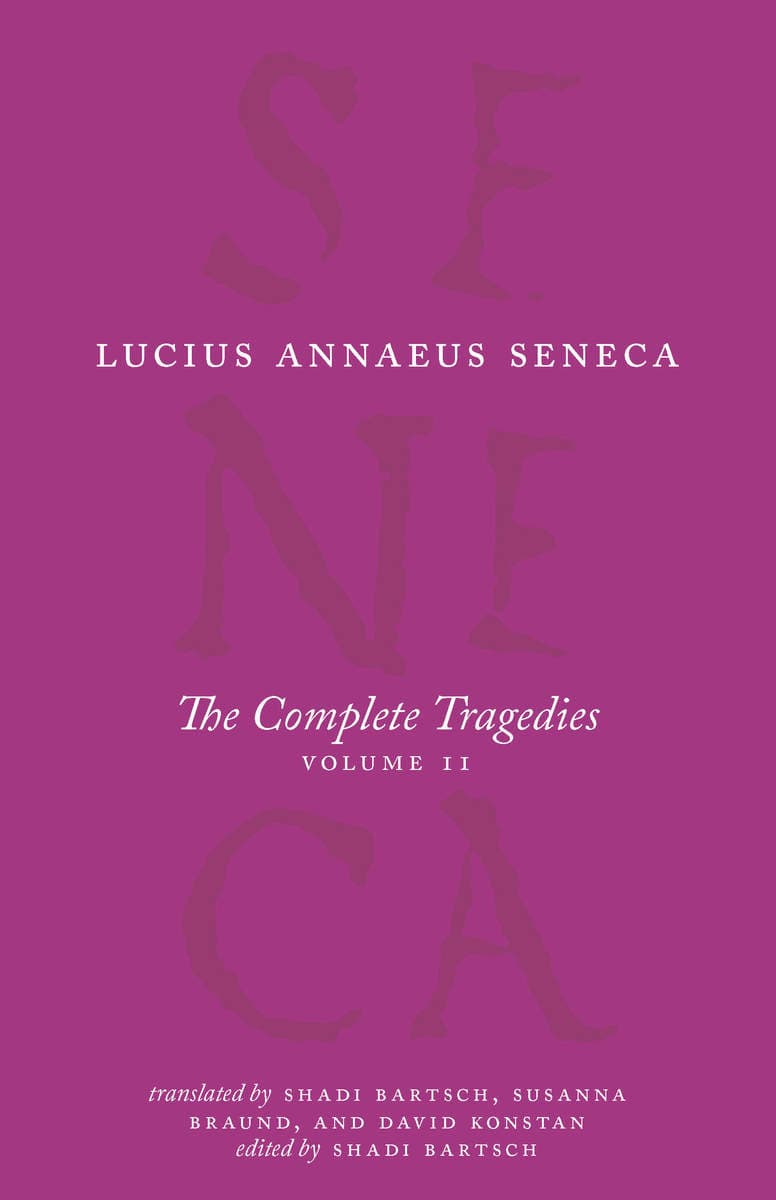
The Complete Tragedies, Volume 2
- Shared ground
- Both books come from Seneca, and they reward attention to voice, social context, and the consequences of mistaken judgment.
- What changes
- On Anger analyzes the moment when an initial disturbance becomes an endorsed desire for punishment. The tragedies stage what happens after that endorsement takes command. Volume 2 is darker, more violent, and less instructional, with Thyestes turning revenge into a spectacle the philosophical essay explicitly teaches readers to resist.
- Best for
- Readers of Roman drama, revenge tragedy, mythic horror, classical reception, and Shakespearean or Jacobean tragedy, especially those willing to read introductions and notes and to treat each play as a separate encounter.
- Pace Balanced
- Darkness Moderate
- Romance Minimal
- Difficulty Moderate
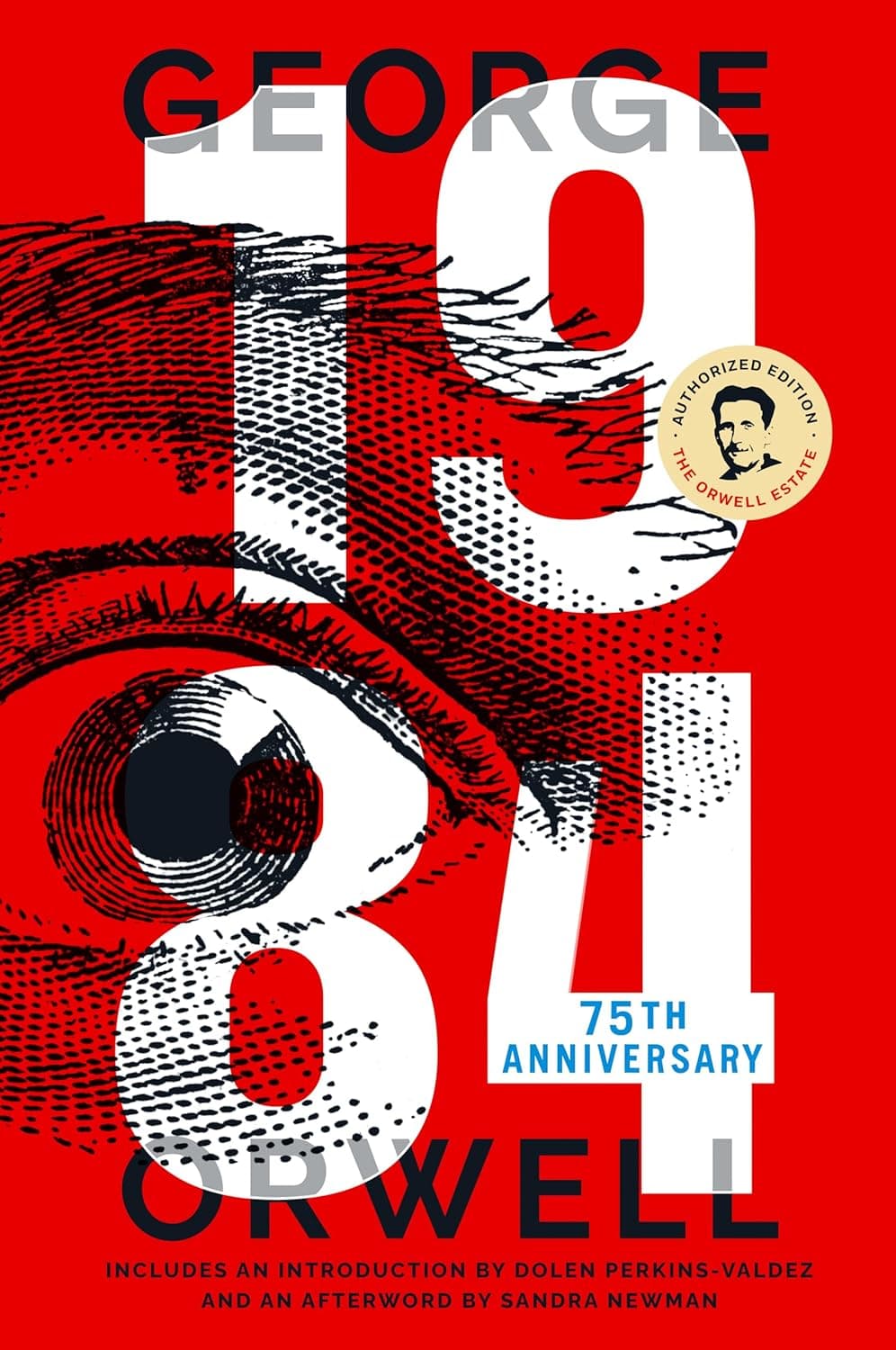
1984
- Shared ground
- Both books treat power as a system of competing interests rather than a single villain.
- What changes
- 1984 dramatizes a state that controls language, memory, and fear from the position of a vulnerable subject. On Clemency speaks directly to the person holding power and asks him to make restraint part of sovereignty. Orwell is the stronger warning; Seneca reveals the compromises inside advice offered near a ruler.
- Best for
- Readers interested in propaganda, surveillance, political language, and dystopias that offer pressure rather than escapism.
- Pace Balanced
- Darkness Moderate
- Romance Minimal
- Difficulty Accessible
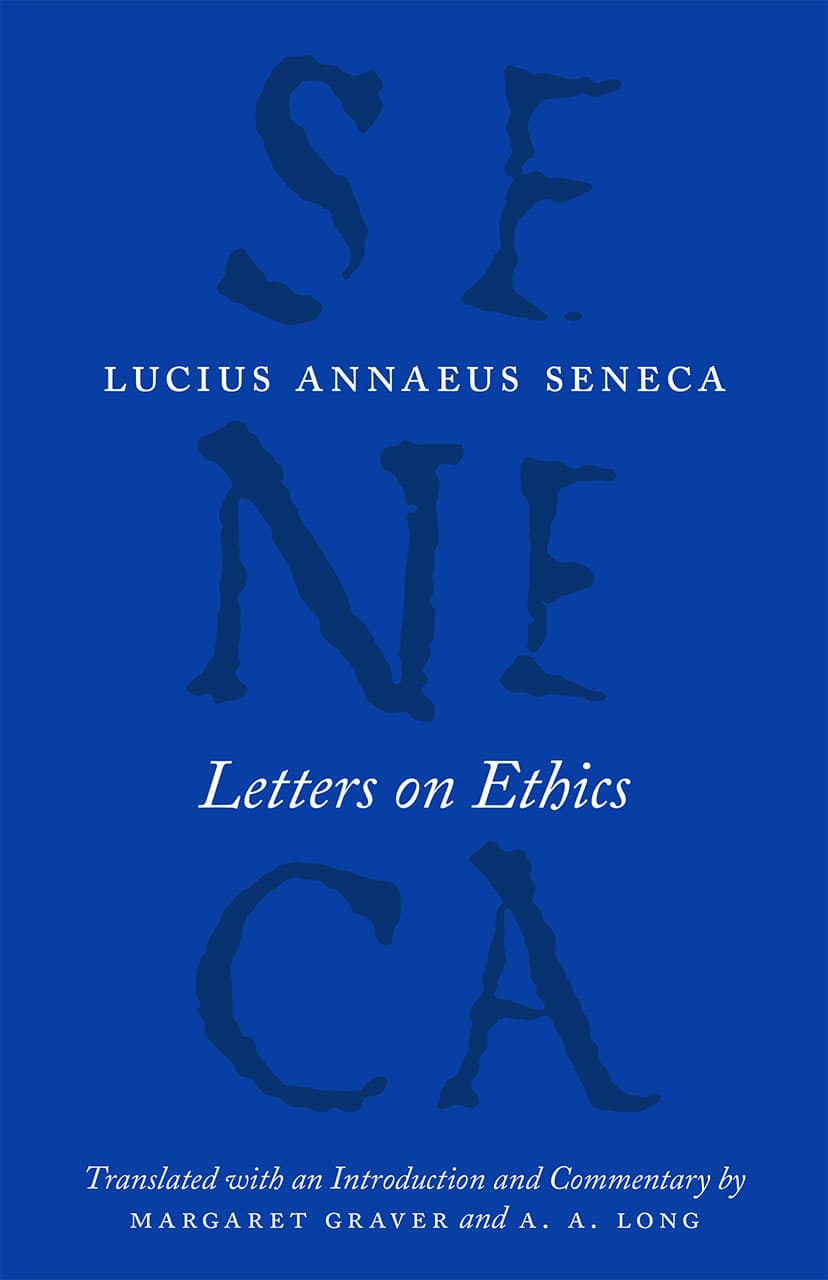
Letters on Ethics
- Shared ground
- Both books come from Seneca, and they build an argument about how to understand the world and how a person should live within it.
- What changes
- Letters on Ethics has a similar overall reading load, but changes the emphasis. Graver and Long provide the full surviving sequence in clear English, with introductions and notes that explain Stoic vocabulary without replacing it.
- Best for
- Readers who want the complete Letters rather than a selection, a sustained introduction to Stoic ethics, Roman daily life, friendship, mortality, education, literary criticism, and enough scholarly support to follow the later technical arguments.
- Pace Measured
- Darkness Moderate
- Romance Minimal
- Difficulty Demanding
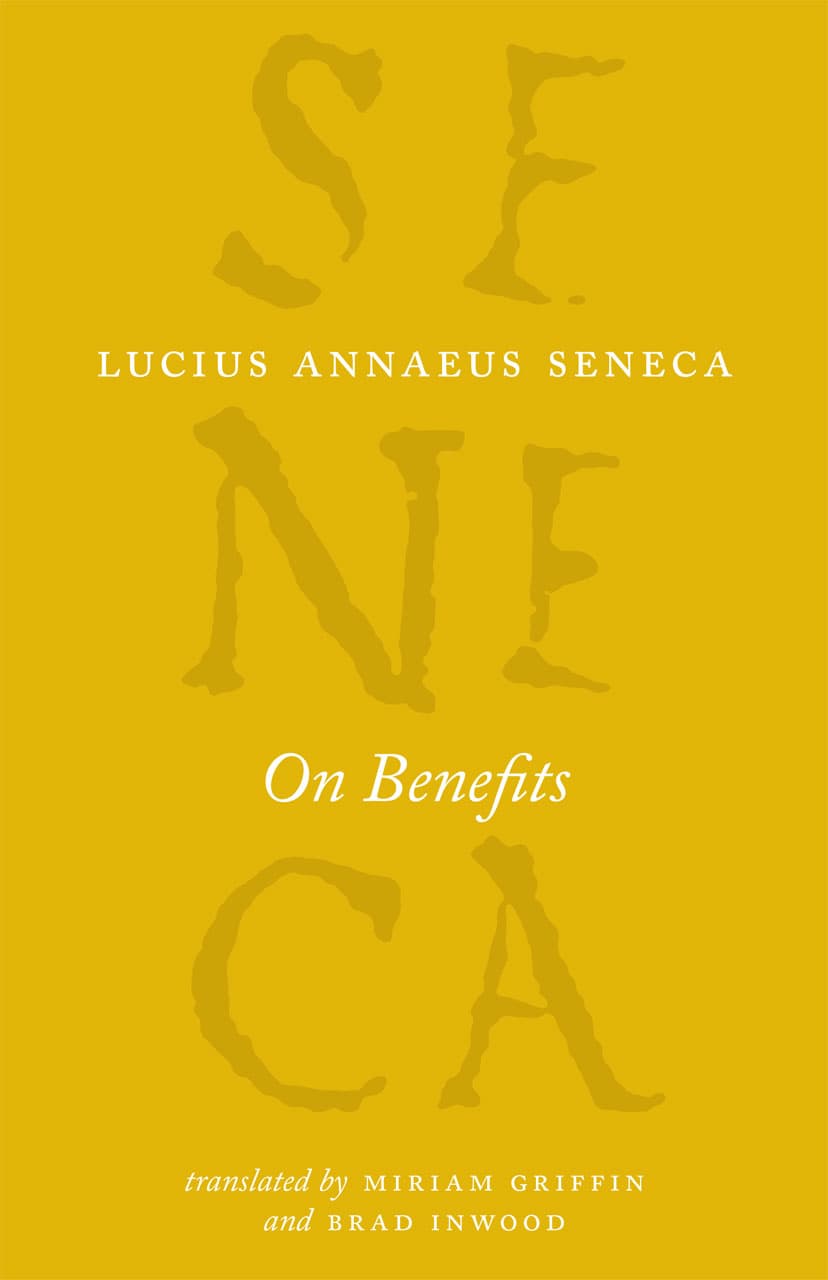
On Benefits
- Shared ground
- Both books come from Seneca, and they build an argument about how to understand the world and how a person should live within it.
- What changes
- On Benefits has a similar overall reading load, but changes the emphasis. Seneca insists that a benefit lies chiefly in the giver's intention rather than the object transferred.
- Best for
- Readers interested in gratitude, generosity, reciprocity, patronage, social obligation, Roman ethics, charitable giving, and a sustained Stoic treatise rather than a short collection of maxims.
- Pace Measured
- Darkness Gentle
- Romance Minimal
- Difficulty Demanding
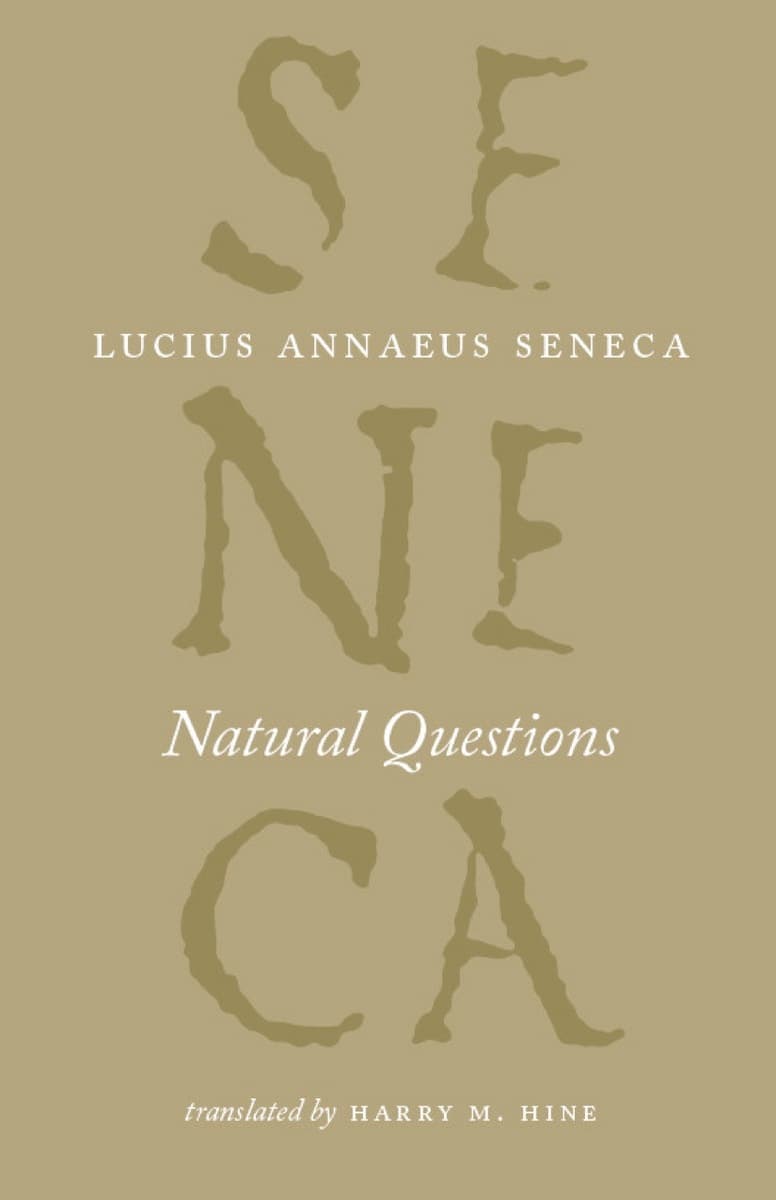
Natural Questions
- Shared ground
- Both books come from Seneca, and they build an argument about how to understand the world and how a person should live within it.
- What changes
- Natural Questions has a similar overall reading load, but changes the emphasis. Harry M.
- Best for
- Readers interested in Stoicism beyond daily maxims, ancient science, environmental description, philosophy of nature, Roman intellectual history, and a translation supported by substantial introductions and notes.
- Pace Measured
- Darkness Gentle
- Romance Minimal
- Difficulty Demanding
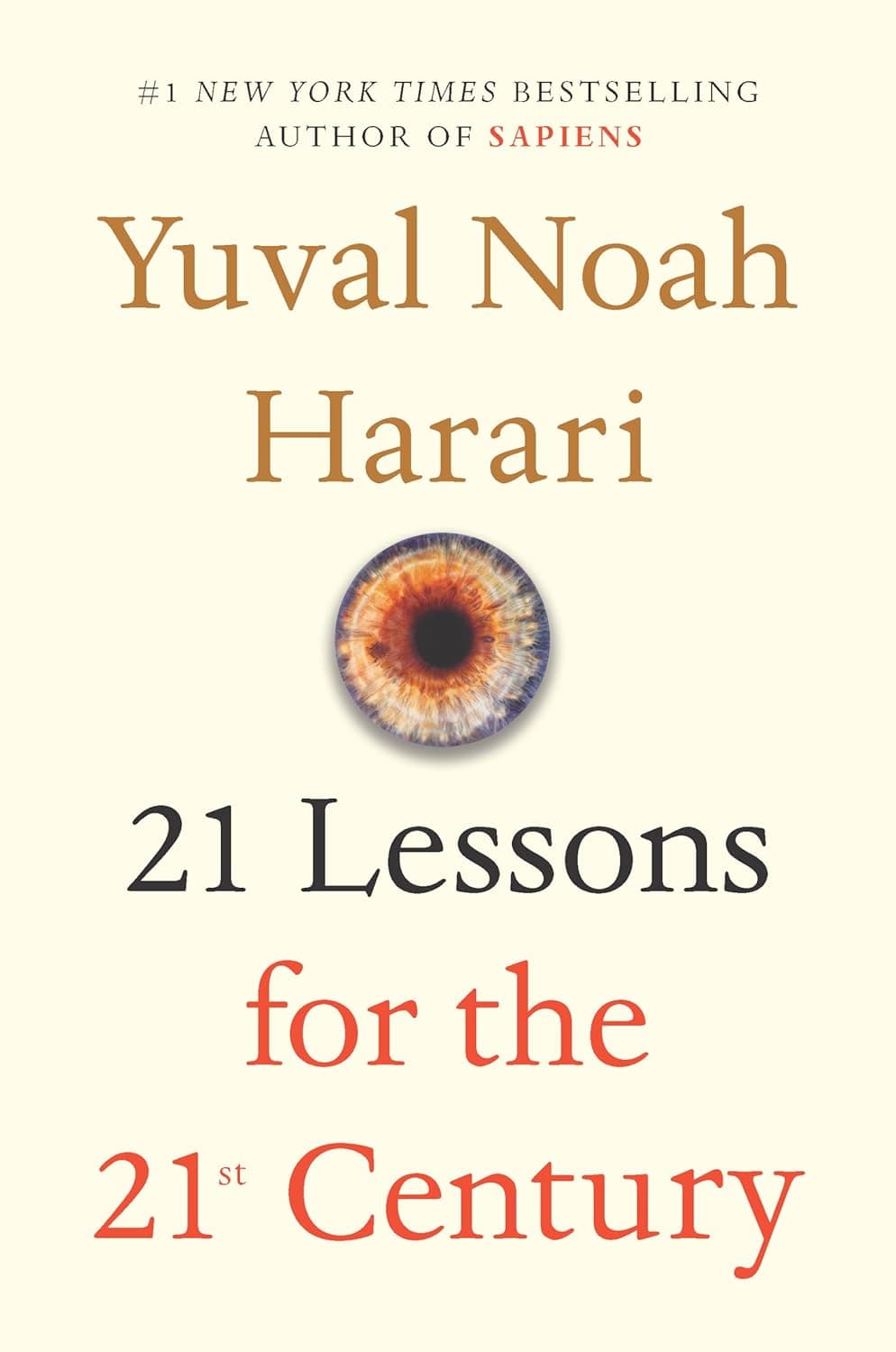
21 Lessons for the 21st Century
- Shared ground
- Both books turn a large subject into an argument intended for general readers.
- What changes
- 21 Lessons for the 21st Century is faster and more accessible at sentence level than Anger, Mercy, Revenge. It still assumes earlier series context. Harari connects technology, nationalism, education, religion, migration, and political confusion in clear chapters that give discussion groups immediate points of entry.
- Best for
- Readers wanting accessible prompts about current global anxieties and comfortable treating the book as a conversation starter.
- Pace Balanced
- Darkness Gentle
- Romance Minimal
- Difficulty Moderate
Yellowface
- Shared ground
- Both books use discomfort and exaggeration to expose the logic of a social system.
- What changes
- Yellowface is faster and easier to enter than Anger, Mercy, Revenge. June's self-justification turns appropriation, envy, marketing, and online punishment into one continuous voice rather than a checklist of publishing controversies.
- Best for
- Readers of literary satire, unreliable narrators, publishing stories, social-media anxiety, cultural appropriation debates, and fast books built for argument.
- Pace Brisk
- Darkness Moderate
- Romance Minimal
- Difficulty Accessible
The Compound
- Shared ground
- Both books use discomfort and exaggeration to expose the logic of a social system.
- What changes
- The Compound is faster, darker, and easier to enter than Anger, Mercy, Revenge. Lily's willingness to remain inside the game prevents easy moral distance, and the exchange of basic necessities for performance turns familiar television rituals into coercion.
- Best for
- Readers of dystopian satire, social horror, reality-TV critique, surveillance fiction, and morally compromised narrators who want an addictive rather than austere novel.
- Pace Balanced
- Darkness Moderate
- Romance Minimal
- Difficulty Accessible
Katabasis
- Shared ground
- Both books use discomfort and exaggeration to expose the logic of a social system.
- What changes
- Katabasis is easier to enter than Anger, Mercy, Revenge. Alice and Peter's rivalry joins intellectual recognition to resentment, while the underworld's competing rules turn academic interpretation into a practical survival skill.
- Best for
- Dark-academia readers who enjoy analytic magic, classical underworlds, footnotes, rivals forced to cooperate, institutional critique, and intellectually dense fantasy.
- Pace Balanced
- Darkness Moderate
- Romance Minimal
- Difficulty Moderate
Side-by-side
Pace, darkness, romance, and difficulty
Use these labels as directional guidance. The individual notes above explain the tradeoffs.
| Book | Pace | Darkness | Romance | Difficulty |
|---|---|---|---|---|
| Anger, Mercy, Revenge | Measured | Gentle | Minimal | Demanding |
| Hardship and Happiness | Measured | Moderate | Minimal | Demanding |
| The Complete Tragedies, Volume 2 | Balanced | Moderate | Minimal | Moderate |
| 1984 | Balanced | Moderate | Minimal | Accessible |
| Letters on Ethics | Measured | Moderate | Minimal | Demanding |
| On Benefits | Measured | Gentle | Minimal | Demanding |
| Natural Questions | Measured | Gentle | Minimal | Demanding |
| 21 Lessons for the 21st Century | Balanced | Gentle | Minimal | Moderate |
| Yellowface | Brisk | Moderate | Minimal | Accessible |
| The Compound | Balanced | Moderate | Minimal | Accessible |
| Katabasis | Balanced | Moderate | Minimal | Moderate |
Keep exploring
Explore another Books Like guide
Start from another familiar book and compare a new set of reading paths.