What to read next

10 books like Natural Questions

Harry M. If that is what you want more of after Natural Questions, these recommendations preserve that appeal in different ways, without pretending every similar book offers the same experience.

Updated July 29, 2026 by the Book Review Guide Editorial Team

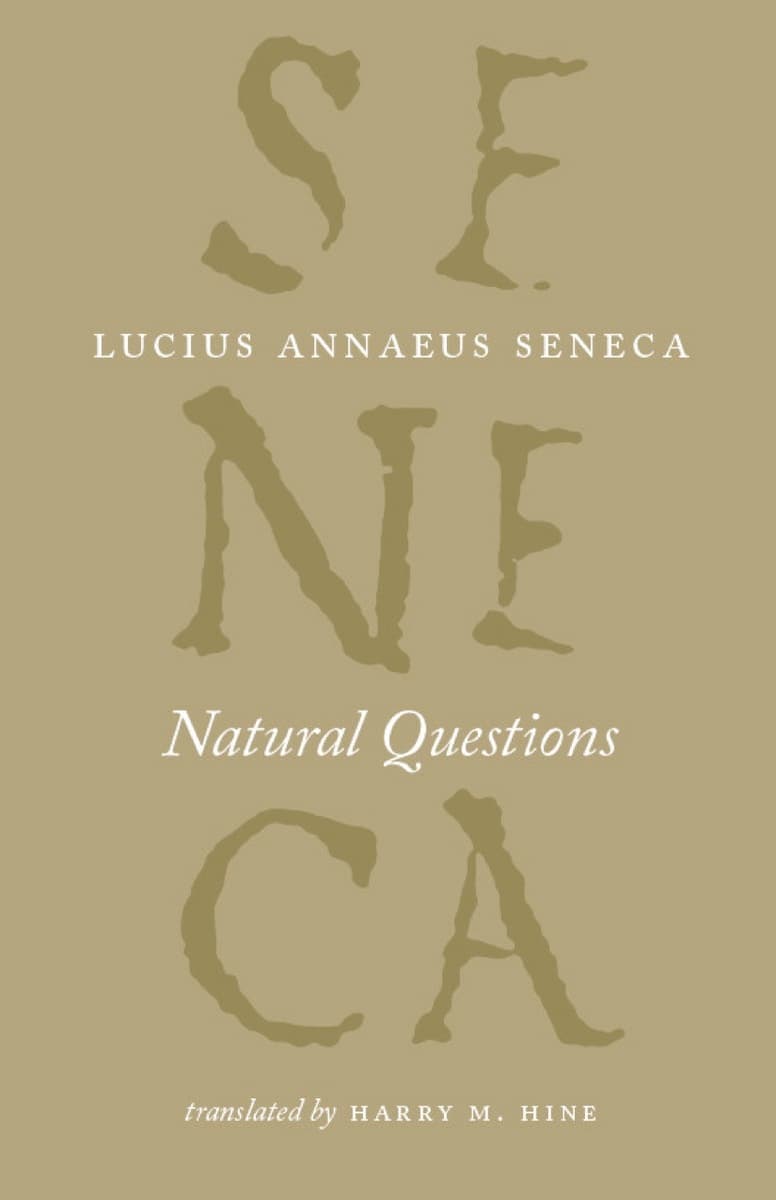
Cover of Natural Questions

Three strong starting points

The quickest way to choose

These are the three recommendations we would consider first, depending on whether you want the closest match, the fastest pace, or a more distinct alternative.

As an Amazon Associate, I earn from qualifying purchases. Read our affiliate disclosure.

Best overall

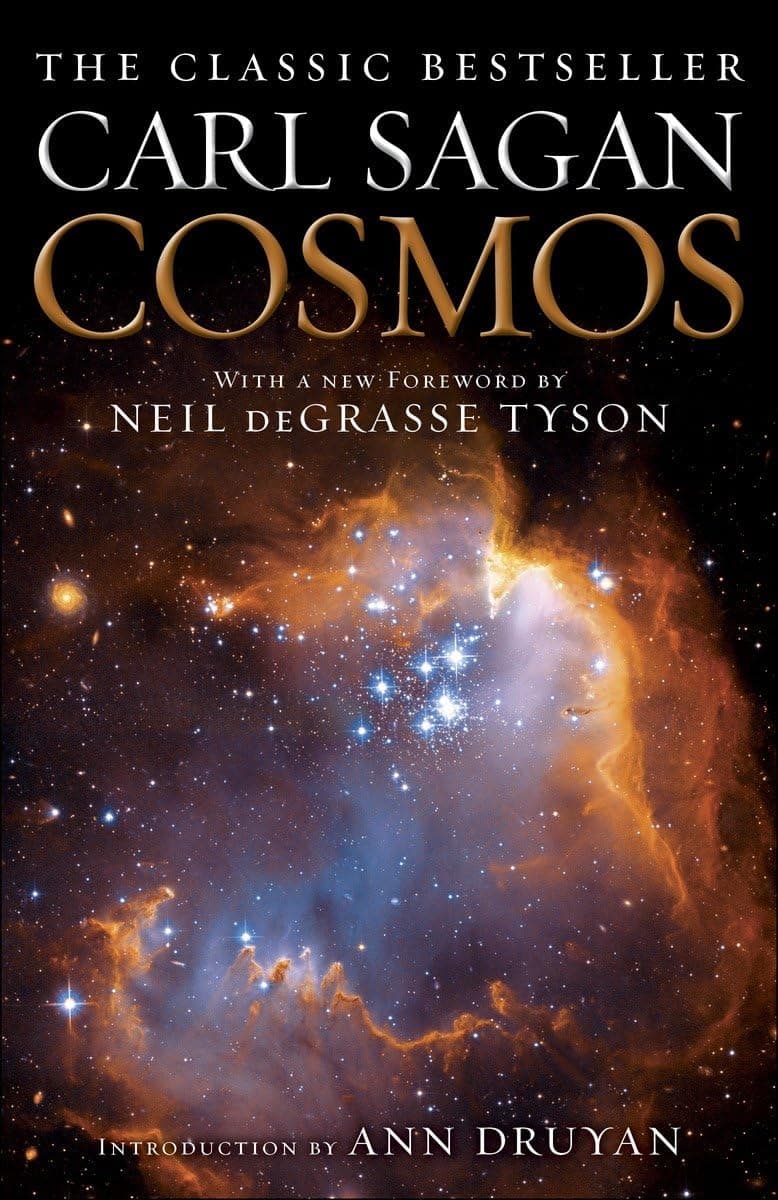
Cosmos

By Carl Sagan

Balanced pace

Both books explain scientific ideas through examples, argument, and narrative.

Best alternative

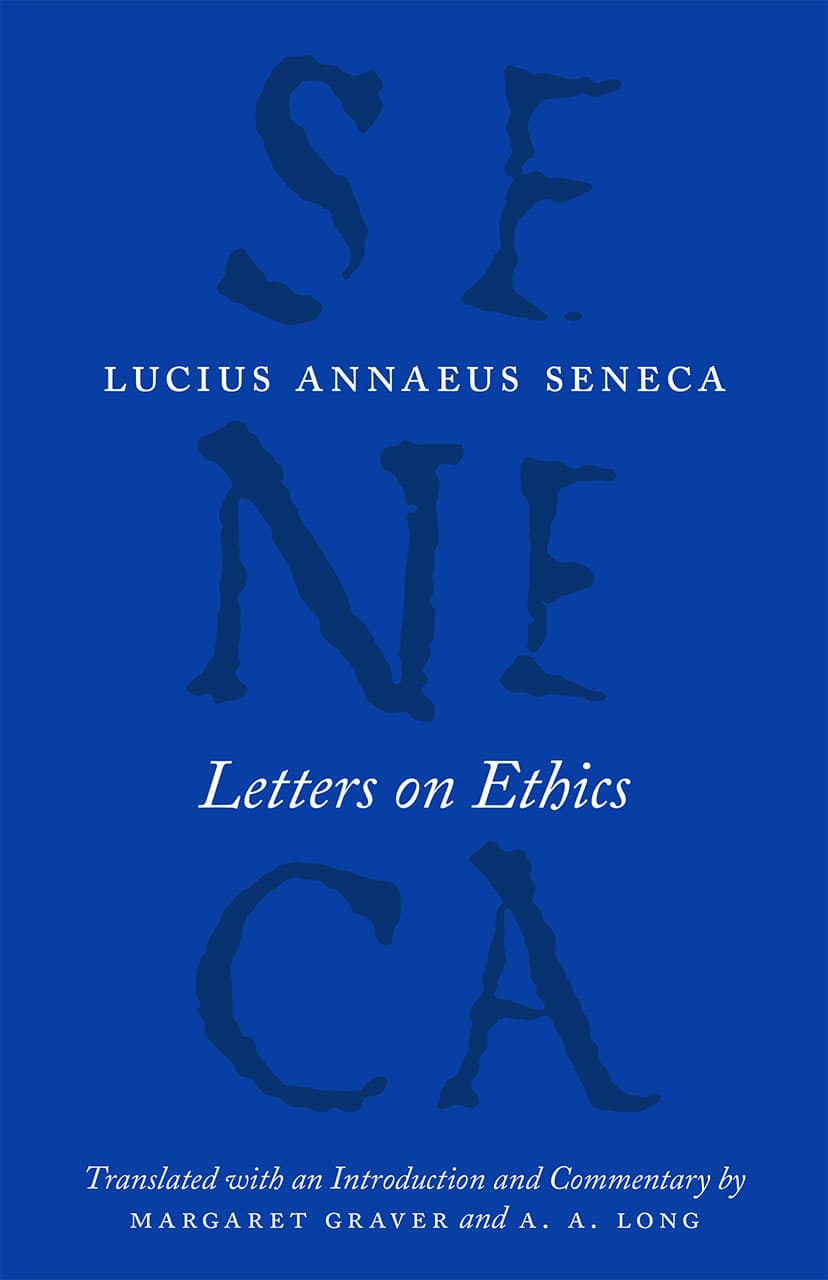
Letters on Ethics

By Seneca

Measured pace

Both books come from Seneca, and they build an argument about how to understand the world and how a person should live within it.

Choose by reading mood

Where to start

For the gentlest option

Cosmos

Gentle

The full shortlist

Why each book belongs here

Each match is judged against Natural Questions, not merely placed beside it because the books share a broad genre label.

1Cover of Cosmos

Cosmos

By Carl Sagan

Shared ground
Both books explain scientific ideas through examples, argument, and narrative.
What changes
Cosmos explains a modern scientific picture through narrative, biography, and visual scale, and is far more reliable as science. Natural Questions shows an earlier thinker working without that evidence while asking a related moral question: whether understanding nature can loosen the grip of fear, vanity, and local human importance.
Best for
Curious general readers and older teens wanting a humane, accessible route into astronomy, scientific history, and cosmic perspective.
  • Pace Balanced
  • Darkness Gentle
  • Romance Minimal
  • Difficulty Accessible
Read the spoiler-free review
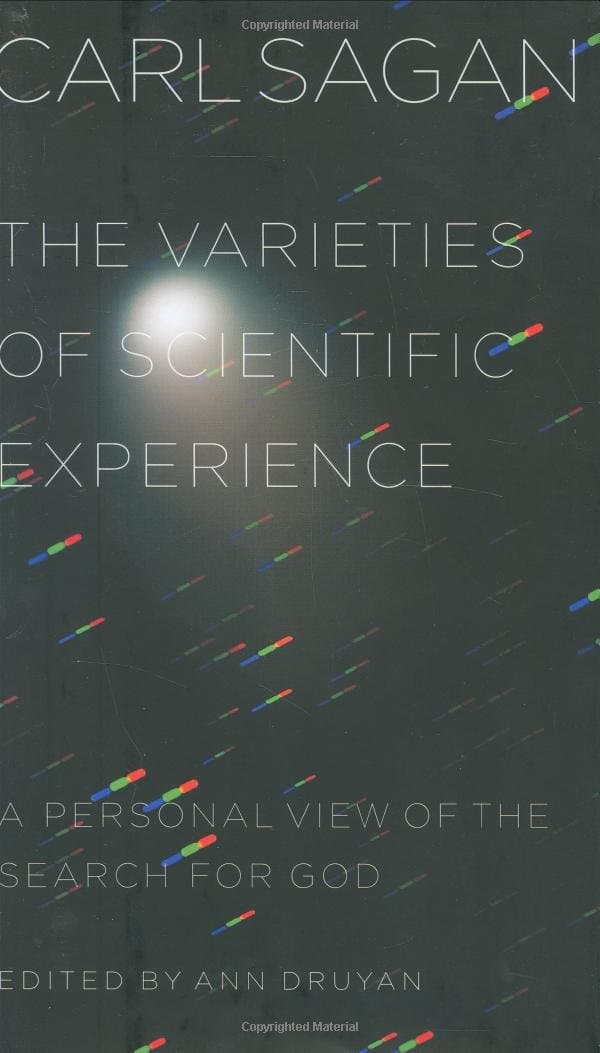
2Cover of The Varieties of Scientific Experience

The Varieties of Scientific Experience

By Carl Sagan

Shared ground
Both books explain scientific ideas through examples, argument, and narrative.
What changes
Sagan separates testable explanation from religious assertion while remaining receptive to awe. Seneca assumes a providential cosmos and treats physical law as part of theology. Read Sagan for modern evidential standards; read Seneca to see science, divinity, and ethics operating inside one ancient philosophical project.
Best for
Readers interested in science, religion, natural theology, and intellectually respectful disagreement.
  • Pace Balanced
  • Darkness Gentle
  • Romance Minimal
  • Difficulty Moderate
Read the spoiler-free review
3Cover of Letters on Ethics

Letters on Ethics

By Seneca

Shared ground
Both books come from Seneca, and they build an argument about how to understand the world and how a person should live within it.
What changes
Letters on Ethics begins with recognizable incidents such as noisy baths, illness, friendship, and wasted time before widening into Stoic doctrine. Natural Questions begins with rivers, weather, and the heavens. Choose the Letters for daily practice and personal voice, this volume for physics and cosmic perspective.
Best for
Readers who want the complete Letters rather than a selection, a sustained introduction to Stoic ethics, Roman daily life, friendship, mortality, education, literary criticism, and enough scholarly support to follow the later technical arguments.
  • Pace Measured
  • Darkness Moderate
  • Romance Minimal
  • Difficulty Demanding
Read the spoiler-free review
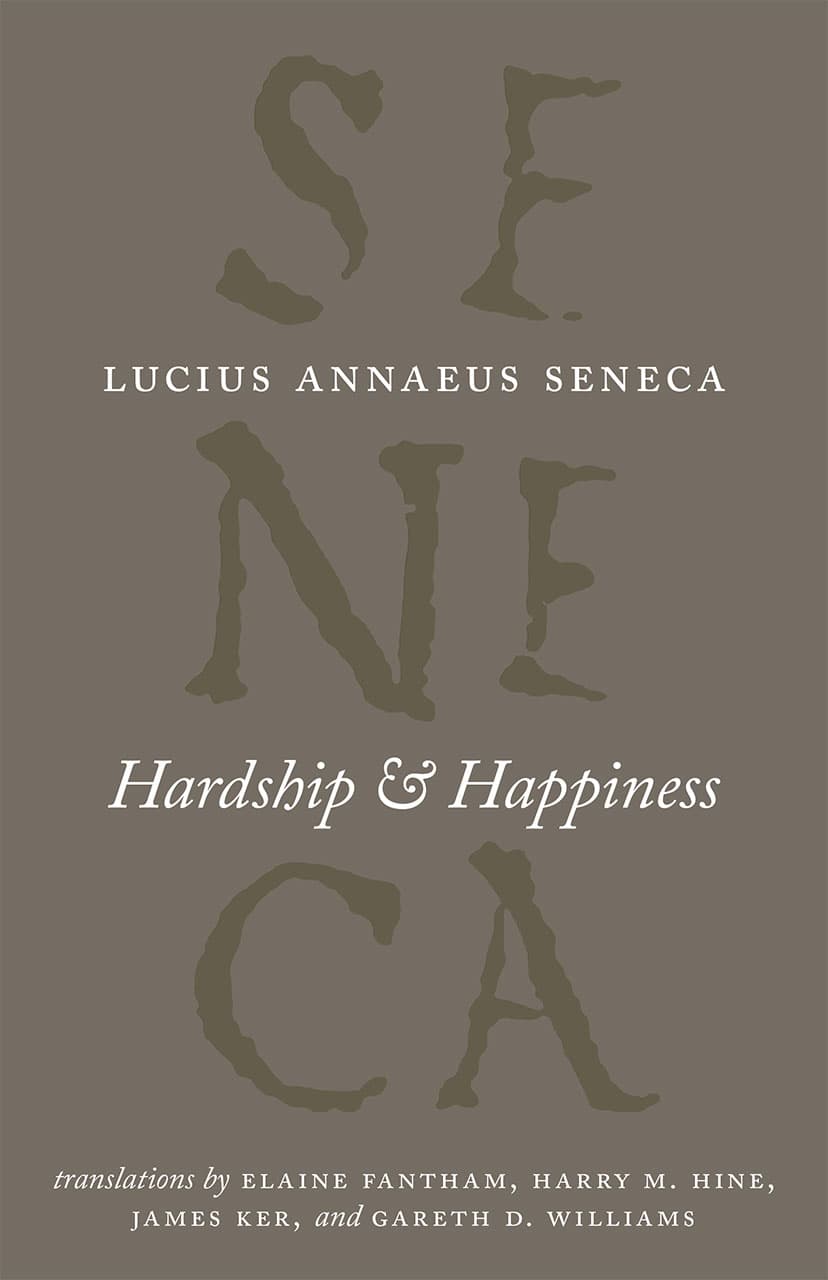
4Cover of Hardship and Happiness

Hardship and Happiness

By Seneca

Shared ground
Both books come from Seneca, and they build an argument about how to understand the world and how a person should live within it.
What changes
Hardship and Happiness has a similar overall reading load, but changes the emphasis. The range is exceptional.
Best for
Readers new to Seneca, students seeking complete essays rather than selections, and anyone interested in grief, exile, time, tranquility, leisure, happiness, adversity, and the tension between Stoic principle and political life.
  • Pace Measured
  • Darkness Moderate
  • Romance Minimal
  • Difficulty Demanding
Read the spoiler-free review
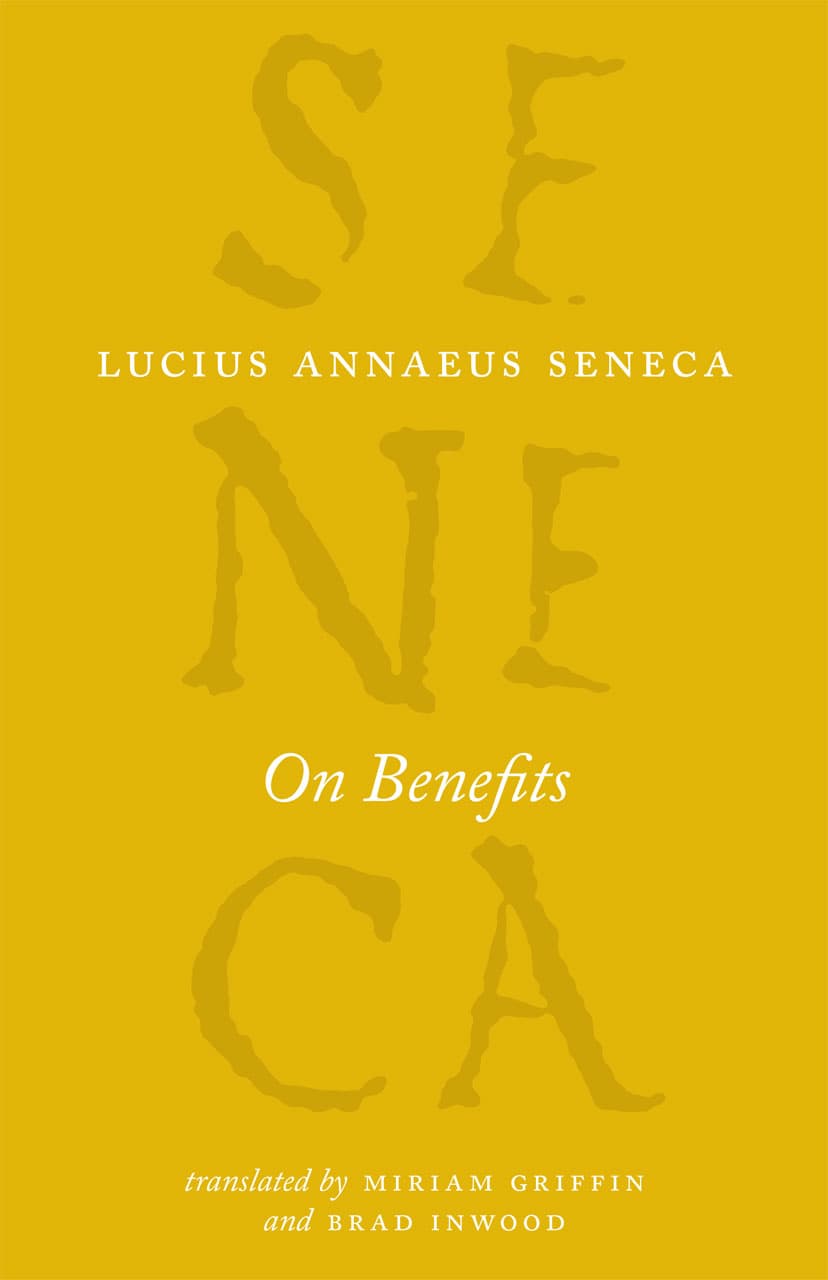
5Cover of On Benefits

On Benefits

By Seneca

Shared ground
Both books come from Seneca, and they build an argument about how to understand the world and how a person should live within it.
What changes
On Benefits has a similar overall reading load, but changes the emphasis. Seneca insists that a benefit lies chiefly in the giver's intention rather than the object transferred.
Best for
Readers interested in gratitude, generosity, reciprocity, patronage, social obligation, Roman ethics, charitable giving, and a sustained Stoic treatise rather than a short collection of maxims.
  • Pace Measured
  • Darkness Gentle
  • Romance Minimal
  • Difficulty Demanding
Read the spoiler-free review
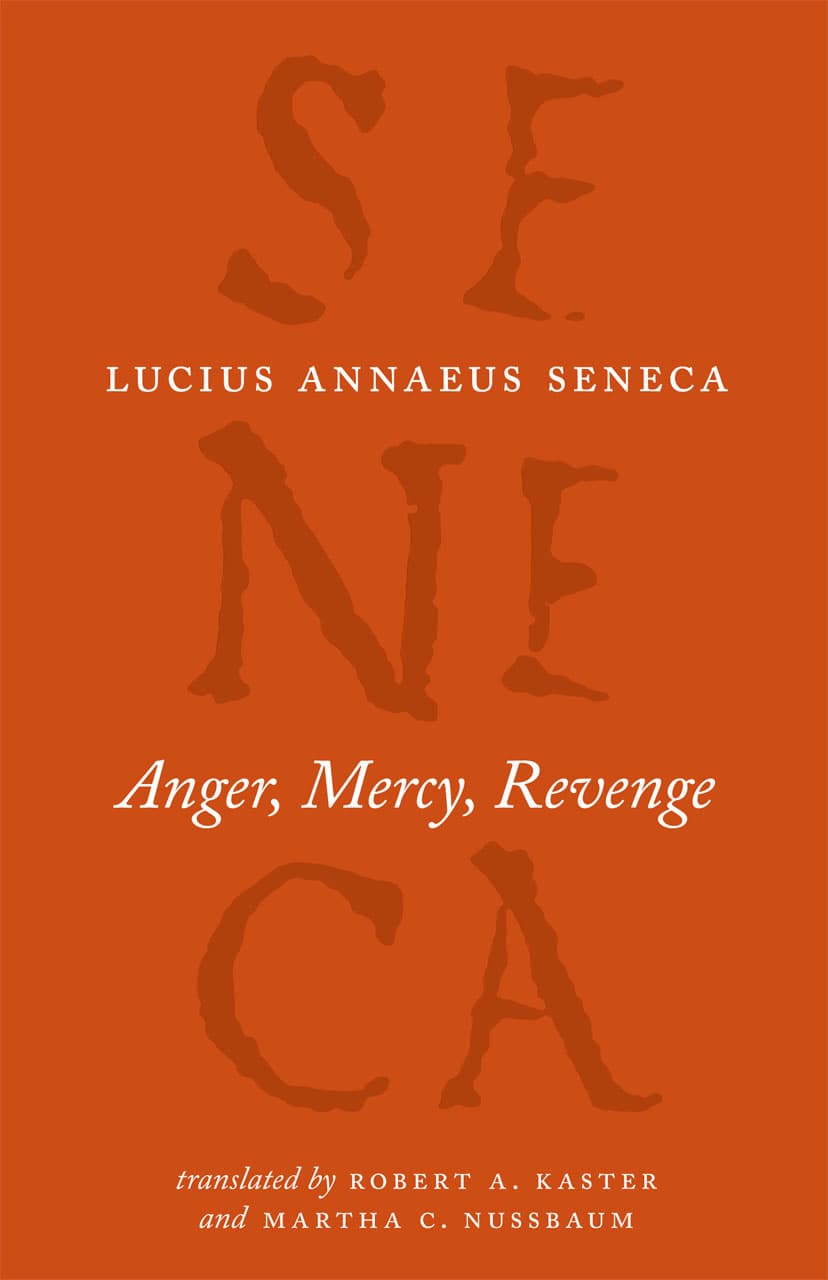
6Cover of Anger, Mercy, Revenge

Anger, Mercy, Revenge

By Seneca

Shared ground
Both books come from Seneca, and they build an argument about how to understand the world and how a person should live within it.
What changes
Anger, Mercy, Revenge has a similar overall reading load, but changes the emphasis. On Anger distinguishes the first involuntary shock from the judgment that authorizes retaliation, giving the collection its most useful psychological claim.
Best for
Readers interested in anger management as moral psychology, Roman political power, the ethical limits of punishment, Nero and Claudius, philosophical contradiction, and satire that complicates the collection's stated principles.
  • Pace Measured
  • Darkness Gentle
  • Romance Minimal
  • Difficulty Demanding
Read the spoiler-free review
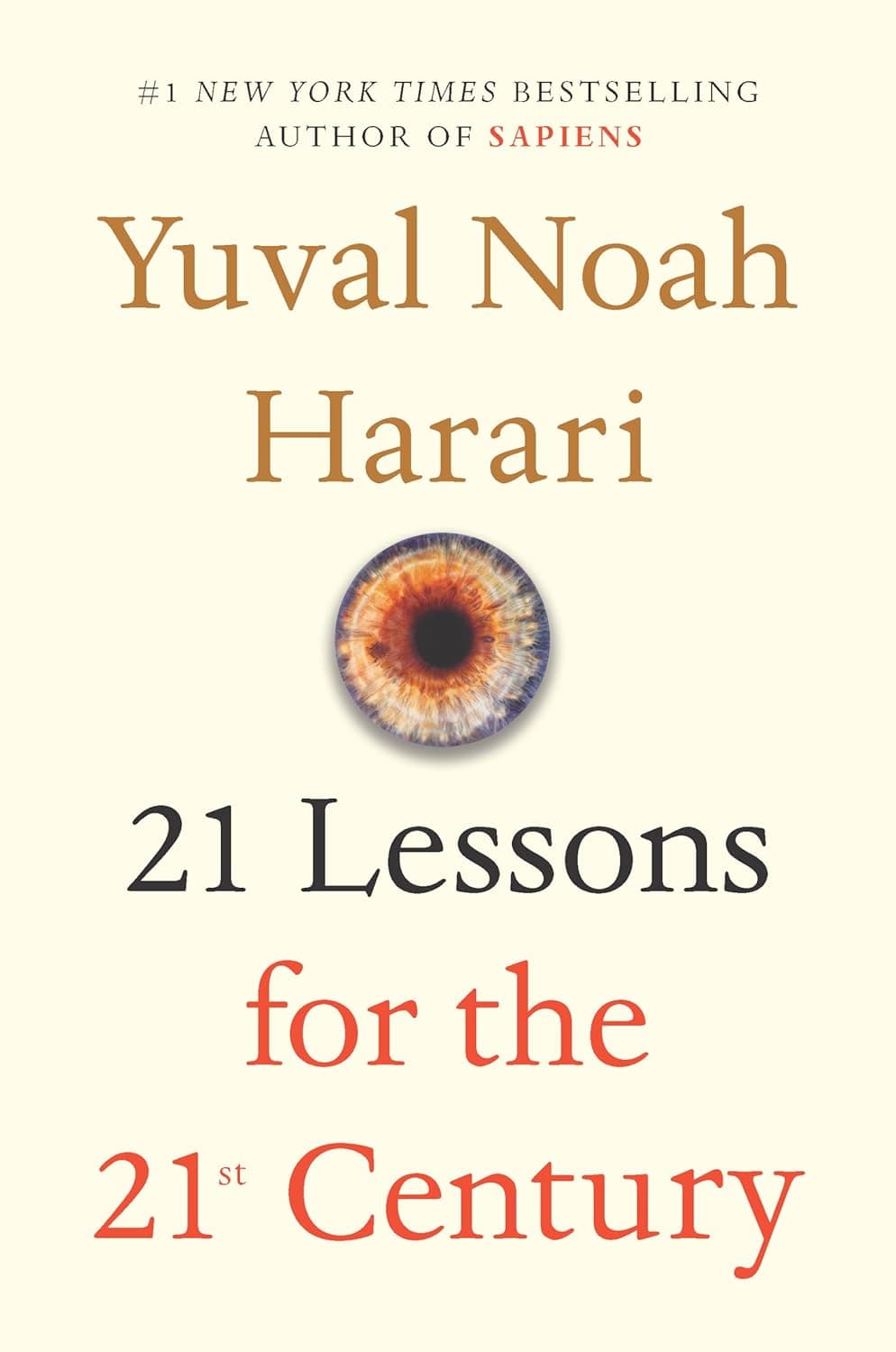
7Cover of 21 Lessons for the 21st Century

21 Lessons for the 21st Century

By Yuval Noah Harari

Shared ground
Both books explain scientific ideas through examples, argument, and narrative.
What changes
21 Lessons for the 21st Century is faster and more accessible at sentence level than Natural Questions. It still assumes earlier series context. Harari connects technology, nationalism, education, religion, migration, and political confusion in clear chapters that give discussion groups immediate points of entry.
Best for
Readers wanting accessible prompts about current global anxieties and comfortable treating the book as a conversation starter.
  • Pace Balanced
  • Darkness Gentle
  • Romance Minimal
  • Difficulty Moderate
Read the spoiler-free review
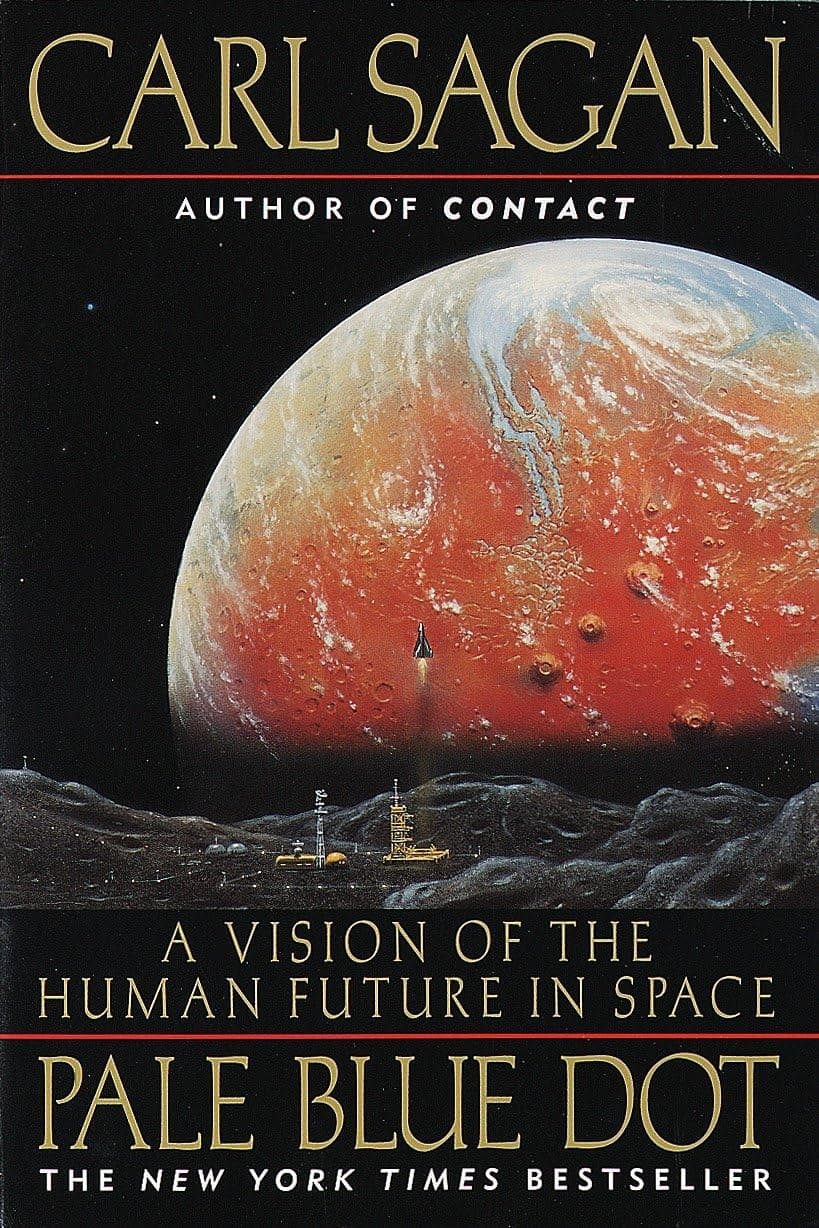
8Cover of Pale Blue Dot

Pale Blue Dot

By Carl Sagan

Shared ground
Both books explain scientific ideas through examples, argument, and narrative.
What changes
Pale Blue Dot has a similar overall reading load, but changes the emphasis. Sagan connects spacecraft history and planetary science to political perspective, asking what exploration is for rather than treating technical achievement as self-justifying.
Best for
Readers interested in space exploration, planetary science, and the moral implications of seeing Earth as one vulnerable world.
  • Pace Balanced
  • Darkness Gentle
  • Romance Minimal
  • Difficulty Moderate
Read the spoiler-free review
9Cover of The Selfish Gene

The Selfish Gene

By Richard Dawkins

Shared ground
Both books explain scientific ideas through examples, argument, and narrative.
What changes
The Selfish Gene is easier to enter than Natural Questions. Dawkins uses replicators, vehicles, kin selection, and game strategies to make difficult evolutionary reasoning accessible without removing the underlying mechanism.
Best for
General readers ready for a substantial, argument-driven introduction to evolution from the gene's-eye view.
  • Pace Balanced
  • Darkness Gentle
  • Romance Minimal
  • Difficulty Moderate
Read the spoiler-free review
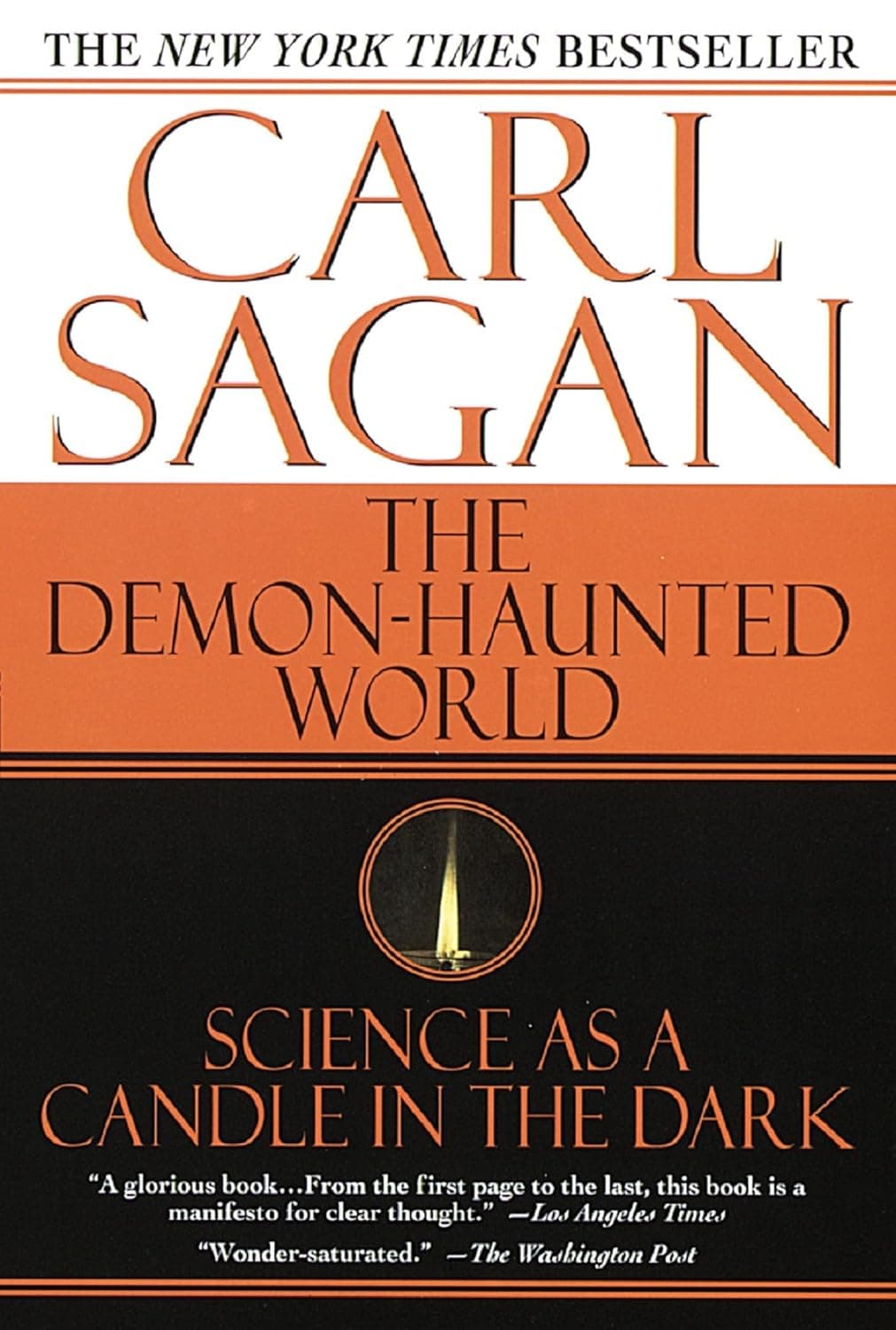
10Cover of The Demon-Haunted World

The Demon-Haunted World

By Carl Sagan

Shared ground
Both books explain scientific ideas through examples, argument, and narrative.
What changes
The Demon-Haunted World is easier to enter than Natural Questions. The baloney-detection kit turns scientific habits into questions ordinary readers can use when confronting extraordinary claims, advertising, or political manipulation.
Best for
Readers wanting practical critical-thinking tools and a patient response to misinformation, pseudoscience, and scientific illiteracy.
  • Pace Balanced
  • Darkness Gentle
  • Romance Minimal
  • Difficulty Accessible
Read the spoiler-free review

Side-by-side

Pace, darkness, romance, and difficulty

Use these labels as directional guidance. The individual notes above explain the tradeoffs.

BookPaceDarknessRomanceDifficulty
Natural QuestionsMeasuredGentleMinimalDemanding
CosmosBalancedGentleMinimalAccessible
The Varieties of Scientific ExperienceBalancedGentleMinimalModerate
Letters on EthicsMeasuredModerateMinimalDemanding
Hardship and HappinessMeasuredModerateMinimalDemanding
On BenefitsMeasuredGentleMinimalDemanding
Anger, Mercy, RevengeMeasuredGentleMinimalDemanding
21 Lessons for the 21st CenturyBalancedGentleMinimalModerate
Pale Blue DotBalancedGentleMinimalModerate
The Selfish GeneBalancedGentleMinimalModerate
The Demon-Haunted WorldBalancedGentleMinimalAccessible

Keep exploring

Explore another Books Like guide

Start from another familiar book and compare a new set of reading paths.