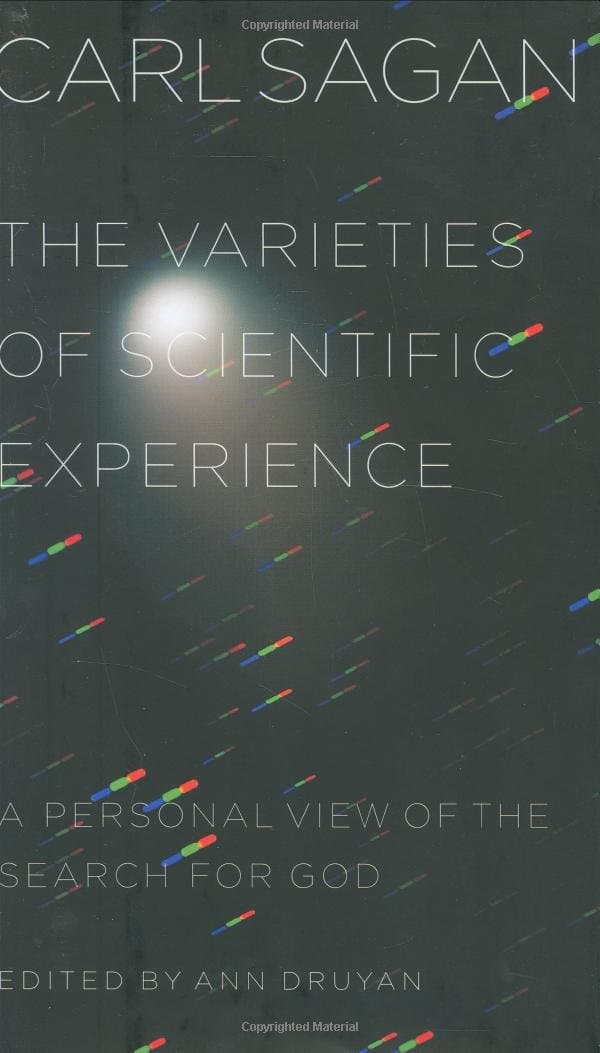
Should you read The Varieties of Scientific Experience?
What works
Sagan takes theological questions seriously while showing how cosmic scale, evolution, and the history of evidence alter the terms in which they can be asked.
What may not work for you
The lectures overlap, visuals are not always reproduced ideally, and the argument responds more fully to natural theology than to lived or non-Western religious traditions.
What may test your patience
Several sessions revisit scale and design before advancing the discussion; reading one lecture at a time suits the material better than treating it as a continuous narrative.
Does the ending reward the effort?
The question-and-answer material closes the exchange openly rather than decisively, which fits a book committed to inquiry over conversion.
Reading The Varieties of Scientific Experience closely
The Varieties of Scientific Experience collects Carl Sagan's 1985 Gifford Lectures into a single volume about science, religion, and wonder. It reads like a thoughtful series of talks in which Sagan examines classic arguments for God through the lens of modern cosmology and biology.
Sagan works through design arguments, miracles, and personal experiences of faith while explaining what astronomy, evolution, and the search for extraterrestrial intelligence can and cannot say about ultimate questions. He is firm about evidence but careful not to mock sincere believers, which gives the book a calm and respectful tone.
The result is a kind of field guide to big questions for readers who value both curiosity and skepticism. Sagan argues that scientific understanding can deepen awe rather than reduce it and that education and open discussion are some of the best tools we have against dogmatism.
If you want Sagan's broadest introduction, start with Cosmos. Pale Blue Dot turns cosmic perspective toward exploration and human responsibility, while this book stays with science, religion, and awe. Use the Best Carl Sagan Book to Start With guide to choose among them.
Lecture format and accessibility
The book collects Sagan's 1985 Gifford Lectures, so the prose remains conversational and approachable, but the sessions revisit scale and design arguments rather than forming a continuous narrative.
Read one lecture at a time if repeated arguments or uneven depth make a straight-through reading feel heavier. The subject is focused on science, religion, and natural theology rather than a general survey like Cosmos.
A fit for focused Sagan readers
Choose it if science and religion are the reason you opened Sagan, especially if you want respectful disagreement rather than a polemic. Skip it if you want the broad narrative journey of Cosmos, the planetary future of Pale Blue Dot, or practical skepticism tools from The Demon-Haunted World.
Three useful comparisons
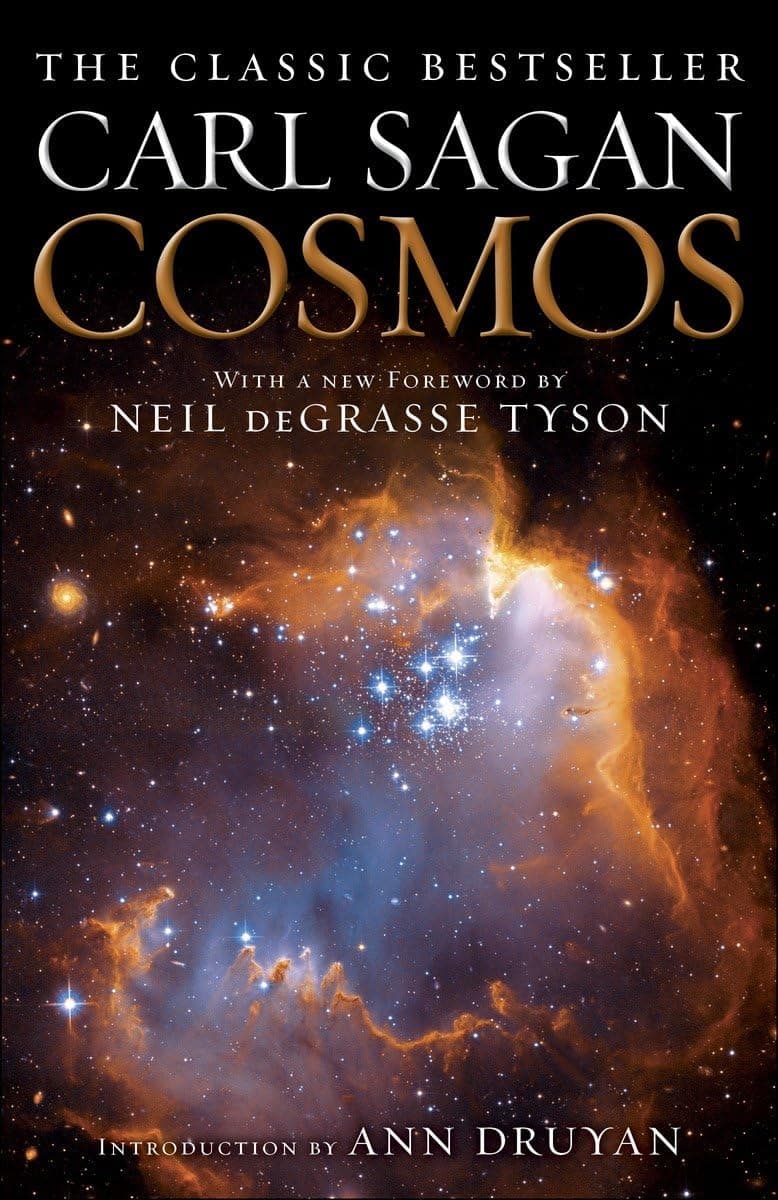
Cosmos
Cosmos is broader, more visual, and designed as a cohesive journey through science and history. Varieties is a lecture sequence with repeated arguments and a narrower focus on natural theology. Choose Cosmos first unless science and religion are already the reason you opened Sagan.
Best for: Curious general readers and older teens wanting a humane, accessible route into astronomy, scientific history, and cosmic perspective.
As an Amazon Associate, I earn from qualifying purchases.
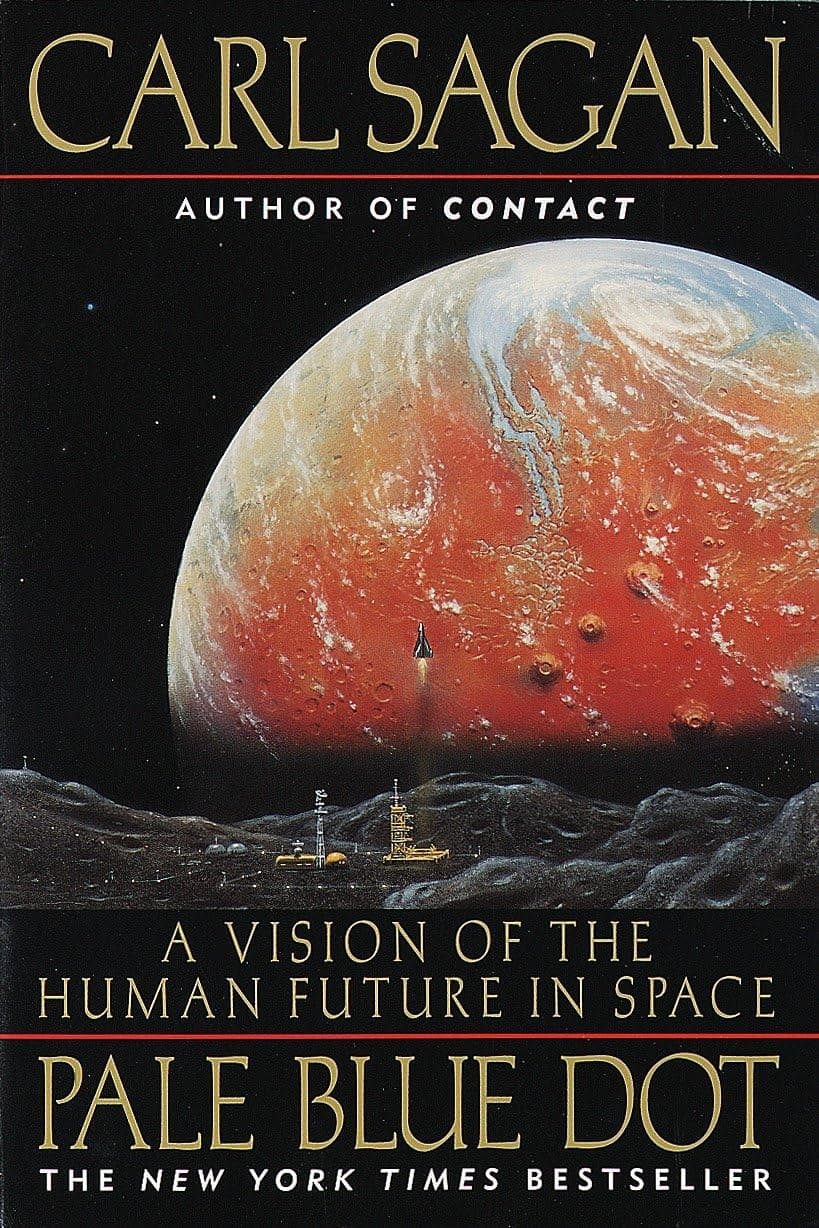
Pale Blue Dot
Pale Blue Dot begins with Earth's place in the Solar System and turns cosmic perspective toward exploration and human responsibility. Choose it for planetary futures; choose Varieties for the narrower boundary between scientific evidence and religious or theological claims.
Best for: Readers interested in space exploration, planetary science, and the moral implications of seeing Earth as one vulnerable world.
As an Amazon Associate, I earn from qualifying purchases.
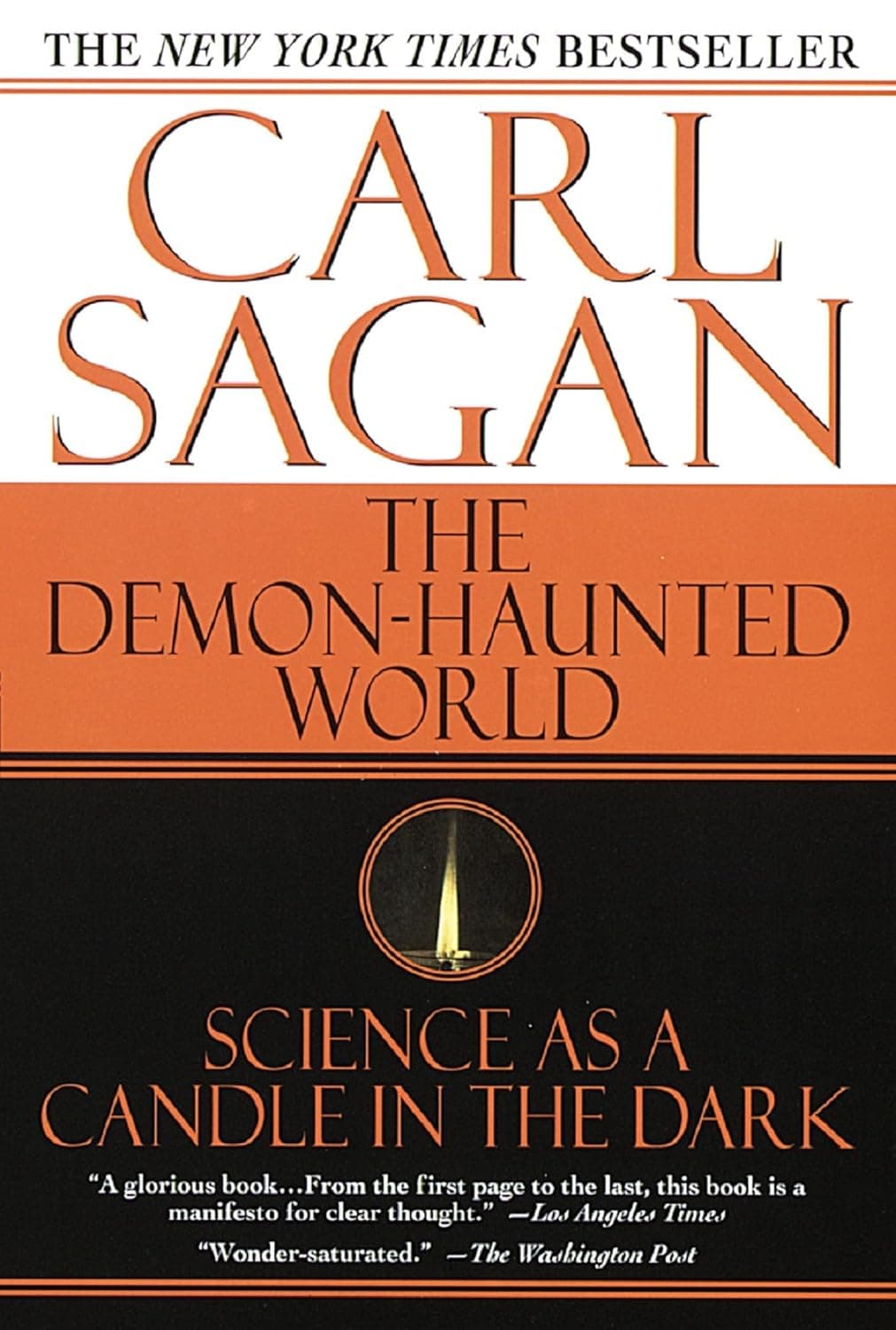
The Demon-Haunted World
The Demon-Haunted World is more practical and argumentative about evaluating extraordinary claims and resisting pseudoscience. Choose it for skeptical tools; choose Varieties for Sagan's sustained engagement with natural theology, awe, and the limits of what science can answer.
Best for: Come for practical critical-thinking tools and a patient response to misinformation, pseudoscience, and scientific illiteracy.
As an Amazon Associate, I earn from qualifying purchases.
Make the next decision