Portrait of Stephen King

Author profile

Stephen King: books, reviews, and where to start

Stephen King writes horror from the social texture of ordinary American life, making supernatural danger persuasive because work, addiction, marriage, childhood, money, and community already carry pressure.

Born 1947science fiction writer

Biography and criticism

The storyteller who knows the town before the monster

King's output is vast, but his durable method is intimate: establish how people speak and what they need, then let horror discover the weakness they were already living beside.

Teaching, rejection slips, and Carrie

Stephen King was born in Maine in 1947, raised largely by his mother after his father left, and developed an early attachment to horror, pulp, film, and storytelling. He studied at the University of Maine, worked various jobs, taught English, and wrote around family financial pressure. Carrie, rescued from the trash by his wife Tabitha after he doubted the draft, was published in 1974 and changed the family's circumstances.

The early novels arrived with extraordinary force: Salem's Lot, The Shining, The Stand, The Dead Zone, and Firestarter. King also published as Richard Bachman, partly to release more work and partly to test whether success belonged only to the name. His career later included serious addiction, recovery, a near-fatal road accident, and continued work across novels, stories, nonfiction, crime, fantasy, and serial forms.

Character before explanation

The Shining works because the Overlook Hotel does not invent Jack Torrance's resentment, addiction, or violence. It recognizes and enlarges them. King often builds horror this way. The town in It, the community in Salem's Lot, and the social collapse of The Stand possess relationships before the supernatural mechanism takes control.

His prose is conversational, culturally specific, digressive, and willing to enter many minds. The same generosity can produce swollen middles and endings that cannot equal the accumulated dread. Yet his attention to work and money keeps terror material. On Writing is the best route into his craft and life; The Shining the concentrated horror entrance; The Stand for maximal scale. King's greatest influence comes from proving that popular storytelling can be excessive, intimate, funny, and morally alert at once.

The ordinary room before the impossible event

King's supernatural fiction usually earns its force by first making the ordinary environment socially exact. A hotel contains work routines and a family's financial pressure before it contains impossible rooms. A town has school hierarchies, local grudges, and adult evasions before the monster becomes visible. This foundation allows horror to recruit existing weakness rather than arriving as an unrelated visitor.

His narrators move easily between close interior fear and the storytelling voice of someone recalling what a community says happened. The generosity of that attention creates memorable secondary lives, though it also contributes to books that wander and endings that sometimes struggle to equal the accumulation. The Shining demonstrates the method at its best. The Overlook magnifies Jack's addiction, resentment, and appetite for recognition; it does not invent them. Danny's perception gives the threat another scale, while Wendy's practical choices resist the idea that insight alone saves a family. King's enduring accessibility comes from putting the impossible inside pressures readers already recognize.

The books in context

How the work develops on the page

These notes connect the biography to specific choices in the books. Each title links to the full spoiler-free review.

This review of The Shining by Stephen King sets up the premise without giving away the key twists: a family takes a winter caretaking job at the isolated Overlook Hotel, where old ghosts, addiction, and psychic dread slowly tear at their sense of safety.

King builds the world through long corridors, locked rooms, and parties that feel both glamorous and wrong. Readers who want to chase the feeling beyond the novel can explore the real world inspiration behind haunted hotels using guides like Haunted Rooms.

The horror works because the characters feel real. Jack's fear of relapse, Wendy's determination to protect her family, and Danny's shining visions are drawn with empathy, so each supernatural event echoes a very human struggle with anger, fear, and responsibility.

If you are in the mood for a classic haunted hotel story, you can add The Shining to your horror shelf and check our psychological horror recommendations for similar novels that mix ghosts with family drama.

King moves freely among Jack, Wendy, and Danny, often letting a repeated phrase enter one viewpoint before its source is understood. Parentheses and fragments give intrusive thoughts a separate pressure inside otherwise plain prose.

King keeps the family triangle emotionally legible. Jack's shame and entitlement, Wendy's fear and resolve, and Danny's sensitivity make the haunting inseparable from addiction and domestic danger.

The novel overexplains some psychic and historical connections, and its length allows several ominous patterns to repeat after their meaning is clear.

The hotel's backstory expands through files, memories, and visions before the family crisis fully breaks. The material deepens the Overlook, but some episodes delay the sharper conflict already visible among the Torrances.

Yes. The climax brings the hotel's physical systems, Jack's buried tenderness, and Danny's understanding together, making the payoff more emotionally specific than a simple haunted-house escape.

Dracula spreads its threat across documents and a group of hunters. The Shining is more psychologically enclosed, making one family's existing wounds the route through which the supernatural enters.

The Hollow Places uses humor and friendship to offset portal horror in a small museum. Choose it for a quicker, stranger adventure; choose The Shining for sustained domestic pressure.

The Road also centers a father and child under extreme threat, but removes most supernatural explanation and domestic history. It is leaner, colder, and less interested in a corrupting place.

Horror fans looking for haunted hotel stories that build dread gradually instead of relying only on jump scares.

Book clubs comparing King novels or analysing how the Overlook Hotel functions as a symbol for generational trauma.

Pair the novel with essays or memoirs on addiction recovery to discuss how personal struggle shapes Jack's behaviour.

A family caretaking the Overlook Hotel faces isolation, addiction, and psychic dread in Stephen King's landmark psychological horror novel.

Read the complete review

Where to begin

A good place to start with Stephen King

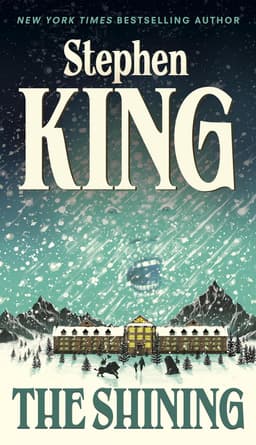
Cover of The Shining
Our highest-rated review

The Shining

4.5 / 5

The Shining works because the Overlook does not create Jack Torrance's weaknesses; it studies them, flatters them, and gives them somewhere to grow.

Reading order and buying help

Reading guides featuring Stephen King

Reading dataReading pace by genreReading dataDarkest genres

Bibliography

Books by Stephen King

Reviewed titles open directly on Book Review Guide. Other editions and works remain marked until a full review is published.

Cover unavailable

Not reviewed yet

Laurie

Cover unavailable

Not reviewed yet

Throttle

Bibliographic records: Open Library.

Reviewed bibliography

Stephen King books reviewed here

Every title below has a complete, spoiler-free review. Scores are our editorial ratings, not visitor averages.

Cover of The Shining

20124.5 / 5

The Shining

Psychological Horror Classic Review

The Shining works because the Overlook does not create Jack Torrance's weaknesses; it studies them, flatters them, and gives them somewhere to grow.

Read the review
See current formats on Amazon

As an Amazon Associate, I earn from qualifying purchases.