Historical fiction reading order
Kingsbridge Books in Order: Publication Order vs Historical Timeline
Kingsbridge spans roughly eight centuries, but it is not one family saga that requires a strict timeline. Publication order lets the world widen as Follett designed it. Chronological order is a satisfying second journey through the town.
Best first-time order
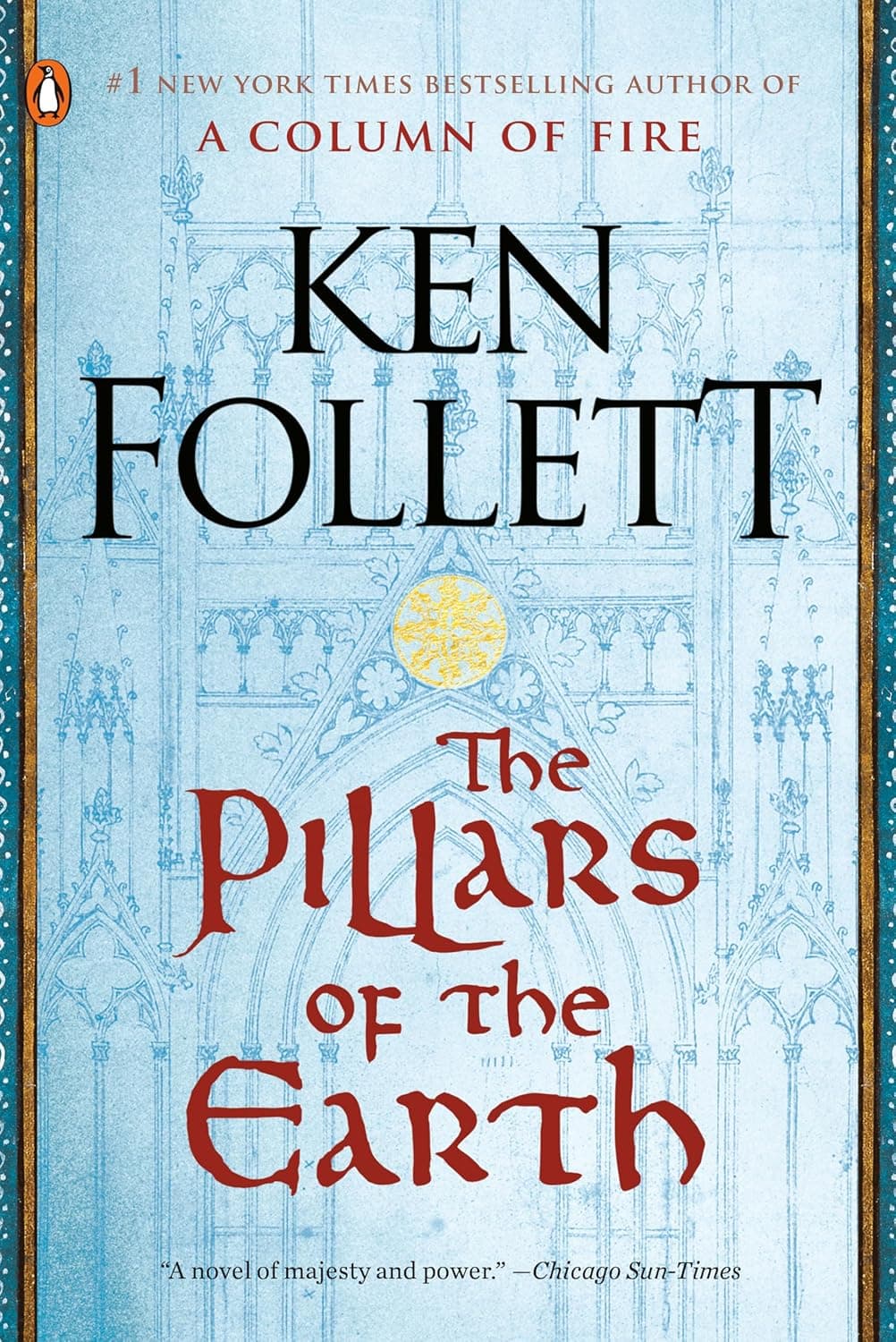
Begin with The Pillars of the Earth and follow publication order
Read The Pillars of the Earth, World Without End, A Column of Fire, The Evening and the Morning, and The Armour of Light. Historical chronology instead begins with The Evening and the Morning, then proceeds through Pillars, World Without End, Column, and Armour. The novels take place generations apart and each introduces a new cast, so chronology is not required for comprehension. Publication order is better for a first read because The Evening and the Morning was written as a return to the origins of a place readers already knew.
The Kingsbridge label can suggest five volumes of one uninterrupted plot. The actual connection is a town, its institutions, recurring human conflicts, and the long material consequences of how people build, trade, worship, govern, and work. Centuries pass between major entries. A child from one novel is not waiting as an elderly narrator in the next. New readers therefore have a real choice between watching Follett's fictional craft develop by publication date and watching Kingsbridge itself develop by historical date.
Publication order begins with the cathedral novel that created the setting. Later books widen the same questions through plague, religious conflict, industrialization, and political change. The Evening and the Morning, published fourth, then goes back to 997 and shows the unstable settlements and ambitions that precede the familiar town. Chronological order produces a cleaner civic timeline, but it asks a prequel to introduce a world whose emotional resonance was designed to depend on recognition.
Recommended publication order
Five Kingsbridge novels, each built for a different century
Dates below describe first publication and broad historical setting. Edition titles may use the British spelling Armour or the American spelling Armor for the fifth book.
1
The Pillars of the Earth
Published 1989, set in the twelfth century
The building of a cathedral ties craft, faith, sex, violence, inheritance, and political upheaval to the fortunes of people who need Kingsbridge to become something larger. Architecture is not scenery. Materials, labor, financing, and design create goals that can survive one character's immediate crisis. Follett's broad cast and emphatic villains make it highly readable despite the length.
Why read it here: Start here because it establishes why Kingsbridge matters. It also provides the clearest test of whether Follett's scale and direct dramatic method suit you.
2
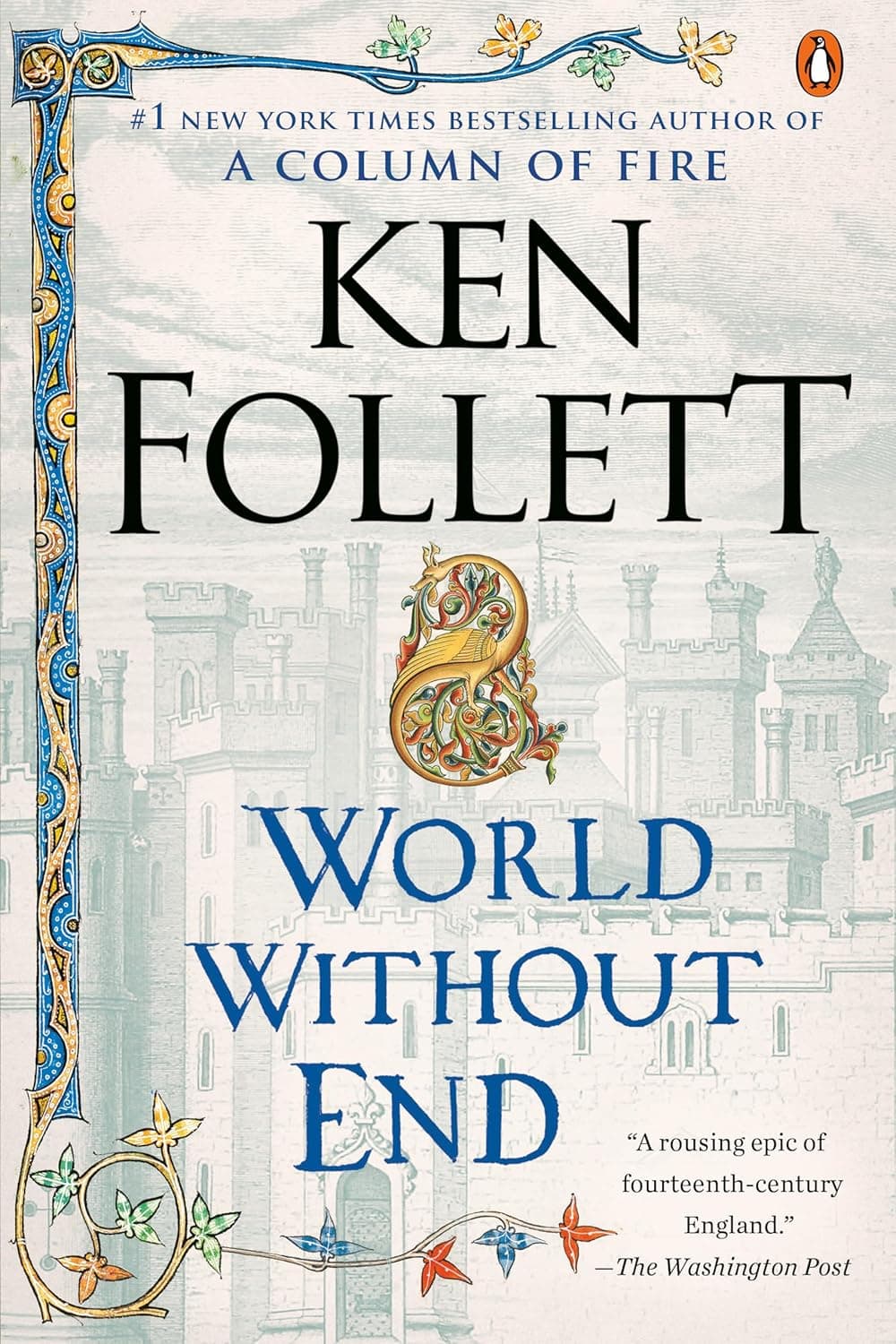
World Without End
Published 2007, set in the fourteenth century
Two centuries later, the town faces new builders, merchants, medical limits, social restrictions, and the Black Death. The cast is new enough that a reader could enter here, but the return to familiar institutions carries more force after Pillars. Progress becomes contested practical knowledge: how to build, treat illness, organize labor, and resist authorities invested in older answers.
Why read it here: Read second for the strongest echo between generations. The plague material is central, so readers sensitive to prolonged illness and mass death should plan accordingly.
3
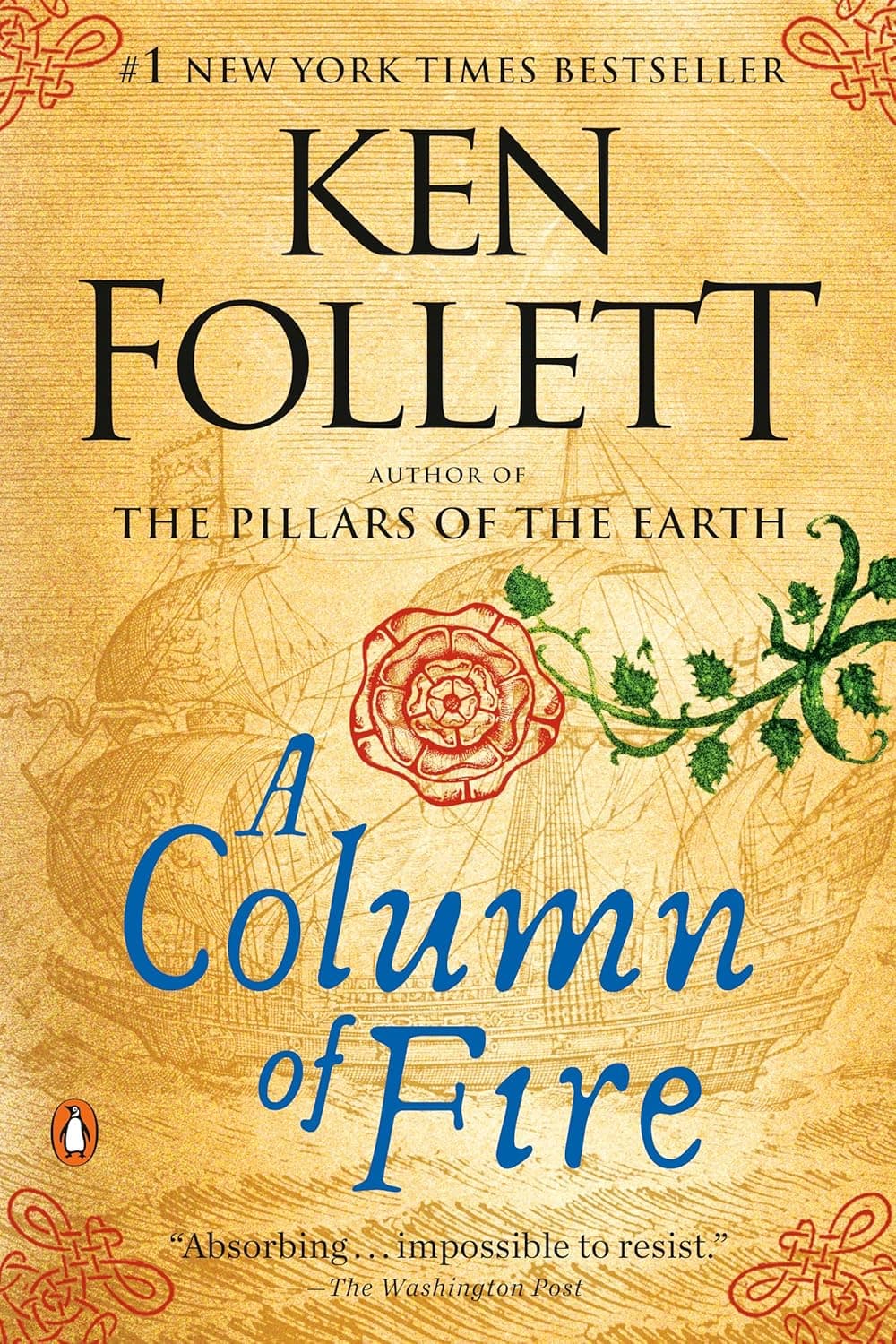
A Column of Fire
Published 2017, beginning in 1558
Religious conflict, espionage, monarchy, trade, and international travel move the series beyond the town more decisively. Kingsbridge remains an anchor, but the political network stretches across countries and courts. Readers who loved the physical process of cathedral construction may find less of that specific pleasure; readers interested in intelligence work and competing loyalties receive a wider field.
Why read it here: Read third because it continues the publication-era expansion of what a Kingsbridge novel can contain, even as the new century resets the cast.
4
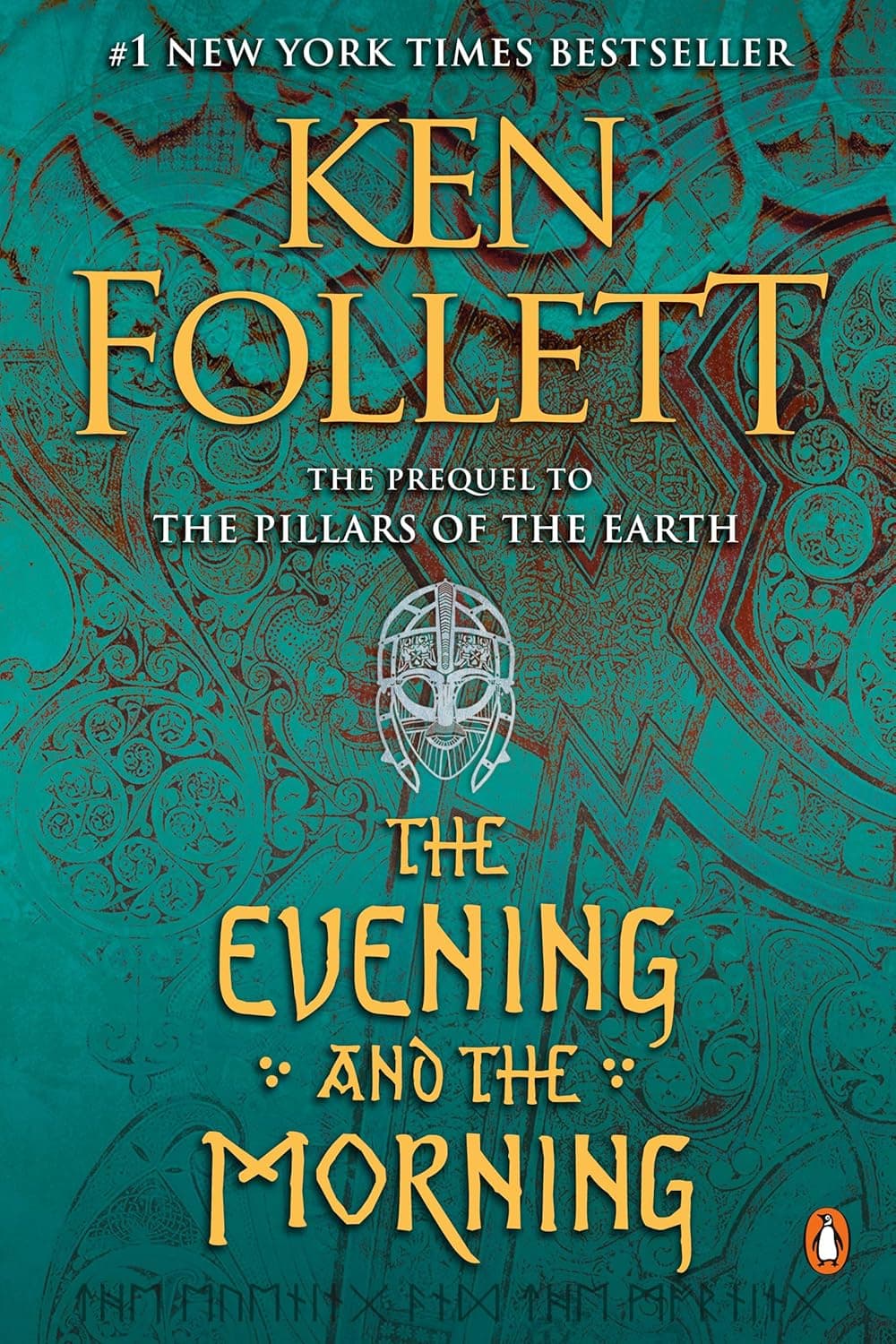
The Evening and the Morning
Published 2020, beginning in 997
The prequel enters a violent, politically fragmented England before the cathedral and familiar civic identity. A boatbuilder, a Norman noblewoman, and a monk struggle against local power while raids and lawlessness shape what stable community can mean. Follett describes the novel as ending where The Pillars of the Earth begins, but the connection is historical and thematic rather than one seamless handoff of protagonists.
Why read it here: Read fourth on a first pass so the origins answer questions created by the later town. Place it first only when chronological development is your chosen focus.
5
The Armour of Light
Published 2023, beginning in 1792
Industrial change, machinery, labor conflict, revolution, and war transform the conditions under which ordinary people work and organize. The book moves the series into the modernizing pressures around the Napoleonic era and is the latest published Kingsbridge entry. Its concerns feel far from medieval cathedral building, but the contest over who controls production remains recognizably connected.
Why read it here: Read last in either sensible order. It is both the latest publication and the latest historical period, so the two sequences reunite here.
Two routes through eight centuries
Publication order versus historical chronology
Both routes are coherent because the casts reset. The choice changes which kind of development becomes visible first.
| Position | Publication order | Historical order | Historical focus |
|---|---|---|---|
| 1 | The Pillars of the Earth | The Evening and the Morning | Origins and medieval construction |
| 2 | World Without End | The Pillars of the Earth | Cathedral town and civil conflict |
| 3 | A Column of Fire | World Without End | Plague, medicine, and trade |
| 4 | The Evening and the Morning | A Column of Fire | Reformation, espionage, and monarchy |
| 5 | The Armour of Light | The Armour of Light | Industry, labor, revolution, and war |
Can you start with The Evening and the Morning?
Yes. It is first chronologically, introduces its own cast, and does not assume plot knowledge from the later centuries. A reader who strongly prefers historical chronology can begin there without becoming confused. The move also creates a long sequence in which settlement, cathedral, commerce, religion, and industry appear to develop forward.
The cost is resonance. A prequel often turns recognition into part of the reading pleasure, and Follett wrote this one after three Kingsbridge novels. Beginning with Pillars allows the prequel's rough world to answer the question of what existed before the place readers value. That reversal carries more emotional force than a tidy date line.
Do the Kingsbridge books need to be read in order?
Not for plot comprehension. Generational gaps mean each novel builds a new group of heroes, antagonists, workers, clergy, merchants, and political actors. A Column of Fire can be understood by someone who has never read about Tom Builder. The Armour of Light does not require a detailed family tree reaching back to 997.
Order still adds value because the town becomes a long memory. Buildings, institutions, and repeated conflicts over labor and authority feel more substantial when they have been encountered in another century. Read the one period that excites you if a five-book commitment is stopping you from starting at all. Then return to Pillars if you want the shared foundation.
Which Kingsbridge book is the best standalone purchase?
The Pillars of the Earth remains the safest choice. It contains the setting's defining construction project, has a complete central arc, and demonstrates Follett's mixture of technical process and broad melodrama. Its length is substantial, but it does not ask the reader to reserve satisfaction for another volume.
World Without End is the alternative for readers primarily interested in plague, medicine, and the practical struggle between observation and authority. The Evening and the Morning works for those drawn to the turn of the first millennium. Choose by historical interest rather than assuming the latest book is the most accessible.
What changes across the series
The constant is not one bloodline. It is the pressure between people who can make something work and people whose authority depends on controlling whether that work is recognized. Builders understand structures, healers observe bodies, merchants understand exchange, and workers understand production. Institutions can preserve that knowledge or suppress it.
The scale changes with the century. Pillars keeps construction physically central. Column travels through European religious politics. Armour brings machinery and industrial labor forward. Readers should expect the ratio of town life to national history to shift rather than five repetitions of the cathedral plot.
Quick answers
Questions readers ask before buying
What is the chronological order of the Kingsbridge books?
Read The Evening and the Morning, The Pillars of the Earth, World Without End, A Column of Fire, and The Armour of Light.
What is the publication order of Kingsbridge?
The publication order is The Pillars of the Earth, World Without End, A Column of Fire, The Evening and the Morning, and The Armour of Light.
Should I read Kingsbridge in chronological order?
Use chronology for a reread or if historical progression is your main interest. First-time readers usually get more from publication order and should begin with The Pillars of the Earth.
Are the Kingsbridge books connected?
They share Kingsbridge, institutions, themes, and long historical consequences, but most take place generations apart with new principal characters.
Are Armor of Light and The Armour of Light the same book?
Yes. The title uses Armor in the United States and Armour in British editions. It is the fifth published Kingsbridge novel.
Sources
Sources for this guide
Series membership, publication sequence, and broad settings were checked against Ken Follett's official site. Publication order is our recommendation for first-time readers; the books remain independently understandable.
Keep reading