Author starting guide
Best Freida McFadden Book to Start With
If you have never read McFadden, start with The Housemaid. Choose Never Lie instead if you want a standalone, or pick by setting below.
Best overall starting point
Start with The Housemaid
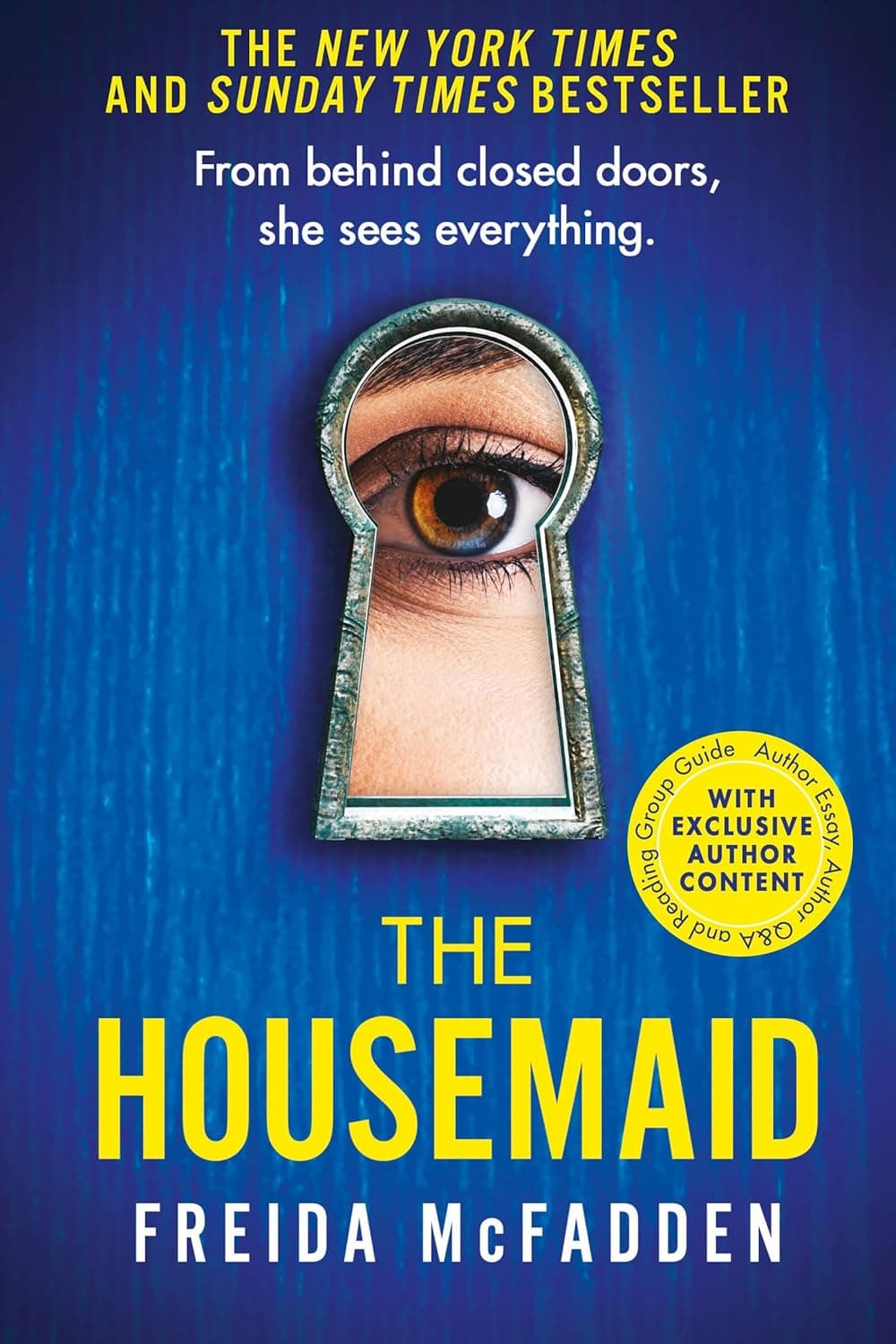
If you have never read McFadden, start with The Housemaid. Its short chapters, uneasy live-in job, locked attic room, and sharp reversals give you a good sense of why her thrillers are popular. It also works on its own if you decide not to continue the series. Prefer a standalone from the start? Choose Never Lie, which traps newlyweds in a snowbound house full of a missing psychiatrist's recordings.
Freida McFadden writes the kind of thriller that makes the next chapter feel cheaper than stopping. She gets to a disturbing question quickly, keeps the prose plain, and regularly changes who seems trustworthy. The best first book depends less on publication date than on which setting pulls you in.
The list starts with the books that give the clearest sense of McFadden's style, then branches by setting. She favors speed and big reversals over slow psychological shading. If you enjoy having to revise what you think happened, that is part of the fun. If you want motives to unfold gradually, she may not be for you.
Eight useful entry points
Choose your first Freida McFadden by the kind of trap you want
Start with the first two for the clearest introduction, or choose another book by setting. Every title works without knowledge of another McFadden novel unless the note says otherwise.
1
The Housemaid
Best overall
Millie takes a live-in job because her past limits better options. Nina Winchester's behavior, Andrew's charm, and an attic room that locks from the outside create an immediate hierarchy inside the home. The novel never hides that something is wrong. It keeps changing the reason why, while rooms, money, and reputation all become ways to control Millie.
Choose it if: you want domestic suspense with sharp reversals and are open to continuing a series.
2
Never Lie
Best standalone introduction
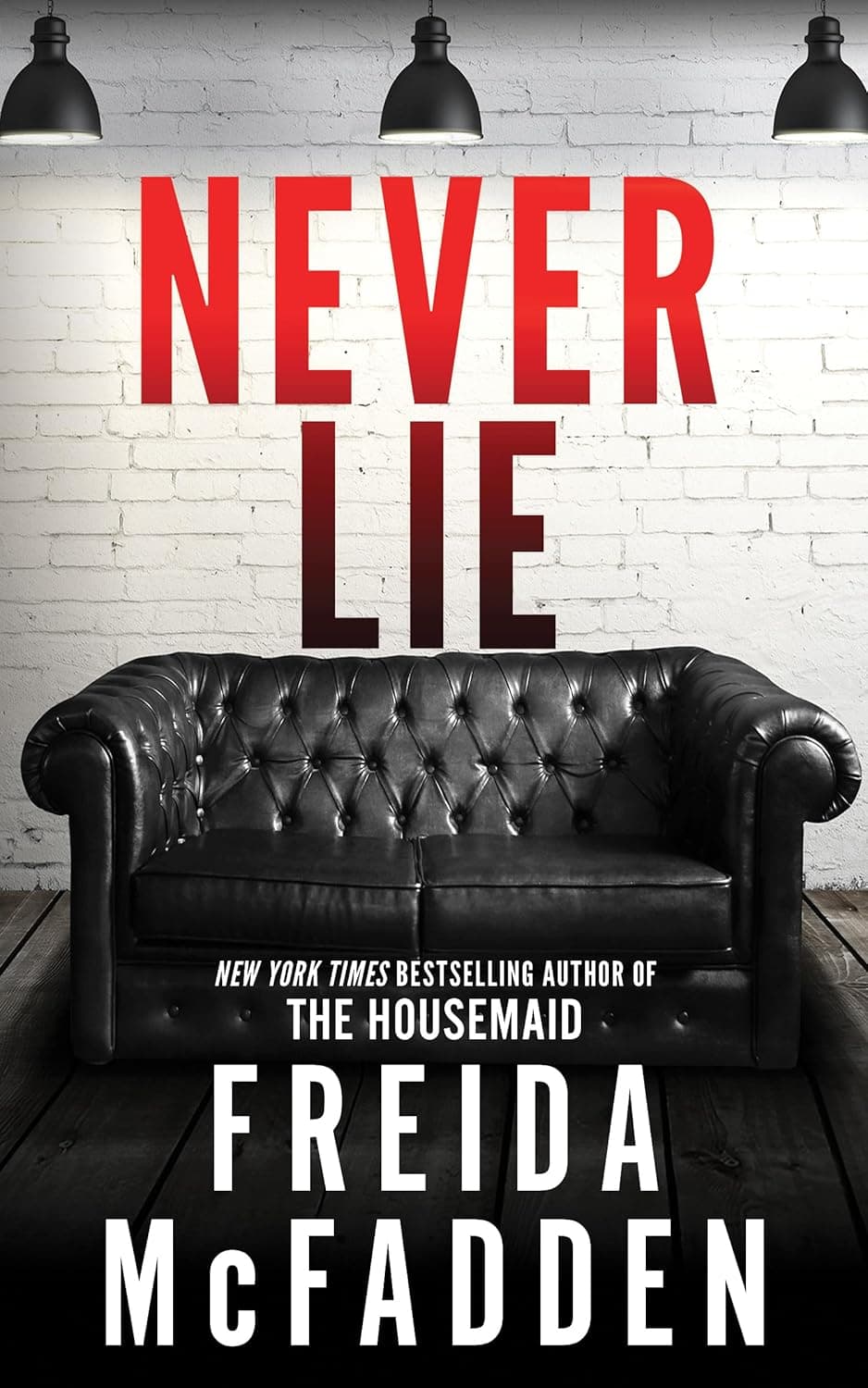
Newlyweds become trapped by snow inside the remote home of a psychiatrist who disappeared. Recorded sessions promise access to the missing woman's patients, but each apparent explanation creates another reason to distrust the people listening. The one-house setting keeps the mystery tight, and the recordings reveal the missing woman's secrets one at a time.
Choose it if: you want one complete, contained thriller before deciding whether her larger catalog belongs on your shelf.
3
The Inmate
Best prison and medical setting
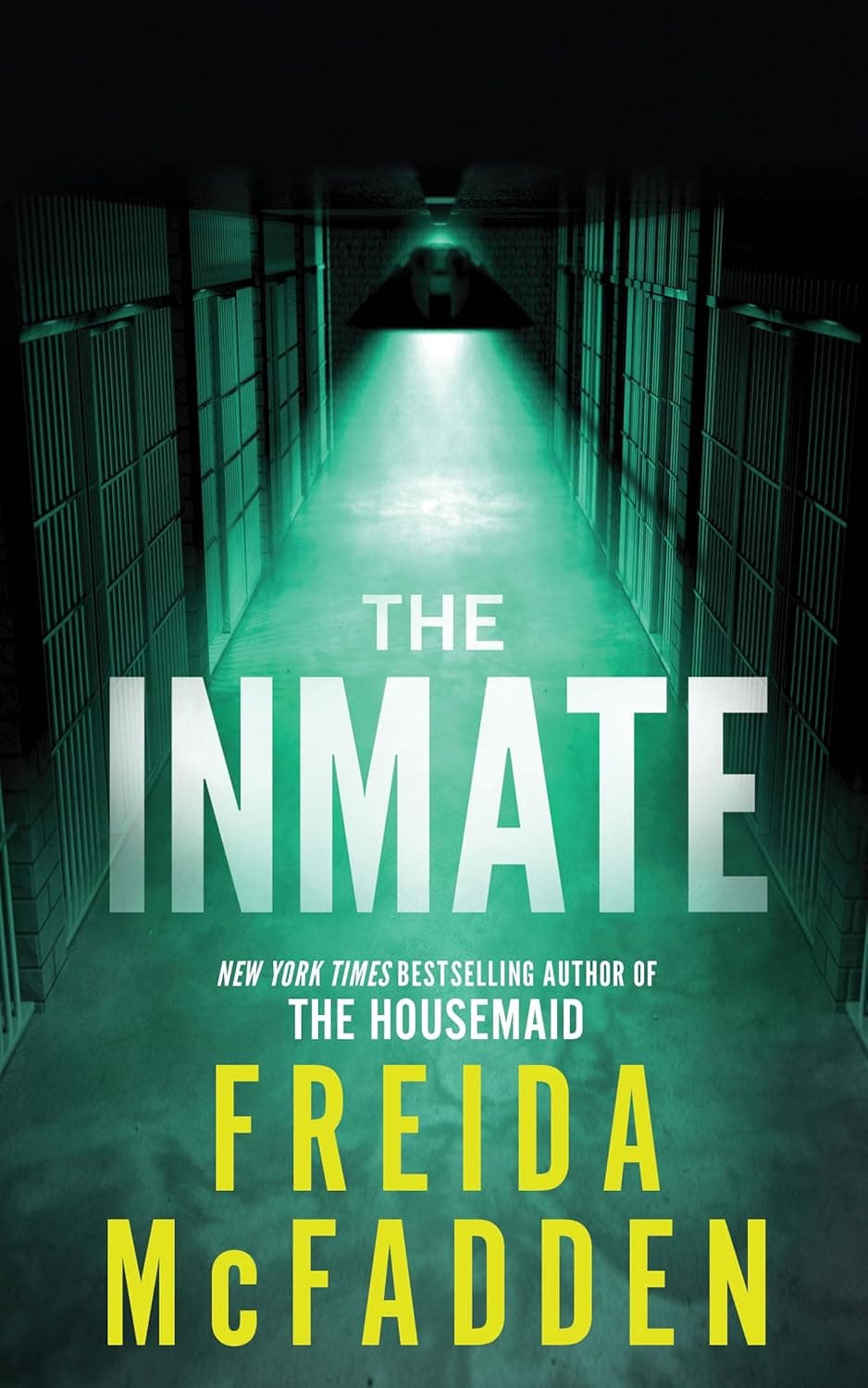
A nurse practitioner begins working in a prison where an inmate from her own past is serving time for murder. Professional access and personal memory keep interfering with one another, and the question is not only whether the convicted man is telling the truth. It is whether the protagonist's account of the old night has ever been stable enough to support the life built afterward.
Choose it if: you want a prison setting, a crime from the past, and a protagonist whose professional role cannot protect her from personal doubt.
4
The Coworker
Best workplace suspense
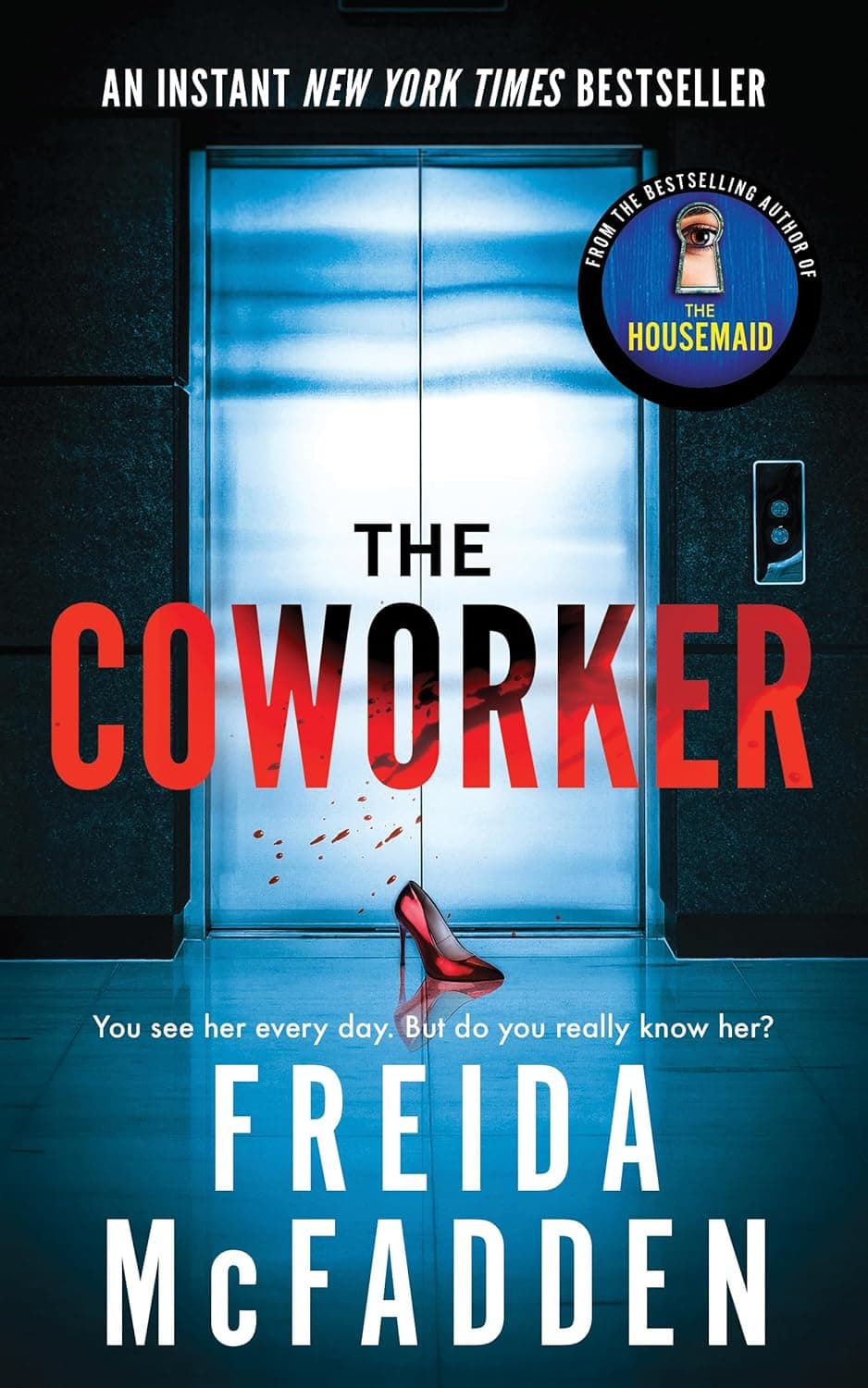
An office disappearance exposes grudges, social exclusion, and competing versions of a coworker who never fit comfortably into the group. Here the danger grows out of gossip, performance, and digital traces. Small humiliations begin to matter before the larger threat becomes visible.
Choose it if: office politics, unreliable reputations, and the cruelty of ordinary group behavior interest you more than another wealthy household.
5
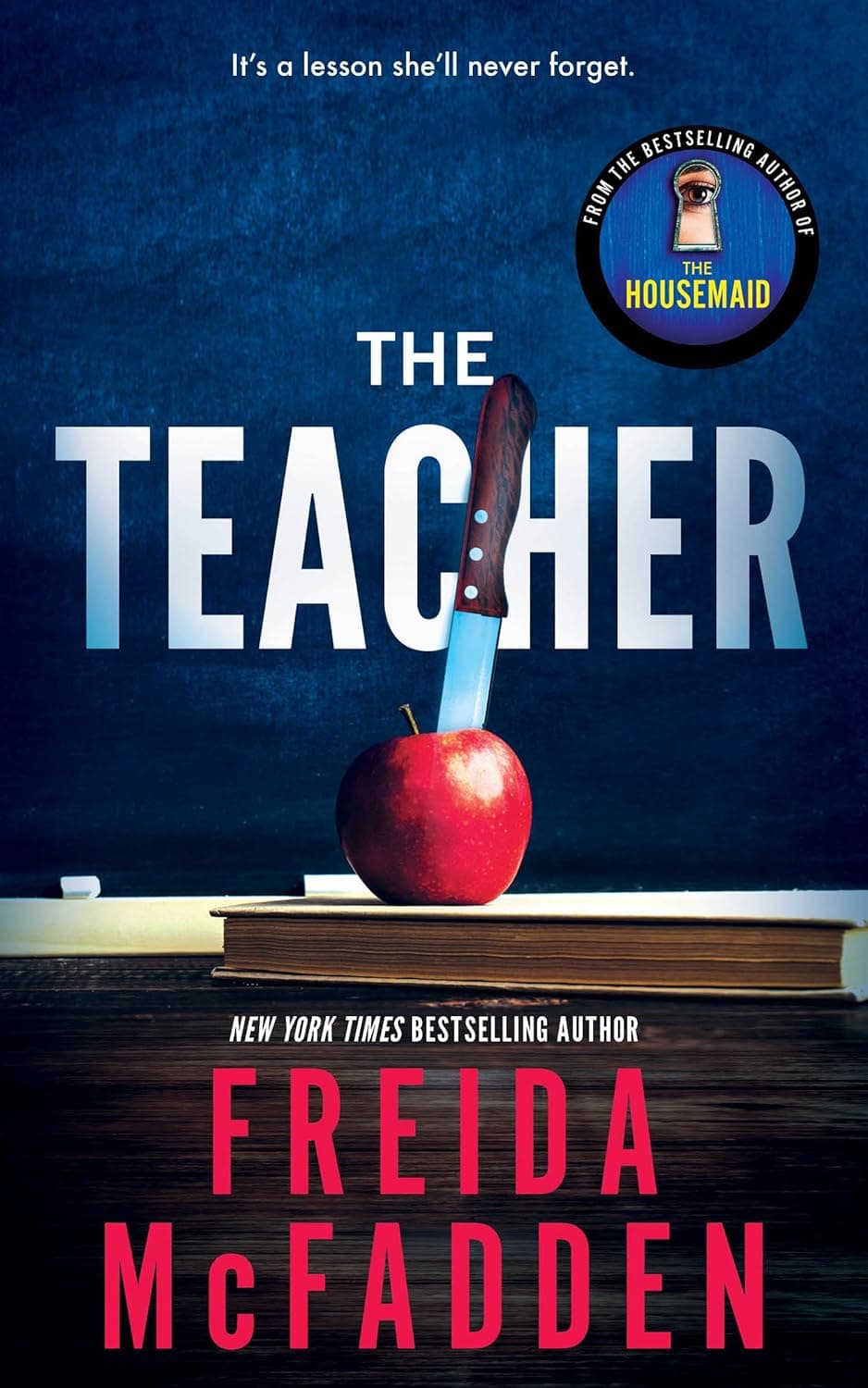
The Teacher
Best for an uncomfortable school mystery
Rumor, professional authority, teenage vulnerability, and marital secrecy converge around a school scandal. This is a deliberately unpleasant setup in which the reader should be cautious about identifying a safe perspective too early. The provocative material and shifting loyalties make it more polarizing than The Housemaid, even for readers who enjoy the speed.
Choose it if: you are comfortable with ethically ugly material and want a school's respectable surface to become part of the deception.
6
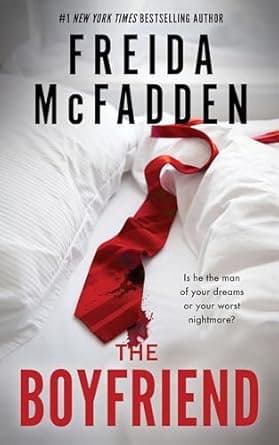
The Boyfriend
Best dating nightmare
The apparent solution to exhausting modern dating begins to look less comforting as violence and concealed history move closer. Every date becomes a judgment call: is charm reassuring, or is it a reason to be more suspicious? The romantic frame keeps the cast smaller and the threat intimate.
Choose it if: you want relationship suspense, quick suspicion, and a self-contained story rather than employment inside someone else's home.
7
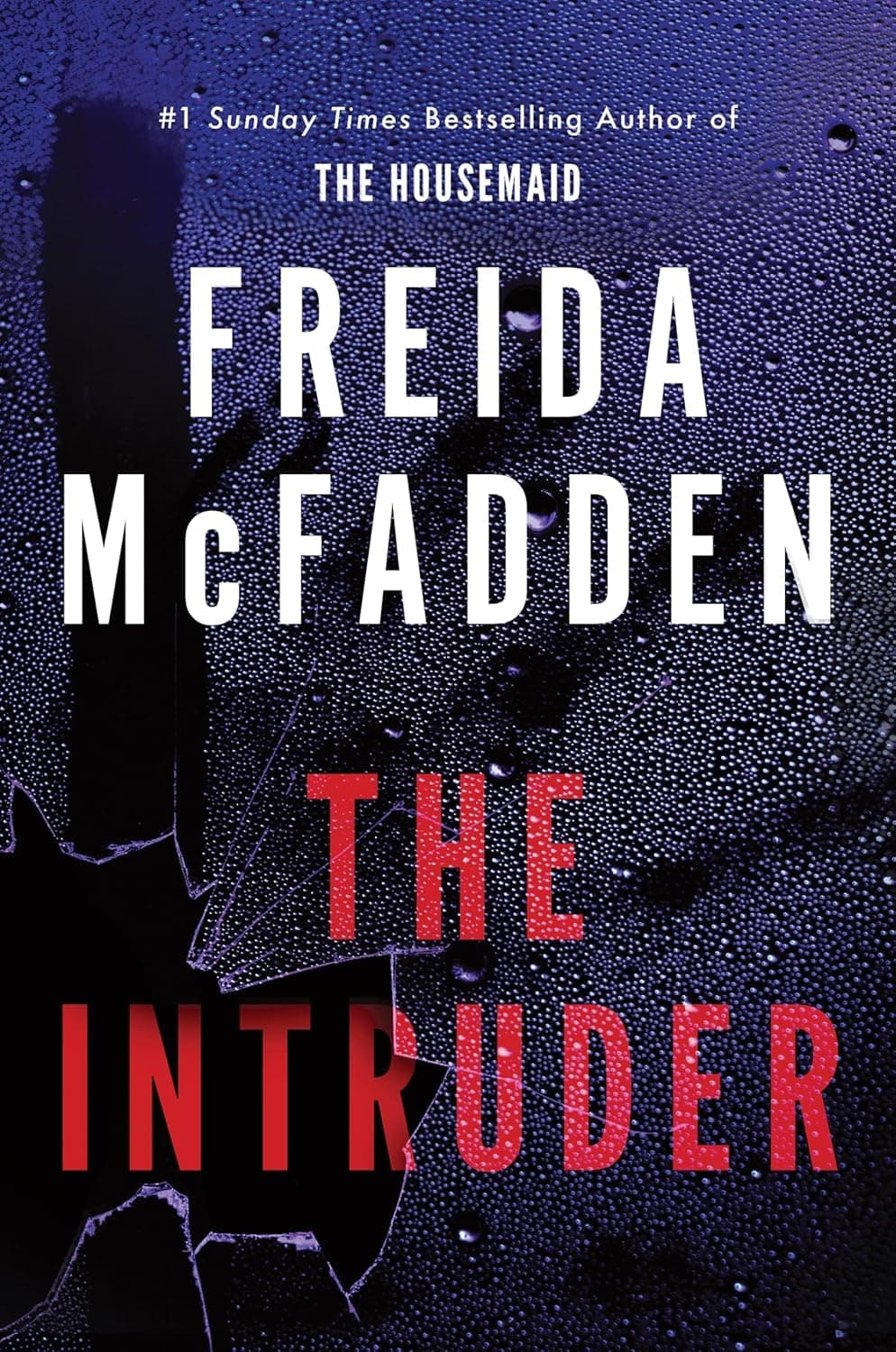
The Intruder
Best isolated-house pressure
A dangerous night and an unexpected person at the door turn private safety into an ethical problem. Most of the pressure comes from being stuck: helping a stranger is risky, refusing help has its own cost, and no one can easily check the facts. New readers will still get a better introduction from The Housemaid or Never Lie.
Choose it if: you want a fast home-invasion atmosphere and prefer external danger to a long social setup.
8
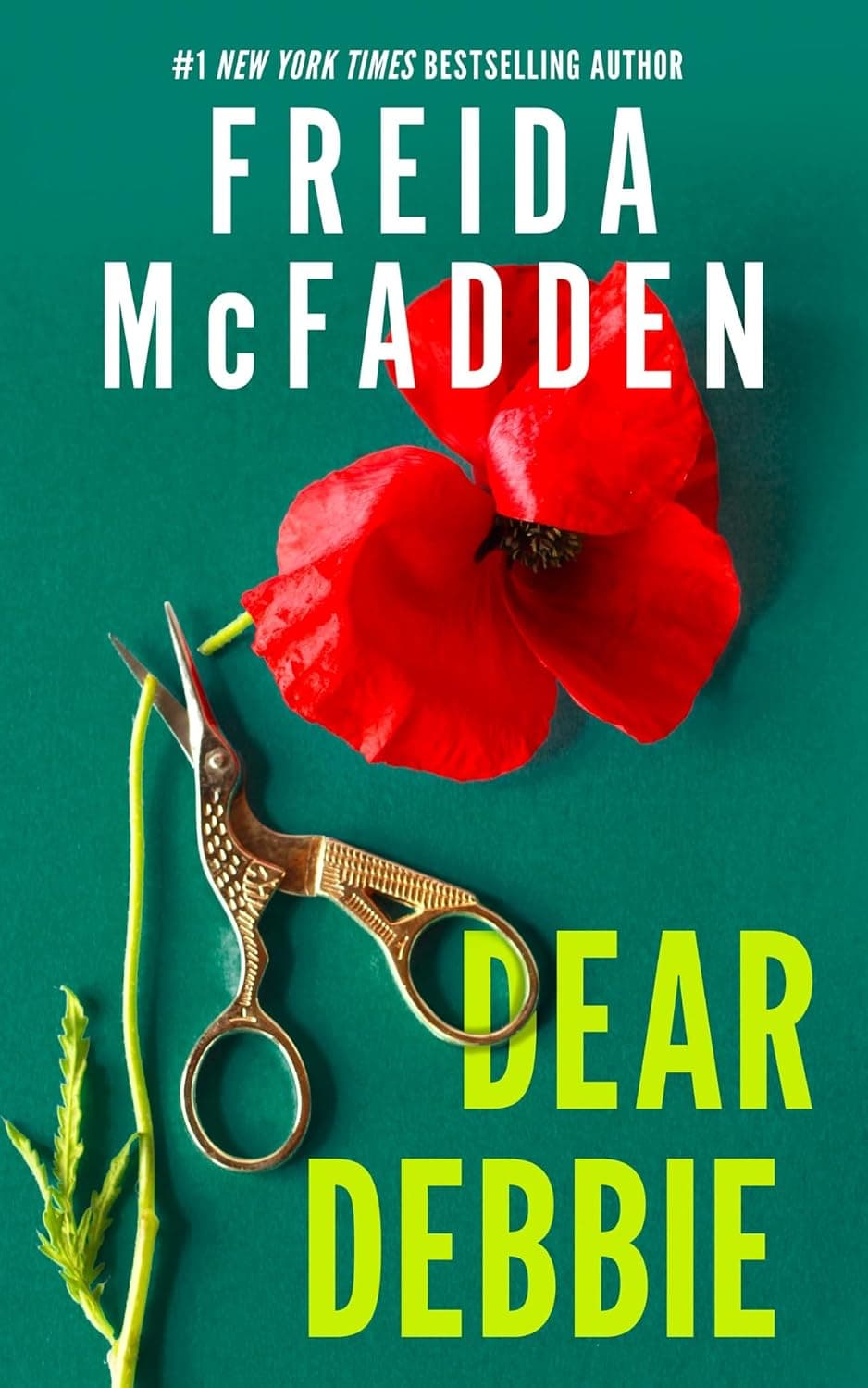
Dear Debbie
Best after you know the formula
Dear Debbie starts with an advice-column setup, connecting private resentment with the gap between what people recommend and what they actually do. It is a better later pick because part of the fun is seeing McFadden move her familiar reversals into a different social role. First-time readers should still begin with the cleaner domestic trap of The Housemaid.
Choose it if: you already enjoy McFadden's reversals and want a newer variation instead of the usual starting point.
Series buying note
Would the collection be the better buy?
These are useful only when you want several books in the same run. The notes below spell out what each package includes and, just as importantly, what it leaves out.
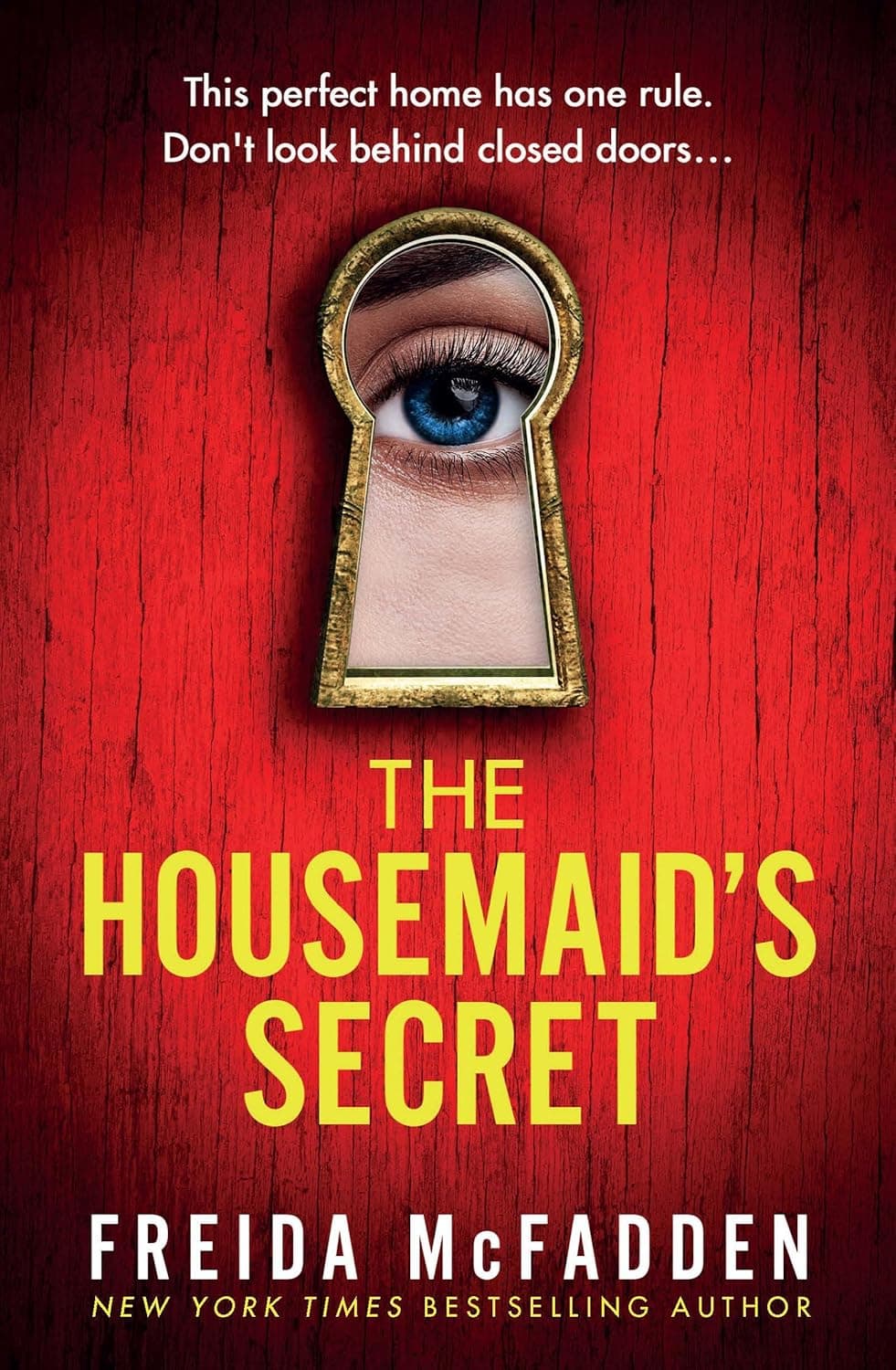
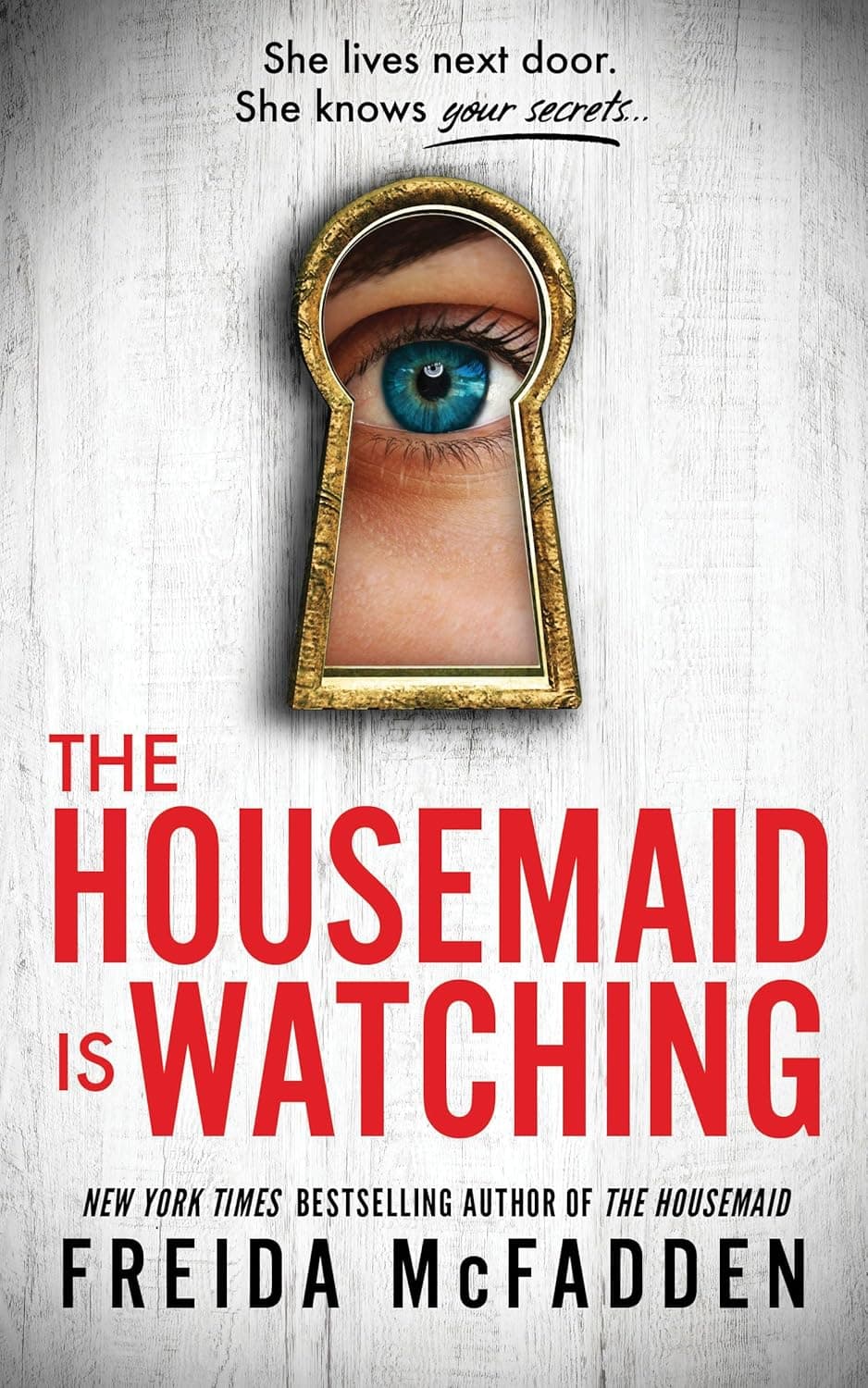
Four-book paperback box set
The Housemaid Box Set
This is the tidy way to own Millie's complete story so far: the three novels plus the short bridge between books two and three.
Included: The Housemaid, The Housemaid's Secret, The Housemaid Is Watching, The Housemaid's Wedding
Our buying note: Try The Housemaid first if you are unsure about McFadden's twist-heavy style. If it works for you, the set makes more sense than hunting down the remaining books separately.
Quick decision table
The first McFadden for five reader moods
None requires broad author knowledge. The final column identifies the main reason a reader might choose something else.
| Reader wants | Start with | Why | Possible drawback |
|---|---|---|---|
| Classic McFadden setup | The Housemaid | Domestic hierarchy and strong reversals | Begins a series |
| A complete standalone | Never Lie | One house, one disappearance, one storm | Reveal-heavy plotting |
| Crime and institutional pressure | The Inmate | Prison access and disputed memory | Past and present must both hold attention |
| Workplace hostility | The Coworker | Gossip, reputation, and office evidence | Less claustrophobic than the home thrillers |
| Romantic danger | The Boyfriend | Dating uncertainty turns dangerous | Narrower social world |
Why start with The Housemaid?
The Housemaid gets to McFadden's main attractions almost immediately: an economically vulnerable protagonist, an apparently irrational employer, a desirable ally, a locked room, and a household whose public image contradicts its private rules. If that setup is irresistible, her wider catalog offers many variations on it.
If the reversal feels too visible or the characters seem arranged to serve it, a newer title is unlikely to change your mind. The details and settings vary, but speed, withheld perspective, and sudden changes in moral footing remain part of the appeal.
When Never Lie is the smarter first choice
Choose Never Lie when you dislike beginning unfinished business. The story is not connected to the Housemaid series, and the remote house gives its mystery a strong physical boundary. You can finish it, judge the construction, and move anywhere else in the catalog without remembering a recurring protagonist's relationships.
It is also the better route for readers drawn to found recordings, missing-person puzzles, and snowbound isolation. The Housemaid builds suspense through class and labor inside a family. Never Lie builds it through access to a vanished professional's secrets. Both are twist-heavy, but the pleasure comes from different forms of trespass.
What not to expect from a Freida McFadden thriller
Do not expect a slow procedural reconstruction, expansive literary description, or a detective who tests every idea in public. These books move quickly. Short chapters often stop just as a fact changes meaning, and characters are drawn mainly through what they hide, notice, or use against someone else.
That pace can be fun, but a second read may feel more mechanical once you know the reveal. Try one standalone if rereading matters more to you than the first rush. Buy a box set when you already know that finishing one cliffhanger makes you want another immediately.
Where the upcoming The Witch fits
The Witch is scheduled for October 6, 2026 and is listed as a standalone thriller. Its old Massachusetts estate, family history, and possible haunting make it an interesting option for readers who want McFadden outside The Housemaid series. Since it is not out yet, The Housemaid and Never Lie remain the safer first choices.
Quick answers
Questions readers ask before buying
What is Freida McFadden's most popular starting book?
Start with The Housemaid if you want domestic suspense and the first book in her best-known recurring series.
Which Freida McFadden book should I read first if I want a standalone?
Start with Never Lie for a contained house, a missing psychiatrist, and a complete story. Choose The Inmate instead if prison and medical settings appeal more.
Do Freida McFadden books connect to one another?
The Housemaid novels and wedding story share Millie and should be read in order. Most of McFadden's other thrillers have separate casts and stand on their own.
Should I buy The Housemaid box set first?
Only if you already know that fast domestic thrillers suit you or the bundle is unusually good value. The first novel is a complete and cheaper test of the style.
Sources
Sources for this guide
Series order and publication details were checked against McFadden's official site.
Keep reading