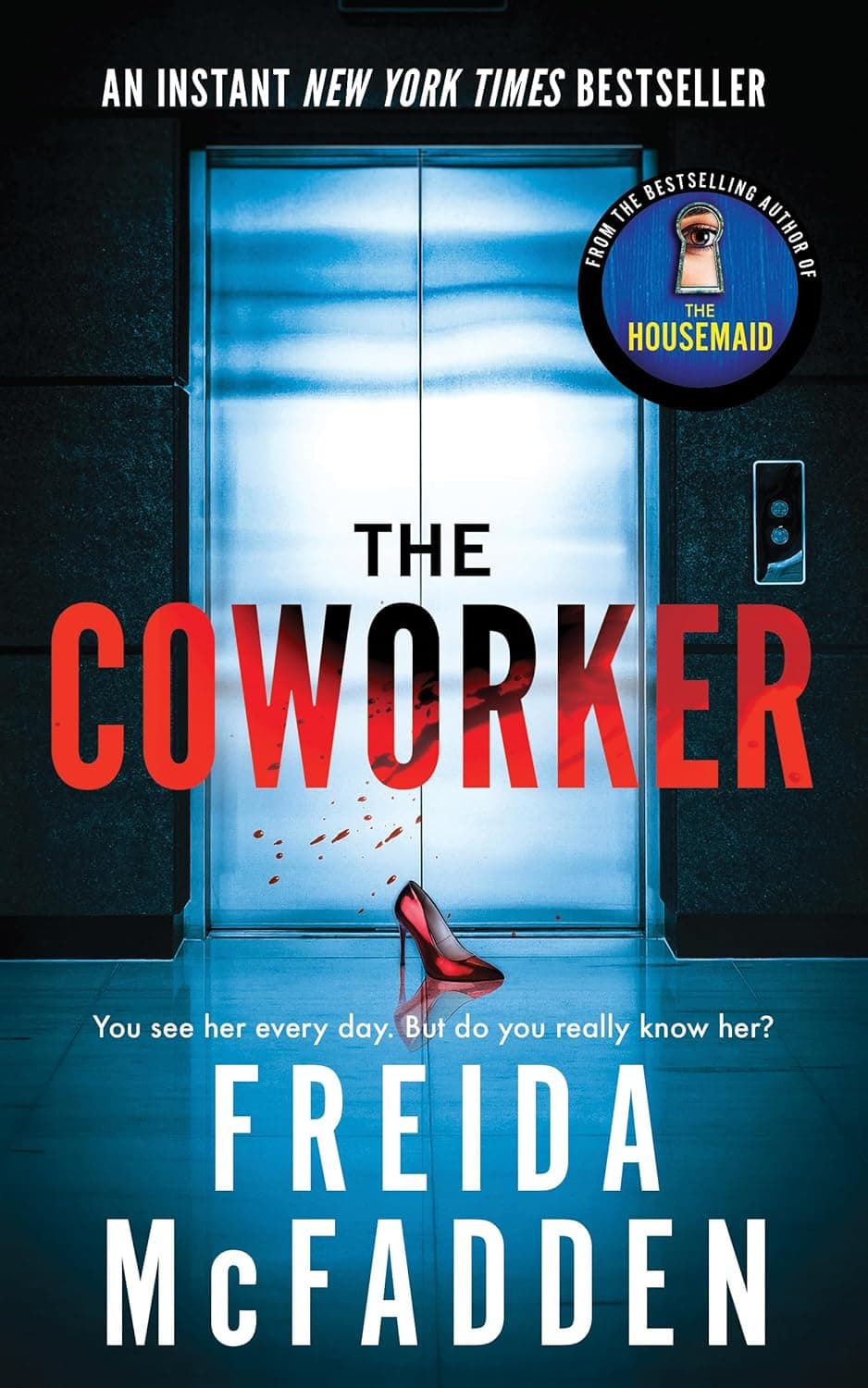
Should you read The Coworker?
What works
Dawn's punctuality, emails, turtle fixation, and Natalie's polished sales persona make workplace judgment an active source of unreliable evidence.
What may not work for you
Neurodivergent-coded behavior is used close to caricature, plausibility bends around reversals, and colleagues remain broad audience figures.
What may test your patience
The repeated contrast between Dawn's routines and Natalie's popularity establishes bias clearly before the disappearance yields firmer clues.
Does the ending reward the effort?
The final account is twisty and satisfying within the novel's heightened logic, though it simplifies the emotional damage of workplace cruelty.
Reading The Coworker closely
At the supplement company Vixed, awkward accountant Dawn Schiff is the coworker everyone whispers about. She arrives at the same precise time, overexplains every email, and never says the right thing in the break room. When Dawn misses her 8:45 arrival and polished Natalie Farrell gets an anonymous call saying she is in trouble, office routine turns into a missing-person case.
From there, the book leans into dual perspectives and paper trails. Chapters move between Natalie’s point of view and Dawn’s emails, notes, and memories, building a picture of two women who remember the same events very differently. Natalie narrates like the confident top sales rep everyone admires, but little details in Dawn’s routines and observations suggest another version of their shared history. The tension comes less from graphic violence and more from the slow realization that someone in this office is lying about who they are and what they have done.
The story stays tightly focused on Dawn’s disappearance, the investigation that follows, and the way past trauma bleeds into present-day office politics. Along the way, the book touches on bullying, social anxiety, and the pressure to look perfect at work. It is a dark workplace thriller with emotional abuse, manipulation, and some disturbing moments, but very little on-page gore or sexual content.
The Coworker is worth reading after The Housemaid or The Tenant if you enjoy McFadden’s short chapters, sharp cliffhangers, and late reversals. The fluorescent-lit office replaces domestic space without changing the appeal.
Three useful comparisons
The Teacher
The Teacher uses school hierarchy and alternating perspectives with more sensational relationship material.
Best for: Choose it for fast school-set psychological suspense, unreliable viewpoints, marriage secrets, and provocative twists.
The Tenant
The Tenant is more claustrophobic and domestic, built around shared housing rather than social status at work.
Best for: A quick, claustrophobic domestic thriller about roommates, money, privacy, and unreliable impressions.
Disclosure
Disclosure is a denser, dated corporate thriller about workplace power, evidence, and reputation.
Best for: Readers of 1990s corporate thrillers willing to engage critically with dated and contentious gender framing.
Make the next decision