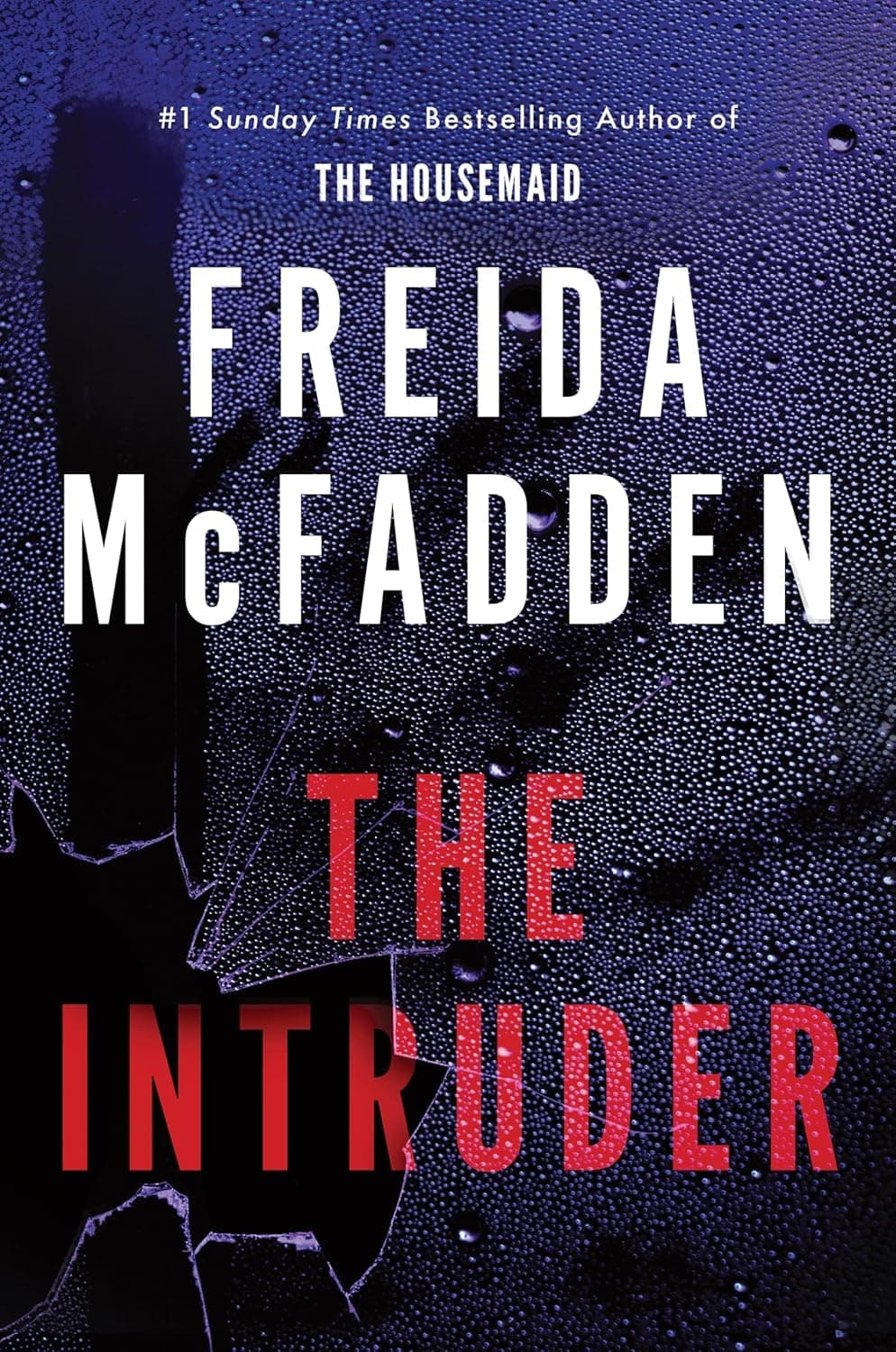
Should you read The Intruder?
What works
Failing power, poor phone signal, an intrusive landlord, a remote cabin, and an armed stranger make every decision physically consequential.
What may not work for you
Backstory is withheld for twists, trust shifts abruptly, and the final causal web is less credible than the immediate survival situation.
What may test your patience
Casey and the girl repeat suspicion and partial disclosure while the storm prevents outside verification.
Does the ending reward the effort?
The last act ties the personal threads together and delivers danger, though its neat connections reduce the randomness that made the opening frightening.
Reading The Intruder closely
The Intruder traps Casey in a storm-battered cabin with a landlord who ignores repairs and keeps crossing boundaries. Then a terrified, bloodied girl appears at the door holding a knife. McFadden turns that encounter into a tight survival thriller where every offer of trust may be a fatal mistake.
McFadden leans hard into atmosphere instead of elaborate worldbuilding: the trees snapping in the wind, the failing power, the patchy phone signal, and that horrible awareness that help is several bad choices away. Chapters stay short and punchy, often ending on little cliffhangers, while the narrative slowly reveals what Casey is running from and why the stranger's story does not quite line up. There are hints of past trauma, questions about who is really the intruder in whose life, and a final act that ties the threads together in ways that feel messy, painful, and deliberately claustrophobic rather than neat.
The Intruder is tense and unsettling rather than splatter-level graphic, with on-page violence, child endangerment, and references to abuse, stalking, and neglect. Readers who find domestic violence themes or psychological cruelty difficult may want to consult a verified advisory or sample a chapter first.
Readers who found McFadden through The Housemaid will recognize the morally messy characters, unreliable memories, and twists that keep revising what came before. The Intruder is a complete standalone.
Three useful comparisons
Never Lie
Never Lie has a stronger mystery device and more controlled snowbound setting.
Best for: Try it for a locked house in a snowstorm, unreliable newlyweds, therapy secrets, and a large final reversal.
The Tenant
The Tenant is less physically dangerous and more focused on urban domestic proximity.
Best for: A quick, claustrophobic domestic thriller about roommates, money, privacy, and unreliable impressions.
The Compound
The Compound offers broader social pressure and group survival rather than one-night isolation.
Best for: Readers of dystopian satire, social horror, reality-TV critique, surveillance fiction, and morally compromised narrators who want an addictive rather than austere novel.
Make the next decision