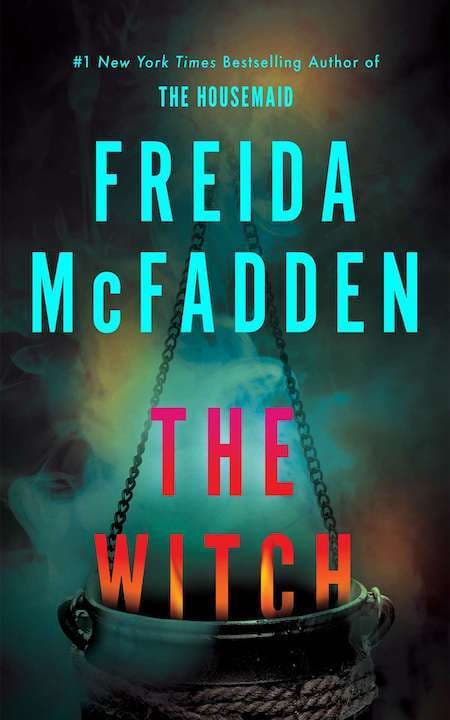
Should you read The Witch?
What works
Caroline's storyline has the emotional weight the present often lacks. The clock stopping at 3:41 a.m. and the noises in Pemberton's attic give the modern mystery an immediate pull, too.
What may not work for you
The ghost hunter's cheap equipment and apps make parts of the present-day story feel absurd. Henry and Julia have little chemistry, and some explanations leave the house less unsettling than it was before.
What may test your patience
There is barely any dull filler. The harder adjustment is tonal: Caroline's tense 1692 chapters give way to a modern investigation that can feel much sillier.
Does the ending reward the effort?
The family mystery fits together, even if some turns will look familiar to McFadden regulars. I found the chaotic, hurried climax entertaining, but less satisfying than the atmosphere that led up to it.
Reading The Witch closely
Pemberton is a better reason to pick up The Witch than its modern-day romance. Julia Barlow returns to her family's seventeenth-century Massachusetts estate after losing her job and apartment, supposedly to check on her grandmother, though she needs somewhere to stay herself. The house gives that fallback an unpleasant edge immediately. A grandfather clock keeps stopping at 3:41 a.m., and noises in the attic make it hard to settle into the idea of shelter. I liked how quickly the setting becomes uncomfortable. Gram and Ethel add enough unease of their own that the family can be as troubling as the building.
Caroline, in the 1692 timeline during the Salem witchcraft era, is the character I cared about most. She has more nerve and presence than Julia, and her part of the story carries far more emotional weight. Julia gets the job of moving the modern mystery along, but too often that means reacting to a scare or reading someone else's letters. There is a difference between being trapped by circumstances and barely shaping what happens next. Julia spends too much of the novel on the passive side of that line. Moving between the two women makes the imbalance especially obvious.
The present also struggles to sustain the seriousness of the past. The ghost-hunting subplot, complete with cheap equipment and apps, sometimes pushes the investigation close to absurdity. Those scenes took some of the menace out of Pemberton for me. The romance with Henry does little to compensate. It is there, but there is no real spark between them, and it never becomes a relationship worth caring about in its own right. Caroline's chapters are much more convincing company than either the ghost hunter or the romantic subplot.
McFadden keeps everything moving anyway. The chapters are extremely short, with blunt endings that make the next one easy to start, and there is almost no boring filler. That speed helps carry the weaker material without fixing it. Her prose is simple and unpretentious, which suits Julia's quick reactions and the sequence of discoveries. The historical passages are less comfortable stylistically: an occasional period expression bumps against a rhythm that still feels thoroughly modern. It is an odd fit rather than a serious obstacle to reading.
Some twists are foreseeable if you know McFadden's habits, but the family mystery does fit together. My reservation is what happens to the atmosphere once the explanations arrive. The noises and apparent hauntings are more effective as questions than some of their answers are as revelations. The climax rushes through its chaos, and I wanted the resolution to have a little more room. It still entertains. At 3.5 stars, I'd choose this for a fast, spooky autumn read, with Caroline and Pemberton as the main attractions. The modern characters and the final rush keep it from becoming a stronger recommendation.
Is The Witch part of The Housemaid series?
No. Julia and Pemberton belong to a standalone story. You can start here without reading The Housemaid or its sequels.
The Freida McFadden starting guide compares her separate entry points. Her author page brings together the books we have covered and the wider bibliography.
Official content notes for The Witch
Freida McFadden lists content warnings for sexual harassment, an off-page mention of sexual assault, murder, hanging, fire, childbirth complications, and infertility. Her site notes that some warnings may reveal story details.
Release details
The Witch release date, standalone status, and formats
The Witch was published on October 6, 2026 by Poisoned Pen Press. It is a standalone thriller, so you do not need to read The Housemaid or any other Freida McFadden book first.
- Official publication date
- October 6, 2026
- Author
- Freida McFadden
- Series
- Standalone
- Publisher
- Poisoned Pen Press
- Setting
- Rural Massachusetts
- Available formats
- Ebook, hardcover, and audiobook
Primary sources: Freida McFadden: The Witch, Sourcebooks / Poisoned Pen Press deluxe hardcover, Freida McFadden printable book list
Three useful comparisons
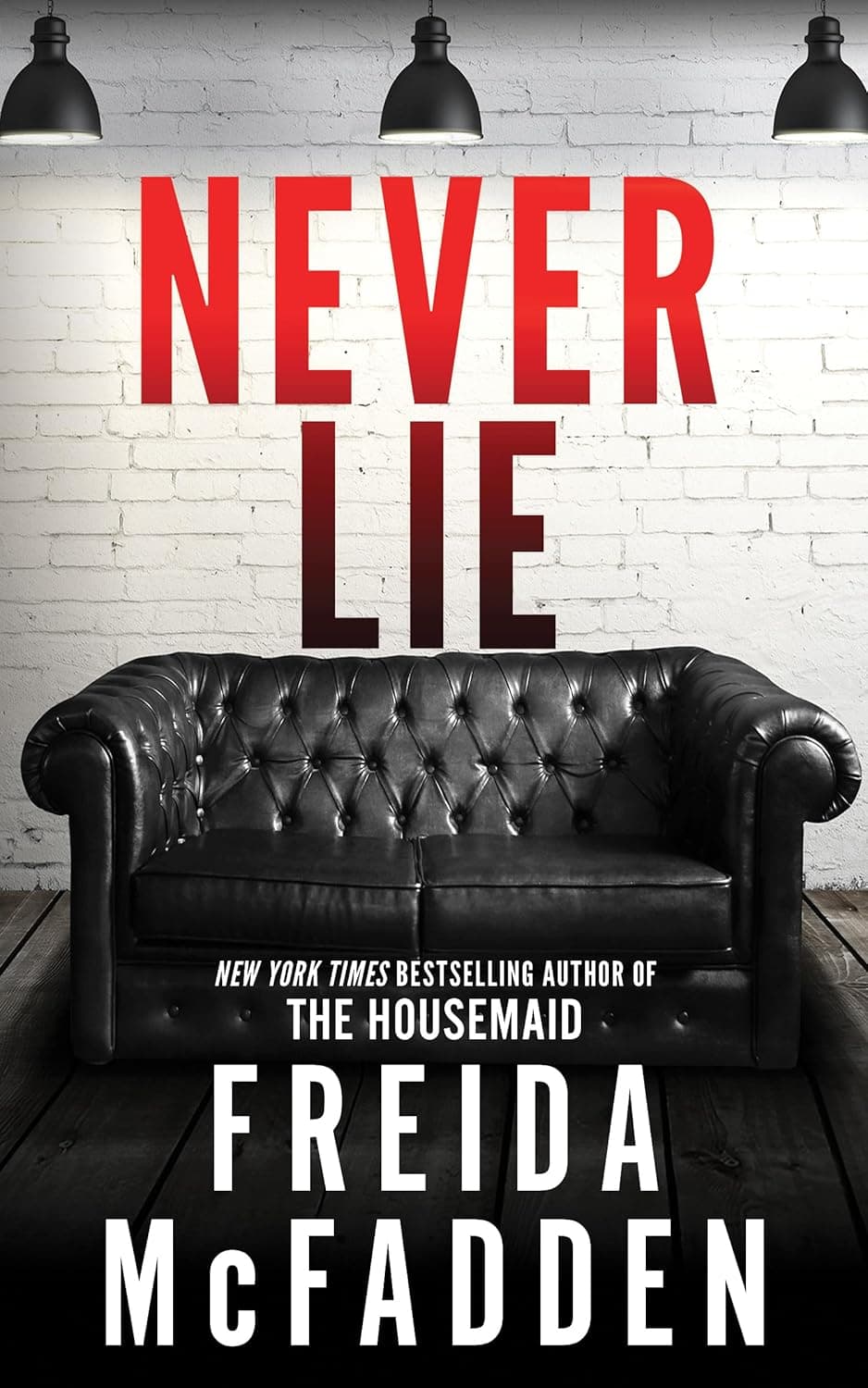
Never Lie
Never Lie also uncovers a house's hidden history in pieces, using therapy recordings where The Witch sends Julia through family letters. Its snowbound manor keeps the mystery more contained; Pemberton adds an ancestral estate and Caroline's 1692 storyline.
Best for: Try it for a locked house in a snowstorm, unreliable newlyweds, therapy secrets, and a large final reversal.
As an Amazon Associate, I earn from qualifying purchases.
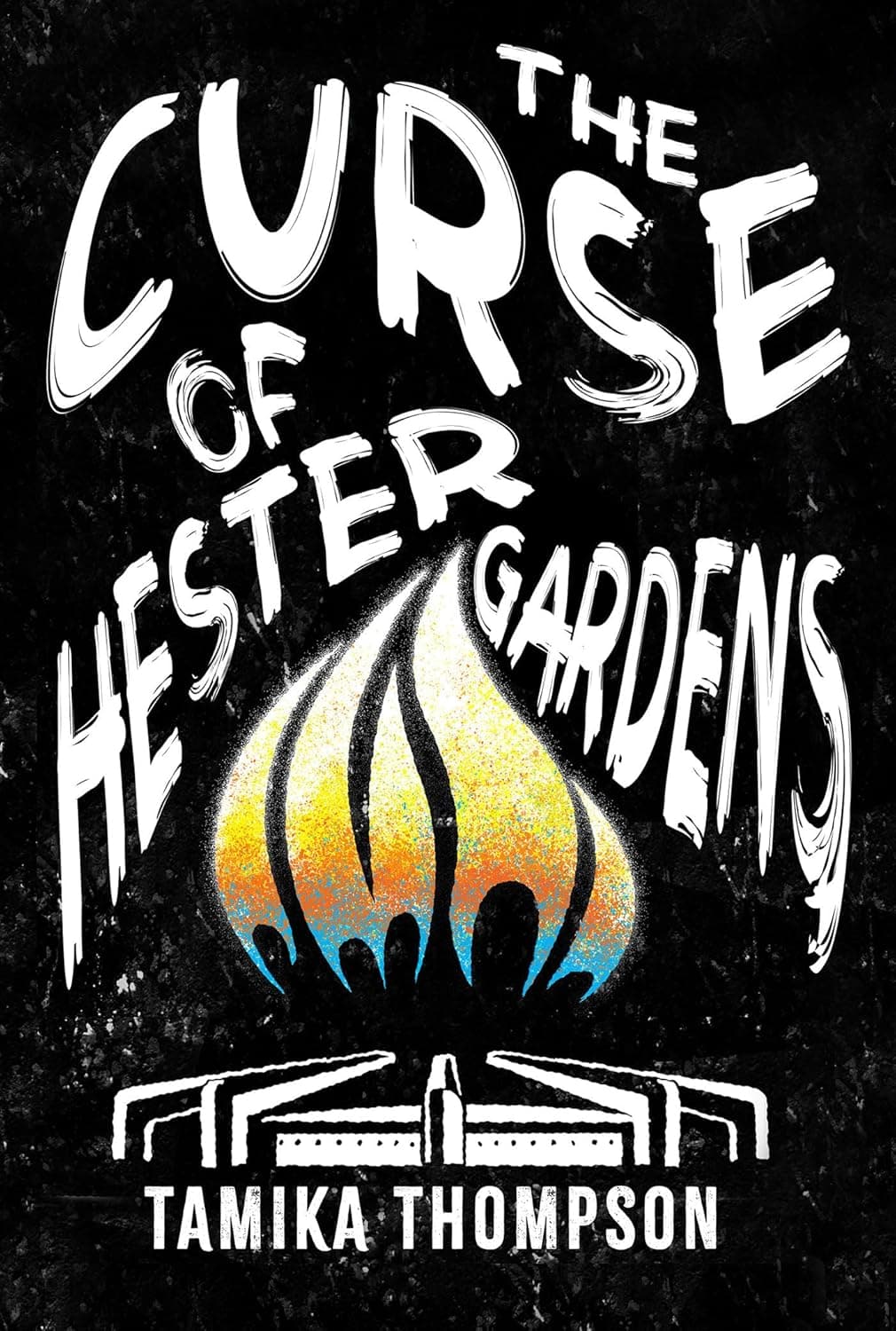
The Curse of Hester Gardens
The Curse of Hester Gardens connects family fear to a haunting in a Michigan public-housing community, while The Witch moves between Julia's present and Caroline's 1692 story at Pemberton.
Best for: Gothic-horror readers drawn to family trauma, community fear, poverty, gun violence, and supernatural menace rather than constant jump scares.
As an Amazon Associate, I earn from qualifying purchases.
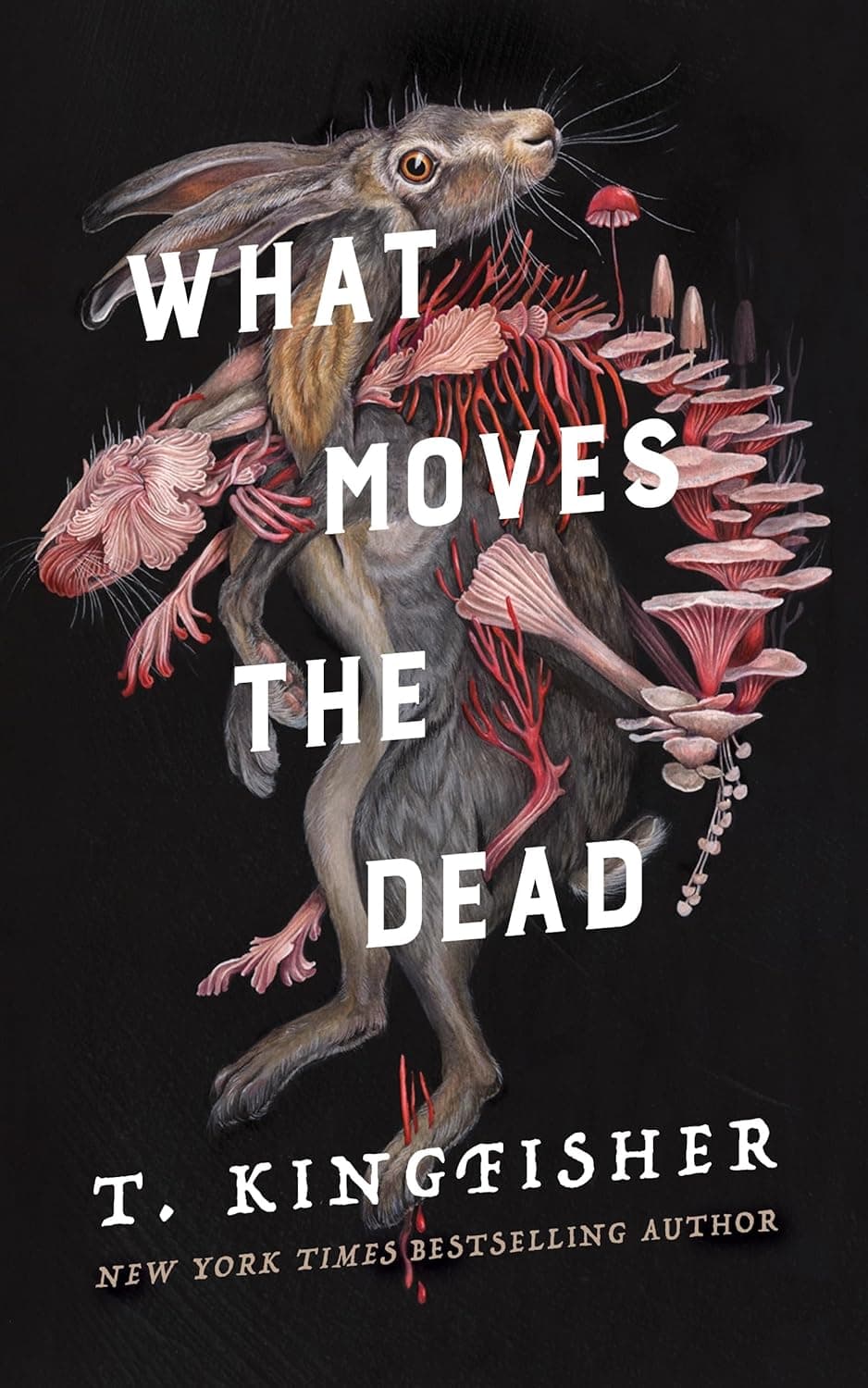
What Moves the Dead
What Moves the Dead also makes disturbing signs around an old estate into a mystery. Its fungi, sick residents, and strange wildlife take it toward biological body horror; The Witch puts family secrets and the 1692 witchcraft story first.
Best for: Best for anyone who wants a short Gothic retelling, fungal horror, body unease, and a practical narrator with flashes of dry humor.
As an Amazon Associate, I earn from qualifying purchases.
Make the next decision