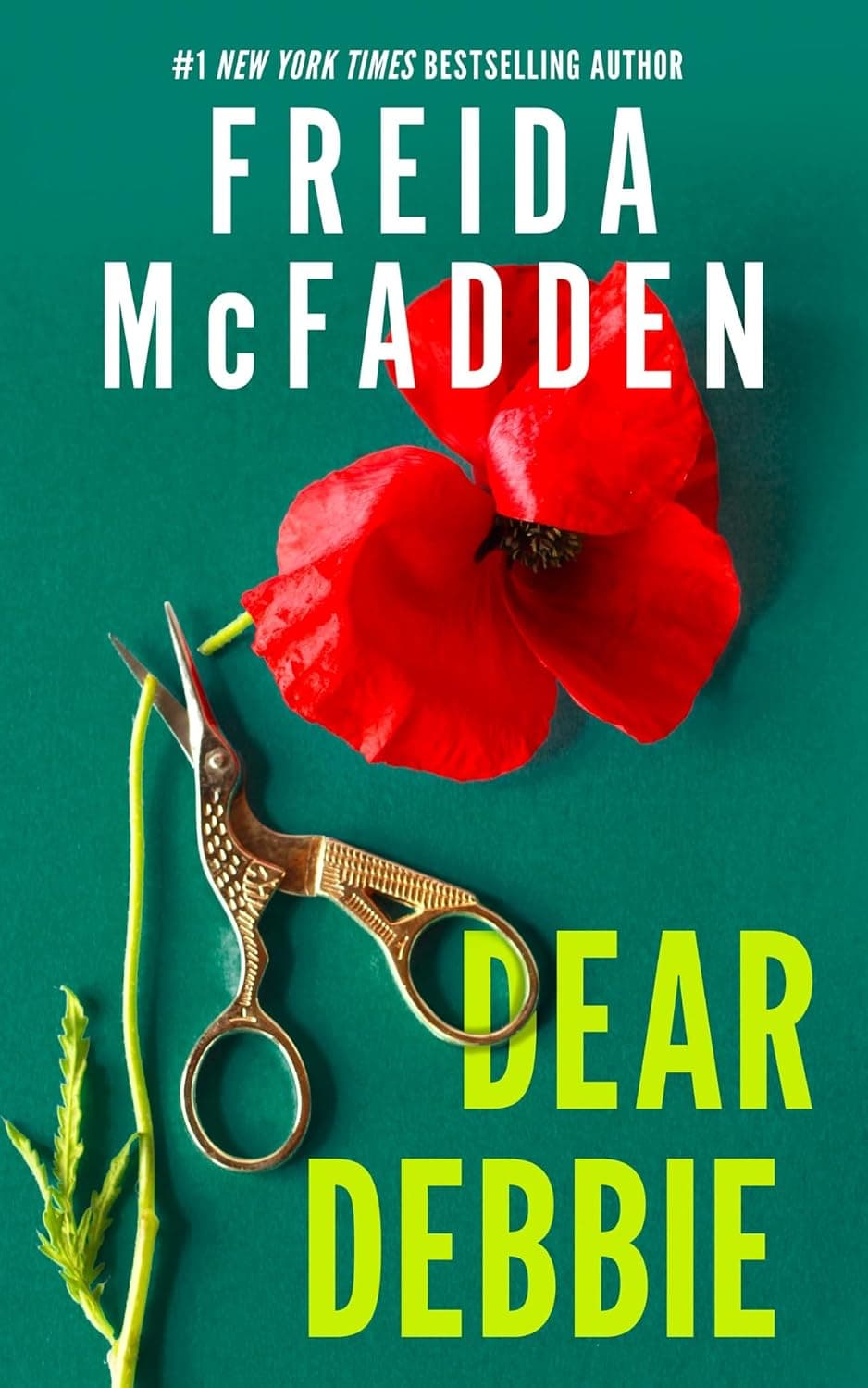
Should you read Dear Debbie?
What works
An advice columnist who stops being reasonable is a clean comic engine, and Debbie's code makes job loss, family secrecy, neighborhood irritation, and retaliation feel like parts of one unraveling life.
What may not work for you
The late twist strains plausibility, several targets are drawn broadly enough to simplify revenge, and short chapters sometimes substitute new trouble for deeper consequence.
What may test your patience
The domestic complaints initially seem disconnected, but they need to accumulate before Debbie's private rules and appetite for payback become visible.
Does the ending reward the effort?
Mostly. It delivers the promised shock and malicious satisfaction, though the most extreme reveal is less persuasive than Debbie's voice.
Reading Dear Debbie closely
Dear Debbie brings together an advice columnist, family pressure, neighborhood grievances, and retaliation as parts of one unraveling life. Debbie tells other people how to solve their problems in public while her private responses become increasingly extreme.
The short chapters move from one grievance or piece of advice to the next. That structure supports the book’s emphasis on momentum and dark humor rather than a slow, procedural investigation.
Debbie is the antihero at the center of this domestic revenge story. Her moral reasoning supplies the tension, while the advice-column format gives her a language for explaining choices that become harder to defend.
Readers choosing between McFadden titles can compare Never Lie, browse the Freida McFadden bibliography, or explore the thriller collection.
Premise and structure
Debbie’s work as an advice columnist frames a story about family strain, neighborhood conflict, and retaliation.
Short chapters organize the narrative around successive grievances and responses, creating a fast-moving structure.
Tone and reader fit
The book combines domestic suspense with dark humor and an antihero whose retaliation drives the plot.
It is a clearer fit for readers prioritizing pace and escalating grievances than for readers seeking a realistic procedural thriller.
Three useful comparisons
The Housemaid
The Housemaid has a tighter class conflict and cleaner plot; Dear Debbie is funnier, more openly vengeful, and anchored by one difficult antiheroine.
Best for: Choose it for a fast domestic thriller with unreliable impressions, class tension, abuse themes, and a major perspective reversal.
The Teacher
The Teacher spreads suspicion across an institution and multiple viewpoints, while Dear Debbie keeps the pleasure and risk concentrated in its columnist's moral logic.
Best for: Choose it for fast school-set psychological suspense, unreliable viewpoints, marriage secrets, and provocative twists.
The Tenant
The Tenant creates claustrophobia through a stranger inside the home; Dear Debbie expands outward through neighbors, work, marriage, daughters, and accumulated resentment.
Best for: A quick, claustrophobic domestic thriller about roommates, money, privacy, and unreliable impressions.
Make the next decision