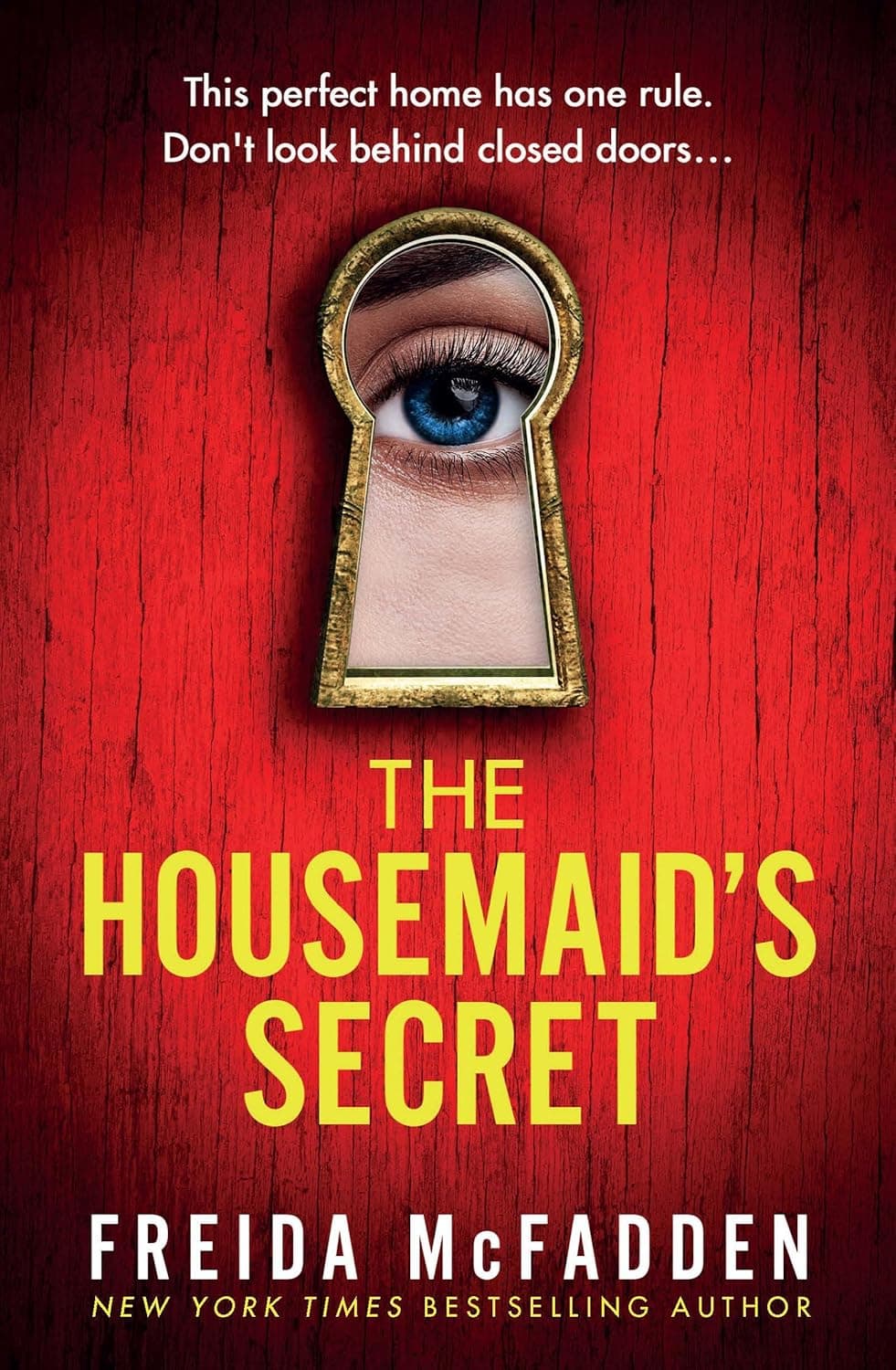
Should you read The Housemaid's Secret?
What works
The penthouse, forbidden room, bloodied clothing, and Millie's past create immediate tension around whether helping is courage or dangerous projection.
What may not work for you
The sequel leans on the first book's pattern, characters sustain implausible deception, and reversal takes priority over psychological continuity.
What may test your patience
The locked-room warnings and Douglas Garrick's controlling behavior are prolonged until the book has positioned readers for the expected reinterpretation.
Does the ending reward the effort?
The twists deliver momentum and consequence, though the final arrangement feels more constructed than the original's payback.
Reading The Housemaid's Secret closely
Millie Calloway walks into what seems like a dream job: a high rise penthouse, a grateful husband, and a mysterious wife who supposedly cannot face the world. The locked guest bedroom, the blood on white nightgowns, and the strict rule not to open certain doors signal that this sequel will push her instincts and survival skills further than the first book.
Freida McFadden keeps the focus tight on Millie's point of view, so every small detail in the Garricks' apartment feels loaded. Readers who enjoyed the first book's mix of domestic chores and creeping dread will recognise the pattern, yet this story plays with expectations by asking how much Millie has really learned from past mistakes. The pacing is brisk, with short chapters, constant reversals, and several turns that reward paying attention without spoiling the sense of surprise.
The Housemaid's Secret continues Millie's story after The Housemaid, so her history changes how returning readers interpret the choices she makes in the penthouse. See The Housemaid books in order for the full sequence.
The novel fits the current appetite for domestic thrillers built around messy relationships, morally gray decisions, and a finale designed to provoke argument. Readers wanting more of Millie's particular chaos can use the order guide to continue through the series after this installment.
What the penthouse setting changes
A claustrophobic penthouse setting where closed doors, strange noises, and tiny details keep raising suspicion.
A sequel that understands reader expectations from The Housemaid and uses them to fuel new twists instead of simply repeating the first book.
Short, addictive chapters that make it easy to read "just one more" until you suddenly reach the final reveal.
Series context and next steps
Treat this as Book 2 in The Housemaid series and read it after The Housemaid if you want Millie's emotional arc to land with maximum impact.
Browse our thriller and psychological thriller shelves to find other locked apartment, secret past, and domestic suspense stories that pair well with this one.
Use the Housemaid reading-order guide for the complete sequence, then follow the Freida McFadden author page for other reviewed thrillers.
Three useful comparisons
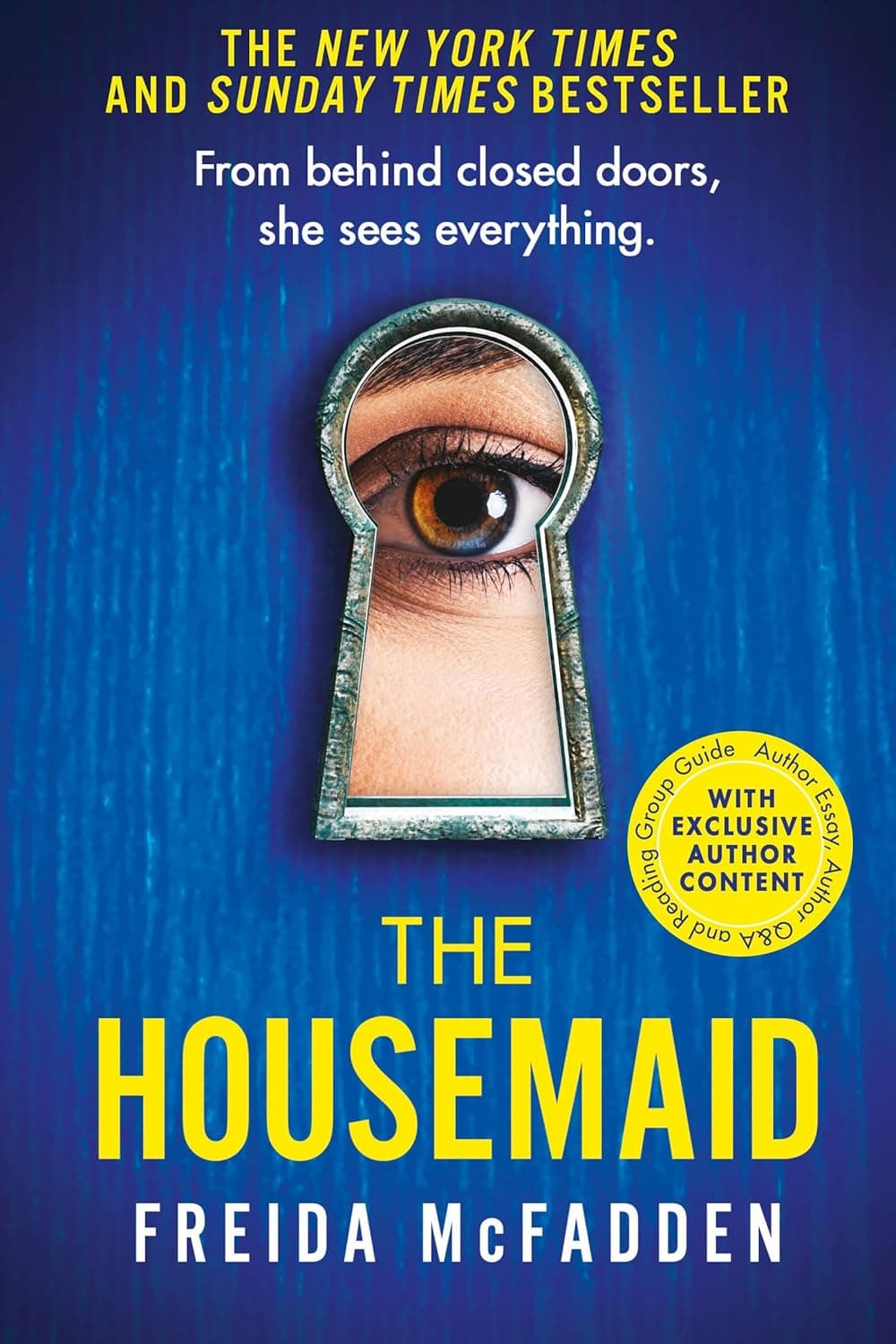
The Housemaid
The first Housemaid is tighter, more surprising, and required for Millie's history.
Best for: Choose it for a fast domestic thriller with unreliable impressions, class tension, abuse themes, and a major perspective reversal.
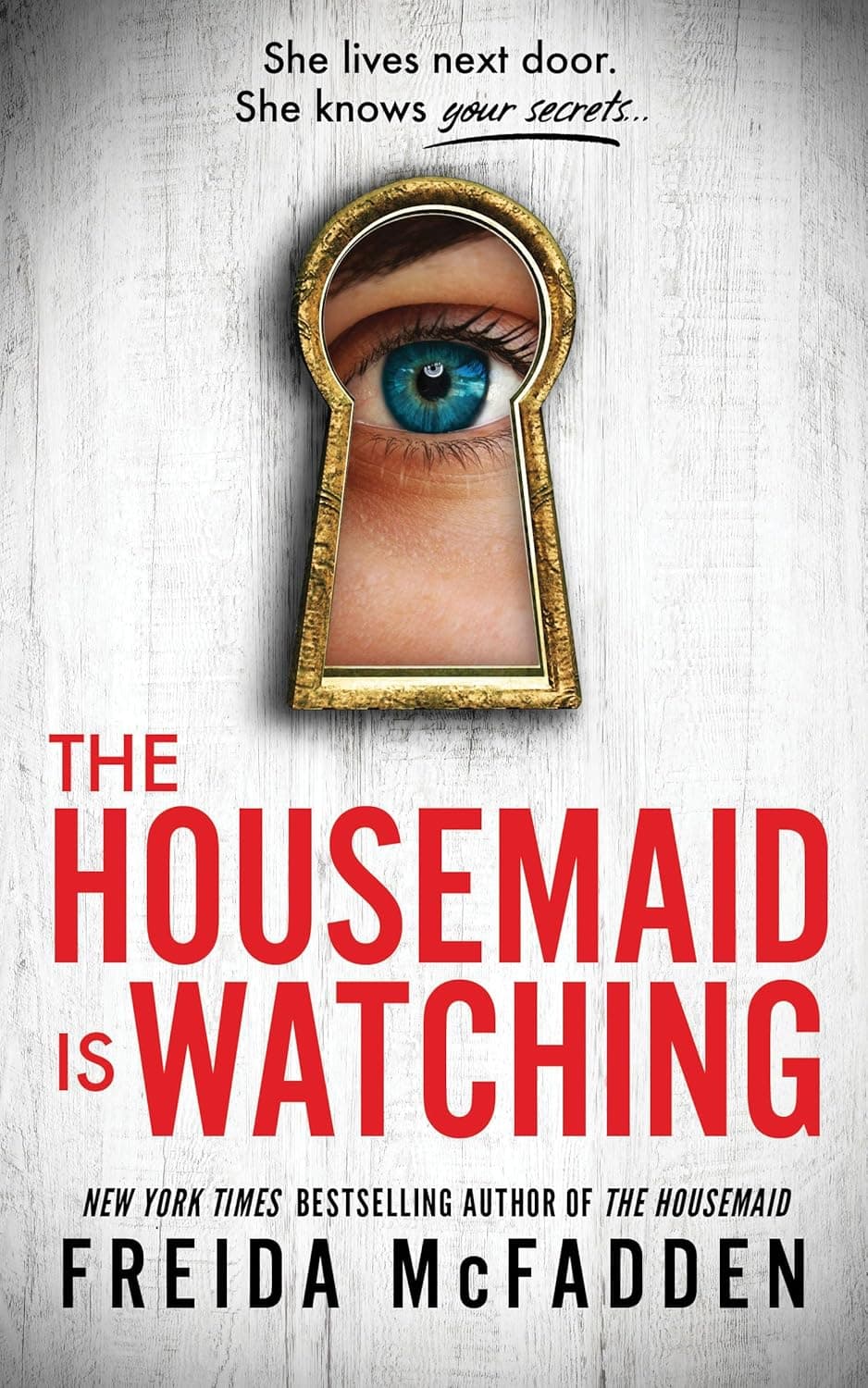
The Housemaid Is Watching
The third book shifts Millie into marriage, motherhood, suburbia, and fear for her own family.
Best for: Readers who completed the first two Housemaid books and want a suburban family-focused continuation.
The Inmate
The Inmate uses prison access and disputed memory for a more crime-centered twist plot.
Best for: Choose it for a quick prison thriller with old-boyfriend danger, disputed testimony, and multiple reversals.
Make the next decision
Reading and buying guides featuring The Housemaid's Secret
Series buying note
Would the collection be the better buy?
These are useful only when you want several books in the same run. The notes below spell out what each package includes and, just as importantly, what it leaves out.
Four-book paperback box set
The Housemaid Box Set
This is the tidy way to own Millie's complete story so far: the three novels plus the short bridge between books two and three.
Included: The Housemaid, The Housemaid's Secret, The Housemaid Is Watching, The Housemaid's Wedding
Our buying note: Try The Housemaid first if you are unsure about McFadden's twist-heavy style. If it works for you, the set makes more sense than hunting down the remaining books separately.