What to read next
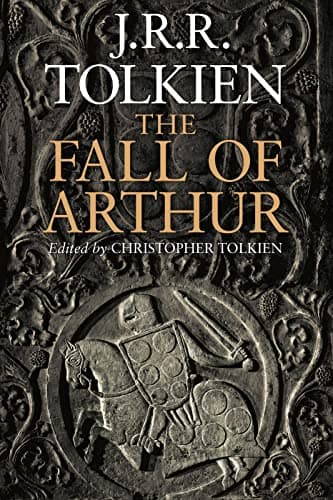
10 books like The Fall of Arthur
Arthur's return, Mordred's ambition, and Guinevere's isolation receive compressed dramatic force, while landscape and battle preparation carry Old English weight. If that is what you want more of after The Fall of Arthur, these recommendations preserve that appeal in different ways, without pretending every similar book offers the same experience.
Start with our The Fall of Arthur review by J.R.R. Tolkien.

Choose by reading mood
Where to start
For the fastest read
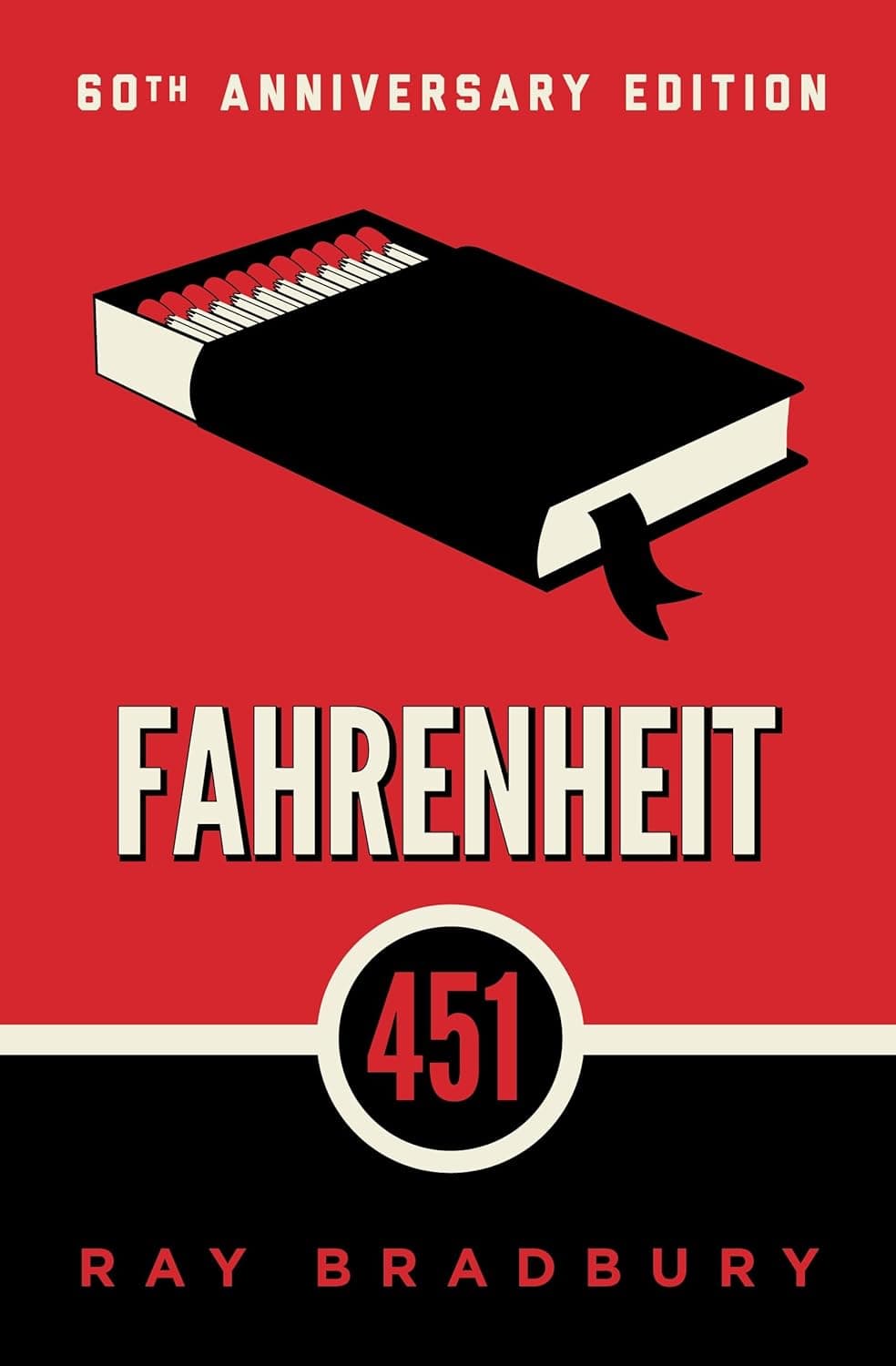
Fahrenheit 451
BalancedFor the darkest read
Frankenstein
DarkFor minimal romance
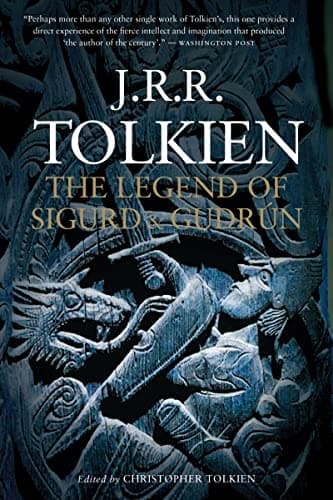
The Legend of Sigurd and Gudrún
MinimalFor the easiest entry
Brave New World
ModerateThe full shortlist
Why each book belongs here
Each match is judged against The Fall of Arthur, not merely placed beside it because the books share a broad genre label.
The Legend of Sigurd and Gudrún
- Shared ground
- Both books come from J.R.R. Tolkien, and they reward attention to voice, social context, and the consequences of mistaken judgment.
- What changes
- Sigurd and Gudrún offers a completed tragic sequence in a similarly demanding alliterative mode.
- Best for
- Readers of Norse mythology, alliterative verse, and Tolkien's scholarly creative experiments.
- Pace Measured
- Darkness Gentle
- Romance Minimal
- Difficulty Moderate
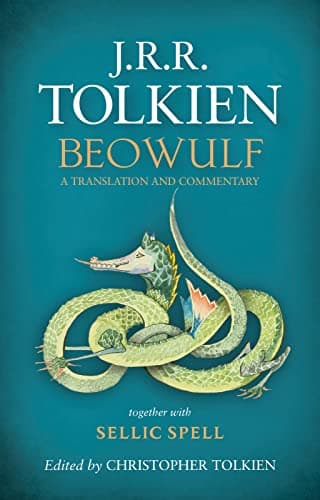
Beowulf: A Translation and Commentary
- Shared ground
- Both books come from J.R.R. Tolkien, and they reward attention to voice, social context, and the consequences of mistaken judgment.
- What changes
- Beowulf provides the medieval source tradition most closely connected to Tolkien's alliterative craft.
- Best for
- Readers studying Beowulf, Tolkien's scholarship, translation choices, and the medieval roots of his imaginative work.
- Pace Balanced
- Darkness Gentle
- Romance Minimal
- Difficulty Demanding
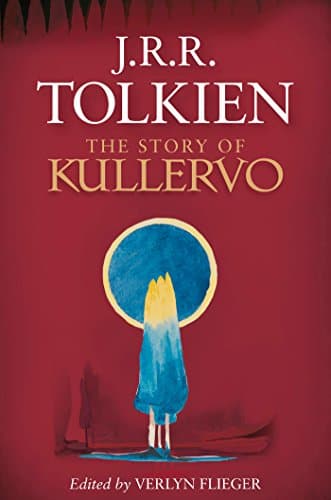
The Story of Kullervo
- Shared ground
- Both books come from J.R.R. Tolkien, and they reward attention to voice, social context, and the consequences of mistaken judgment.
- What changes
- Kullervo is another incomplete early engagement with inherited legend, presented with more developmental context.
- Best for
- Specialists interested in Tolkien's development, the Kalevala, and the origins of the Túrin story.
- Pace Balanced
- Darkness Gentle
- Romance Minimal
- Difficulty Moderate
The Fall of Gondolin
- Shared ground
- Both books show how organized violence reshapes loyalty, identity, and ordinary life.
- What changes
- The Fall of Gondolin has a similar overall reading load, but changes the emphasis. Tuor's journey, Gondolin's hidden beauty, and the assault's machines and monsters show ideas that Tolkien would refine across his mythology.
- Best for
- First Age enthusiasts and readers interested in Tolkien's revisions, not newcomers seeking a seamless Gondolin novel.
- Pace Measured
- Darkness Gentle
- Romance Minimal
- Difficulty Moderate
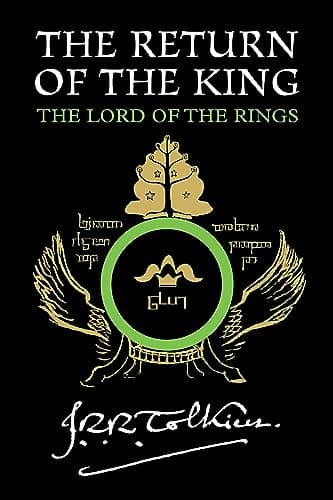
The Return of the King
- Shared ground
- Both books show how organized violence reshapes loyalty, identity, and ordinary life.
- What changes
- The Return of the King has a similar overall reading load, but changes the emphasis. The great battles never replace Frodo and Sam's physical ordeal, and the multiple endings show that defeating an enemy does not restore every wounded person.
- Best for
- Readers completing the trilogy who want catharsis, costly victory, homecoming, and an unusually serious aftermath.
- Pace Balanced
- Darkness Moderate
- Romance Minimal
- Difficulty Moderate
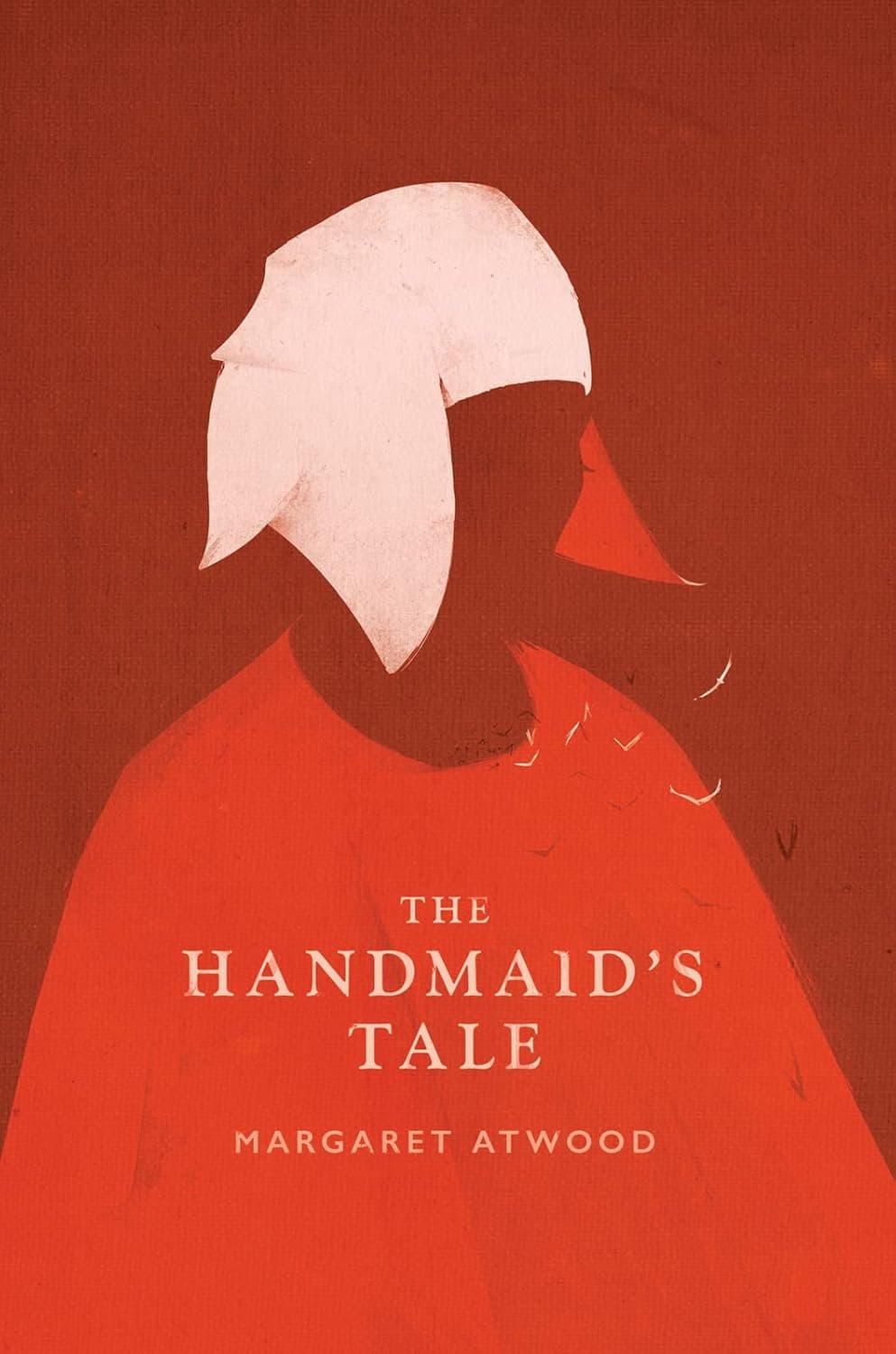
The Handmaid's Tale
- Shared ground
- Both books reward attention to voice, social context, and the consequences of mistaken judgment.
- What changes
- The Handmaid's Tale is darker than The Fall of Arthur. Offred's attention to rooms, clothing, ritual phrases, and tiny exchanges shows how political power occupies ordinary life.
- Best for
- Readers interested in reproductive control, memory, religious authoritarianism, and narrators whose uncertainty is part of their resistance.
- Pace Measured
- Darkness Moderate
- Romance Minimal
- Difficulty Moderate
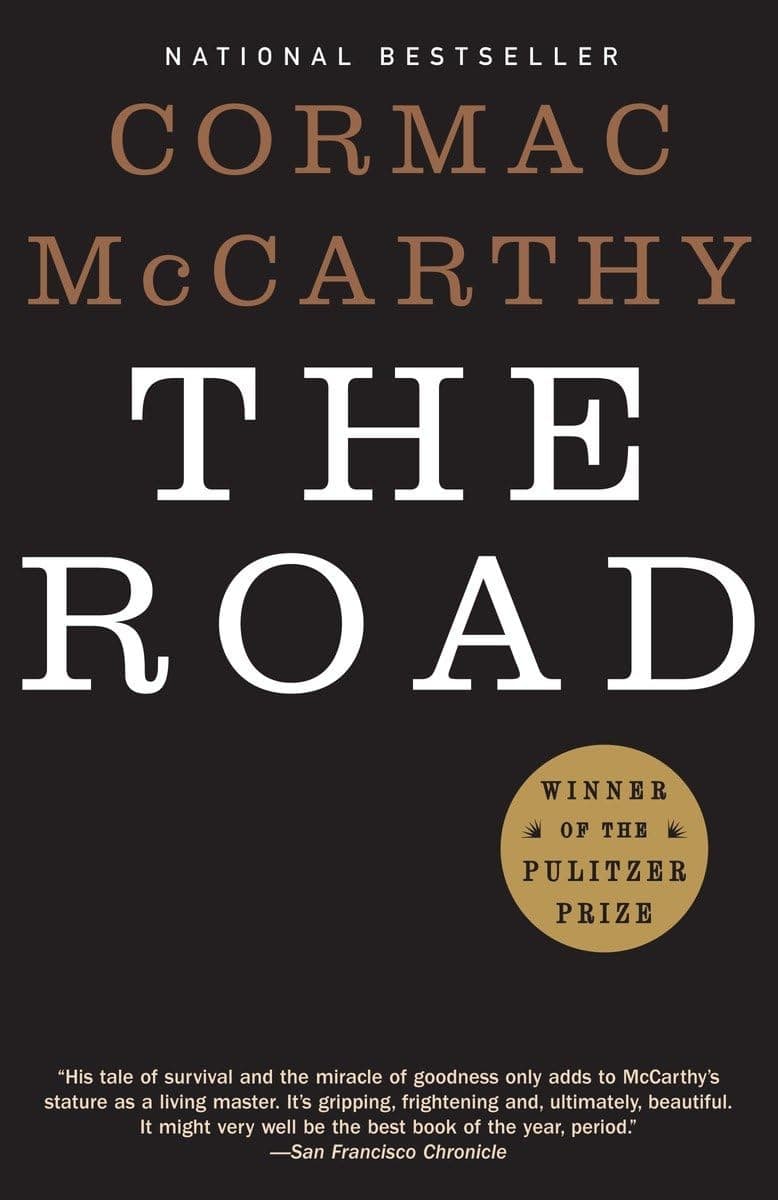
The Road
- Shared ground
- Both books reward attention to voice, social context, and the consequences of mistaken judgment.
- What changes
- The Road is darker than The Fall of Arthur. The father and son's repetitive acts of checking food, shelter, fire, and one another turn survival into relationship.
- Best for
- Readers prepared for severe post-apocalyptic fiction centered on parenthood, moral endurance, and grief rather than worldbuilding.
- Pace Balanced
- Darkness Dark
- Romance Minimal
- Difficulty Moderate
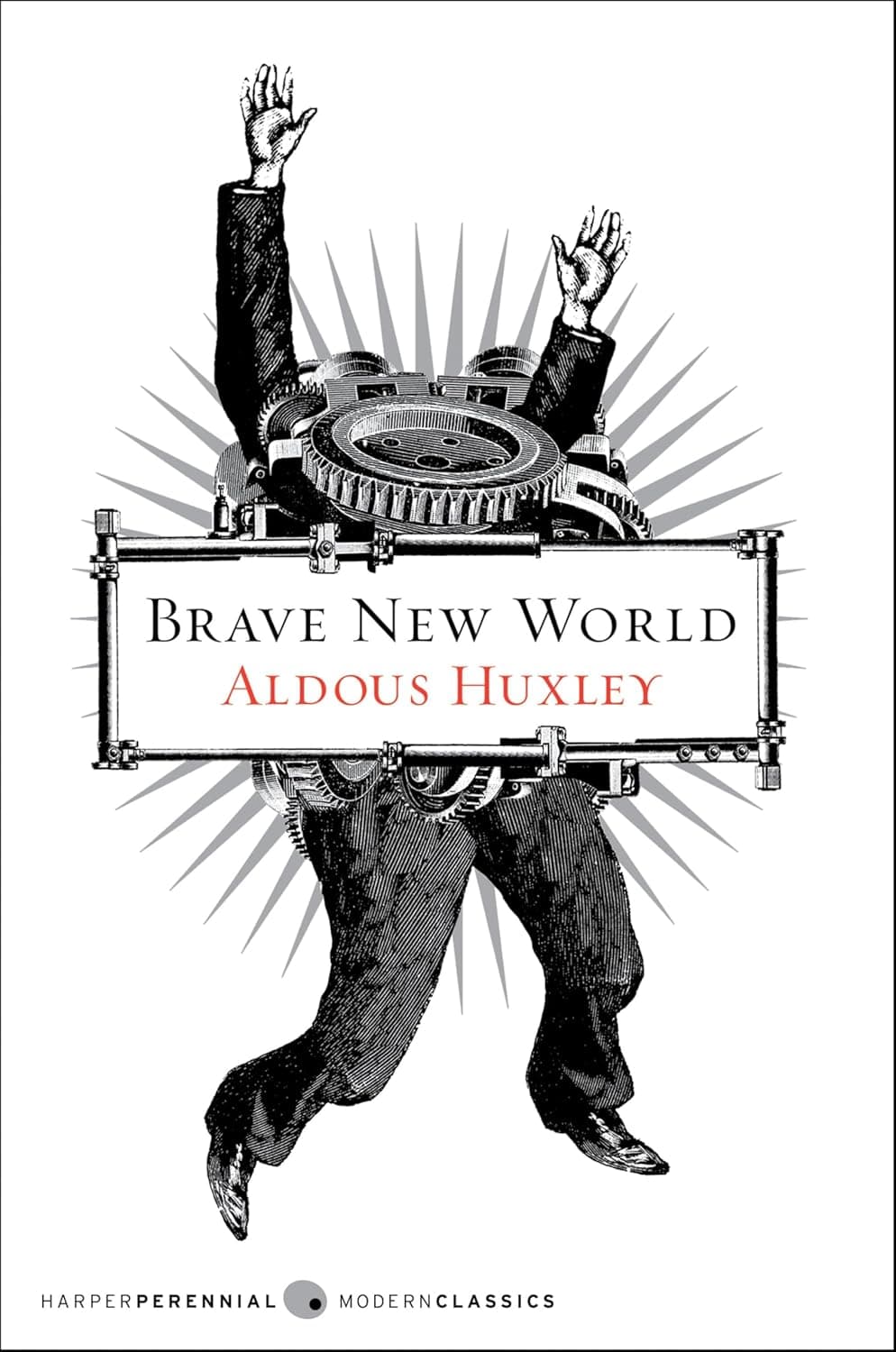
Brave New World
- Shared ground
- Both books reward attention to voice, social context, and the consequences of mistaken judgment.
- What changes
- Brave New World has a similar overall reading load, but changes the emphasis. Huxley connects consumption, entertainment, sex, pharmaceuticals, and biological design into one coherent system.
- Best for
- Readers who prefer idea-driven dystopia and social satire to intimate characterization or sustained suspense.
- Pace Balanced
- Darkness Moderate
- Romance Minimal
- Difficulty Moderate
Fahrenheit 451
- Shared ground
- Both books reward attention to voice, social context, and the consequences of mistaken judgment.
- What changes
- Fahrenheit 451 is faster than The Fall of Arthur. Bradbury understands censorship as a cultural appetite as well as a government policy.
- Best for
- Readers wanting a short, lyrical dystopia about censorship, media saturation, and the cost of paying attention.
- Pace Balanced
- Darkness Moderate
- Romance Minimal
- Difficulty Moderate
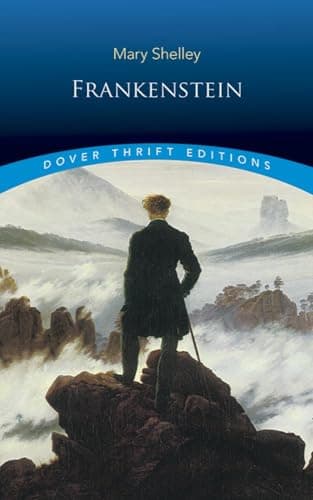
Frankenstein
- Shared ground
- Both books reward attention to voice, social context, and the consequences of mistaken judgment.
- What changes
- Frankenstein is darker than The Fall of Arthur. The creature's education transforms the moral balance of the novel.
- Best for
- Readers interested in responsibility, isolation, unreliable self-justification, and Gothic philosophy more than conventional horror.
- Pace Balanced
- Darkness Dark
- Romance Minimal
- Difficulty Moderate
Side-by-side
Pace, darkness, romance, and difficulty
Use these labels as directional guidance. The individual notes above explain the tradeoffs.
| Book | Pace | Darkness | Romance | Difficulty |
|---|---|---|---|---|
| The Fall of Arthur | Measured | Gentle | Minimal | Moderate |
| The Legend of Sigurd and Gudrún | Measured | Gentle | Minimal | Moderate |
| Beowulf: A Translation and Commentary | Balanced | Gentle | Minimal | Demanding |
| The Story of Kullervo | Balanced | Gentle | Minimal | Moderate |
| The Fall of Gondolin | Measured | Gentle | Minimal | Moderate |
| The Return of the King | Balanced | Moderate | Minimal | Moderate |
| The Handmaid's Tale | Measured | Moderate | Minimal | Moderate |
| The Road | Balanced | Dark | Minimal | Moderate |
| Brave New World | Balanced | Moderate | Minimal | Moderate |
| Fahrenheit 451 | Balanced | Moderate | Minimal | Moderate |
| Frankenstein | Balanced | Dark | Minimal | Moderate |
Keep exploring
Explore another Books Like guide
Start from another familiar book and compare a new set of reading paths.