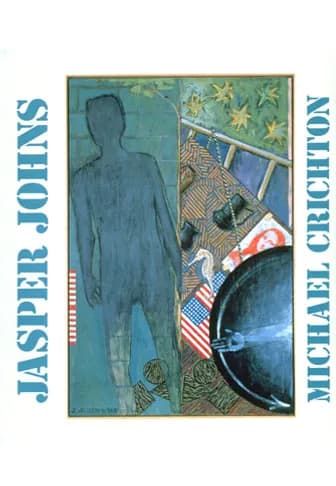
Should you read Jasper Johns?
What works
The discussion of flags, targets, maps, numbers, and process helps readers see repetition and material change rather than search only for hidden symbolism.
What may not work for you
The critical vocabulary and available body of work belong to an earlier moment, while admiration sometimes replaces sustained challenge.
What may test your patience
Readers without images beside the text may struggle through detailed descriptions whose visual evidence is essential.
Does the ending reward the effort?
The study closes as an interpretation of an active career, necessarily provisional rather than comprehensive.
Reading Jasper Johns closely
Jasper Johns is Michael Crichton's sustained study of the American artist known for flags, targets, numbers, maps, and familiar symbols made newly difficult through repetition and material presence. Rather than supplying one decoding key, Crichton examines works, processes, statements, and studio habits to show why apparently recognizable images resist quick interpretation.
The book benefits from Crichton's friendship with Johns and his preference for clear, curious explanation. He approaches paintings, prints, and sculpture as constructed objects, paying attention to wax, collage, imprint, sequence, and revision. Illustrations are therefore essential rather than decorative; the argument depends on seeing differences among works that reproduce the same motif.
This is an art monograph, not a biography in the narrative style of Travels or a novel about an artist. Edition quality matters because image size and color reproduction affect the reading experience, and older copies may vary in condition. It suits readers of modern American art who want an accessible but serious companion to Johns's work.
Familiar symbols made strange
Flags and numbers arrive already loaded with meaning, allowing Johns to explore whether viewers see an image or recognize a sign.
Materials and repetition
Crichton emphasizes how encaustic, collage, printmaking, and repeated motifs make physical process part of interpretation.
Access without a final answer
Personal familiarity with Johns gives the study proximity, but Crichton avoids reducing the art to one psychological explanation.
Three useful comparisons
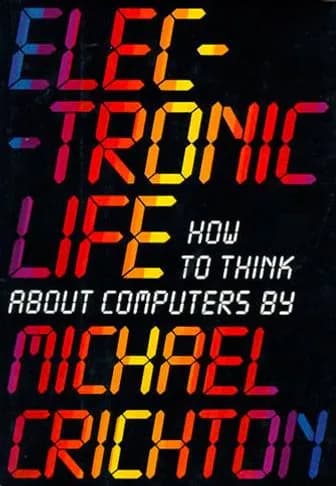
Electronic Life
Electronic Life is another period-specific Crichton nonfiction work, focused on computers and practical explanation.
Best for: Technology historians, Crichton completists, and readers nostalgic for the arrival of home computers.
As an Amazon Associate, I earn from qualifying purchases.
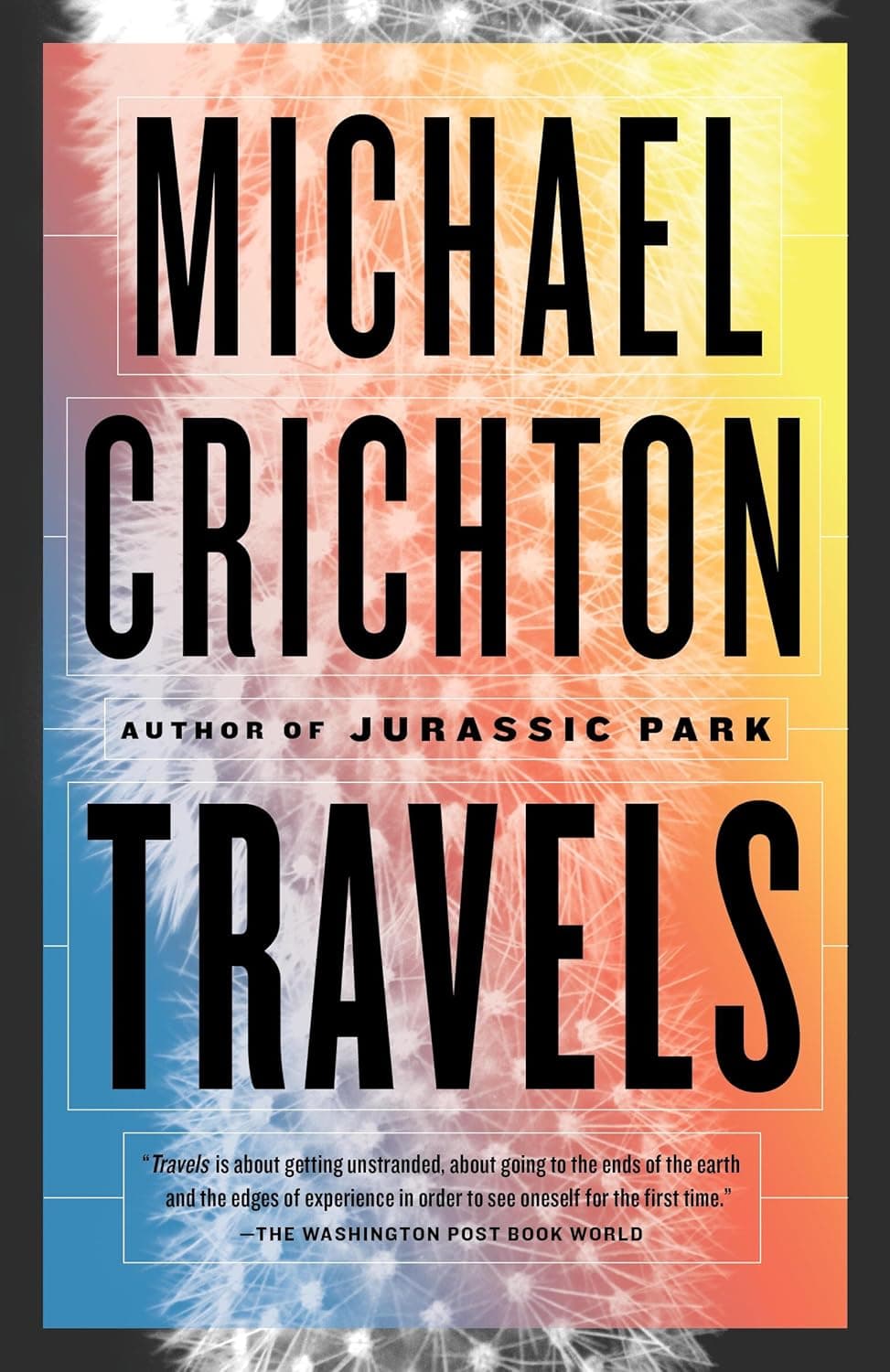
Travels
Travels reveals more of Crichton's personal voice and changing beliefs across memoir and reportage.
Best for: Readers curious about Crichton's life and willing to follow a memoir from medicine into unconventional spiritual territory.
As an Amazon Associate, I earn from qualifying purchases.
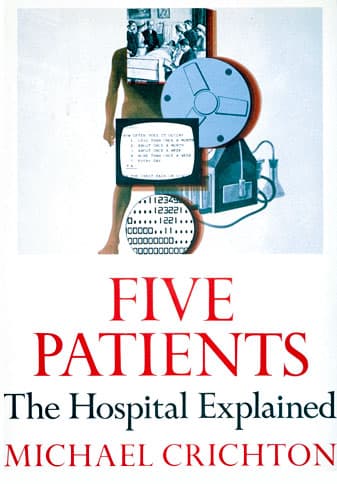
Five Patients
Five Patients applies his explanatory method to medicine and institutions with greater narrative access.
Best for: Readers interested in medical history, hospital systems, and Crichton's nonfiction roots.
As an Amazon Associate, I earn from qualifying purchases.