What to read next
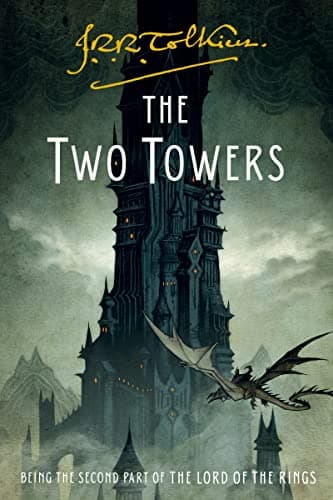
10 books like The Two Towers
Rohan, Isengard, the Ents, Gollum, and Ithilien each test a different form of loyalty, making the divided structure thematically richer than a single march. If that is what you want more of after The Two Towers, these recommendations preserve that appeal in different ways, without pretending every similar book offers the same experience.
Start with our The Two Towers review by J.R.R. Tolkien.

Choose by reading mood
Where to start
For the fastest read
A Storm of Swords
BalancedFor the darkest read
The Curse of Hester Gardens
Very darkFor minimal romance
The Fellowship of the Ring
MinimalFor the easiest entry
Bury Our Bones in the Midnight Soil
AccessibleThe full shortlist
Why each book belongs here
Each match is judged against The Two Towers, not merely placed beside it because the books share a broad genre label.
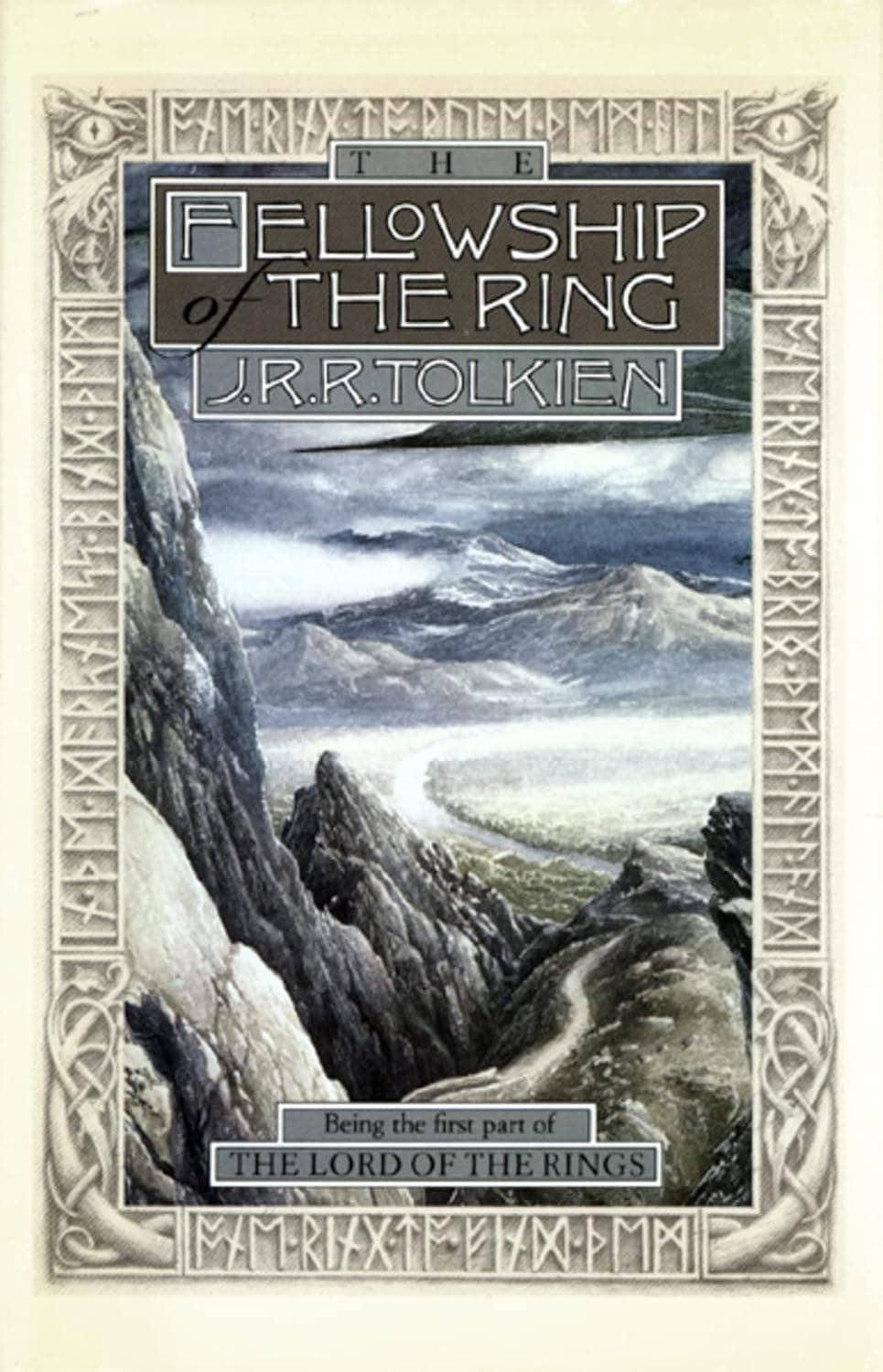
The Fellowship of the Ring
- Shared ground
- Both books come from J. R. R. Tolkien, and they reward attention to voice, social context, and the consequences of mistaken judgment.
- What changes
- Fellowship is more unified and exploratory; Two Towers is fractured, darker, and more openly political.
- Best for
- Readers willing to move slowly through language, landscape, and history for foundational epic fantasy and deep companionship.
- Pace Measured
- Darkness Gentle
- Romance Minimal
- Difficulty Moderate
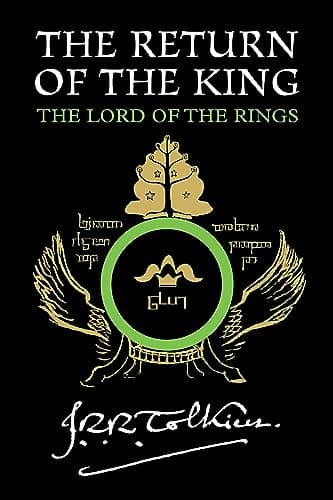
The Return of the King
- Shared ground
- Both books show how organized violence reshapes loyalty, identity, and ordinary life.
- What changes
- Return of the King brings the paths together for larger payoff and a much longer aftermath.
- Best for
- Readers completing the trilogy who want catharsis, costly victory, homecoming, and an unusually serious aftermath.
- Pace Balanced
- Darkness Moderate
- Romance Minimal
- Difficulty Moderate
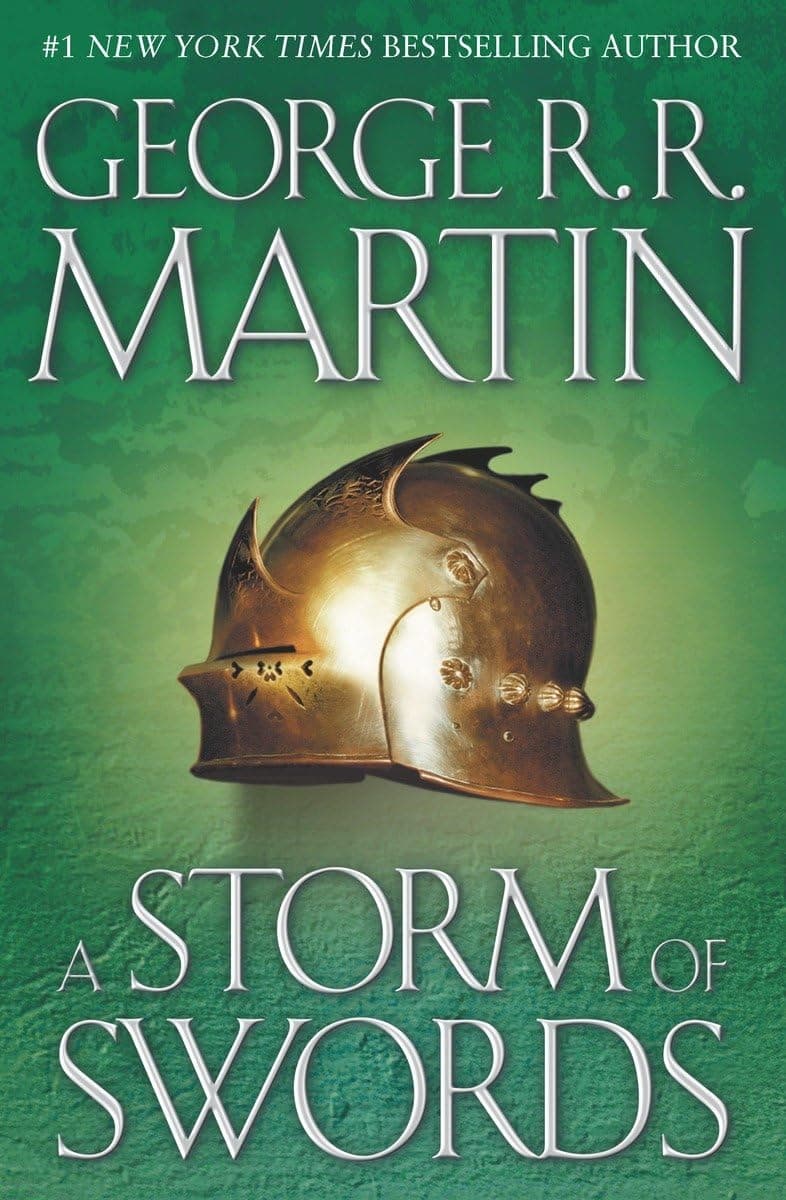
A Storm of Swords
- Shared ground
- Both books show how organized violence reshapes loyalty, identity, and ordinary life.
- What changes
- A Storm of Swords offers faster reversals and harsher political betrayal, with less mythic moral clarity.
- Best for
- Readers invested in the first two volumes and prepared for extreme violence, betrayal, war, and transformative character turns.
- Pace Balanced
- Darkness Moderate
- Romance Minimal
- Difficulty Accessible
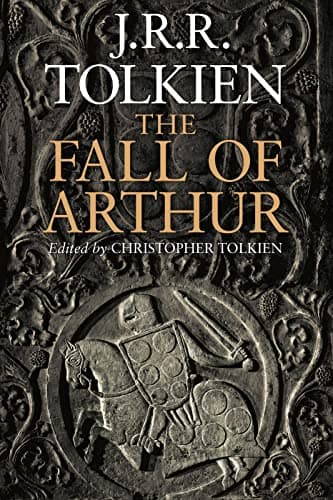
The Fall of Arthur
- Shared ground
- Both books show how organized violence reshapes loyalty, identity, and ordinary life.
- What changes
- The Fall of Arthur has a similar overall reading load, but changes the emphasis. Arthur's return, Mordred's ambition, and Guinevere's isolation receive compressed dramatic force, while landscape and battle preparation carry Old English weight.
- Best for
- Tolkien scholars, Arthurian readers, and poetry enthusiasts comfortable with fragments and editorial apparatus.
- Pace Measured
- Darkness Gentle
- Romance Minimal
- Difficulty Moderate
The Fall of Gondolin
- Shared ground
- Both books show how organized violence reshapes loyalty, identity, and ordinary life.
- What changes
- The Fall of Gondolin has a similar overall reading load, but changes the emphasis. Tuor's journey, Gondolin's hidden beauty, and the assault's machines and monsters show ideas that Tolkien would refine across his mythology.
- Best for
- First Age enthusiasts and readers interested in Tolkien's revisions, not newcomers seeking a seamless Gondolin novel.
- Pace Measured
- Darkness Gentle
- Romance Minimal
- Difficulty Moderate
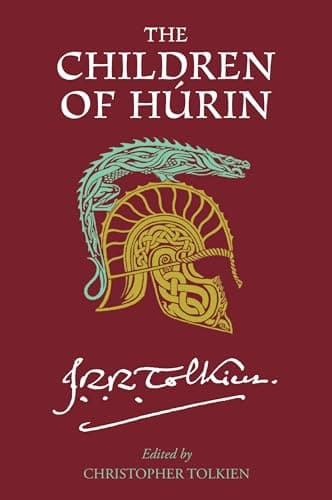
The Children of Húrin
- Shared ground
- Both books show how organized violence reshapes loyalty, identity, and ordinary life.
- What changes
- The Children of Húrin is faster than The Two Towers. Túrin's courage, pride, secrecy, and repeated reinvention make the curse operate through character as well as supernatural malice.
- Best for
- Readers who know The Silmarillion or want a standalone entrance into Tolkien's tragic First Age.
- Pace Balanced
- Darkness Gentle
- Romance Minimal
- Difficulty Moderate
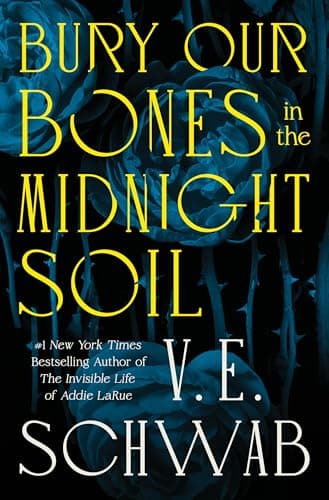
Bury Our Bones in the Midnight Soil
- Shared ground
- Both books use impossible worlds and supernatural pressure to test their characters.
- What changes
- Bury Our Bones in the Midnight Soil is faster, darker, and easier to enter than The Two Towers. María, Charlotte, and Alice make immortality mean something different in each century, allowing desire, reinvention, predation, and loneliness to echo without collapsing into one moral.
- Best for
- Adult readers wanting sapphic vampires, historical settings, nonlinear structure, sensual prose, violence, hunger, toxic intimacy, and meditations on freedom.
- Pace Balanced
- Darkness Dark
- Romance Minimal
- Difficulty Accessible
The Curse of Hester Gardens
- Shared ground
- Both books use impossible worlds and supernatural pressure to test their characters.
- What changes
- The Curse of Hester Gardens is faster, darker, and easier to enter than The Two Towers. The house's unstable geography, inherited records, and buried violence create sustained unease, while the family history gives the supernatural threat emotional roots.
- Best for
- Gothic-horror readers who prefer inherited secrets, oppressive houses, family trauma, slow dread, and supernatural violence to constant jump scares.
- Pace Balanced
- Darkness Very dark
- Romance Minimal
- Difficulty Accessible
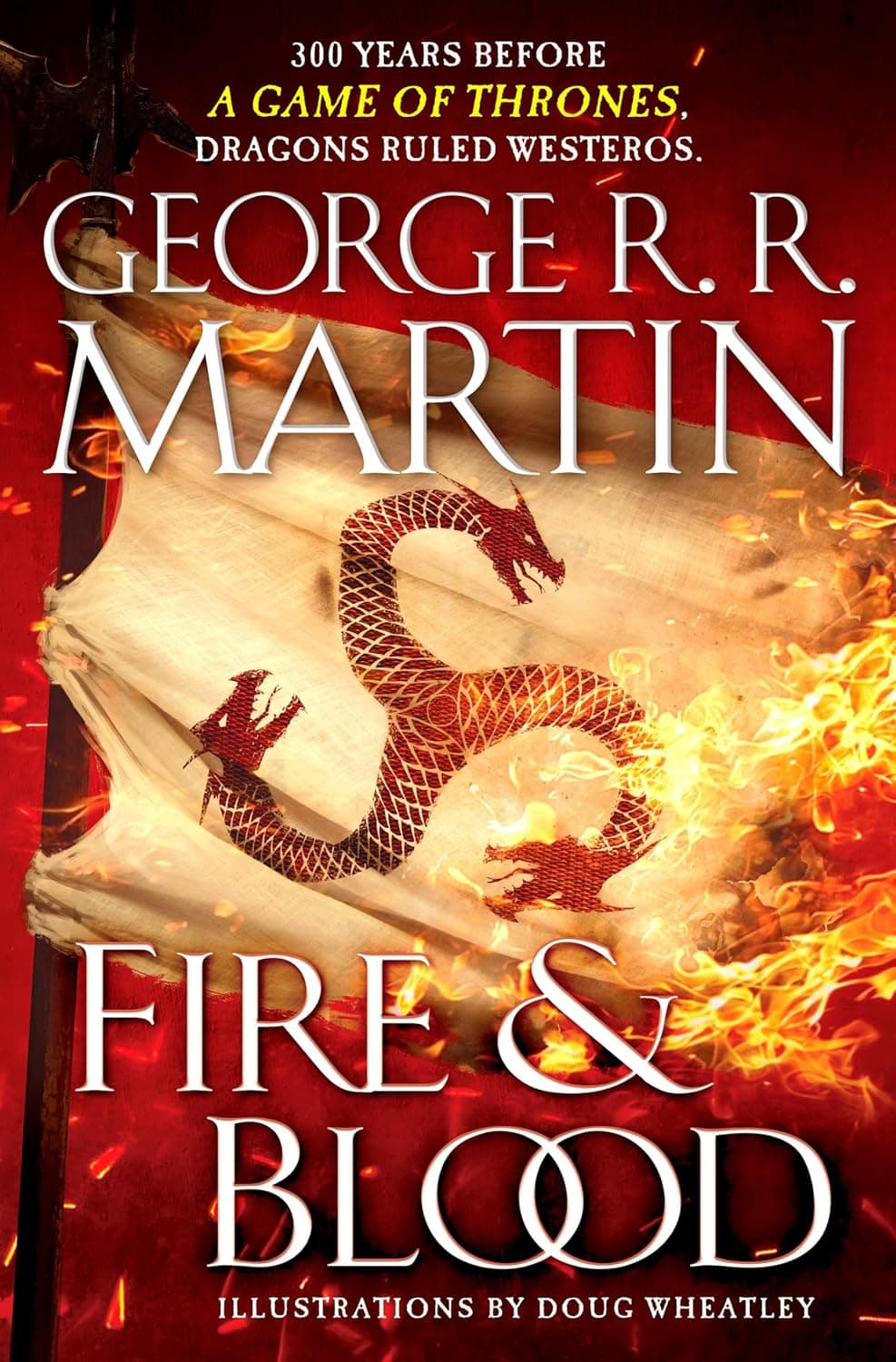
Fire and Blood
- Shared ground
- Both books use impossible worlds and supernatural pressure to test their characters.
- What changes
- Fire and Blood is faster and easier to enter than The Two Towers. The Dance of the Dragons gains scale from disputed testimony, political marriages, succession law, and the chronicler's inability to settle motive.
- Best for
- Targaryen enthusiasts and readers who enjoy dynastic pseudo-history, unreliable sources, and political succession more than close viewpoint fiction.
- Pace Balanced
- Darkness Gentle
- Romance Minimal
- Difficulty Accessible
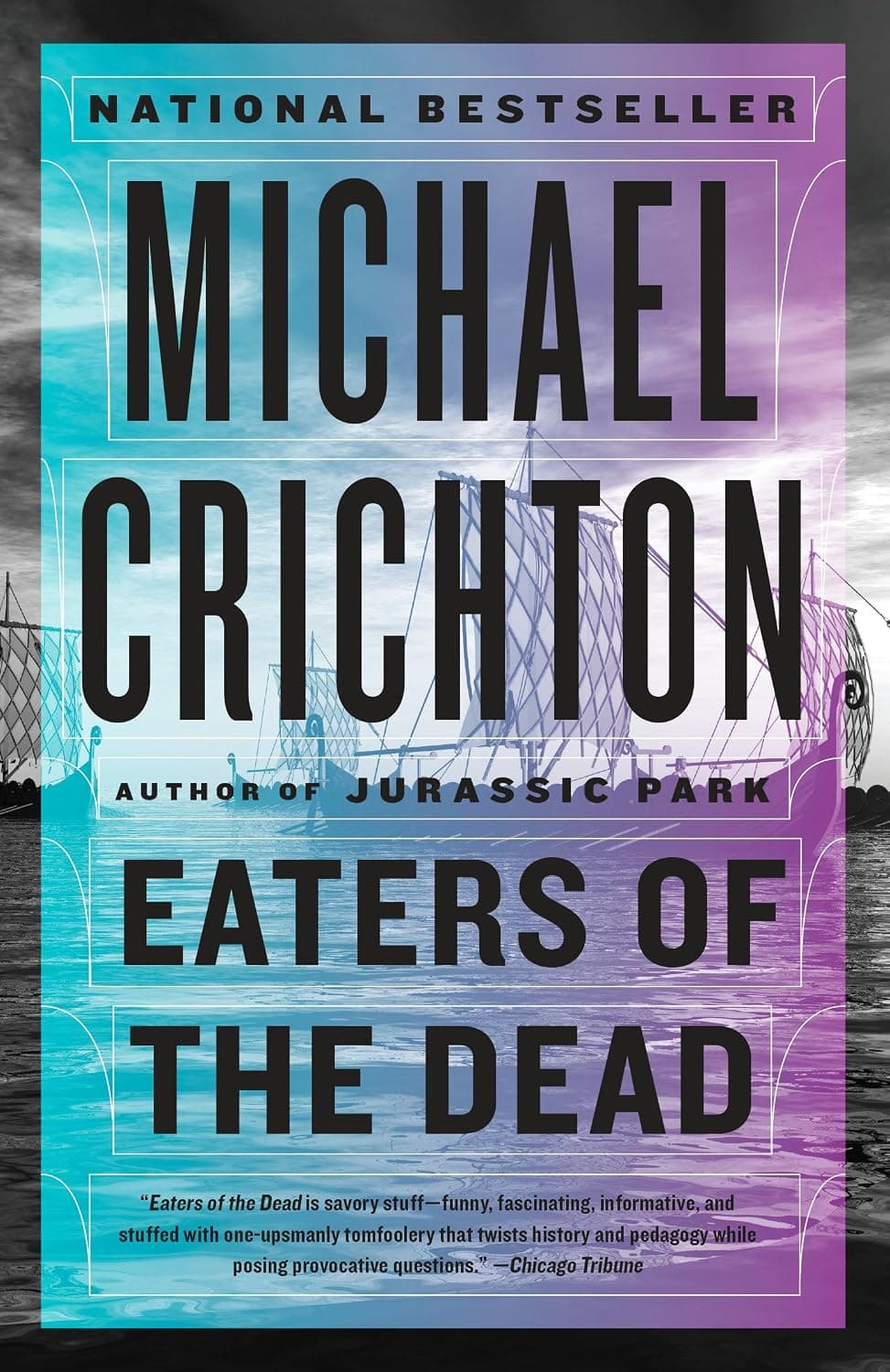
Eaters of the Dead
- Shared ground
- Both books use impossible worlds and supernatural pressure to test their characters.
- What changes
- Eaters of the Dead is faster and easier to enter than The Two Towers. Ibn Fadlan's outsider observations of Norse bodies, rituals, travel, and combat give legendary events anthropological texture.
- Best for
- Readers wanting historical adventure, Beowulf revision, Norse travel, and playful pseudo-scholarship.
- Pace Balanced
- Darkness Gentle
- Romance Minimal
- Difficulty Accessible
Side-by-side
Pace, darkness, romance, and difficulty
Use these labels as directional guidance. The individual notes above explain the tradeoffs.
| Book | Pace | Darkness | Romance | Difficulty |
|---|---|---|---|---|
| The Two Towers | Slow burn | Gentle | Minimal | Moderate |
| The Fellowship of the Ring | Measured | Gentle | Minimal | Moderate |
| The Return of the King | Balanced | Moderate | Minimal | Moderate |
| A Storm of Swords | Balanced | Moderate | Minimal | Accessible |
| The Fall of Arthur | Measured | Gentle | Minimal | Moderate |
| The Fall of Gondolin | Measured | Gentle | Minimal | Moderate |
| The Children of Húrin | Balanced | Gentle | Minimal | Moderate |
| Bury Our Bones in the Midnight Soil | Balanced | Dark | Minimal | Accessible |
| The Curse of Hester Gardens | Balanced | Very dark | Minimal | Accessible |
| Fire and Blood | Balanced | Gentle | Minimal | Accessible |
| Eaters of the Dead | Balanced | Gentle | Minimal | Accessible |
Keep exploring
Explore another Books Like guide
Start from another familiar book and compare a new set of reading paths.