What to read next
6 Books Like The Killer Isn't June: Interactive Deduction Puzzles
I’d start with The Killer Isn’t Alice for one long suspect list, or Murdle: Volume 1 for cases you can solve in short sessions. These six books all leave the deductions to you.
Jump to the booksRecommended books
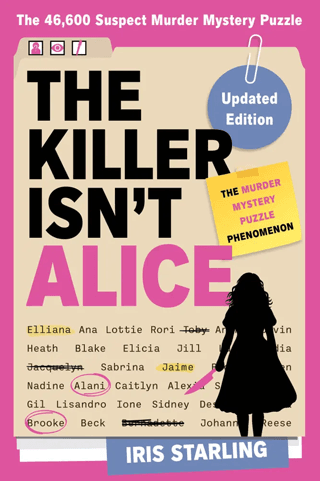
Alice disappears and leaves you a dossier and a long roster to work through. Apply eighteen conditions to the names, using details such as spelling or position to discard entries until the remaining clues agree. This is where I’d start for the same pleasure as Charlotte Brooke’s June: one small condition can change what a promising name is worth.
See more
Alice’s own case is a disappearance, and some conditions become useful after you’ve read a relevant part of the dossier. Keeping a tally of which rules you’ve applied helps when you put the book down halfway through.
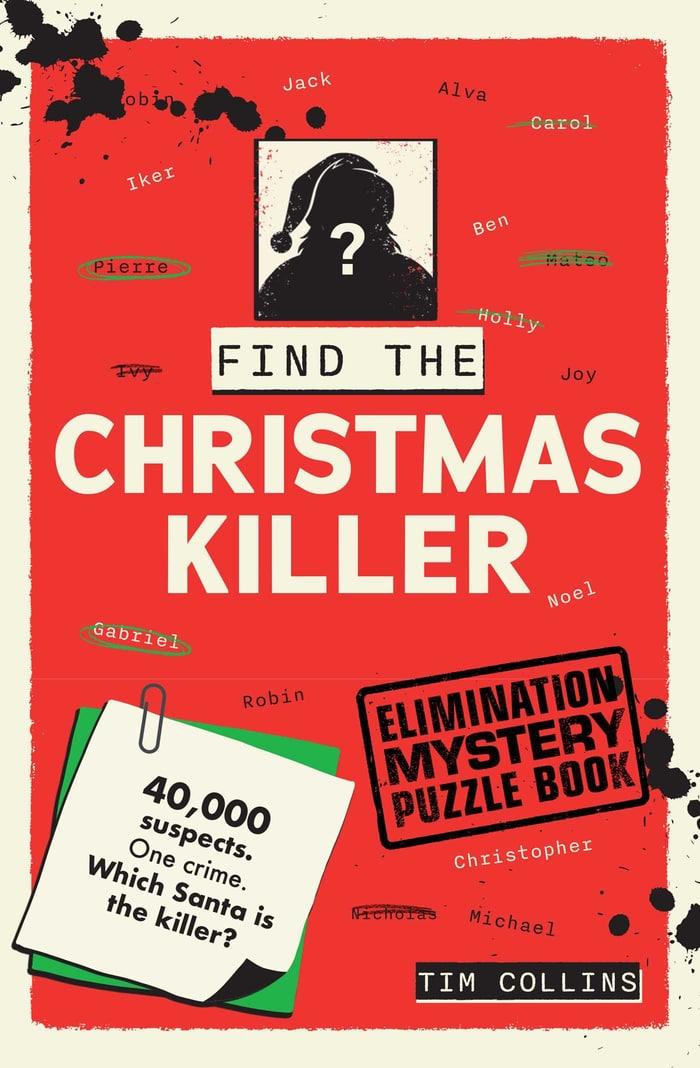
Tim Collins sends you into a Christmas Eve singalong packed with people dressed as Santa. The dozen clues narrow a single list. A name might fit the letters in one condition and still fail when you check where it appears. The tension comes from making every condition hold at once.
See more
The holiday premise gives the mystery a clear point of entry. There are only a dozen rules to keep in view, but the list of look-alike Santas means the ease of any one clue is a poor guide to how much work the whole solve takes.
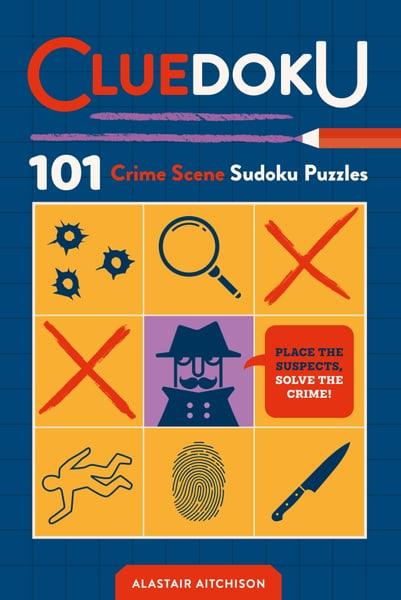
Cluedoku gives you a marked crime scene and asks who stood next to it. A witness might describe what they could see through a door. Once you place a suspect, every other person loses that row and column. As with a suspect list, one deduction matters for all the possibilities still in play.
See more
Aitchison asks you to solve a new map in every case. A floor plan lets you see a contradiction right away, but the more difficult cases can leave several plausible squares open until a second witness gives you something solid.
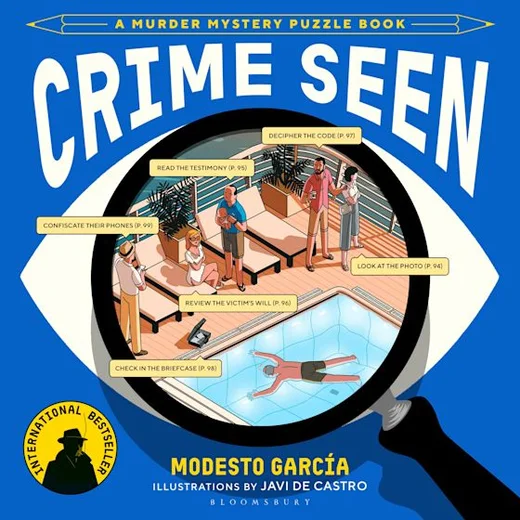
Crime Seen: A Murder Mystery Puzzle Book
An illustration opens each case. If something in the picture seems out of place, you can follow its page reference and inspect evidence such as a phone exchange. The elimination happens in your reconstruction of the scene, as one detail makes a plausible version of events harder to defend.
See more
García lets you choose the order of your search. The evidence is scattered between the illustration and other pages, so the hardest part can be deciding what to examine next. A mirror can uncover an extra hint when a case stalls.
Murdoku
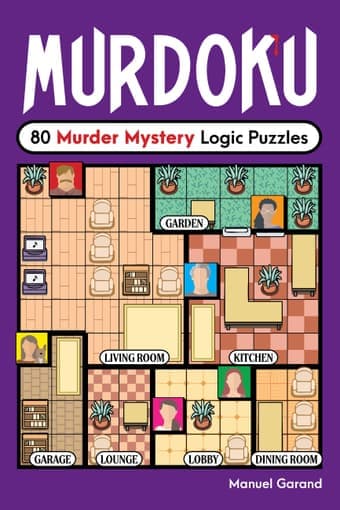
In Murdoku you work out where people belong in an illustrated crime scene. A clue about who was beside or within sight of someone eliminates positions. When enough placements agree, the arrangement tells you what happened. It’s the same satisfaction of removing possibilities, with the room doing some of the reasoning.
See more
You also have to place the victim and work out who was alone with them. The puzzle resets with each illustrated room, and the pictures reward close attention to the layout rather than keeping track of names across a long dossier.
Murdle: Volume 1
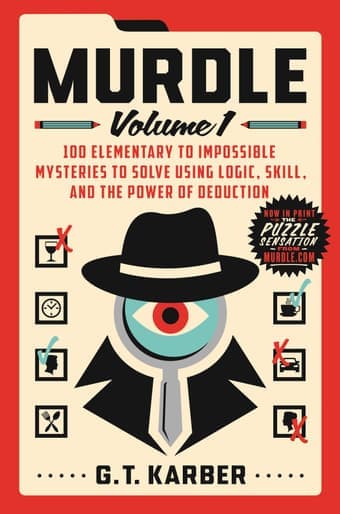
Detective Logico’s cases start with compact sets of suspects, weapons, and locations. Mark a pairing impossible, carry the consequence into another row, and keep going until the remaining matches fit. The sense of a narrowing field will be familiar if you came looking for June’s style of deduction.
See more
Each grid wraps up a single mystery and gives you a clean slate. The cases become more demanding across the volume, but it’s easy to stop after one without losing the thread of an unfinished dossier.
Is The Killer Isn’t June part of Iris Starling’s series?
The title The Killer Isn’t June has been used for separate books, including Charlotte Brooke’s COREX puzzle and a book by Alma Harper. The official follow-up to Iris Starling’s The Killer Isn’t Alice is The Killer Isn’t Beth.
Compare other puzzles and clue-driven novels after Alice · The Killer Isn’t Beth and how its case works · More elimination puzzles like Find the Christmas Killer · Compare crime scene puzzles and case files · How the Murdoku investigations change across volumes · Where to start with Murdle