What to read next
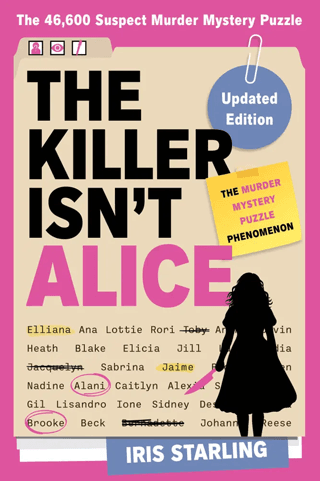
12 books like The Killer Isn't Alice: similar puzzle books
Murdle and Murdoku lead six interactive books that keep the solving in your hands. The puzzles range from illustrated investigations to a scrambled murder story. Six narrative mysteries follow, with clues and detective work woven into a novel rather than a task for you to complete.
Read my review of The Killer Isn't Alice by Iris Starling. How Murdle, Murdoku and The Killer Isn't Alice work takes a closer look at their mechanics. For a gift, seven mystery puzzle books explained includes Alice alongside the interactive titles below. For Logico's series, see the Murdle volumes and separate adventures in order.
Make these preferences your own: mix The Killer Isn't Alice with more mystery, less romance, or a different pace.
Iris Starling's announced follow-up begins with eleven unidentified victims. My guide to The Killer Isn't Beth explains the new case and its March 2027 publication.
The full shortlist
Why each book belongs here
The first six books keep you actively solving: grids, illustrated evidence, narrative reconstruction and separate logic cases. The six novels afterward put the investigation back inside a story. I have kept those as a different route from Alice, rather than treating a detective novel as the same activity.
Six interactive mystery puzzle books
Murdle: Volume 1
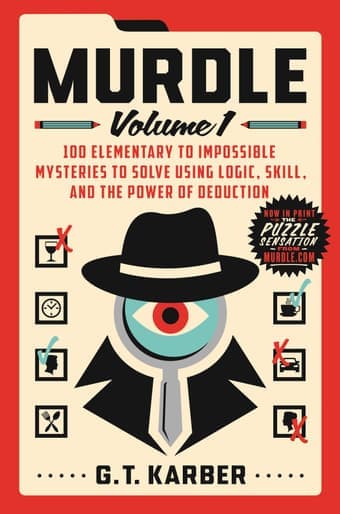
Murdle keeps the detective work in your hands. Each case supplies written clues about suspects, weapons and locations; you record the connections on a logic grid and rule out combinations that cannot fit. Like The Killer Isn't Alice, the answer depends on applying conditions consistently.
Its 100 cases give the deduction a different rhythm from Alice's single large suspect list. There are fresh problems to solve, recurring characters and a mystery connecting the cases. I put it first because it preserves the active solving while giving each investigation a smaller frame.
Murdoku
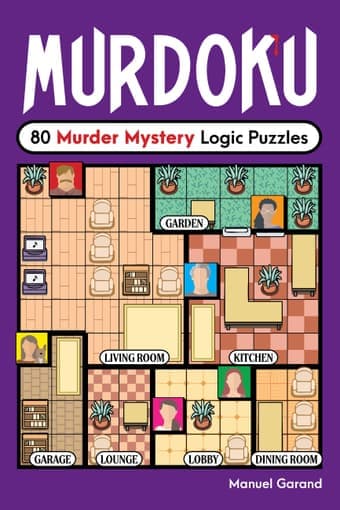
Murdoku also leaves the solving to you. Its 80 illustrated cases turn clues about suspects' positions into a way to identify a killer, rather than letting a fictional detective do the work.
The drawing is part of the evidence. Rooms, objects and Sudoku-inspired placement restrictions determine where people can stand. Instead of scanning Alice's dossier, you test positions in a scene. These are spatial logic problems, not ordinary numerical Sudoku.
Cain's Jawbone
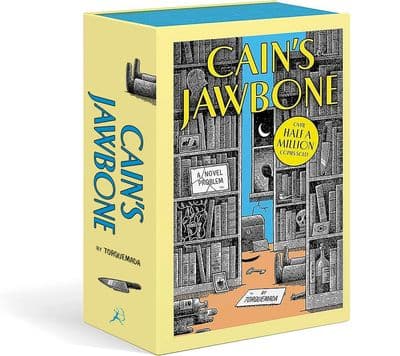
Cain's Jawbone shares Alice's commitment to one sustained problem. Its hundred pieces of narrative arrive out of order, and you have to reconstruct their sequence to understand the murders. The wording supplies clues to how the fragments fit together.
Alice gives you explicit conditions for eliminating names; Mathers makes you discover connections within the prose itself. What interests me here is that even reading the story in order has to be earned. Its demanding literary puzzle offers far less of a fixed procedure than Alice's suspect filtering.
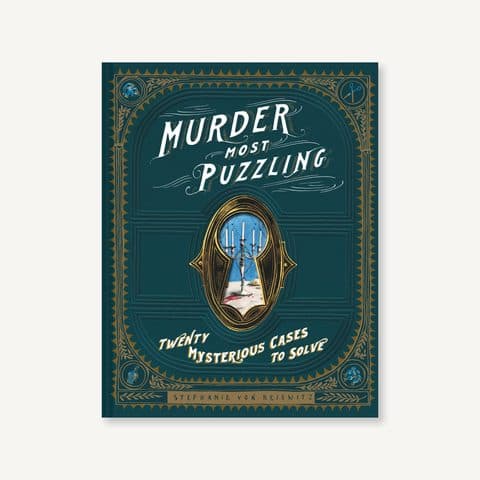
Murder Most Puzzling
Murder Most Puzzling also asks you to inspect evidence yourself, but spreads the work across twenty illustrated murder mysteries. You study the scenes and the accompanying story clues, looking for details that explain what happened.
Observation takes the place of Alice's large-scale name checking. The pictures carry evidence, with a playful gothic atmosphere and macabre humor around the cases. Unlike Murdoku, the activity is investigating those details rather than placing suspects under spatial rules.
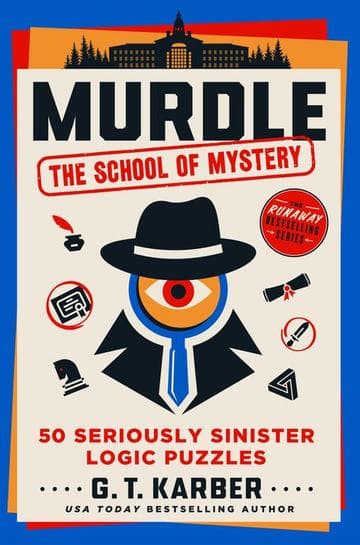
Murdle: The School of Mystery
The School of Mystery turns the same habit of testing conditions into fifty murder-mystery logic puzzles. Each supplies suspects, weapons, locations and clues to work through on a deduction grid, keeping the solving with you rather than a fictional detective.
The cases take place at Deduction College, with tunnels, secret societies and a larger mystery linking the school setting. Where Alice concentrates on a dossier, this book builds its atmosphere around detective training. Compared with Murdle: Volume 1, the school gives the collection a more focused fictional home.
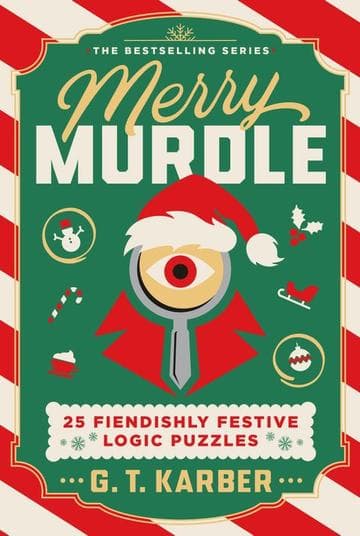
Merry Murdle
Merry Murdle offers twenty-five festive murder-mystery logic puzzles. You examine clues, consider suspects and complete deduction grids. It shares Alice's process of ruling possibilities out, with separate cases replacing the single extended elimination.
Christmas supplies the setting and comic details, while Deductive Logico returns to investigate. The holiday thread connects the atmosphere, but the activity remains a collection of individual problems. The seasonal theme distinguishes it from the other Murdle books here; it does not make the deduction a closer match to Alice.
Six narrative mysteries
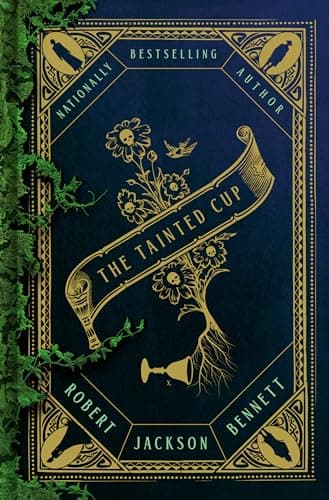
The Tainted Cup
- Pace
- Brisk
- Darkness
- Moderate
- Romance
- Minimal
- Difficulty
- Accessible
Why this matches
- The connection to Alice
- The Tainted Cup is the closest conventional mystery to The Killer Isn't Alice because the solution depends on close attention to evidence and physical possibility.
- What changes
- The Tainted Cup places its clues inside a fantasy detective story of altered bodies, engineered plants, and imperial bureaucracy, while The Killer Isn't Alice makes the reader perform the filtering directly on the page.
- Reading note
- Its altered biology is part of the evidence, so understanding the fantasy setting belongs to understanding the case. The deduction takes place within a full narrative.
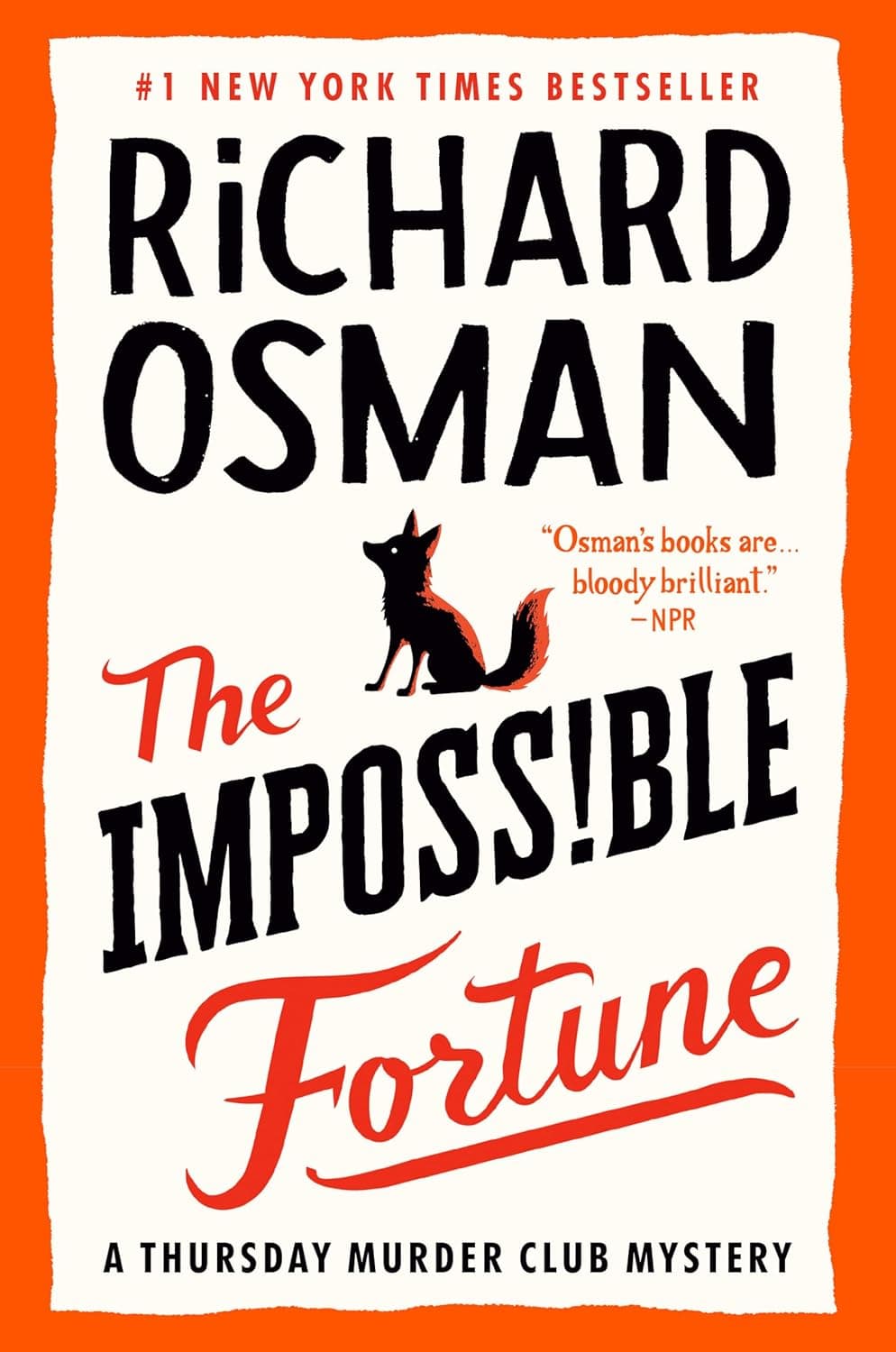
The Impossible Fortune
- Pace
- Brisk
- Darkness
- Gentle
- Romance
- Minimal
- Difficulty
- Accessible
Why this matches
- The connection to Alice
- The Impossible Fortune also rewards careful checking of clues, but gives The Killer Isn't Alice's solitary puzzle work to a warm group of amateur detectives.
- What changes
- The Impossible Fortune makes detection a group activity for Elizabeth, Joyce, Ron, and Ibrahim, using friendship, grief, and conversation where The Killer Isn't Alice offers solitary procedure and almost no narrative.
- Reading note
- Friendship, grief and conversation share the page with the clues. The pleasure is in following an established detective ensemble, rather than managing eliminations yourself.
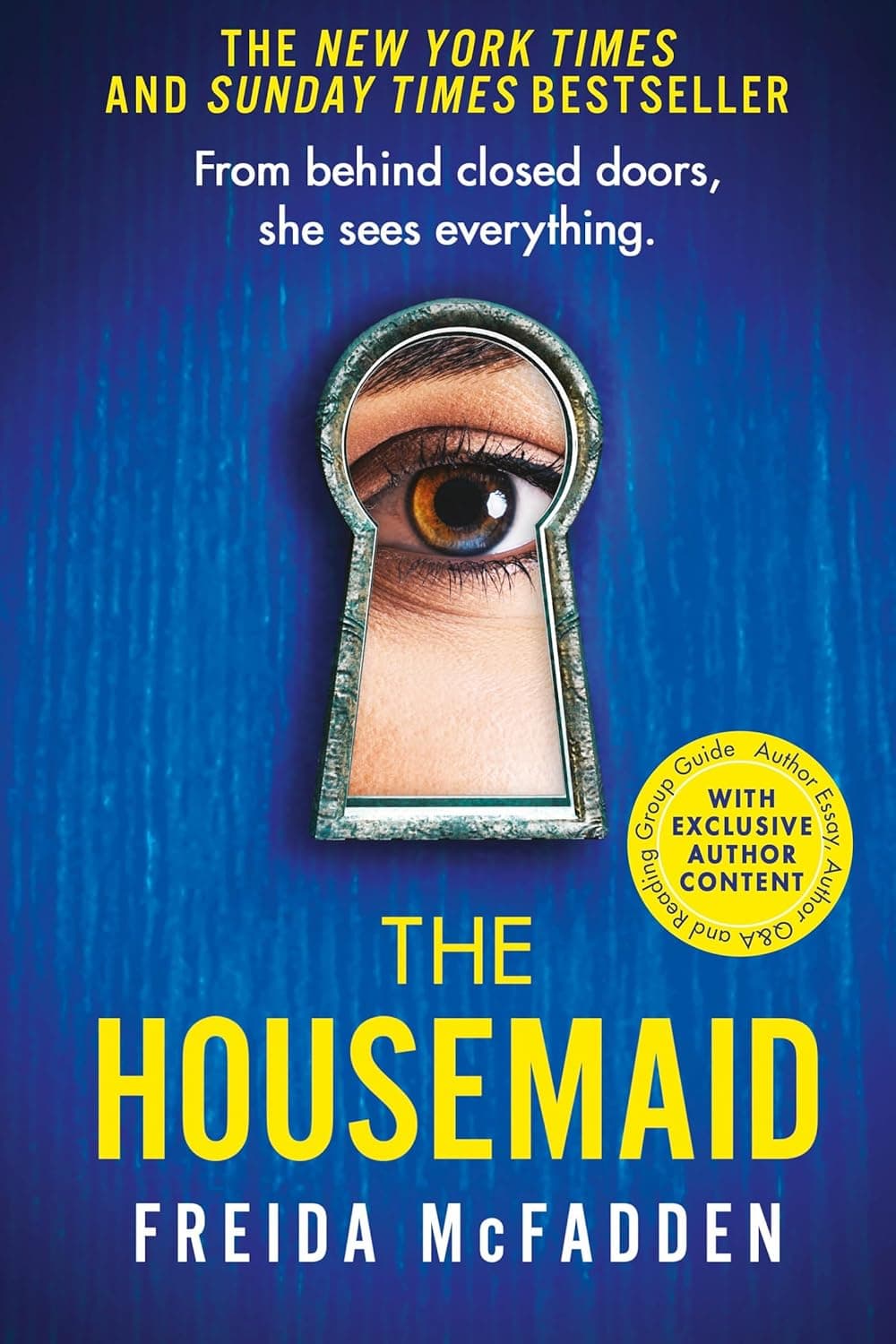
The Housemaid
- Pace
- Fast
- Darkness
- Moderate
- Romance
- Minimal
- Difficulty
- Accessible
Why this matches
- The connection to Alice
- The Housemaid turns evidence, reputation, and mistaken judgment into fast suspense, offering a more conventional route from The Killer Isn't Alice.
- What changes
- The Housemaid builds its mystery through Millie's restricted access, domestic routines, and a major reversal, whereas The Killer Isn't Alice states its rules upfront and asks the reader to eliminate candidates with a pen.
- Reading note
- This is a domestic suspense story built on limited knowledge and changing interpretations, rather than a puzzle with explicit rules for the reader to apply.
Rising Sun
- Pace
- Brisk
- Darkness
- Moderate
- Romance
- Minimal
- Difficulty
- Accessible
Why this matches
- The connection to Alice
- Rising Sun is another mystery where checking the evidence matters more than trusting the first account. That makes it a procedural match for The Killer Isn't Alice.
- What changes
- Rising Sun turns altered surveillance, corporate pressure, etiquette, and jurisdiction into obstacles for detectives, while The Killer Isn't Alice keeps the work with the reader and its printed dossier.
- Reading note
- The corporate crime investigation comes with dated cultural politics that call for a critical reading. Its obstacles are institutional as well as evidential.
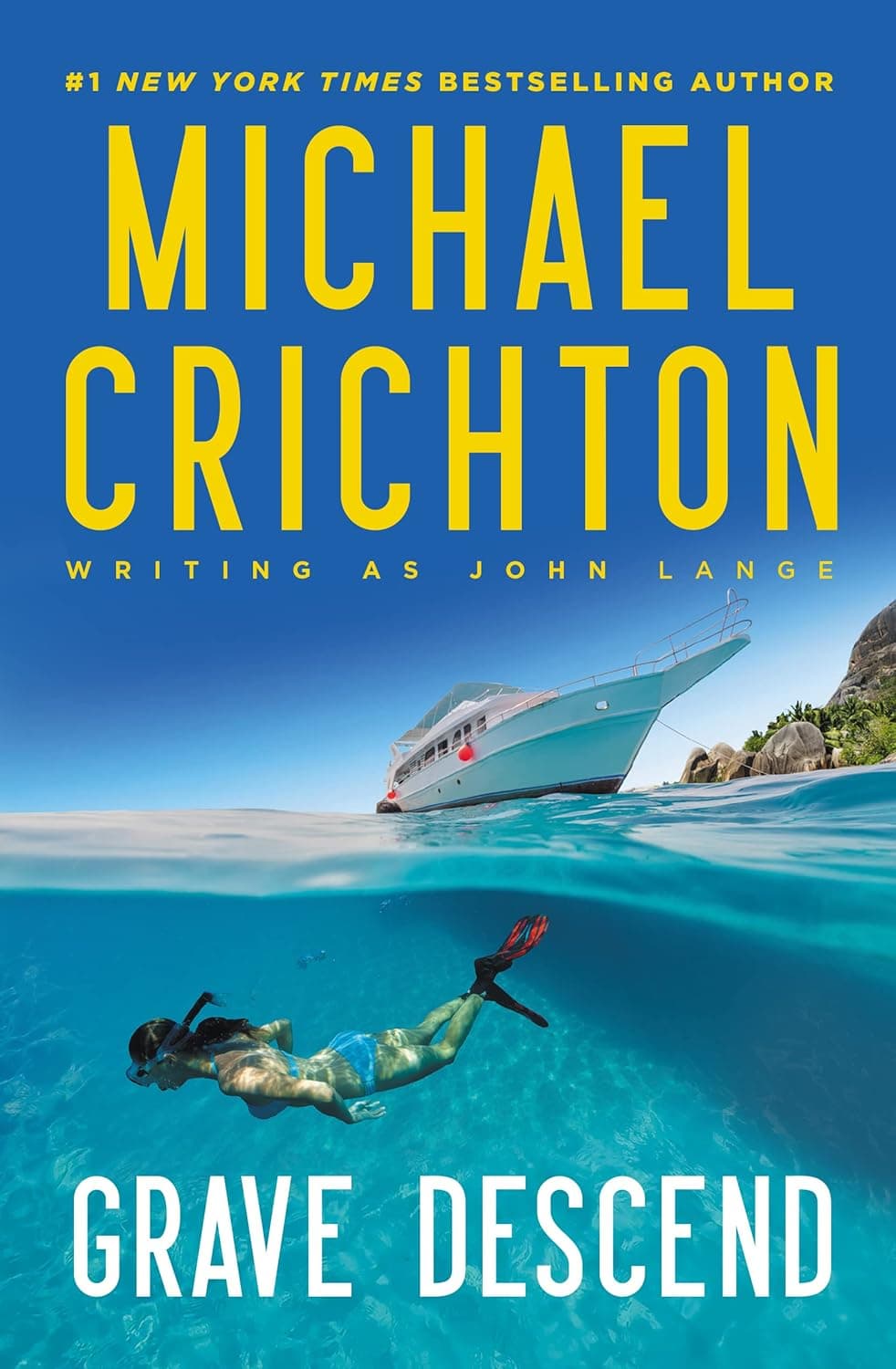
Grave Descend
- Pace
- Brisk
- Darkness
- Moderate
- Romance
- Minimal
- Difficulty
- Accessible
Why this matches
- The connection to Alice
- Grave Descend makes depth, equipment, and access as important to its mystery as pages, names, and exact clues are in The Killer Isn't Alice.
- What changes
- Grave Descend uses depth, equipment, salvage, currents, and access to test claims about a sunken yacht; The Killer Isn't Alice uses pages, names, and exact clues to reduce a suspect list.
- Reading note
- The diving and salvage constraints give this short maritime mystery its practical shape. Physical access matters as much as a character's account.
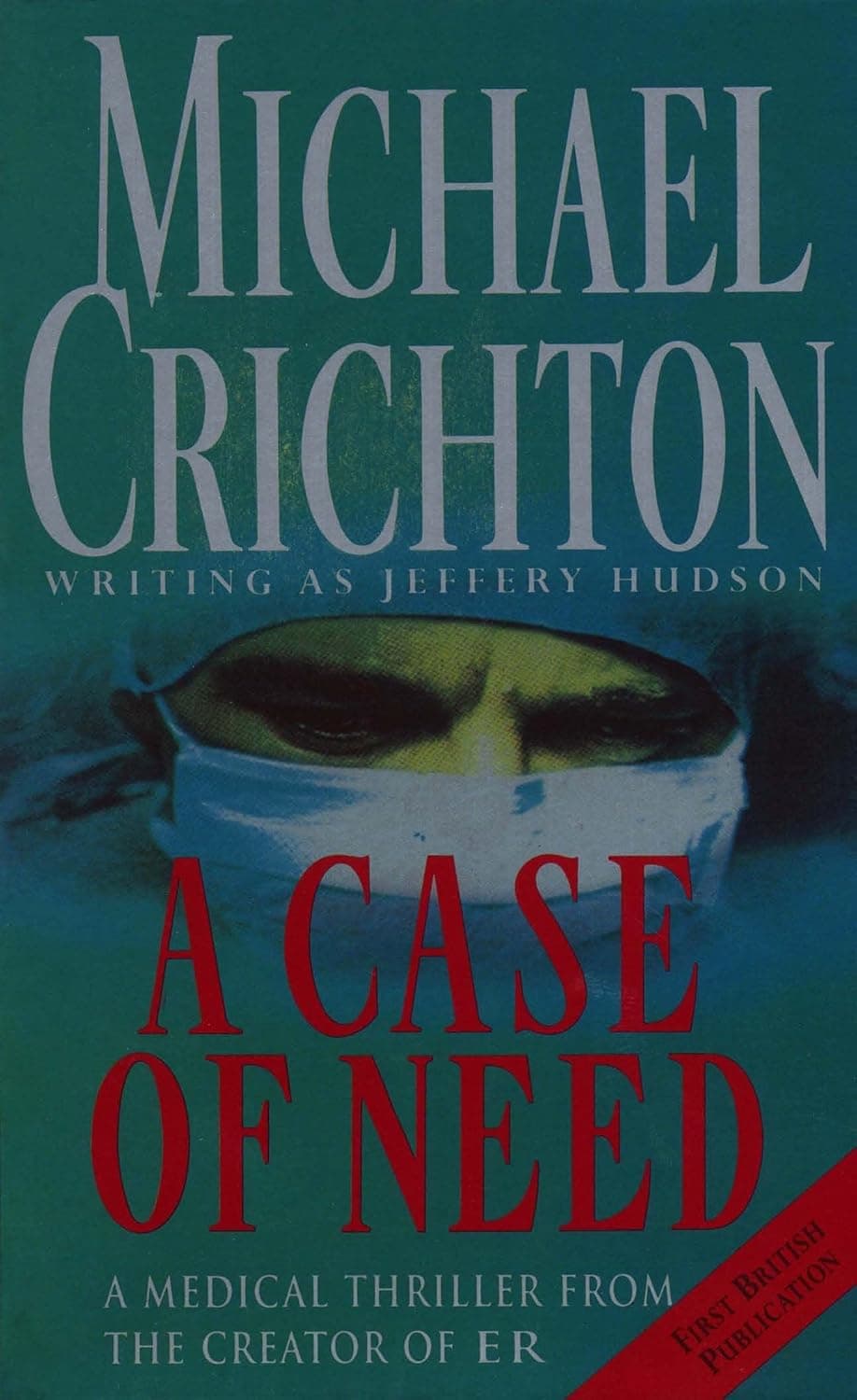
A Case of Need
- Pace
- Balanced
- Darkness
- Moderate
- Romance
- Minimal
- Difficulty
- Accessible
Why this matches
- The connection to Alice
- A Case of Need moves The Killer Isn't Alice's careful checking into medicine and law, where one missed detail can change the case.
- What changes
- A Case of Need makes diagnosis, law, reputation, and abortion politics compete as forms of evidence, while The Killer Isn't Alice turns elimination into a self-directed paper puzzle.
- Reading note
- Medical ethics and abortion politics give the investigation a tense historical context. Clinical reasoning is embedded in professional conflict.
Novel options
Prefer a mystery novel? Three places to start
These three novels are drawn from the six narrative alternatives after the interactive puzzle books.
Fantasy detection
Social deduction
Domestic suspense
Narrative interests
Different approaches to a mystery novel
For the fastest pace
The Housemaid
FastFor the gentlest option
The Impossible Fortune
GentleFor minimal romance
The Tainted Cup
MinimalFor the easiest entry
A Case of Need
AccessibleSide-by-side
Compare the six narrative alternatives
| Book | Pace | Darkness | Romance | Difficulty |
|---|---|---|---|---|
| The Tainted Cup | Brisk | Moderate | Minimal | Accessible |
| The Impossible Fortune | Brisk | Gentle | Minimal | Accessible |
| The Housemaid | Fast | Moderate | Minimal | Accessible |
| Rising Sun | Brisk | Moderate | Minimal | Accessible |
| Grave Descend | Brisk | Moderate | Minimal | Accessible |
| A Case of Need | Balanced | Moderate | Minimal | Accessible |
Keep exploring
Explore another Books Like guide
Pick another book you know and see what to read next.