
Should you read Rising Sun?
What works
Digital image manipulation, corporate pressure, etiquette, and jurisdiction make the investigation vulnerable to forces beyond the crime scene.
What may not work for you
Japanese characters and economic competition are generalized into national threat, gender treatment is poor, and Connor's authority too rarely faces challenge.
What may test your patience
Long explanations of Japanese business behavior interrupt the case and often read as thesis delivery rather than necessary deduction.
Does the ending reward the effort?
The murder solution uses the altered evidence effectively, but the broader political warning remains reductive rather than earned.
Reading Rising Sun closely
Rising Sun opens with a woman's death inside Nakamoto Tower during the Japanese corporation's Los Angeles celebration. Detective Peter Smith is paired with John Connor, whose experience with Japan is meant to help navigate executives, lawyers, and security personnel already shaping the investigation. Digital surveillance appears decisive until questions arise about who controlled the image.
The mystery connects forensic work to trade anxiety, foreign investment, and ownership of American technology. Crichton's interest in manipulated media remains effective, but the novel repeatedly generalizes about Japanese culture and business. Those claims reflect a specific early-1990s American fear and should be read critically rather than as neutral cultural expertise.
Smith and Connor provide a strong procedural spine as evidence changes meaning under corporate pressure. The book suits readers who enjoy murder investigations involving technology and institutional influence, provided they are willing to confront dated stereotypes. Its most durable concern is not nationality but the power to edit records and make a preferred version of reality appear objective.
A murder inside corporate territory
The building, staff, and recordings belong to an organization with reasons to control access.
Video is evidence and construction
Digital alteration turns apparently direct observation into another contested witness.
Historical context matters
The Japan-focused rhetoric belongs to trade tensions of its era and often reduces individuals to broad cultural claims.
Three useful comparisons
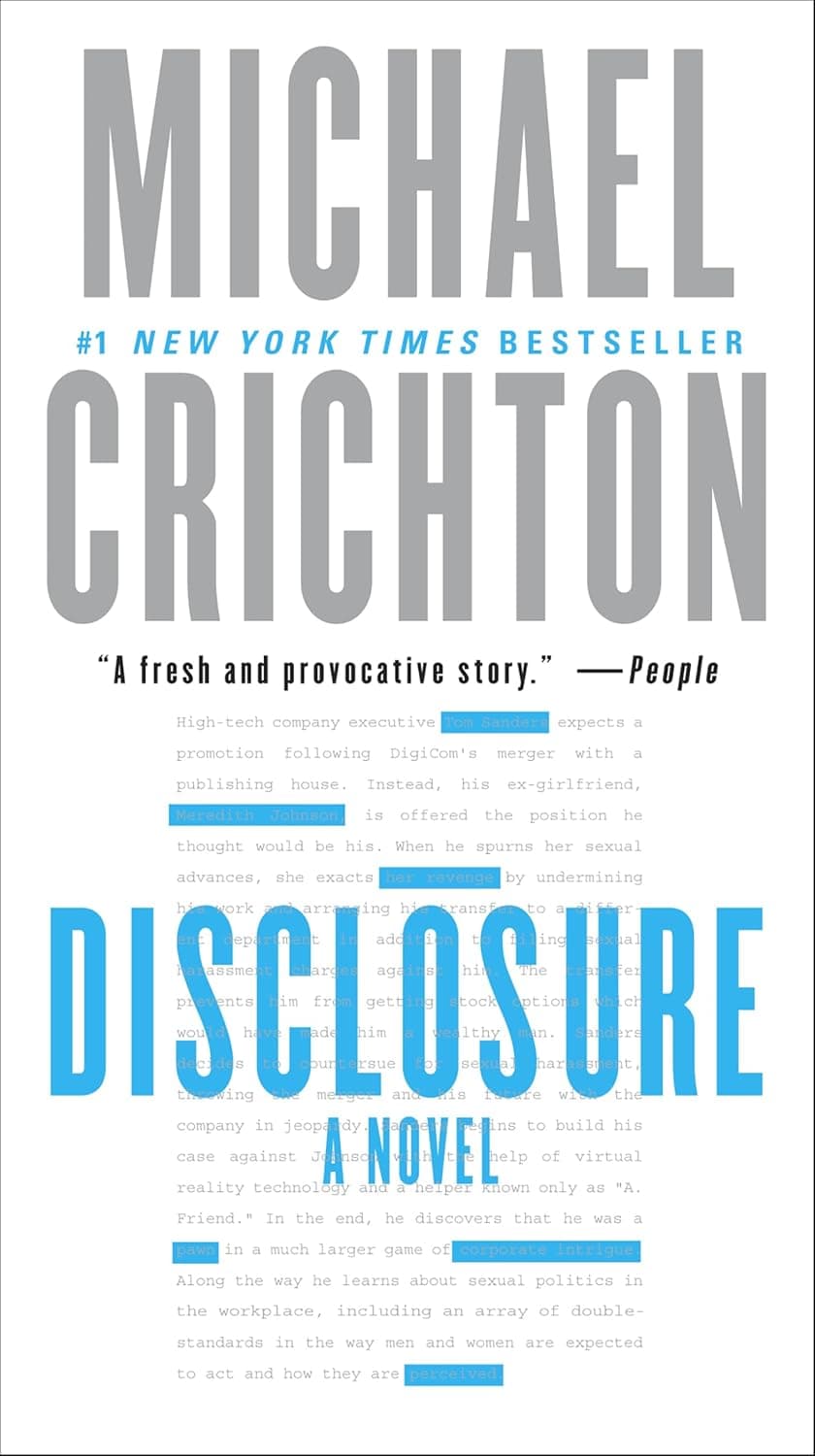
Disclosure
Disclosure is similarly corporate and dated but focuses on workplace power and digital systems rather than national competition.
Best for: Readers of 1990s corporate thrillers willing to engage critically with dated and contentious gender framing.
As an Amazon Associate, I earn from qualifying purchases.
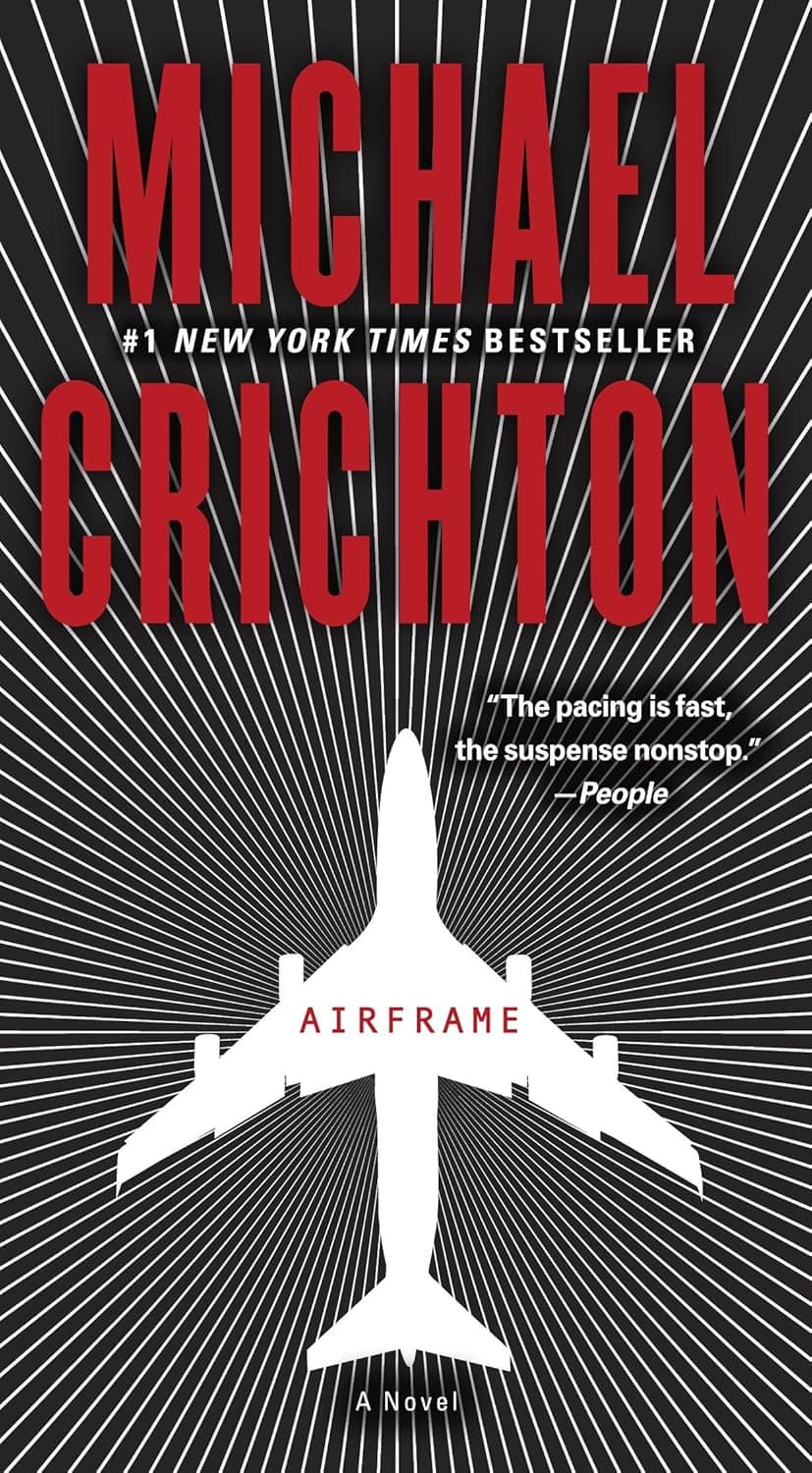
Airframe
Airframe offers a stronger professional investigation with less cultural stereotyping and better technical focus.
Best for: Come for aviation, accident investigation, corporate pressure, and a competent professional protagonist.
As an Amazon Associate, I earn from qualifying purchases.
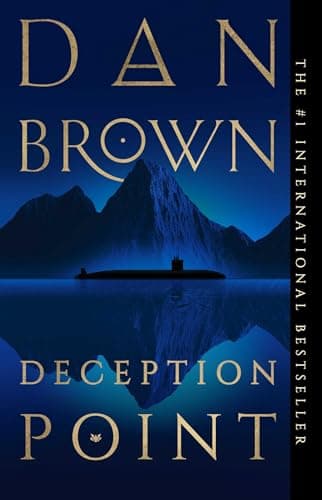
Deception Point
Deception Point delivers a larger government-science conspiracy with faster action and thinner realism.
Best for: Choose it for a standalone Brown thriller with Arctic survival, NASA, election politics, and a large government secret.
As an Amazon Associate, I earn from qualifying purchases.