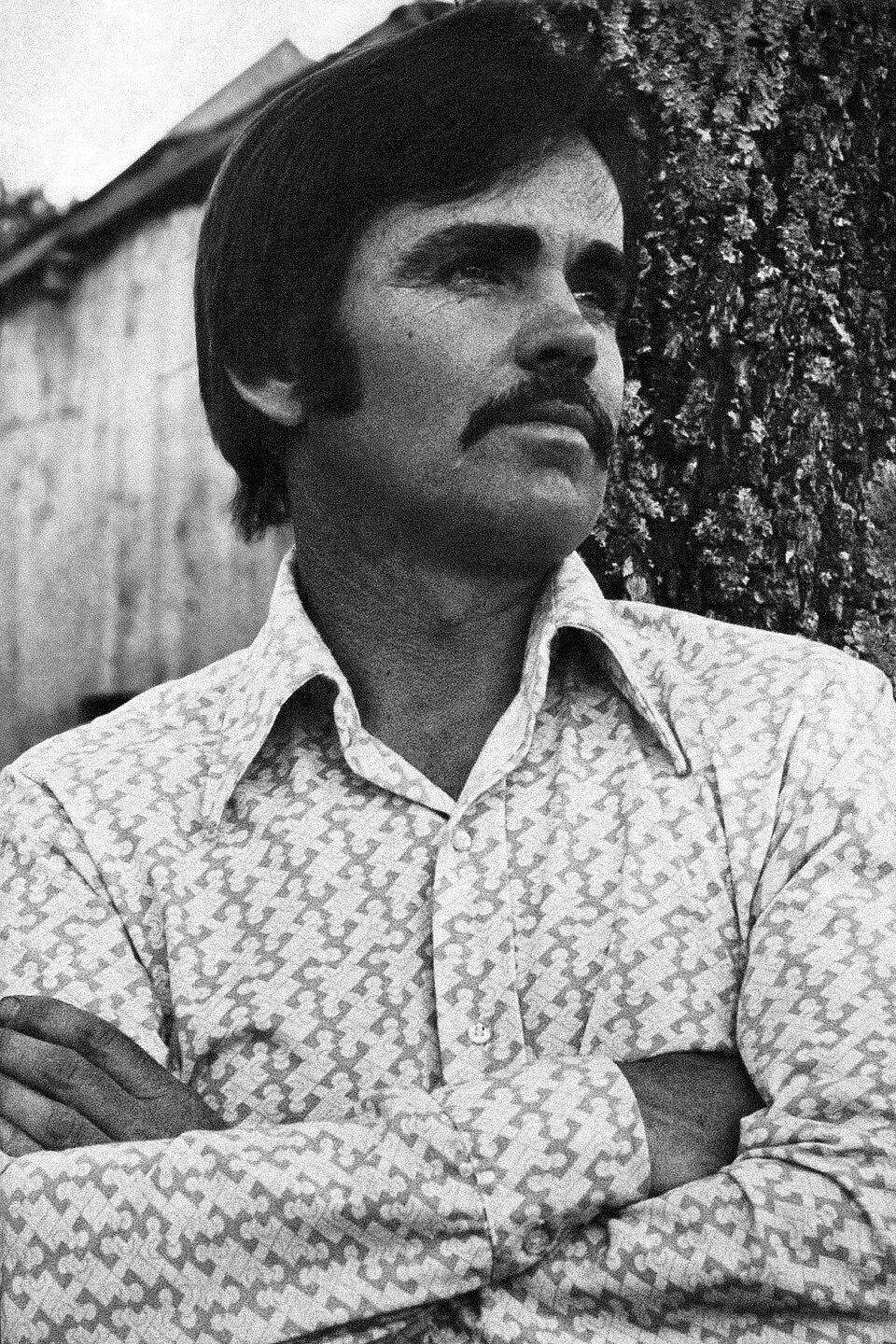
Portrait of Cormac McCarthy
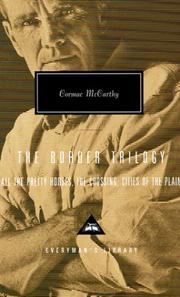
Photo: From dust jacket: "Photograph of Cormac McCarthy by David Styles" · Public domain

Author profile

Cormac McCarthy: books, reviews, and where to start

Cormac McCarthy wrote American violence at Biblical scale, stripping punctuation, stretching syntax, and placing intimate moral choices inside landscapes indifferent to human explanation.

1933-2023novelistplaywrightwriter

Biography and criticism

The long sentence, the bare dialogue, and the blood-soaked land

McCarthy's reputation rests on severity, but the novels also contain slapstick, tenderness, craftsmanship, philosophical comedy, and close attention to how people keep faith without guarantees.

A private career far from literary fashion

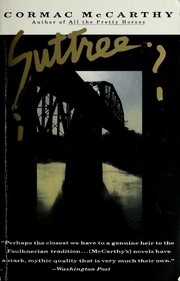
Cormac McCarthy was born Charles McCarthy Jr. in Rhode Island in 1933 and grew up largely in Knoxville, Tennessee, where his father worked as a lawyer for the Tennessee Valley Authority. He attended the University of Tennessee without taking a degree, served in the Air Force, and began publishing fiction in the 1960s. The Orchard Keeper, Outer Dark, Child of God, and Suttree established a Southern body of work marked by poverty, grotesque violence, landscape, and people living beyond respectable institutions.

For decades his critical reputation exceeded his sales. He avoided the ordinary circuits of literary publicity and lived with periods of financial difficulty. Moving to the American Southwest changed the geography and broadened the historical reach. Blood Meridian, published in 1985, reimagined the nineteenth-century borderlands through the Glanton gang and Judge Holden. It later became central to his reputation, though its language and violence continue to divide readers.

The Border Trilogy opens the audience

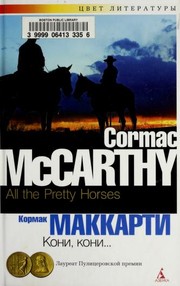
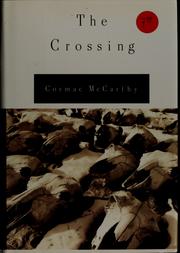
All the Pretty Horses brought McCarthy a much larger readership in 1992. John Grady Cole's journey into Mexico preserves the beauty and danger of the earlier work while offering a more accessible emotional line. The Crossing is structurally stranger and more philosophically expansive. Cities of the Plain brings the trilogy's principal cowboys together in a world where their skills no longer guarantee a place.

These novels complicate the image of McCarthy as a writer of unrelieved nihilism. His characters make promises, care for animals, perform exact work, and offer hospitality. The world does not reliably reward those acts. Their value lies in being chosen without assurance. McCarthy repeatedly asks whether an ethical act requires cosmic support or whether the absence of support makes the act more fully human.

How the prose creates authority

McCarthy removed most quotation marks, avoided many apostrophes, and used sparse punctuation around dialogue. Against that bareness he set long, rhythmically layered descriptive sentences drawing on Biblical cadence, technical vocabulary, Spanish, geology, botany, and archaic diction. The contrast is essential. People often speak in practical fragments; the landscape receives vast ceremonial attention. Human beings are not the grammatical center of creation.

The style can produce awe, but it can also become a performance readers imitate too easily. Violence described in elevated language risks turning atrocity into aesthetic spectacle. Blood Meridian is aware of that seduction through Judge Holden, whose eloquence converts domination into metaphysics, but awareness does not automatically neutralize the pleasure. Reading McCarthy well requires resistance to the voice that sounds most certain.

The Road and the late return

The Road, published in 2006, reduces the scale to a father and son crossing a burned world. Its vocabulary is simpler than Blood Meridian's, but the moral problem is concentrated. The father cannot guarantee survival or goodness. He can only teach the boy what care might mean when social enforcement has disappeared. The novel's horror is severe, yet tenderness is not sentimental decoration. It is the remaining technology of human continuity.

McCarthy returned after a long silence with The Passenger and Stella Maris in 2022. The paired novels bring mathematics, grief, guilt, and inaccessible knowledge into dialogue-heavy forms that revisit his lifelong suspicion of final explanation. He died in 2023. The Road is the most accessible entrance, All the Pretty Horses the best route into his border fiction, and Blood Meridian the demanding central work. Across them, McCarthy does not simply write that the world is violent. He tests what language can honor without pretending to redeem it.

The books in context

How the work develops on the page

These notes connect the biography to specific choices in the books. Each title links to the full spoiler-free review.

The Road follows a father and son walking through a burned, ash covered America, clinging to love and a fragile sense of hope as the world around them collapses. This review touches on the mood, structure, and emotional impact without revealing specific scenes or the final destination.

Instead of heavy exposition, the novel trusts readers to absorb the apocalypse through abandoned houses, quiet landscapes, and sudden danger. That minimalist approach keeps tension sharp, similar to other survival driven books in our existential fiction archive.

The emotional core is the bond between the man and the boy. Their simple exchanges capture fear, compassion, and the fragile idea of carrying the fire even when humanity feels lost.

When you are ready for this haunting journey, pick up The Road on Amazon and prepare for a literary experience that lingers long after the final page.

McCarthy pares dialogue to unmarked exchanges and builds descriptions from nouns, ash colors, and biblical rhythms. Rare lyrical passages stand out because the surrounding syntax has been starved with the landscape.

The father and son's repetitive acts of checking food, shelter, fire, and one another turn survival into relationship. Moral questions matter because every merciful choice carries a physical cost.

The woman in the family's history receives little space beyond despair, and the deliberately anonymous world can feel emotionally narrowing when every encounter serves the same test of trust.

The middle journey repeats cold, hunger, hiding, and abandoned structures with few markers of progress. That exhaustion is deliberate, but it can make the road feel as endless to the reader as to the pair.

Yes. The ending refuses easy consolation while preserving the book's distinction between survival alone and the values that make survival worth handing forward.

The Handmaid's Tale explains more of its social catastrophe and uses memory as resistance. Choose it for gendered institutions; choose The Road for radical scarcity and the ethics of one relationship.

Never Let Me Go is equally preoccupied with tenderness under an inescapable fate, but its calm social world hides violence rather than displaying ruin. It is quieter and more relational.

Moby-Dick turns a journey through danger into abundance of voice and knowledge. The Road moves in the opposite direction, stripping the travel narrative until almost nothing remains but love and weather.

The Road follows a father and son across a burned America, clinging to love, language, and hope while the world collapses.

Read the complete review

Where to begin

A good place to start with Cormac McCarthy

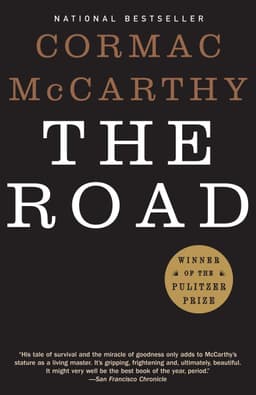
Cover of The Road
Our highest-rated review

The Road

4.6 / 5

The Road is punishing but never merely bleak; its stripped language makes care feel like the last meaningful human technology.

Reading order and buying help

Reading guides featuring Cormac McCarthy

Reading dataDarkest genres

Bibliography

Books by Cormac McCarthy

Reviewed titles open directly on Book Review Guide. Other editions and works remain marked until a full review is published.

Bibliographic records: Open Library.

Reviewed bibliography

Cormac McCarthy books reviewed here

Every title below has a complete, spoiler-free review. Scores are our editorial ratings, not visitor averages.

Cover of The Road

20064.6 / 5

The Road

Post Apocalyptic Survival Review

The Road is punishing but never merely bleak; its stripped language makes care feel like the last meaningful human technology.

Read the review
See current formats on Amazon

As an Amazon Associate, I earn from qualifying purchases.