Fantasy trilogy reading order
Shadow of the Fox Books in Order: Complete Trilogy Guide
This is a true sequential trilogy. Yumeko's scroll, Tatsumi's demon-bound sword, and the companions gathered on the road all carry directly from one book into the next. There is no useful chronological rearrangement.
Complete order
Read Shadow of the Fox, Soul of the Sword, and Night of the Dragon
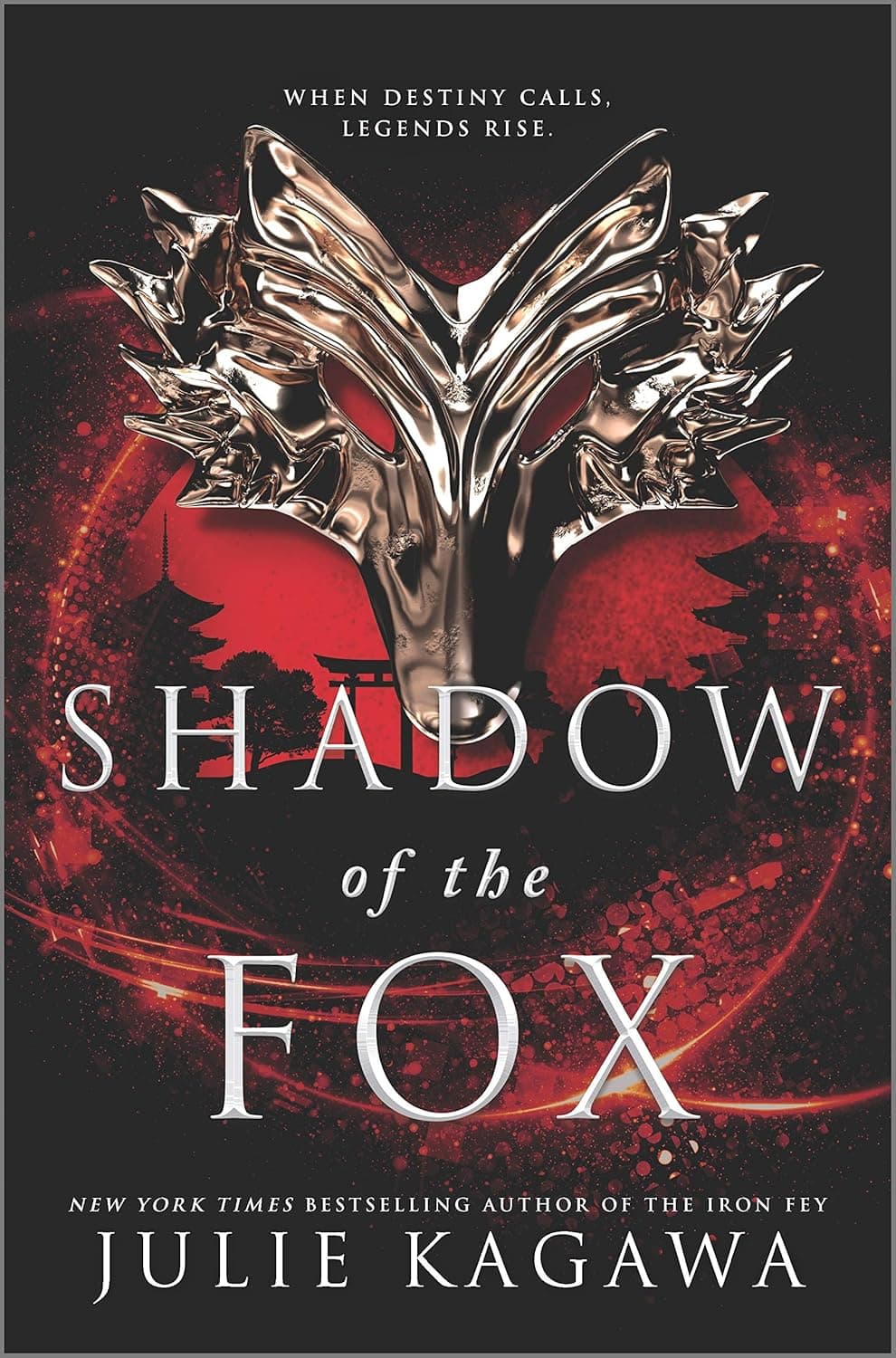
Julie Kagawa's trilogy has one continuous quest and should be read in publication order. Shadow of the Fox introduces half-kitsune Yumeko, demon-slayer Tatsumi, and the fragment of the Dragon Scroll. Soul of the Sword begins from the first ending and changes the balance between Tatsumi and the demon Hakaimono. Night of the Dragon is the finale, bringing the scroll, the summoned dragon, and the gathered companions to their conclusion. None is a prequel, anthology, or optional side novel.
Shadow of the Fox combines a road quest with Japanese folklore, a hidden identity, a dangerous artifact, and a party that grows as the journey crosses Iwagoto. Its structure can initially look episodic because each stop brings a creature, spirit, enemy, or new companion. The episodes are not detachable adventures. They build trust around Yumeko's secret, expose the cost of Tatsumi's training, and move every faction closer to the same scroll. Later volumes spend the relationships and knowledge earned on that road.
That continuity makes the reading advice refreshingly simple. There is no internal chronology that improves publication order and no novella that needs to be inserted between numbered books. The useful decisions concern commitment and edition, not sequence. Buy Shadow of the Fox first if you are uncertain about the folklore vocabulary or young adult quest tone. Buy a complete trilogy set if you already enjoy Kagawa's Blood of Eden work, ensemble journeys, or romances that develop beneath a larger adventure rather than replacing it.
Complete trilogy
Three books, one Dragon Scroll quest
The summaries identify how each volume changes the reading experience without revealing the final resolution of its major conflicts.
1
Shadow of the Fox
Trilogy book one
Yumeko has been raised by monks while learning to conceal that she is half kitsune. When violence reaches the temple, she leaves carrying part of an ancient scroll capable of summoning the great Kami Dragon. Tatsumi, trained by the Shadow Clan to kill demons, believes she can lead him to the artifact. Yumeko needs his protection and misdirects him without fully understanding the demon Hakaimono bound within his sword.
Why it must be read here: Begin here. It teaches the world's spirits and clans through Yumeko's journey, forms the party, and makes later changes in Tatsumi meaningful.
2
Soul of the Sword
Trilogy book two
The second volume starts with the consequences of the sword's danger becoming harder to contain. Yumeko and the companions must continue the scroll quest while the struggle around Tatsumi and Hakaimono moves from background threat to central emergency. Alliances and secrets established on the first road now determine who can act, who can be trusted, and what rescue would actually require.
Why it must be read here: Read directly after Shadow of the Fox. Even the basic premise reveals the first book's final shift, and the emotional stakes depend on the bond created there.
3
Night of the Dragon
Trilogy book three
The final volume brings the Dragon Scroll's competing seekers, Yumeko's developing power, the demon threat, and the loyalties of the traveling party into the same endgame. The quest can no longer remain a matter of keeping one fragment hidden. Decisions now concern what summoning power does to the world and what each character is prepared to surrender to stop another person from controlling it.
Why it must be read here: Finish here. It is written as the resolution of accumulated quests and relationships, not as a new dragon adventure that can stand independently.
Trilogy progression
How pace, darkness, and focus change
The series grows darker as the artifact and demon threads move from pursuit to consequence, while Yumeko remains its emotional center.
| Book | Main structure | Relative darkness | Romance and relationships |
|---|---|---|---|
| Shadow of the Fox | Road quest and party formation | Moderate | Trust develops under hidden identities |
| Soul of the Sword | Rescue pressure and divided control | Darker | Established bonds face possession and separation |
| Night of the Dragon | Final pursuit and confrontation | Darkest | Loyalties require irreversible choices |
Can any book be read as a standalone?
Shadow of the Fox provides a substantial first quest and enough local encounters to be enjoyable before a reader commits to all three. Its ending, however, changes the immediate problem rather than closing the larger scroll story. Think of it as a complete first movement with a strong handoff, not a one-volume fantasy whose sequels happen to reuse the world.
Soul of the Sword and Night of the Dragon are not practical standalone entries. Their jacket descriptions must reveal conditions created by earlier endings, and neither has reason to rebuild the entire party's history. If only book two is available, wait for book one rather than learning the setup from a summary.
How much Japanese folklore knowledge do you need?
None before starting. The trilogy introduces kitsune, yokai, kami, oni, and samurai-inflected clans through action and context. Recognizing a creature can add anticipation, but the plot does not require a reader to arrive with a folklore dictionary. Yumeko's partial outsider status also gives the story a natural reason to encounter different beings and customs on the road.
A short glossary can help if names and unfamiliar terms blur together, but constant research will damage the pace. Mark a word, infer what the scene requires, and verify it afterward. The books draw from Japanese traditions for an invented fantasy land; they should not be treated as a substitute for a cultural history or primary folklore collection.
What kind of romance is in the trilogy?
The attraction grows inside a quest where one traveler is concealing her identity and destination while the other has been trained to suppress emotion. That makes trust more important than immediate declaration. Romance is meaningful, but the books continue to spend substantial time on spirits, combat, clans, companions, and the scroll.
If you want romance in every chapter, the first volume may feel restrained. If you want fantasy with no romance, know that the relationship becomes increasingly important to later decisions. This is closer to an ensemble adventure with a central slow bond than a romance novel using a quest as background.
Who should buy the complete trilogy?
Buy all three if you enjoy found parties, folklore encounters, hidden nonhuman identity, and a quest whose apparently simple artifact keeps gaining moral weight. The series is complete, so a box or matched set does not ask you to wait for an announced ending. Check that all three titles are listed because marketplace bundles sometimes use series art while omitting the final volume.
Buy only Shadow of the Fox if episodic road adventures can test your patience or if a large vocabulary of creatures and clans feels like work. The first third gives an honest sample. Its lighter humor and Yumeko's curiosity must coexist with increasing violence; later books do not abandon either side, but the consequences become heavier.
A spoiler-light character map
Yumeko is the keeper of a secret and the guide who cannot tell her protector the truth. Tatsumi is the weaponized protector whose sword carries its own danger. Around them gather people with religious, martial, criminal, and courtly interests that do not collapse into one loyal unit immediately. Watch what each companion believes the scroll should do, not only whether they like Yumeko.
The central antagonistic pressure is distributed. Clans want power, demons want release, and individuals can believe they are preventing catastrophe while pursuing incompatible outcomes. That is why the party-building episodes matter. By the finale, trust must work across motives that were never identical.
Quick answers
Questions readers ask before buying
What order do the Shadow of the Fox books go in?
Read Shadow of the Fox first, Soul of the Sword second, and Night of the Dragon third. Publication and narrative order are the same.
Is Shadow of the Fox a completed series?
Yes. Night of the Dragon is the third book and completes the trilogy's Dragon Scroll quest.
Can Soul of the Sword be read first?
No. Its core situation follows the ending of Shadow of the Fox and depends on relationships, secrets, and the scroll quest established there.
Does Shadow of the Fox have romance?
Yes, but it develops inside a larger ensemble quest. The first book emphasizes trust and concealed identity, and the relationship gains weight across the trilogy.
Is the series based on Japanese folklore?
It draws heavily from Japanese folklore, creatures, and cultural imagery in an invented fantasy setting. No prior knowledge is required, and the novels are not a substitute for historical or folkloric scholarship.
Sources
Sources for this guide
Official series numbering and publisher descriptions were checked against Harlequin's pages for all three books. Assessments of pace, romance, and difficulty are editorial and intentionally avoid revealing the trilogy's final outcomes.
Keep reading