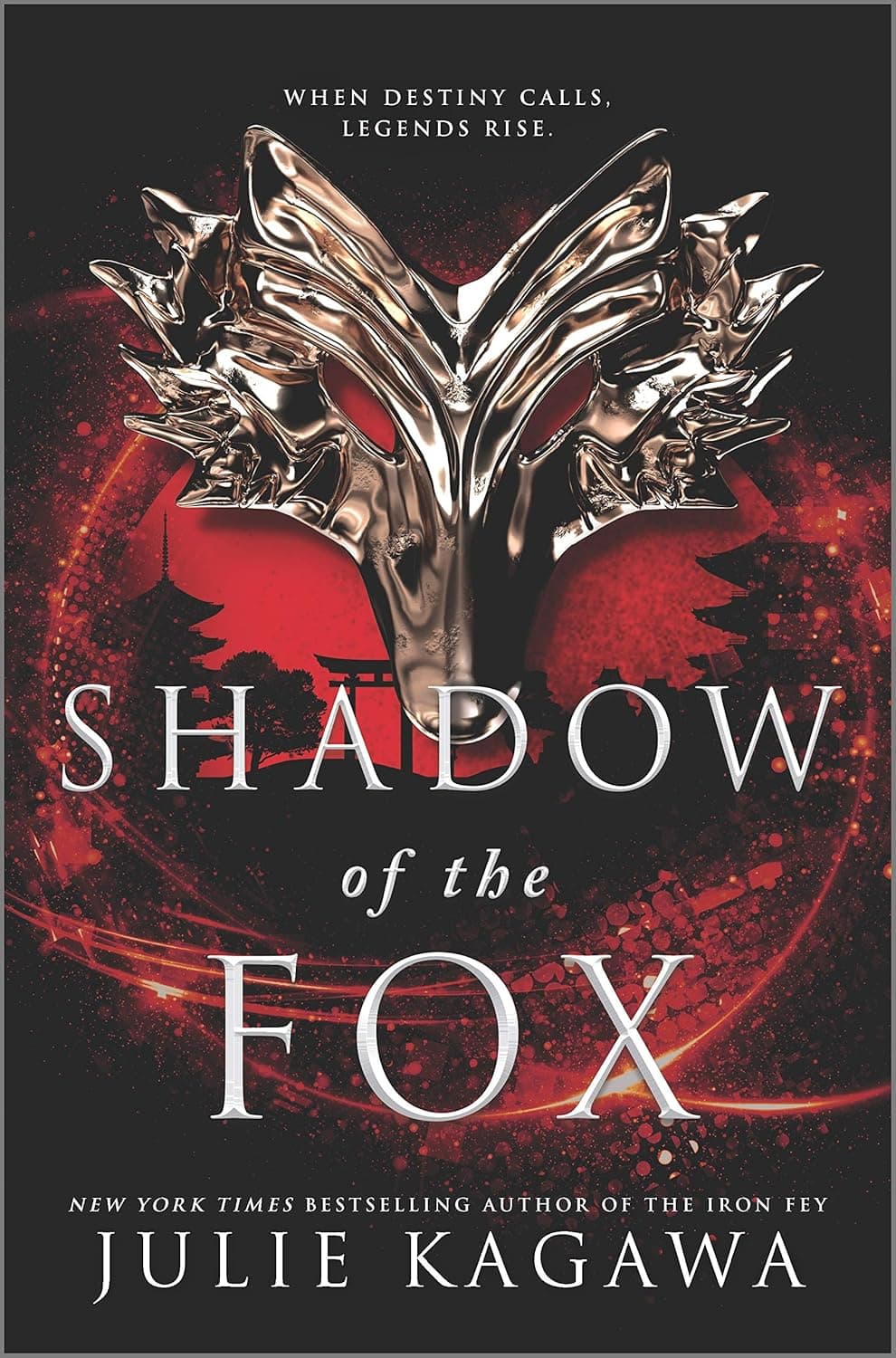
Should you read Shadow of the Fox?
What works
Yumeko's kitsune nature, Tatsumi's demon-bound sword, scroll fragments, yokai, and contrasting innocence make each encounter test secrecy and trust.
What may not work for you
Cultural material can feel assembled for fantasy adventure, side quests delay the main pursuit, and the ending is openly serial.
What may test your patience
The party gathers through successive encounters, creating charm but slowing the race for the scroll.
Does the ending reward the effort?
The immediate confrontation lands and changes Tatsumi's condition, but the central quest remains unresolved for the trilogy.
Reading Shadow of the Fox closely
Shadow of the Fox sends Yumeko, a half-kitsune raised by monks, on the road with a fragment of a powerful scroll. Her reluctant protector Tatsumi has been trained to suppress emotion while carrying a sword that contains a demon. Their secrets give an otherwise familiar quest a steady source of tension.
Yumeko lies playfully because trickery is part of her nature; Tatsumi treats feeling as a dangerous failure of discipline. Their alternating voices are simple but distinct, and the slow change in how they judge one another matters more than the faint romance.
The party gathers through a series of yokai encounters and side quests. That structure creates charm and variety, but it also delays the pursuit of the scroll. The folklore is introduced clearly through action, sometimes so neatly that it feels arranged for the adventure rather than fully lived in.
This is an accessible YA fantasy with an openly serial ending. Try The Immortal Rules if you want Kagawa's faster, harsher vampire story instead.
What carries the quest
Yumeko's mischievous kindness and Tatsumi's rigid training make secrecy a character conflict, not just a plot device.
Kitsune, oni, and yuki-onna give each stop its own danger, though the episodic detours slow the race for the scroll.
Three useful comparisons
The Immortal Rules
The Immortal Rules is darker, more violent, and built around vampire hunger in dystopia.
Best for: YA readers wanting dark vampire dystopia, survival, found family, violence, and a morally resistant heroine.
The Hobbit
The Hobbit offers a tighter, more complete quest with a richer storyteller's voice.
Best for: Families, younger readers, and adults wanting an accessible classic adventure with humor, danger, and moral weight.
A Sorceress Comes to Call
A Sorceress Comes to Call is adult, domestic, and more psychologically focused in its fairy-tale horror.
Best for: Try it for dark fairy-tale revision, coercive-control horror, older heroines, and humane humor.
Make the next decision