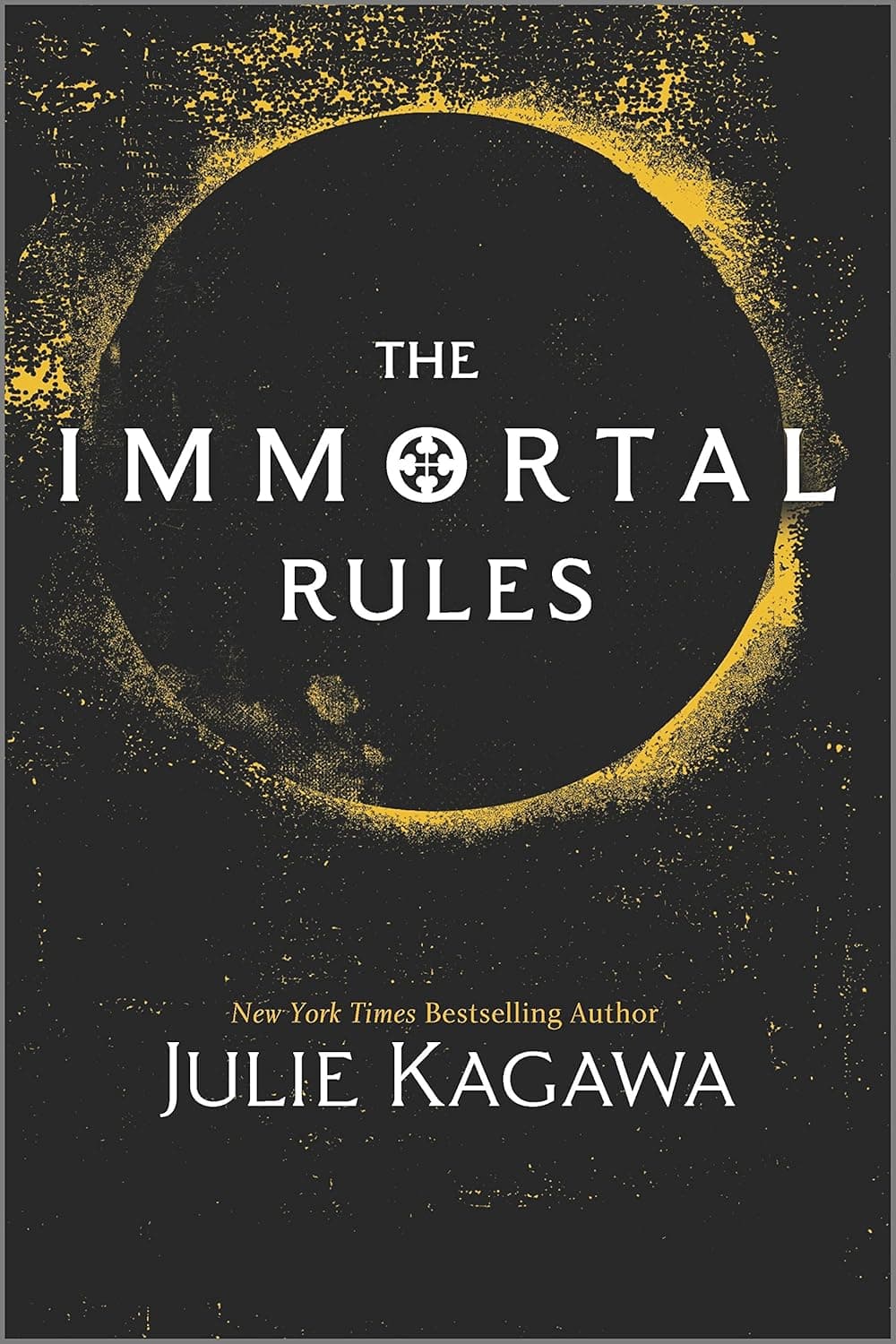
Should you read The Immortal Rules?
What works
Blood scarcity, walled cities, human registration, rabids, and Allison's katana competence give the world concrete survival rules.
What may not work for you
Romance follows familiar YA beats, some factions are broad, and the travel middle relies on repeated attacks.
What may test your patience
After Allison's transformation, joining and earning trust from the traveling group slows the larger search.
Does the ending reward the effort?
Yes as an opener. Allison makes a meaningful identity choice and the immediate journey pays off while the vampire conflict remains open.
Reading The Immortal Rules closely
Allison Sekemoto survives outside a walled vampire city by scavenging and refusing to register as human livestock. When death leaves her one escape, she becomes the predator she hates. The road story that follows keeps testing whether hunger has changed her values or only made them harder to live by.
The early chapters linger on the Fringe, where ration lines, scavenging runs, and black-market deals sketch a city under strict control. Beyond the walls, rabid creatures and ruined highways make every step dangerous. Details such as blood quotas, branded citizens, and rigid hierarchies help the world feel consistent rather than like a loose collection of tropes, and references to other fantasy favorites, including reviews like our A Game of Thrones coverage, give genre-savvy readers a sense of how dark this setting runs.
Attacks arrive often, but the quieter scenes matter more. Allie has to travel with humans who would fear or kill her if they knew what she was, and every use of her strength risks exposing the hunger she is trying to control. The rumored cure gives the group a destination; hiding her nature gives each stop tension.
The ruined roads and blood economy are bleak, but Allie's choices keep the book from becoming hopeless. Humans and vampires can both protect or exploit the people around them. The ending settles the immediate journey and makes her moral position clear while leaving the larger Blood of Eden conflict open.
Hunger makes every choice harder
Blood quotas, registered humans, scavenging routes, and rabids give Allison practical dangers before she ever leaves the city.
Once she becomes a vampire, protecting the traveling humans also means hiding the appetite that could make her their worst threat.
Three useful comparisons
The Eternity Cure
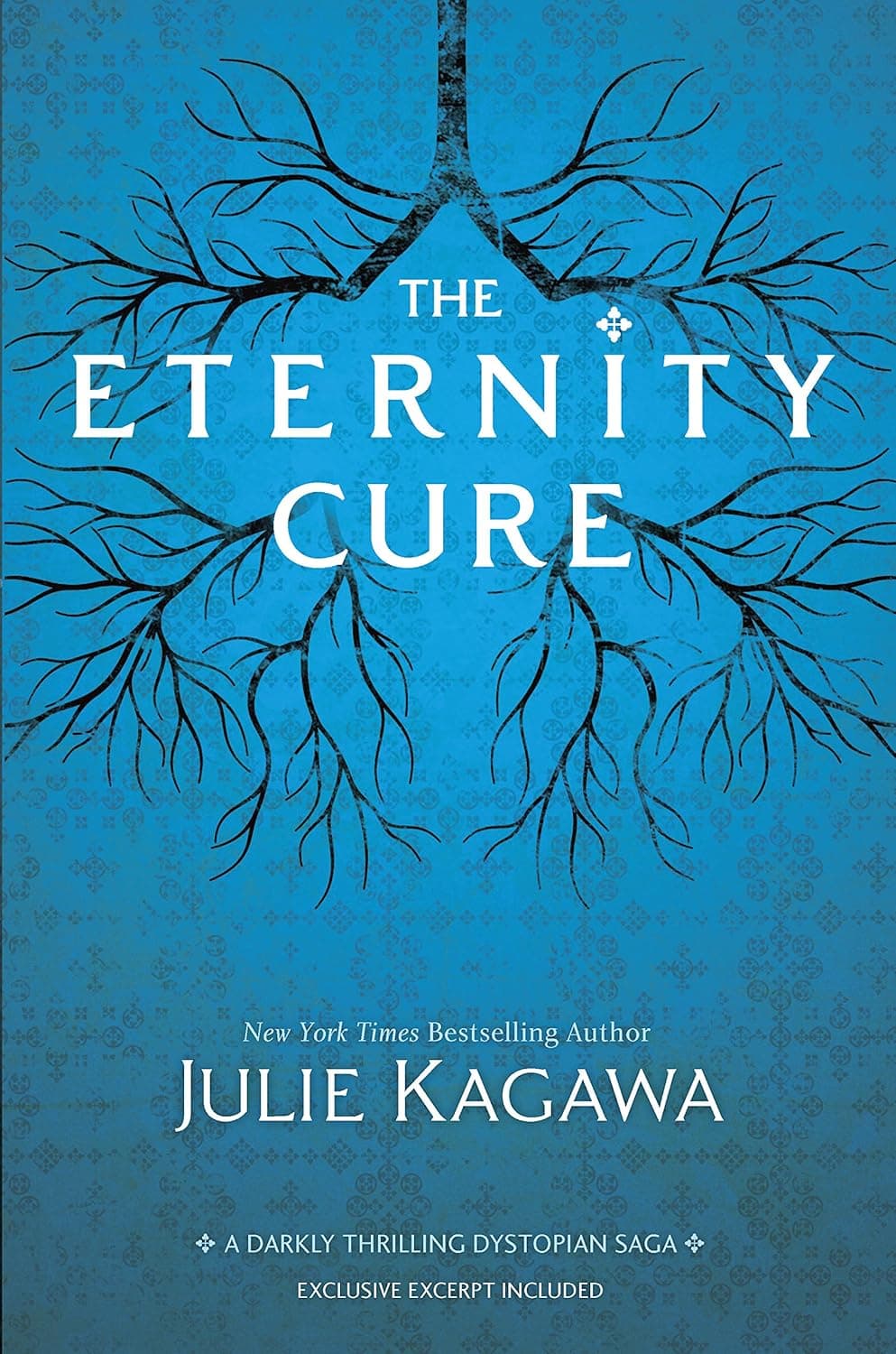
The Eternity Cure continues directly with more family conflict, plague danger, and brutality.
Best for: Readers of The Immortal Rules prepared for darker violence, plague stakes, family betrayal, and a hard cliffhanger.
The Hunger Games
The Hunger Games is tighter and more politically coherent, without supernatural hunger.
Best for: Teens and adults wanting fast dystopian suspense, political spectacle, survival, violence, and a guarded protagonist.
Dracula
Dracula provides the classic adult Gothic predator through documents and much slower pacing.
Best for: Readers willing to accept Victorian pacing for Gothic atmosphere, epistolary suspense, and the source of countless vampire conventions.
Series buying note
Would the collection be the better buy?
These are useful only when you want several books in the same run. The notes below spell out what each package includes and, just as importantly, what it leaves out.
Digital omnibus
Julie Kagawa's Blood of Eden Complete Collection
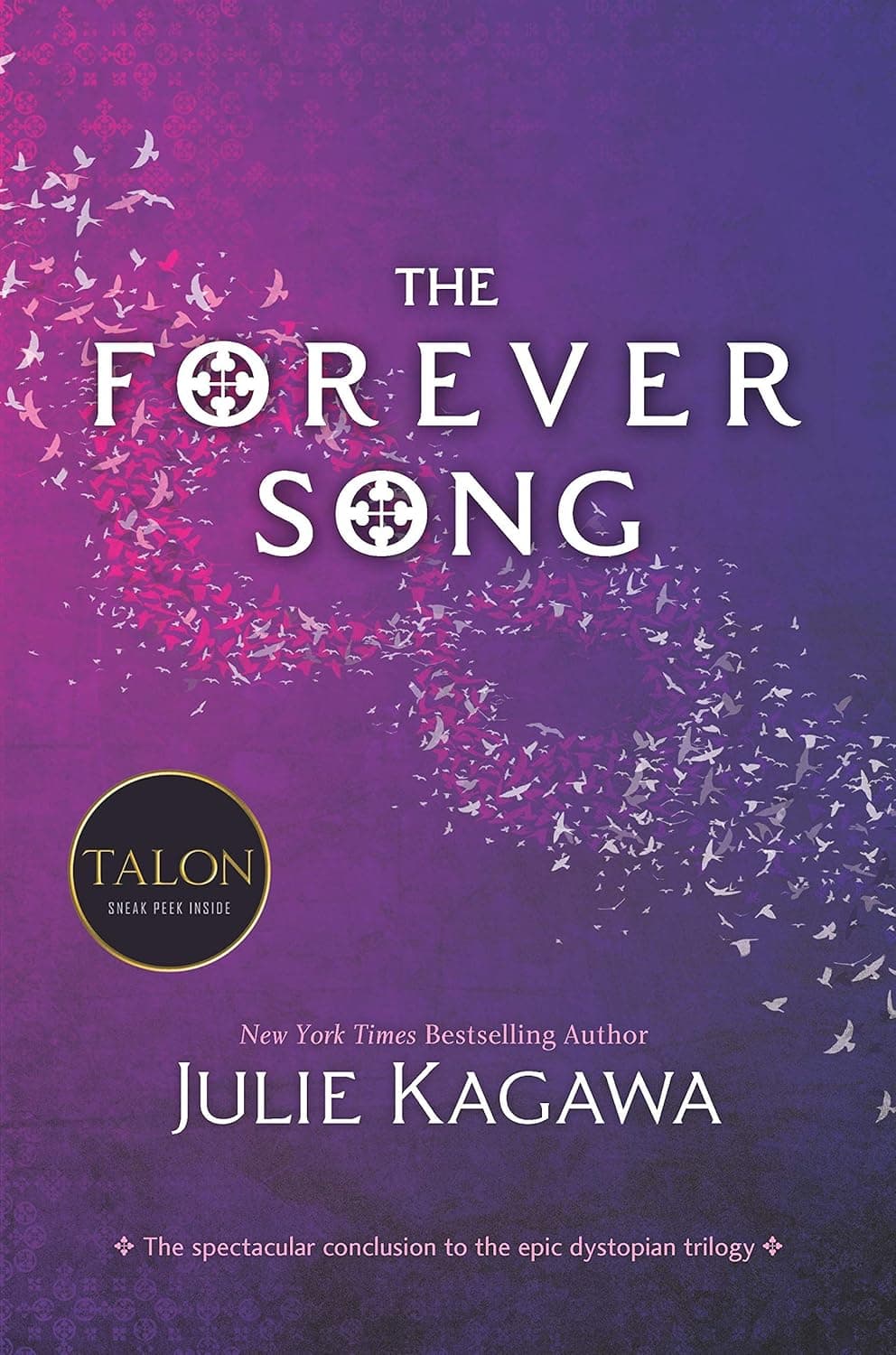
The ebook collects Allison Sekemoto's full trilogy and adds Dawn of Eden, the prequel novella, in a single digital volume.
Included: The Immortal Rules, The Eternity Cure, The Forever Song, Dawn of Eden
Our buying note: This is an ebook collection, not a physical box for the shelf. It is the convenient choice if you read digitally and already expect to finish the trilogy.