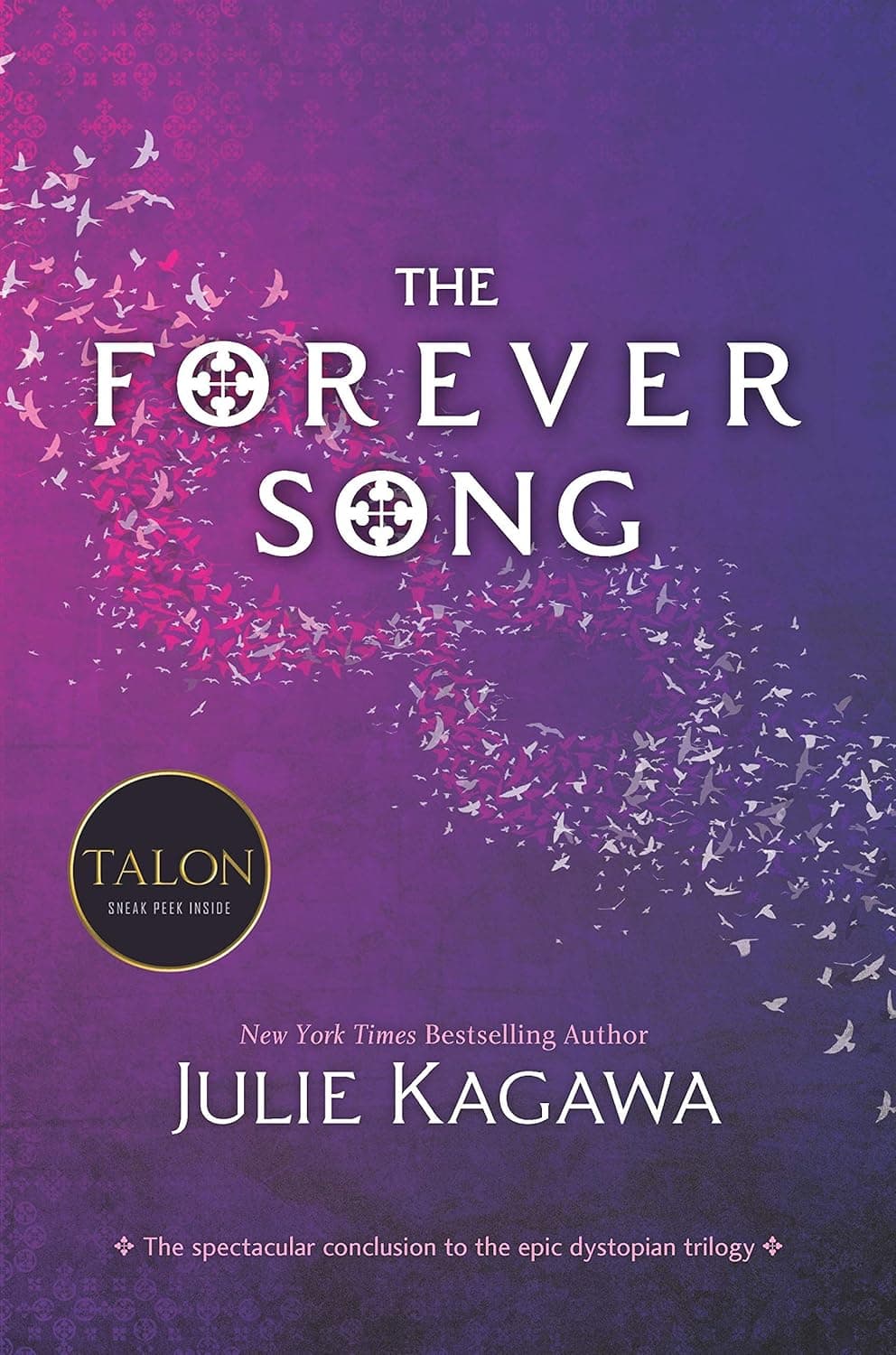
Should you read The Forever Song?
What works
Allison, Jackal, Kanin, Zeke, and Sarren bring the core relationships into one final route toward the plague's source and future coexistence.
What may not work for you
The villain is relentlessly extreme, emotional reversals are rapid, and the journey repeats attacks before the final confrontation.
What may test your patience
Allison's response to the prior cliffhanger dominates the opening and narrows her voice until new information changes the mission.
Does the ending reward the effort?
Yes. The cure, central relationships, and Allison's chosen identity receive clear closure without pretending the world is repaired overnight.
Reading The Forever Song closely
The Forever Song closes the Blood of Eden trilogy with a weary journey through ruined cities and escalating vampire politics. Allison Sekemoto must finally decide what she is willing to become for the people she loves.
Rusted vans, half-collapsed bridges, and scattered human enclaves keep the journey physically clear. Blood bonds, rabid outbreaks, and vampire ranks also set limits on what each character can risk. Fights grow from those rules and from broken alliances rather than appearing only because the finale needs another obstacle.
Allison wants to protect people even when hunger makes them look like food. Kanin answers that problem with severe discipline, while Jackal treats it as an excuse for dark jokes and selfish choices. Their arguments make the final journey more interesting than its repeated fights.
The story argues that identity is shaped by repeated choices, not by the label of “monster” or “hero.” Victories cost something, and mercy does not erase that cost after a single scene.
What the finale resolves
It offers brisk, sometimes brutal pacing, mixing action and narrow escapes with quieter scenes that revisit earlier traumas and promises.
It lets Allison’s relationships evolve instead of freezing characters in place, so the final decisions feel like the result of everything they have endured.
Finishing the Blood of Eden trilogy
Browse reader conversations on Goodreads Blood of Eden pages if you want spoiler-tagged reactions and theories after finishing the trilogy.
Three useful comparisons
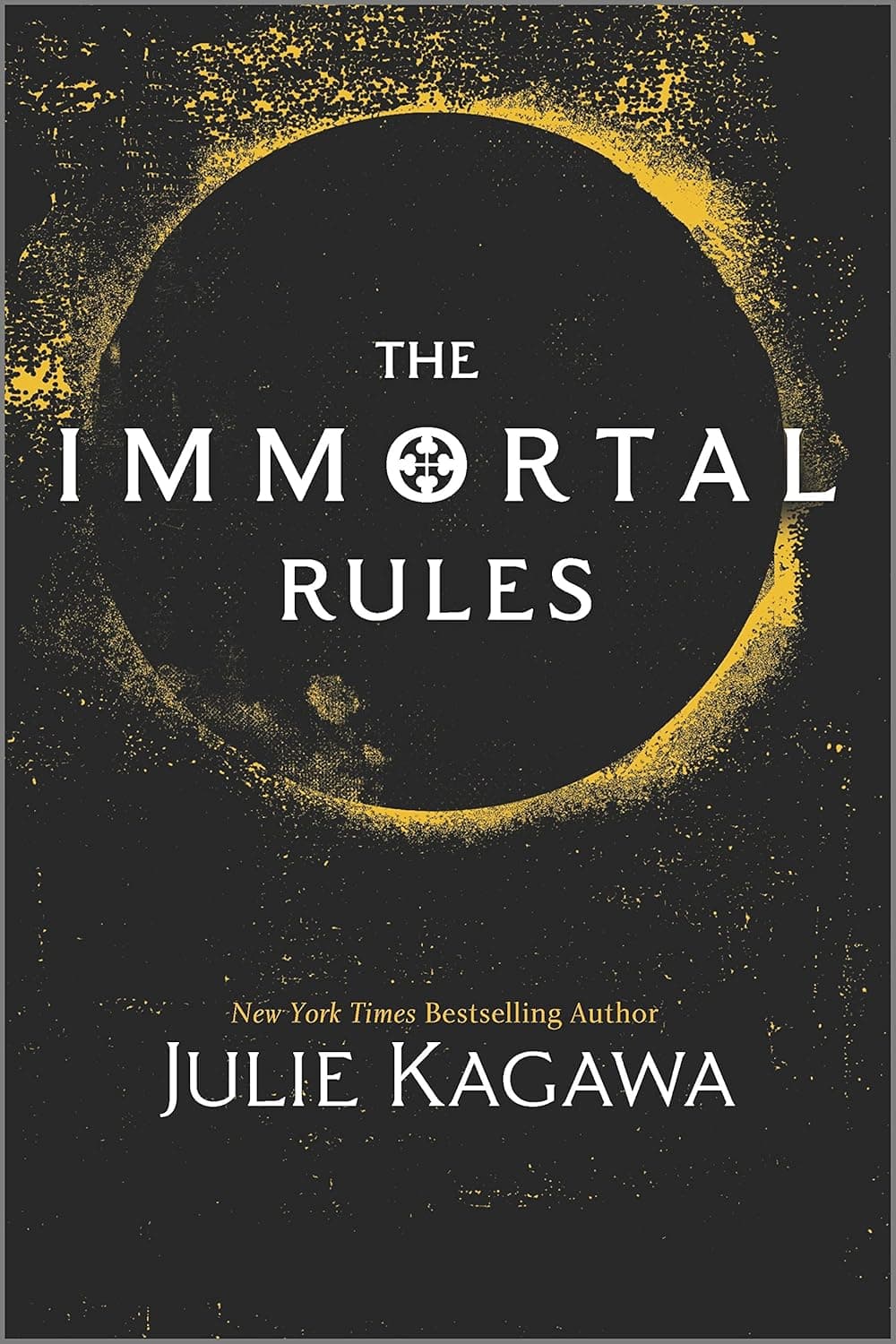
The Immortal Rules
The first volume remains the strongest balance of world discovery, hunger, and moral choice.
Best for: YA readers wanting dark vampire dystopia, survival, found family, violence, and a morally resistant heroine.
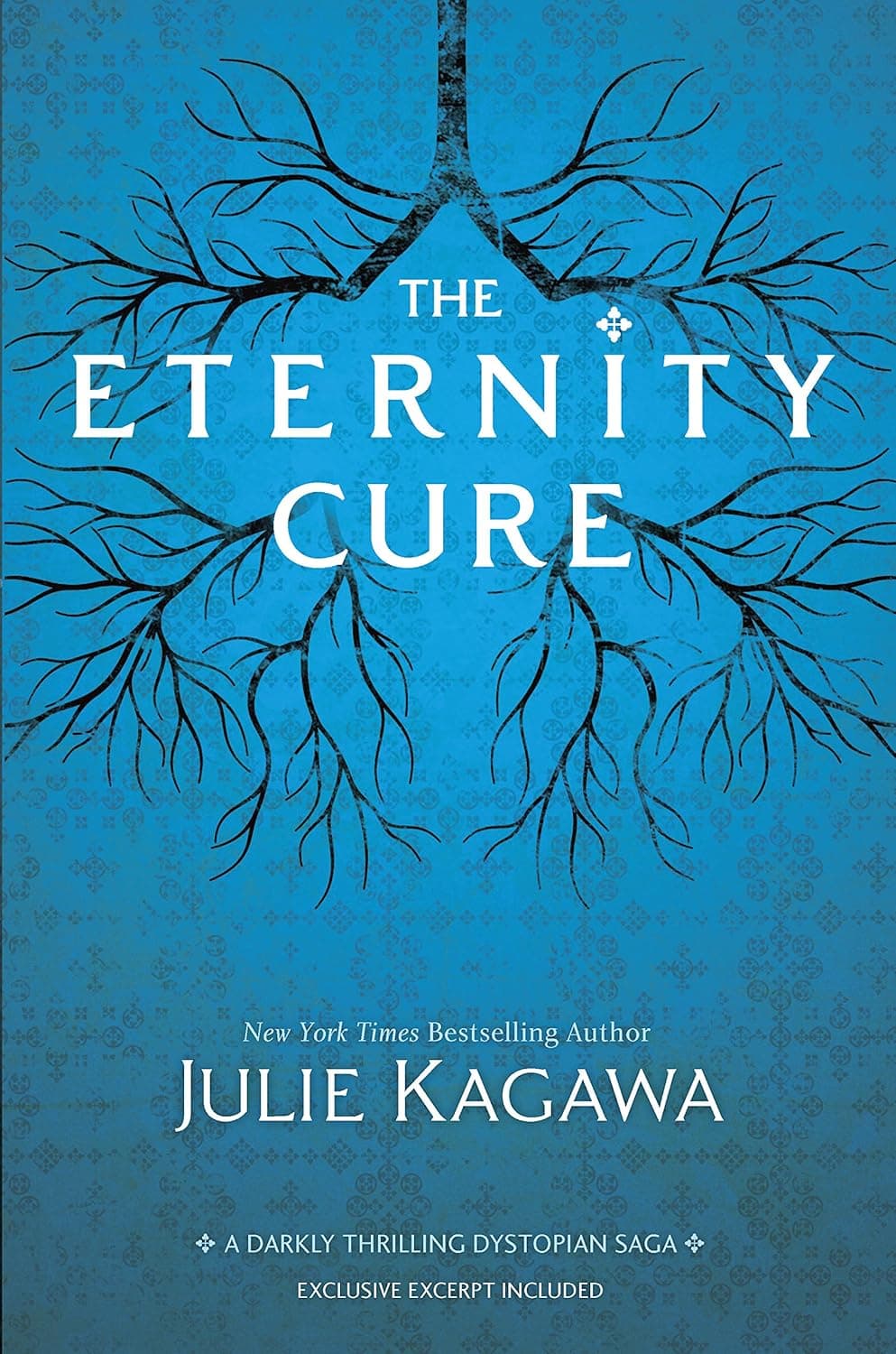
The Eternity Cure
The Eternity Cure supplies the plague and relationship crises resolved here.
Best for: Readers of The Immortal Rules prepared for darker violence, plague stakes, family betrayal, and a hard cliffhanger.
Mockingjay
Mockingjay offers a more politically skeptical finale and a more fractured treatment of trauma.
Best for: Series readers prepared for propaganda, trauma, moral ambiguity, war, and a less crowd-pleasing conclusion.
Series buying note
Would the collection be the better buy?
These are useful only when you want several books in the same run. The notes below spell out what each package includes and, just as importantly, what it leaves out.
Digital omnibus
Julie Kagawa's Blood of Eden Complete Collection
The ebook collects Allison Sekemoto's full trilogy and adds Dawn of Eden, the prequel novella, in a single digital volume.
Included: The Immortal Rules, The Eternity Cure, The Forever Song, Dawn of Eden
Our buying note: This is an ebook collection, not a physical box for the shelf. It is the convenient choice if you read digitally and already expect to finish the trilogy.