Romantic fantasy reading order
Divine Rivals Reading Order: Do You Need It Before Wild Reverence?
You do not have to read Divine Rivals before Wild Reverence. Start with Divine Rivals if you want the complete Letters of Enchantment story; choose Wild Reverence separately for a new adult romance in the same world.
Direct answer
No, you do not have to read Divine Rivals before Wild Reverence
Divine Rivals and Ruthless Vows are the complete two-book Letters of Enchantment story about Iris Winnow and Roman Kitt, so read those two in order. Wild Reverence is a separate adult novel set in the same world, with Matilda and Vincent as its central pair. It is not book three and does not continue Iris and Roman's plot. Read the duology first for the recommended path through the world, or start with Wild Reverence if its own premise is the book you want.
A shared world does not automatically create one series. Divine Rivals and Ruthless Vows are tightly connected halves of one romantic fantasy story: the second continues the first, and neither should be substituted for the other. Wild Reverence changes the cast and reading proposition. Rebecca Ross presents it as an adult novel set in the world of the gods first introduced in Divine Rivals, centered on the goddess Matilda and the mortal Vincent of Beckett.
For most readers, publication order is the clearest route: Divine Rivals, then Ruthless Vows, then Wild Reverence if the divine side of the setting is what they want next. But this is a recommendation, not a prerequisite. Treat Wild Reverence as a separate purchase when its goddess and mortal romance appeals more than a story about rival journalists and magical correspondence.
Best place to start
Choose Divine Rivals for the complete Letters of Enchantment story
Start with Divine Rivals if the appeal is rival journalists, magical letters, and a romantic fantasy story that continues directly in Ruthless Vows. Read our full review before choosing a format.
As an Amazon Associate, I earn from qualifying purchases.
Three-book shared-world route
Read the duology in order, then choose the standalone
Only Divine Rivals and Ruthless Vows are numbered as the Letters of Enchantment duology. Wild Reverence is not Divine Rivals book three.
1
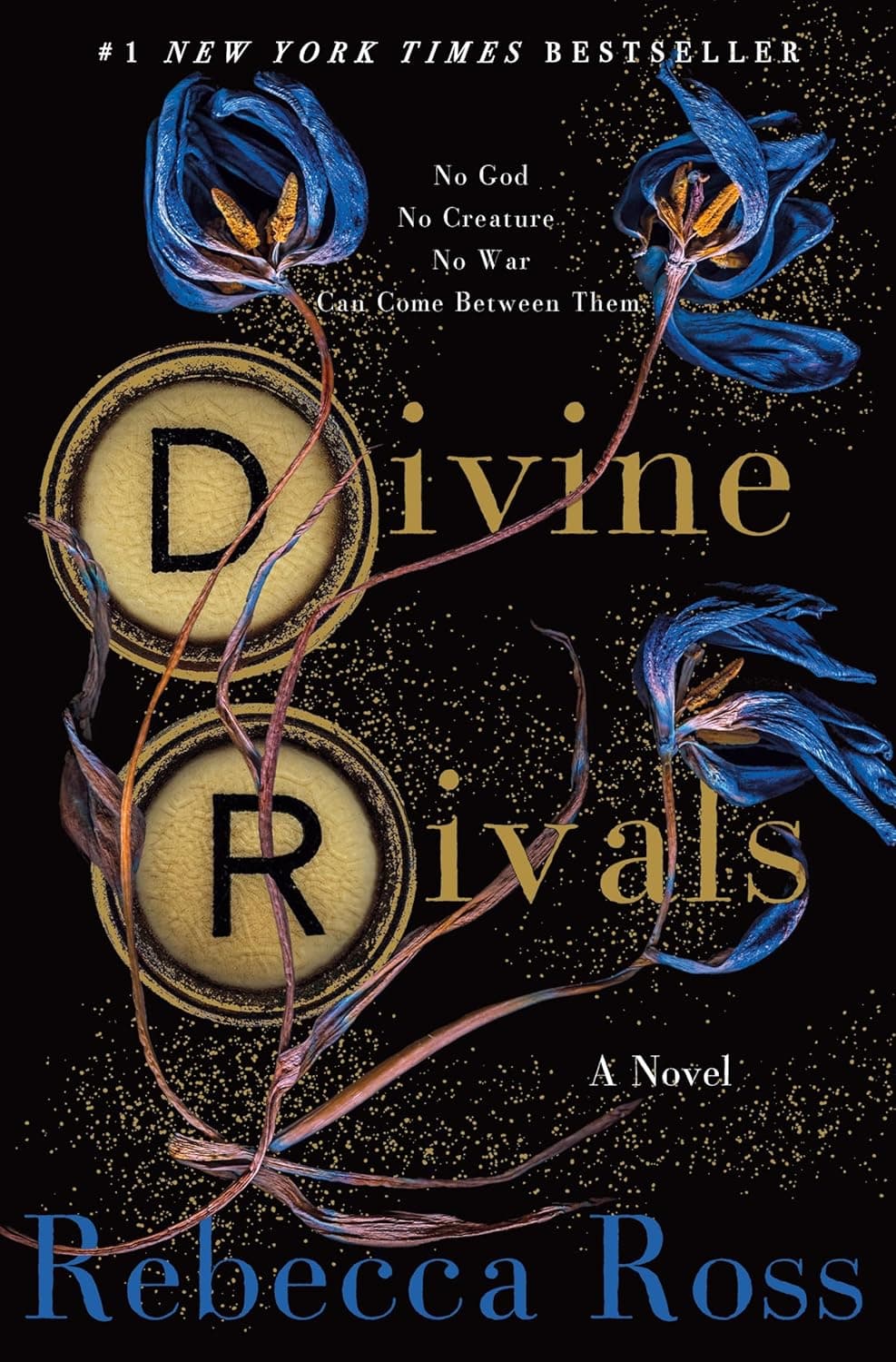
Divine Rivals
Letters of Enchantment book one
Iris Winnow and Roman Kitt compete at a newspaper while war between gods reaches into ordinary homes. Letters typed in private find an impossible recipient, creating intimacy before either writer fully understands who is on the other side. The newsroom rivalry keeps the opening close to two young people and their ambitions. When Iris moves closer to the front, reporting, grief, and correspondence prevent the fantasy war from becoming a distant map problem.
What to expect: Start here. It introduces the letter magic through discovery, establishes Iris and Roman's emotional language, and ends with consequences Ruthless Vows directly continues.
2
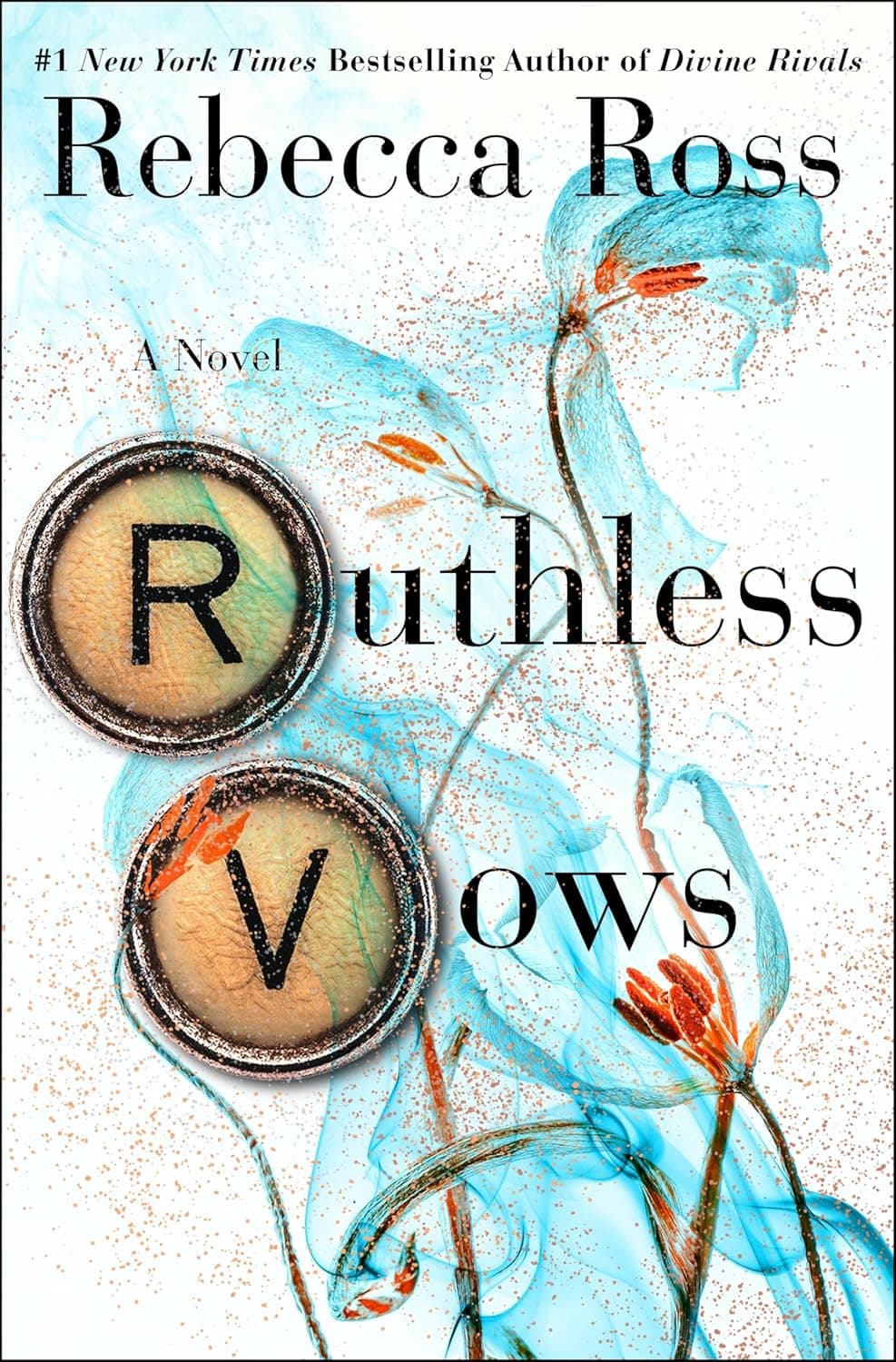
Ruthless Vows
Letters of Enchantment book two
The second novel widens the divine conflict while separating characters who previously found truth through letters. Memory, allegiance, public narrative, and the practical cost of war place greater weight on choices that once belonged to private correspondence. Its job is conclusion rather than another slow introduction, so it assumes the first book's relationships and revelations from the beginning.
What to expect: Read immediately after Divine Rivals. Starting here would spoil both the identity behind the correspondence and the emotional outcome of book one.
3
Wild Reverence
Adult shared-world standalone
Matilda is the youngest goddess in her clan, born in the under realm and gifted with humble messenger magic in a culture where gods can kill for power. She once knew Vincent of Beckett through dreams. Years after his plea for help went unanswered, she arrives at his window carrying a letter. Their reunion brings divine violence, hidden power, vulnerability, and mortal attachment into the foreground rather than filtering gods mainly through a human war.
What to expect: Choose this after the duology for the recommended shared-world route, or read it first if Matilda and Vincent's adult romance is the story you want. Do not choose it expecting more Iris and Roman.
How the books connect
The duology and Wild Reverence make different promises
Shared motifs create continuity, while cast, audience, and narrative purpose keep the standalone distinct.
| Book | Central pair | Primary scale | Series function |
|---|---|---|---|
| Divine Rivals | Iris and Roman | Newsroom, family, and a widening war | Duology setup |
| Ruthless Vows | Iris and Roman | Divine war, memory, and divided allegiance | Duology conclusion |
| Wild Reverence | Matilda and Vincent | Godly realms, mortal attachment, and hidden power | Adult standalone in the same world |
What belongs to Letters of Enchantment?
Letters of Enchantment contains only Divine Rivals and Ruthless Vows. Together, they tell Iris and Roman's complete story. Wild Reverence shares the world but is not part of that numbered duology.
Rebecca Ross's other fantasy books and series are separate reading choices, not required preparation for either the duology or Wild Reverence. A shared author, a fantasy setting, or a similar cover style does not make them installments in this story.
Can you read Wild Reverence first?
Yes in the narrow sense. Its principal characters and romantic problem are introduced within the novel, and the publisher presents it as a standalone. A reader is not expected to remember Iris's newspaper colleagues or reconstruct the ending of Ruthless Vows to understand why Matilda carries a letter.
We still recommend publication order for readers who want the broadest route through the shared world. Start with Divine Rivals when a YA story of rival journalists and magical letters is the draw; start with Wild Reverence when its adult central pair and divine setting are the draw. Neither choice changes the required order inside the two-book duology.
Is Wild Reverence Divine Rivals book three?
No. Ruthless Vows completes the Letters of Enchantment duology. Wild Reverence is connected through world, divine history, messenger magic, and thematic attention to correspondence, but it changes protagonists and tells its own romantic story. Calling it book three implies that Iris and Roman's plot requires another volume, which misrepresents both endings.
Retail series labels can blur this because a shared-world bundle is useful for discovery. Read the subtitle and description before buying. A three-book package may be a complete Rebecca Ross world collection, but it is not a trilogy in the conventional sense of one plot divided across three installments.
How the romance and difficulty change
Divine Rivals uses an immediately legible rivalry and secret correspondence. Even when the war grows darker, the emotional question has a clean route into the story. Ruthless Vows carries more mythology, separation, and political consequence because it must conclude what the first book opens.
Wild Reverence moves to adult fantasy and makes divine alliances, lethal power, and the rules of the godly realms more central. The romance remains important, but the protagonist's vulnerability is bound to what power means among gods. Readers choosing it for another gentle workplace rivalry should expect a different texture.
Why letters matter across the shared world
Letters in these books are not decorative proof that characters like words. They cross boundaries that ordinary conversation cannot. Iris and Roman can become honest before social identity and rivalry catch up. Matilda's messenger gift makes carrying words a form of power within the divine order, while Vincent's unanswered plea gives absence its own consequence.
That continuity is the strongest reason to read all three. The mechanics and senders change, but correspondence keeps testing whether intimacy can survive distance, withheld identity, unequal power, and war. The motif connects the standalone without requiring the same plot.
The best buying decision
Buy Divine Rivals alone if you are uncertain about romantic fantasy. Its ending invites the sequel, but the first book gives enough newsroom, letter, and front-line material to judge Ross's prose and emotional pacing. If it works, purchase Ruthless Vows before reading detailed summaries because spoilers are built into even basic descriptions of the second setup.
Treat Wild Reverence as a separate decision. Choose it when the divine background was one of your favorite parts or when a goddess and mortal romance sounds more appealing than war correspondence. Matching covers are pleasant, but shared design should not be mistaken for narrative necessity.
Quick answers
Questions readers ask before buying
What is the Divine Rivals reading order?
Read Divine Rivals first and Ruthless Vows second. Those two books are the complete Letters of Enchantment duology. Wild Reverence is an optional adult shared-world standalone to read afterward or on its own.
Is Wild Reverence a prequel to Divine Rivals?
For reading purposes, treat it as a separate shared-world standalone, not a required first volume for Iris and Roman. Rebecca Ross presents it as an adult novel set in the world of the gods introduced in Divine Rivals, with a new central pair.
Do you have to read Divine Rivals before Wild Reverence?
No. Wild Reverence is presented as a standalone with Matilda and Vincent at its center. Read Divine Rivals first if you want the recommended shared-world route, but only Divine Rivals and Ruthless Vows must be read together and in order.
Is Ruthless Vows the final Divine Rivals book?
It completes Iris and Roman's two-book Letters of Enchantment story. Wild Reverence does not reopen that plot as a third installment.
Is Wild Reverence written for the same audience?
It is published as an adult novel, while Divine Rivals and Ruthless Vows are positioned as young adult romantic fantasy. The shared world does not make their tone and focus identical.
Sources
Sources for this guide
Letters of Enchantment series status, Wild Reverence's shared-world status, characters, and adult positioning were checked against Rebecca Ross's site and Macmillan. The recommended route is our spoiler-conscious editorial guidance.
Keep reading