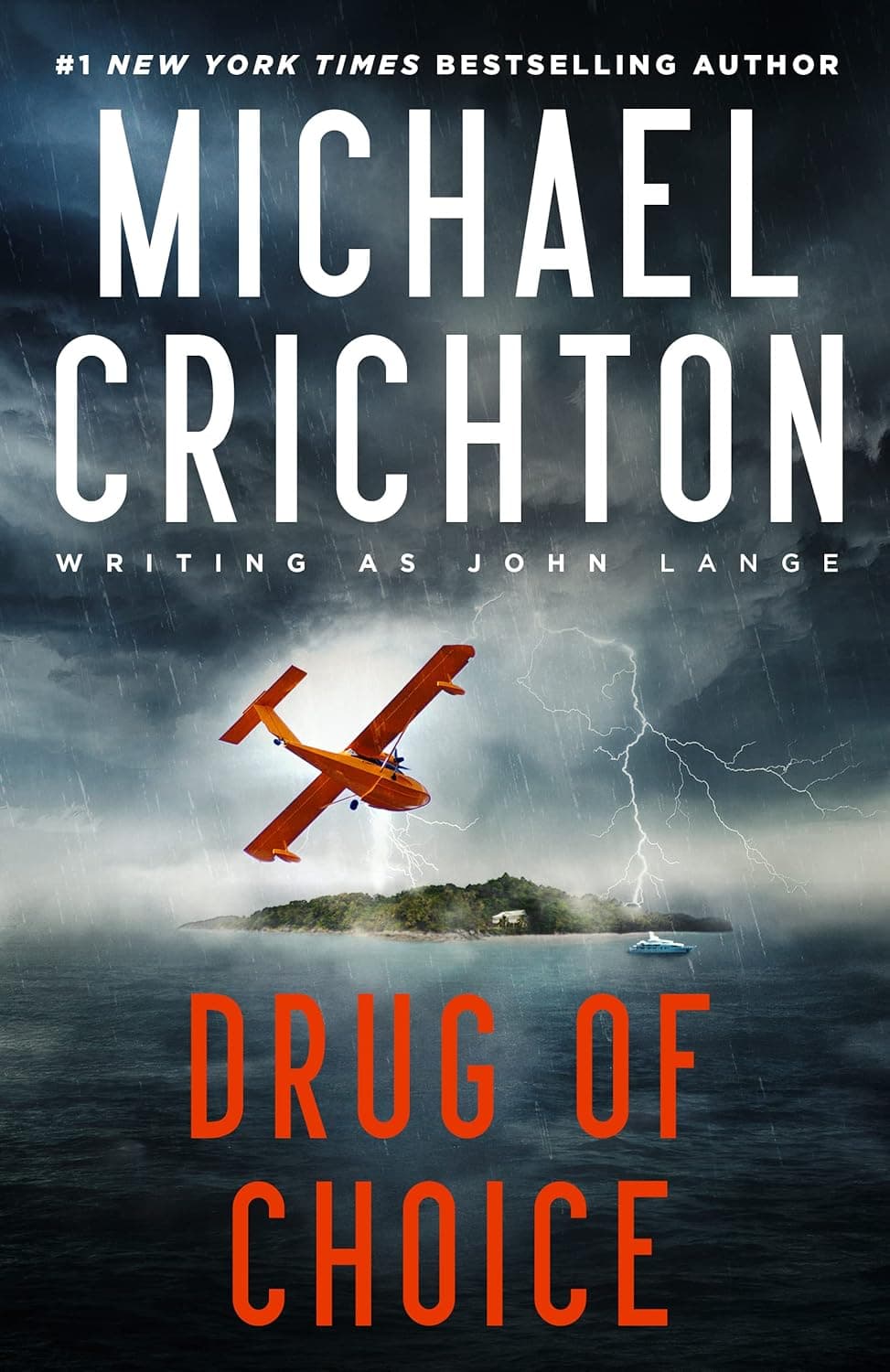
Should you read Drug of Choice?
What works
Unexplained symptoms, a private island, and pharmaceutical power give the medical investigation a steadily stranger causal chain.
What may not work for you
The science is thin, the conspiracy relies on pulp convenience, and gender characterization has aged poorly.
What may test your patience
Early hospital cases appear disconnected until the recurring drug effects and corporate interest establish one mystery.
Does the ending reward the effort?
The explanation ties the incidents together but resolves them faster and more neatly than the premise's ethical implications allow.
Reading Drug of Choice closely
Drug of Choice follows Dr. Roger Clark after patients arrive in a strange euphoric coma accompanied by an unmistakable physical sign: blue urine. The cases point beyond ordinary recreational drugs toward Advance, a corporation connected to a private island resort promising pleasure, escape, and experiences too controlled to be entirely innocent.
Clark's investigation moves from hospital mystery into speculative corporate thriller. Crichton explores how medicine can distinguish treatment from manipulation when a company understands desire as a market. The island's bright surfaces and engineered happiness produce an unease different from a conventional criminal hideout; danger comes from systems designed to make resistance feel unnecessary.
The pharmacology is pulp speculation rather than a prediction, and the novel's sexual politics and corporate caricature reflect its era. Still, its questions about manufactured experience, consent, and commercial control feel recognizably Crichtonian. It is somewhat stranger than the other John Lange crime books and will appeal to readers who want an early bridge between paperback suspense and his later technology-driven fiction.
A medical clue with corporate implications
The coma and blue urine give Clark concrete evidence, while the organization behind them controls information and access.
Pleasure as a product
The resort turns escape into an engineered service, raising questions about whether willing customers can give informed consent.
Crime pulp approaching science fiction
The book combines pursuit and conspiracy with a speculative drug premise that anticipates later Crichton concerns.
Three useful comparisons
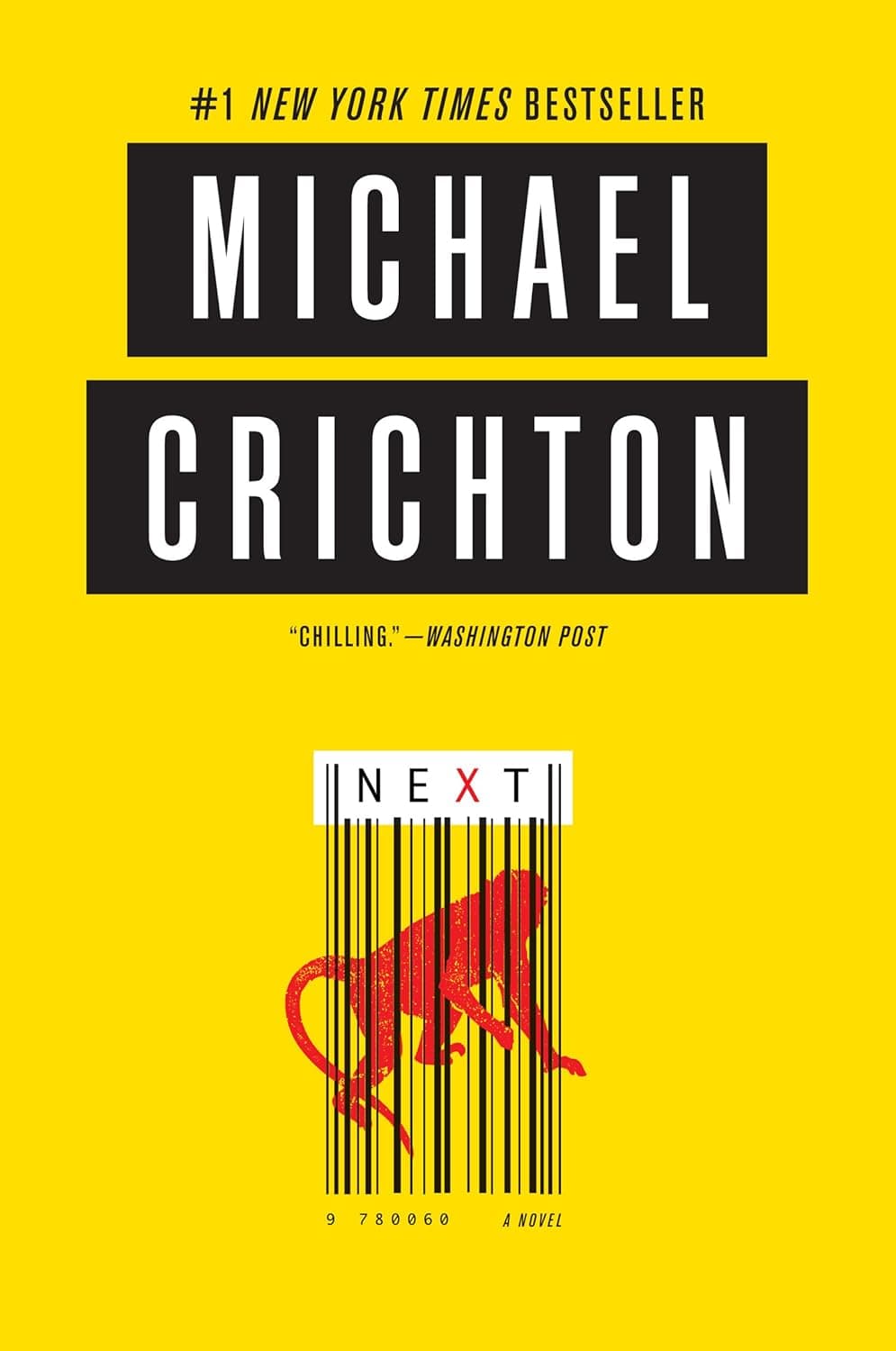
Next
Next explores biotechnology and ownership with far broader scope, satire, and legal context.
Best for: Readers interested in biotechnology, patents, genetic privacy, satire, and idea density more than unified character drama.
As an Amazon Associate, I earn from qualifying purchases.
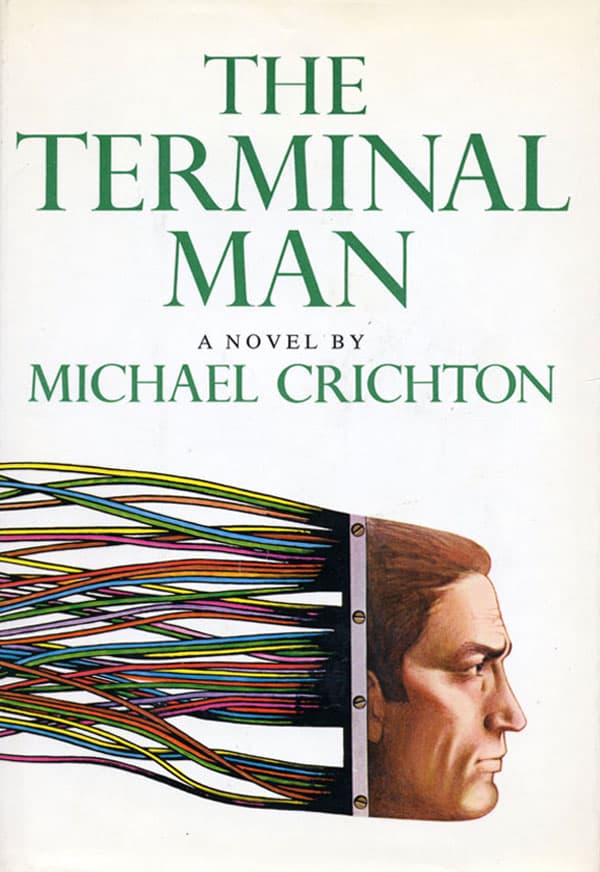
The Terminal Man
The Terminal Man offers more disciplined medical speculation and a stronger tragic mechanism.
Best for: Readers interested in neuroscience, medical ethics, behavioral control, and concise technothrillers.
As an Amazon Associate, I earn from qualifying purchases.
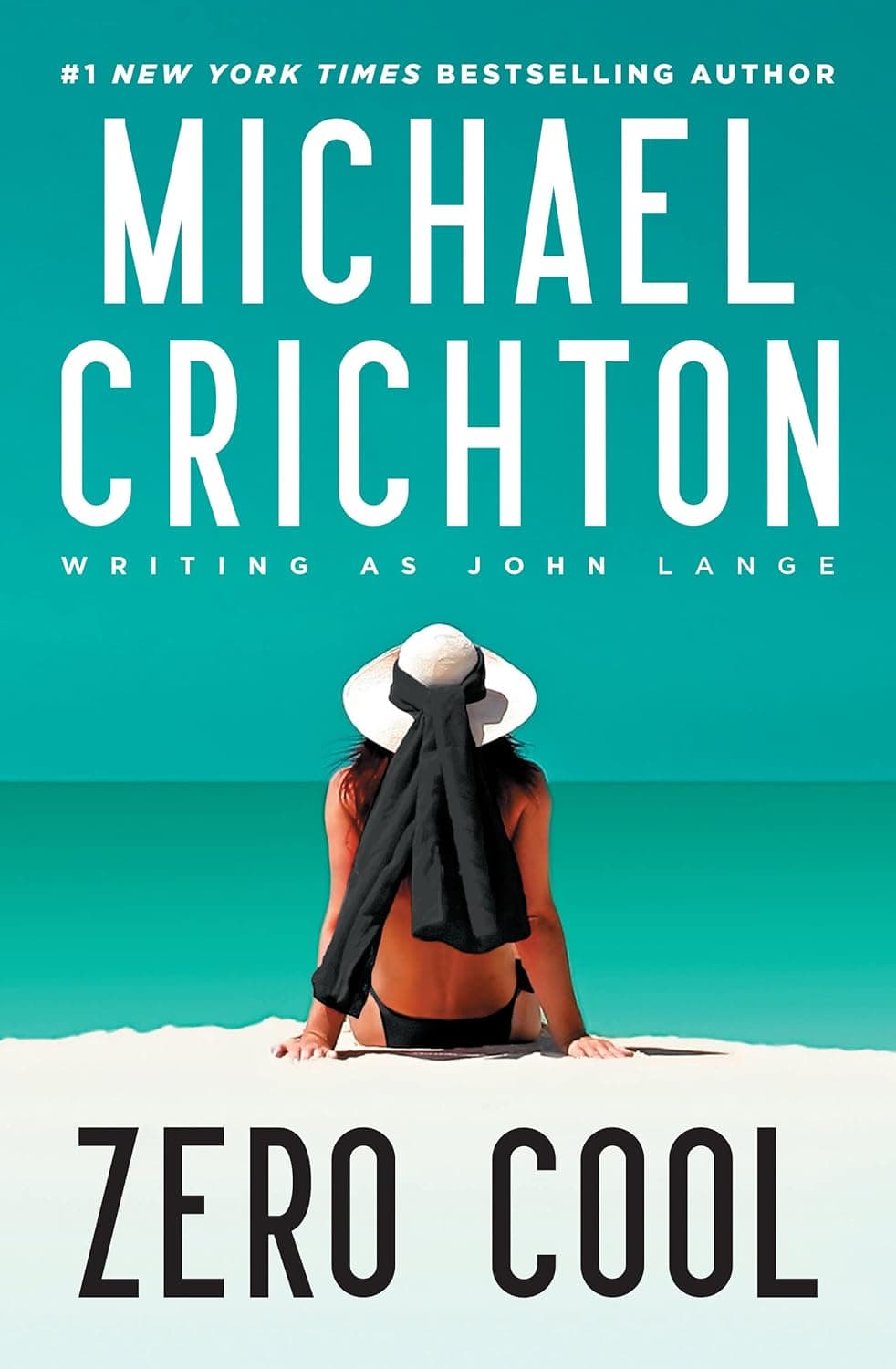
Zero Cool
Zero Cool is lighter and more comic, with medical expertise used inside a crime chase.
Best for: Crichton completists and readers comfortable with dated 1960s crime comedy and lightweight medical intrigue.
As an Amazon Associate, I earn from qualifying purchases.