Author profile
Ray Bradbury: books, reviews, and where to start
Ray Bradbury wrote speculative fiction from memory, metaphor, and moral urgency, treating rockets, carnivals, libraries, and small-town streets as stages for wonder and fear.
Biography and criticism
The poet of the rocket and the burning page
Bradbury was less interested in predicting devices than in asking what habits of attention people would surrender when speed, fear, and entertainment made reflection inconvenient.
A library education and the pulps
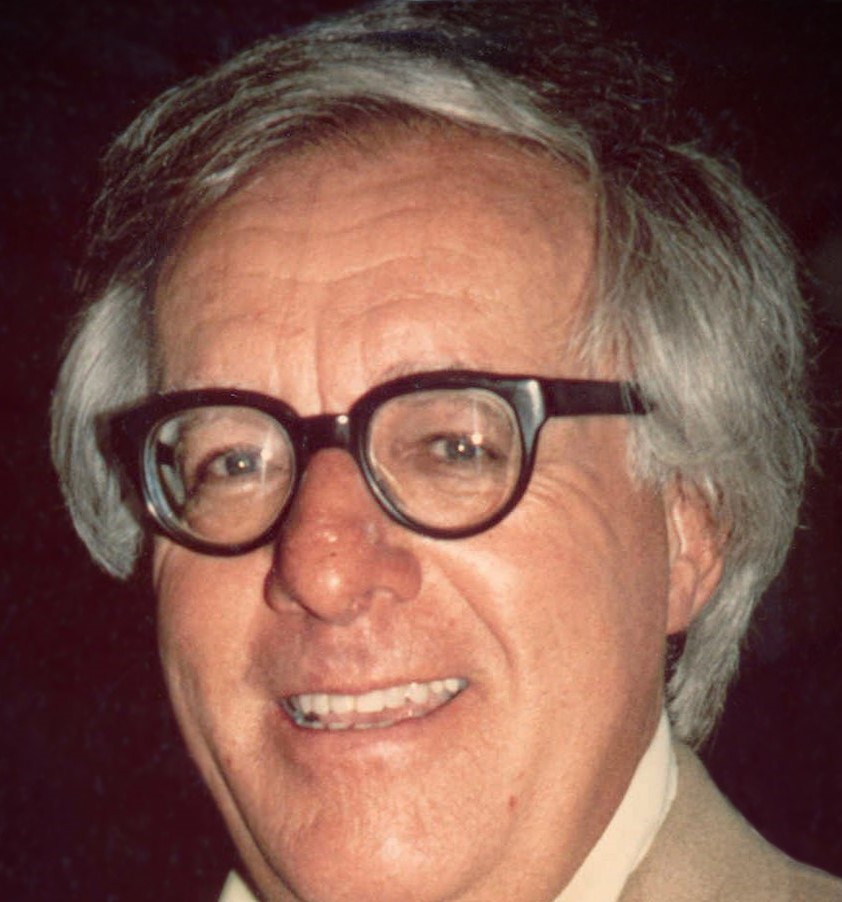
Ray Bradbury was born in Waukegan, Illinois, in 1920 and moved with his family to Los Angeles. Unable to afford college, he educated himself in libraries while writing regularly and participating in science-fiction fan culture. Early magazine publication developed the short-story discipline that remained central even after novels made him famous.
The Martian Chronicles assembles linked stories about exploration, colonization, nostalgia, and destruction. Mars is not a scientifically rigorous planet. It is a moral and lyrical distance from which Bradbury can look back at American settlement, racism, loneliness, and nuclear fear.
What burns in Fahrenheit 451
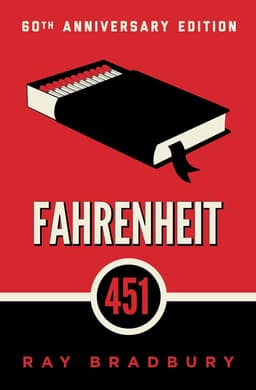
Fahrenheit 451 imagines fireman Guy Montag turning from book burner toward forbidden reading. State censorship matters, but Bradbury also emphasizes a public that has accepted speed, shallow entertainment, and social comfort over difficult attention. The novel moves too quickly to settle every political mechanism, yet images such as the parlor walls, mechanical hound, and hidden community of remembered books remain powerful.
Bradbury's prose is exuberant, metaphor-rich, and sometimes sentimental. He can animate an object in a phrase and overload a paragraph with wonder in the next. The short stories, including those collected in The Illustrated Man and The October Country, show his range from tenderness to carnival horror. Fahrenheit 451 is the obvious entry, but a story collection gives the truer picture of a writer who approached ideas through image and feeling before system.
The image arrives before the argument
Bradbury rarely begins with a neutral explanation of an idea. He begins with rain on Mars, a mechanical hound, a carnival entering town, or pages burning brightly enough to make destruction look beautiful. The image creates desire and dread before the story tells the reader what position to take. This is why his work survives imperfect prediction. The technology can date; the sensory contradiction continues to operate.
Fahrenheit 451 is often reduced to a slogan about banned books, but its sharper target includes chosen distraction, accelerated entertainment, and the social discomfort produced by sustained attention. The Martian Chronicles uses another strategy: linked stories contradict one another because Mars functions as frontier dream, graveyard, mirror, and imagined second chance. Bradbury's sentiment can become broad, and his women are not always granted the freedom of his dreaming men. At his best, however, lyric compression makes a speculative premise feel remembered rather than invented, as if the reader had already lost the future being described.
The books in context
How the work develops on the page
These notes connect the biography to specific choices in the books. Each title links to the full spoiler-free review.
This review of Fahrenheit 451 revisits Ray Bradbury's classic dystopian novel and its central hook: fireman Guy Montag burns books for a living until small doubts push him to question a society that prefers comfort over curiosity.
Montag's slow awakening drives the story. Routine firehouse raids and staged emergencies give way to private conversations with a curious neighbour and a woman who refuses to abandon her library. Those encounters show how a single uncomfortable question can expose the cracks in an entire system built on distraction.
Bradbury's language mixes surreal, poetic images with blunt warnings about propaganda, passive media, and groupthink. Every alarm, flame, and mechanical hound scene underlines how easy it is to trade reflection for shallow entertainment, a theme that still feels relevant for modern readers and students.
If you are ready to revisit this essential novel, you can secure Fahrenheit 451 on Amazon and explore our dystopian fiction hub for more stories about censorship, resistance, and the value of books.
Bradbury piles metaphors onto machines, flames, faces, and night streets, often making the prose run hotter than the scene requires. At its best, that excess gives ordinary technology a predatory life.
Bradbury understands censorship as a cultural appetite as well as a government policy. The parlour walls, seashell radios, speeding cars, and shortened attention spans make books dangerous because they demand sustained discomfort.
Montag's transformation is abrupt, and several women exist mainly to awaken or disappoint him. The novel's defense of literature can also become more reverent than analytical.
The final flight introduces new people and a different rhythm just as the pursuit is peaking. The symbolic turn works, but the transition is less developed than the opening domestic crisis.
Mostly. The conclusion offers a memorable image of preservation and renewal, although it reaches that hope faster than Montag's inner change fully earns.
1984 is slower, colder, and more rigorous about political machinery. Choose it for systematic repression; choose Fahrenheit 451 for emotional speed and memorable imagery.
The Book Thief also treats reading as resistance, but grounds that idea in wartime relationships and a child's developing moral life. It is longer and far more character-centered.
The Handmaid's Tale uses a fragmented first-person record to show how forbidden language preserves identity. Choose it for bodily politics and memory rather than Bradbury's media-driven parable.
Fahrenheit 451 tracks fireman Guy Montag as he begins questioning a future America that burns books to protect comfort over curiosity.
Read the complete reviewWhere to begin
A good place to start with Ray Bradbury

Fahrenheit 451
4.2 / 5Fahrenheit 451 moves too quickly to support every idea, yet its images of distraction, loneliness, and forbidden attention remain potent.
Reading order and buying help
Reading guides featuring Ray Bradbury
Bibliography
Books by Ray Bradbury
Reviewed titles open directly on Book Review Guide. Other editions and works remain marked until a full review is published.

Reviewed
Fahrenheit 451

Not reviewed yet
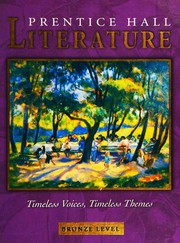
Prentice Hall Literature
Not reviewed yet
The Year's Best Fantasy and Horror
Not reviewed yet
Dark Forces

Not reviewed yet
Again, Dangerous Visions



Not reviewed yet
Histoires de Robots

Not reviewed yet
Space Movies

Not reviewed yet
Vampires at midnight
Not reviewed yet
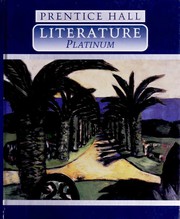
Prentice Hall Literature -- Platinum
Not reviewed yet
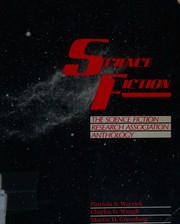
Science Fiction
Not reviewed yet
A medicine for melancholy
Not reviewed yet
The small assassin

Not reviewed yet
Young Mutants
Not reviewed yet
Something wicked this way comes


Not reviewed yet
Prentice Hall Literature--Timeless Voices, Timeless Themes--Gold
Not reviewed yet
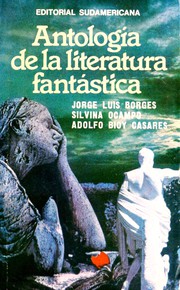
Antología de la literatura fantástica
![Cover of Prentice Hall Literature [Grade Ten]](https://covers.openlibrary.org/b/id/14329691-M.jpg)
Not reviewed yet
Prentice Hall Literature [Grade Ten]
Not reviewed yet
The Golden Apples of the Sun
Not reviewed yet
The Silver Locusts
Not reviewed yet
Long After Midnight

Not reviewed yet
A Sound of Thunder

Not reviewed yet
Literature--Twelfth Edition

Not reviewed yet
Literature

Not reviewed yet
An Introduction to Fiction -- Second Edition
Not reviewed yet
The Britannica Library of Great American Writing - Volume II

Not reviewed yet
Prentice Hall Literature--Silver

Not reviewed yet
Understanding fiction -- Second Edition
Not reviewed yet
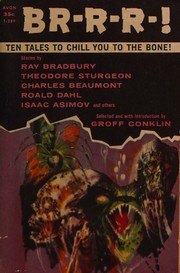
Br-r-r-!
Not reviewed yet
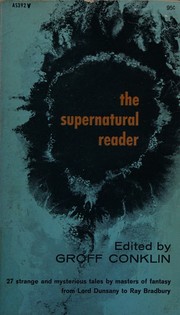
The supernatural reader
Not reviewed yet
In the Grip of Terror
Not reviewed yet
From the dust returned

Not reviewed yet
Science Fiction Stories

Not reviewed yet
The Nightmare Reader
![Cover of The United States in Literature [with three long stories] -- Seventh Edition](https://covers.openlibrary.org/b/id/6699609-M.jpg)
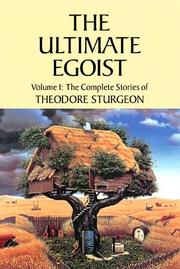
Not reviewed yet
Ultimate Egoist: Volume I
![Cover of Isaac Asimov präsentiert Märchenwelt der Fantasy. Die schönsten Geschichten [20 short stories]](https://covers.openlibrary.org/b/id/13800241-M.jpg)

Not reviewed yet
Young witches & warlocks
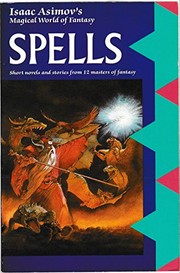
Not reviewed yet
Isaac Asimov's Magical Worlds of Fantasy, Volume 4
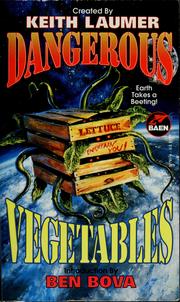
Not reviewed yet
Dangerous vegetables
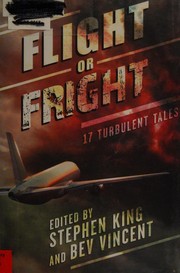
Not reviewed yet
Flight or Fright

Not reviewed yet
Prentice Hall Literature--Bronze

Not reviewed yet
Halloween
Bibliographic records: Open Library.
Reviewed bibliography
Ray Bradbury books reviewed here
Every title below has a complete, spoiler-free review. Scores are our editorial ratings, not visitor averages.

20134.2 / 5
Fahrenheit 451
Classic Dystopian Fiction Review
Fahrenheit 451 moves too quickly to support every idea, yet its images of distraction, loneliness, and forbidden attention remain potent.
As an Amazon Associate, I earn from qualifying purchases.
Keep exploring