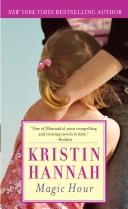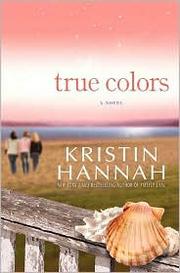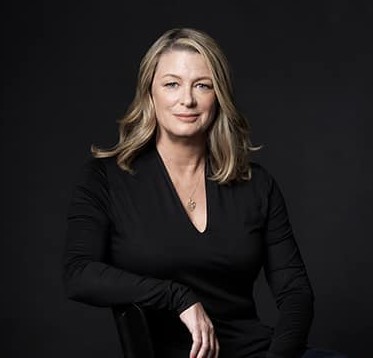
Portrait of Kristin Hannah

Author profile

Kristin Hannah: books, reviews, and where to start

Kristin Hannah writes emotionally expansive novels about women, war, family, friendship, and endurance, using intimate bonds to make large historical crises immediately felt.

Born 1960writernovelist

Biography and criticism

Women's lives inside the historical event

Hannah's novels court strong feeling openly. Their best moments earn it through domestic detail and the difficult labor of surviving after public attention has moved on.

A hospital promise and a long apprenticeship

Kristin Hannah was born in California in 1960, studied communications and law, and practiced before becoming a novelist. She began writing with her mother during her mother's illness, an origin that connects the career to memory and shared work. Early romance and women's fiction developed over many books before Firefly Lane and later historical novels brought a much larger readership.

The Nightingale follows sisters in occupied France, using different forms of resistance to challenge narrow definitions of wartime heroism. The Women centers military nurses in Vietnam and the social refusal to recognize their service. Hannah repeatedly asks which experiences disappear when the public story of war is organized around men.

The machinery of feeling

Hannah writes accessible prose, large reversals, sacrifice, separation, and reunion. She is willing to press emotional pressure hard, which moves many readers and can feel manipulative when coincidence or repeated suffering becomes too visible. The distinction rests in detail. Nursing procedure, hunger, weather, household work, and friendship give emotion something to stand on.

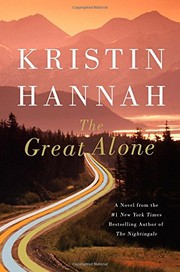
The Great Alone uses Alaska to join family violence, isolation, and survival. Firefly Lane is the entry for long friendship; The Nightingale for historical drama; The Women for medical and military history. Hannah's popularity comes from restoring private endurance to public history, even when the novel's need for catharsis sometimes smooths the disorder left by real trauma.

The books in context

How the work develops on the page

These notes connect the biography to specific choices in the books. Each title links to the full spoiler-free review.

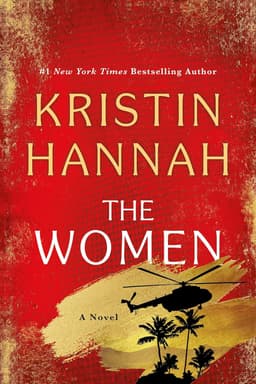
In The Women, Kristin Hannah follows Frances “Frankie” McGrath from a sheltered California upbringing into the chaos of the Vietnam War. After her brother ships out and tragedy hits, Frankie enlists as an Army nurse and discovers that the slogan “women can be heroes too” comes with an unthinkable cost. Field hospitals, helicopters, and evacuation wards become her world, and the novel stays close to her shock, fear, and stubborn determination as casualties pour in faster than anyone can process.

The most gripping parts of the book are not just the bloody triage scenes but the friendships that form in the cracks. Other nurses and medics teach Frankie how to cope, how to laugh in dark moments, and how to keep going when the war refuses to make sense. Hannah leans into emotional beats and short, vivid scenes rather than dense military detail, so you always understand what Frankie is feeling even when the politics are messy or distant.

If you are wondering about intensity and who this novel is for, The Women reads very much as adult historical fiction. There are graphic descriptions of war injuries, frequent profanity, addiction, sex, and repeated losses, along with PTSD and depression when the characters come home. Most guidance puts it in the sixteen and up range or for adults who are ready for heavy topics, war trauma, and the emotional fallout that comes with them.

A common question is whether The Women is based on a true story. Frankie herself is fictional, but Hannah built her arc out of interviews, memoirs, and historical research on the real nurses who served in and around Vietnam. The specific characters and plot twists are invented, yet the mix of exhaustion, fear, camaraderie, and erasure that Frankie faces is meant to mirror what many women actually lived through when they served and then returned to a country that barely acknowledged them.

For book clubs, there is a lot to unpack, from the way Frankie’s family reacts to her service to the contrast between male and female veterans and the role that friendship plays in keeping her alive. If you are ready to follow her into the war and back again, you can pick up your copy of The Women on Amazon and then browse our historical fiction shelf for more war era stories that focus on resilience, memory, and the invisible work of care.

Hannah writes triage through rapid sensory details and short decisions, then lengthens domestic scenes to show how civilian time can become harder to endure than emergency.

Field-hospital scenes make skill, exhaustion, and friendship tangible, while Frankie's return home shows how denial can prolong a war inside the people who served.

Repeated catastrophes and romantic complications occasionally feel arranged to maximize anguish, reducing the room for quieter moral ambiguity.

The postwar section repeats cycles of isolation and collapse after the combat narrative has already delivered a strong emotional peak.

Yes. The close recognizes service through community rather than requiring one relationship to repair trauma that the culture refused to name.

The Book Thief is more formally inventive and views war through a child's civilian life; The Women is more direct, adult, and focused on medical service and aftermath.

Dickens uses revolution for symbolic sacrifice and suspense, while Hannah places bodily care and veteran recognition at the center of recent history.

Keeper of Lost Children also follows war beyond combat, but uses multiple lives and postwar Germany to examine race, belonging, and separated families.

A Vietnam era nurse’s eye view of the war that focuses on evacuation hospitals, field wards, and the emotional toll of constant casualties.

Deep female friendships that balance scenes of gore, grief, and addiction with small moments of humor, loyalty, and ordinary life.

A home front storyline that shows how badly women veterans were ignored, and how hard it was to name PTSD and trauma when almost no one wanted to listen.

Readers who enjoy emotionally intense historical fiction about war, friendship, and the long shadow of trauma, rather than tactical battle detail.

Book clubs looking for a character driven novel with clear discussion hooks about patriotism, protest, gender roles, and how societies remember or forget certain veterans.

Fans of The Nightingale or other Kristin Hannah novels who want another story where ordinary women are pushed into extraordinary situations and have to decide what kind of courage they can live with.

Look up a short timeline of the Vietnam War and major offensives before or during your read to place Frankie’s rotations in context.

Pair the novel with a real memoir by a Vietnam era nurse or medic if you want to compare what Hannah fictionalizes with firsthand accounts.

Use the author’s note and the content of the novel to start a conversation about how we treat returning soldiers today, and whose stories end up forgotten.

This The Women review follows army nurse Frankie McGrath from a sheltered California life into Vietnam field hospitals and a hostile homecoming, where friendship and trauma collide in ways that are hard to forget.

Read the complete review

Where to begin

A good place to start with Kristin Hannah

Cover of The Women
Our highest-rated review

The Women

4.4 / 5

The Women is emotionally forceful historical fiction that makes military nursing and the erasure of female veterans impossible to treat as a footnote.

Bibliography

Books by Kristin Hannah

Reviewed titles open directly on Book Review Guide. Other editions and works remain marked until a full review is published.

Bibliographic records: Open Library.

Reviewed bibliography

Kristin Hannah books reviewed here

Every title below has a complete, spoiler-free review. Scores are our editorial ratings, not visitor averages.

Cover of The Women

20244.4 / 5

The Women

A Novel

The Women is emotionally forceful historical fiction that makes military nursing and the erasure of female veterans impossible to treat as a footnote.

Read the review
See current formats on Amazon

As an Amazon Associate, I earn from qualifying purchases.