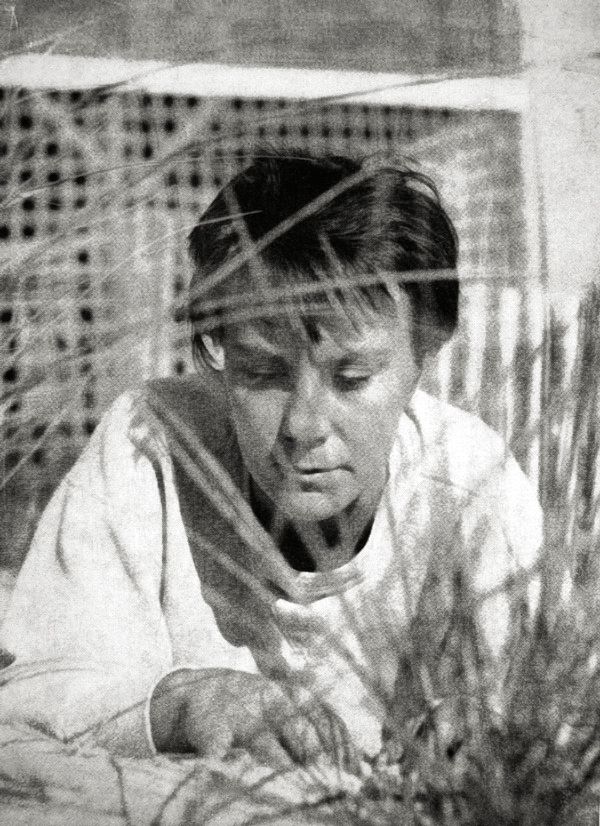
Author profile
Harper Lee: books, review, and bibliography
Harper Lee wrote one of America's most widely taught novels, a childhood account of race and justice whose moral influence must be read beside its limitations and complicated publication history.
Biography and criticism
Maycomb, memory, and the limits of the child's view
To Kill a Mockingbird remains powerful through voice and empathy, but responsible reading asks who receives interiority and how the white-savior frame narrows Black life.
Monroeville and a manuscript revised
Nelle Harper Lee was born in Monroeville, Alabama, in 1926, studied law without completing a degree, and moved to New York to write. She was a childhood friend of Truman Capote and assisted research for In Cold Blood. A gift from friends gave her time away from airline work to focus on fiction. An early manuscript centered on an adult woman returning home was substantially revised with editor Tay Hohoff into To Kill a Mockingbird, published in 1960.
Scout Finch's voice joins childhood immediacy to adult retrospective control. Maycomb emerges through games, gossip, class distinctions, and racial hierarchy before the trial occupies the center. The novel's accessibility made it a major classroom text and helped it win the Pulitzer Prize.
Influence, limitation, and Watchman
Atticus Finch became an emblem of legal conscience, yet the book centers white moral development and gives Tom Robinson and much of Maycomb's Black community limited interior life. Teaching it as the final word on racism reproduces that narrowing. It is better read with Black Southern writers and historical accounts that change the center.
Go Set a Watchman was published in 2015 amid questions about Lee's age, health, consent, and the manuscript's status. It is best understood as an earlier developmental version, not a conventional sequel. Lee died in 2016. To Kill a Mockingbird remains the essential work, valuable for narrative voice and moral feeling, but its cultural role should include the question it cannot answer alone: what does justice look like when the people most harmed are no longer supporting characters in someone else's awakening?
The classroom after Atticus Finch
Scout's child perspective gives To Kill a Mockingbird warmth and a credible process of partial understanding. It also limits what the novel can see. Tom Robinson's life enters primarily through the accusation and trial, while Atticus's conduct becomes the center of moral interpretation. That arrangement helped many white readers approach racial injustice and allowed them to remain identified with the person learning.
The book should therefore be taught as one historically influential perspective, not the universal account of the segregated South. Pairing it with Black writers changes the questions. Instead of asking only whether Atticus is courageous, readers can ask why Tom receives so little narrative room, what Calpurnia must translate between households, and which forms of resistance the child's view cannot recognize.
Lee's sentences move easily between comic recollection and courtroom seriousness. Maycomb first appears through neighbors, games, rumors, and class judgments, so the trial does not interrupt an innocent town. It reveals the structure already present in ordinary speech. The childhood sections are not detachable nostalgia; they show prejudice being learned as social knowledge.
Go Set a Watchman makes the publication history impossible to ignore. Its adult Scout confronts a version of Atticus far less compatible with the public icon. Because the manuscript preceded the revisions that formed Mockingbird, it should illuminate development rather than be forced into seamless chronology. The contrast shows how editing changed not only plot but the moral center through which millions would remember the character.
Where to begin
The Harper Lee book reviewed here
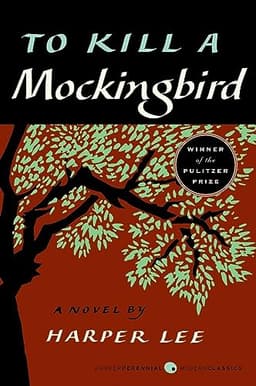
To Kill a Mockingbird
4.4 / 5To Kill a Mockingbird remains moving when Scout's partial understanding exposes adult hypocrisy, even though its treatment of race is constrained by whose consciousness stays central.
Bibliography
Books by Harper Lee
Reviewed titles open directly on Book Review Guide. Other editions and works remain marked until a full review is published.

Reviewed
To Kill a Mockingbird

Not reviewed yet
To Kill a Mockingbird Study Guide

Not reviewed yet
The Land of Sweet Forever
Not reviewed yet
To kill a Mocking Bird
Not reviewed yet
Gushjughaza gyi̐mai̐n
Not reviewed yet
An taqtula ṭāʼiran barīʼan

Not reviewed yet
Idz, postaw wartownika

Not reviewed yet
To Kill a Mockingbird - Prestwick Power Presentations
Not reviewed yet
Go Set a Watchman
Not reviewed yet
Matar a un Ruiseñor
Not reviewed yet
Best Sellers
Not reviewed yet
Vai e Põe uma Sentinela


Not reviewed yet
Matar Un Ruisenor
Not reviewed yet
O Sol e Para Todos - Graphic Novel
Not reviewed yet
otan skotonoun ta kotsyfia / όταν σκοτώνουν τα κοτσύφια

Not reviewed yet
Caja Especial Harper Lee
Not reviewed yet
CliffsNotes on Lee's to Kill a Mockingbird
Not reviewed yet
To Kill a Mockingbird. Interpretationshilfe.
Not reviewed yet
On Lee's to Kill a Mockingbird : (CliffsNotes, 2nd Edition)
Not reviewed yet
Countdown to Go Set a Watchman
Not reviewed yet
Go Set a Watchman Teaching Guide
Not reviewed yet
Matar a un Ruiseñor (Novela Gráfica)

Not reviewed yet
O Sol e Para Todos
Not reviewed yet
To Kill a Mockingbird SparkNotes Literature Guide

Not reviewed yet
Tespih Agacinin Gölgesinde

Not reviewed yet
The Harper Lee Collection
Not reviewed yet
Harper Lee Collection e-Book Bundle
Not reviewed yet
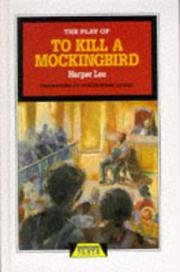
Play of To Kill a Mockingbird
Not reviewed yet
Shou wang zhe
Not reviewed yet
Saa, mihari o tateyo

Not reviewed yet
P'asukkun
Not reviewed yet
Poĭdi postavʹ storozha
Bibliographic records: Open Library.
Reviewed bibliography
Harper Lee books reviewed here
Every title below has a complete, spoiler-free review. Scores are our editorial ratings, not visitor averages.

20164.4 / 5
To Kill a Mockingbird
A Novel
To Kill a Mockingbird remains moving when Scout's partial understanding exposes adult hypocrisy, even though its treatment of race is constrained by whose consciousness stays central.
As an Amazon Associate, I earn from qualifying purchases.
Keep exploring