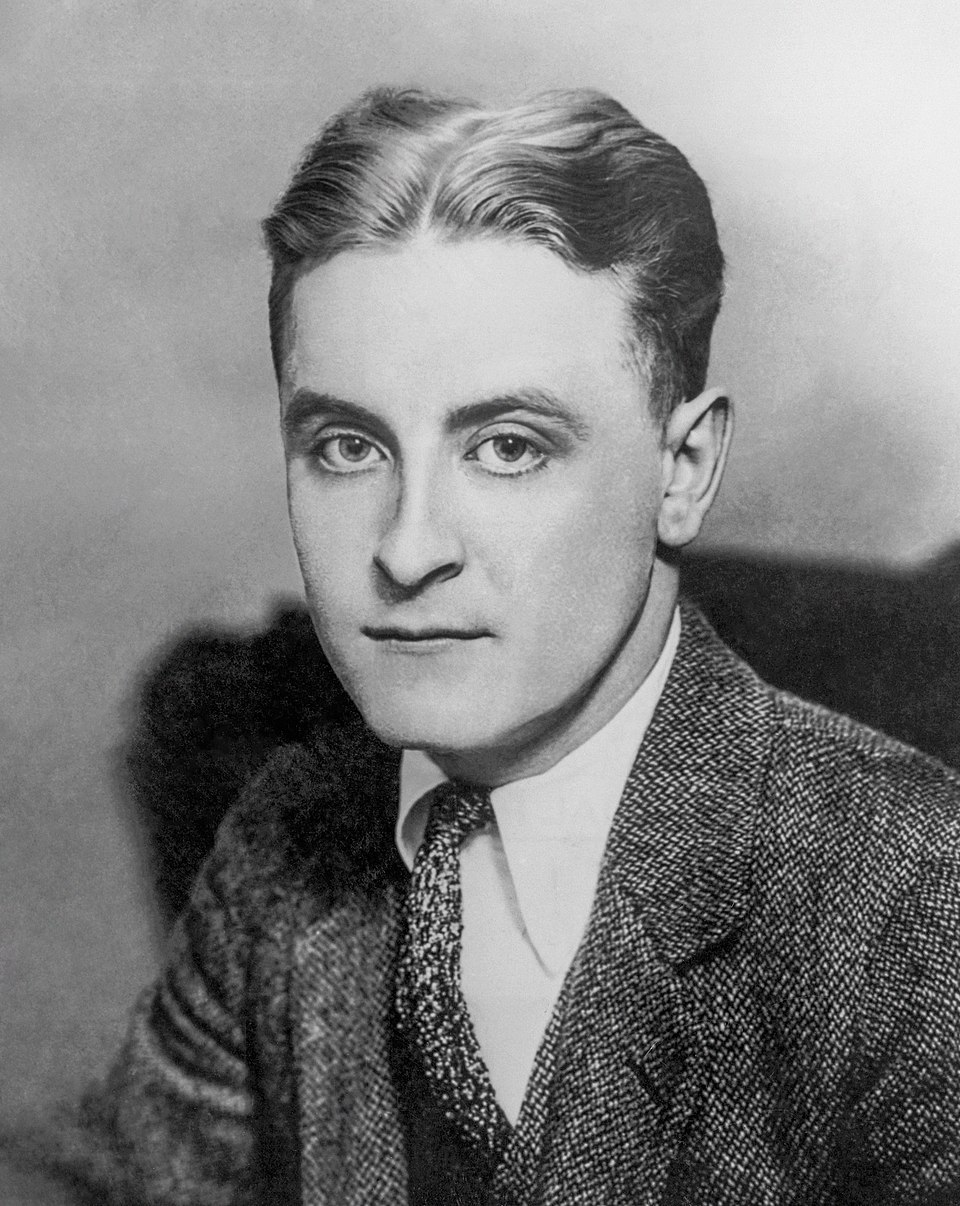
Where to begin
The F. Scott Fitzgerald book reviewed here
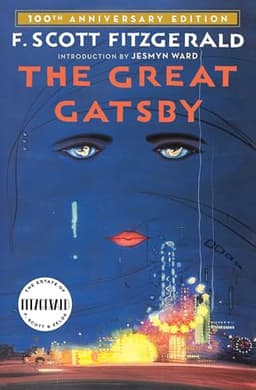
The Great Gatsby
4.5 / 5The Great Gatsby is brief enough to feel effortless and sharp enough to expose the violence underneath its beautiful surfaces.
Bibliography
Books by F. Scott Fitzgerald
Reviews and book guides open on Book Review Guide. The full list comes from the linked bibliography source.
Reviewed
The Great Gatsby
Not reviewed yet
Cambridge Centennial Edition of the Great Gatsby
Not reviewed yet
Forgotten Fitzgerald
Not reviewed yet
Rich Boy
Not reviewed yet
More Stories to Remember -- Volume II
Not reviewed yet
The last tycoon
Not reviewed yet
The Great American Parade
Not reviewed yet
The Crack Up
Not reviewed yet
Curious Case of Benjamin Button
Not reviewed yet
Pat Hobby Stories
Not reviewed yet
Tender Is the Night (SparkNotes Literature Guide)
Not reviewed yet
This Side of Paradise (SparkNotes Literature Guide)

Not reviewed yet
Favorite Love Stories
Not reviewed yet
ha-Duvdevanim shel Sḳot Fits'g'erald
Not reviewed yet
Doctor's Choice

Not reviewed yet
Classic American Short Stories
Not reviewed yet
Understanding fiction -- Second Edition
Not reviewed yet
Alexander's Bridge / This Side of Paradise
Not reviewed yet
Professor's House / the Great Gatsby
Not reviewed yet
Vozvrashchenie v Vavilon
![Cover of The United States in Literature [with three long stories] -- Seventh Edition](https://covers.openlibrary.org/b/id/6699609-M.jpg)
Not reviewed yet
Cruise of the Rolling Junk
Not reviewed yet
Il grande Gatsby
Not reviewed yet
To Die For

Not reviewed yet
El curioso caso de Benjamin Button
Not reviewed yet
Words of Ages

Not reviewed yet
All The Sad Young Men
Not reviewed yet
Prentice Hall Literature--The American Experience
Not reviewed yet
'La cita' y otros cuentos de mujeres infieles
![Cover of Great American Short Stories [34 stories]](https://covers.openlibrary.org/b/id/9378337-M.jpg)
Not reviewed yet
Great American Short Stories [34 stories]
Not reviewed yet
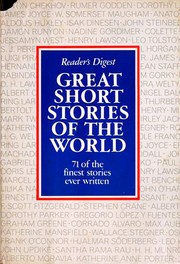
Great Short Stories of the World
Not reviewed yet
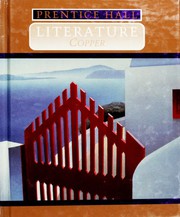
Prentice Hall Literature--Copper

Not reviewed yet
Annotated Great Gatsby
Not reviewed yet
Three Novels
Not reviewed yet
This side of paradise
Not reviewed yet
Tender id the NIght
Not reviewed yet
This Side of Pradise
Not reviewed yet
tender is the night
Not reviewed yet
the pat hobby stories
Not reviewed yet
afternoon of an author
Not reviewed yet
Borrowed Time
Not reviewed yet
Perfect Life
Not reviewed yet
More Than Just a House
Not reviewed yet
Basil
Not reviewed yet
May Day
Not reviewed yet
Basil and Cleopatra
Books on this site
F. Scott Fitzgerald reviews and guides