
Author profile
Erin Morgenstern: books, review, and bibliography
Erin Morgenstern writes immersive fantasy as a sequence of rooms, performances, scents, objects, and hidden invitations, asking readers to inhabit atmosphere before demanding conventional explanation.
Biography and criticism
The novelist who designs worlds like installations
With only two novels, Morgenstern has created a distinct body of work whose central unit is not the rule or quest but the carefully staged experience.
Visual art, NaNoWriMo, and the circus
Erin Morgenstern was born in 1978 and studied theatre and studio art at Smith College. She worked visually before becoming known as a novelist, and The Night Circus grew through projects begun during National Novel Writing Month. Revision transformed those exploratory pages into Le Cirque des Rêves, a black-and-white nocturnal circus whose tents offer separate impossible experiences.
The novel's plot concerns magicians Celia and Marco, bound into a competition designed by older men, but its enduring appeal lies in invitation. Food, fabric, clocks, cards, fire, ice, scent, and architecture make the circus available to imagination as a place. Morgenstern understands desire as curation. Readers want not only to know what happens but to enter.
Stories beneath The Starless Sea
The Starless Sea is more recursive and divisive. Zachary Ezra Rawlins discovers a book containing an episode from his own life and follows it toward a subterranean archive of stories, symbols, doors, bees, keys, and changing custodians. Embedded tales interrupt the main line because interruption is the subject: no story remains singular once it is read, remembered, retold, or inhabited.
Morgenstern's prose favors lush sensory inventory and declarative mystery. Readers who require firm world rules may experience evasion where others feel enchantment. Character can appear secondary to setting, and narrative momentum may dissolve into one beautiful threshold after another. The Night Circus is the accessible beginning; The Starless Sea is the fuller test of her aesthetic. Both show a writer less interested in explaining magic than in designing the conditions under which a reader chooses to believe a door should be opened.
The reader as visitor and participant
The Night Circus teaches its readers how to enter. The circus opens only after dark, appears without a conventional announcement, and divides into tents that can be explored in different orders. Morgenstern makes navigation part of desire. A visitor is free to wander, yet every path has been designed by someone whose contest remains hidden.
Celia and Marco's magic is most affecting when it becomes craft. A tent is an argument answered by another tent; an installation communicates admiration, challenge, and danger. Their relationship grows through created spaces before ordinary conversation can carry it. This gives romance a material form, though it also leaves secondary performers absorbing consequences the lovers do not control.
The Starless Sea removes even more conventional direction. Stories sit inside stories, symbols recur, and a reader who expects every door to lead toward one solution may feel abandoned. The book is better approached as an archive in motion. Meaning comes from pattern and return rather than a single explanatory hierarchy.
Morgenstern cares more about atmosphere than plot. That is both the attraction and the problem. At times a character seems to exist mainly so the book can open another beautiful room. The Night Circus works when the place and the people need each other; The Starless Sea more often asks the setting to carry everything.
Designed spaces and the freedom to wander
Morgenstern composes settings as experiences with entrances, routes, pauses, and concealed labor. The black-and-white circus looks spontaneous to visitors, but performers maintain it and magicians have built a contest into its foundations. The Starless Sea offers a library that seems to promise unrestricted discovery while surrounding access with guardians, rituals, and loss. In both novels, wonder depends on work that the delighted guest may never see. This tension keeps the beautiful place from becoming a neutral backdrop.
Her plots ask readers to wander, which is not the same as lacking structure. Images recur at intervals and gain meaning through position: keys, bees, clocks, paper, flame, and doors act like signs encountered along a path. The experience can frustrate readers who need causality announced at every turn, and some characters remain less substantial than the rooms they enter. Yet Morgenstern's prose is doing something deliberate. It asks whether immersion can be a form of understanding and whether a story encountered out of order may still produce an exact emotional destination. The answer is strongest when the visitor must finally decide what preserving the magical place will cost someone else.
Where to begin
The Erin Morgenstern book reviewed here
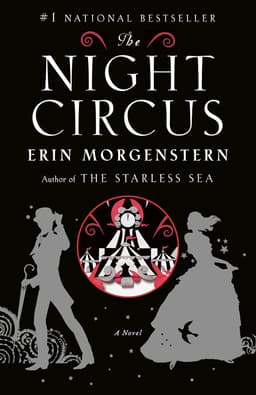
The Night Circus
4.2 / 5The Night Circus is an exquisite place to visit and a less convincing competition to follow; atmosphere carries it farther than plot.
Reading order and buying help
Reading guides featuring Erin Morgenstern
Bibliography
Books by Erin Morgenstern
Reviews and book guides open on Book Review Guide. The full list comes from the linked bibliography source.
Reviewed
The Night Circus
Not reviewed yet
The Phantomwise Tarot

Not reviewed yet
The Starless Sea
Bibliographic source: Open Library.
Books on this site
Erin Morgenstern reviews and guides
20114.2 / 5
The Night Circus
A Novel
The Night Circus is an exquisite place to visit and a less convincing competition to follow; atmosphere carries it farther than plot.
As an Amazon Associate, I earn from qualifying purchases.
Keep exploring