Classic author starting guide
Where to Start With Franz Kafka: Books Ranked by Difficulty
Kafka is not difficult because nothing happens. He is difficult because clear sentences describe rules that never become stable. Start short, learn his comic pressure, then approach the unfinished novels without demanding conventional closure.
Best starting point
Begin with The Metamorphosis, then read several short stories before The Trial
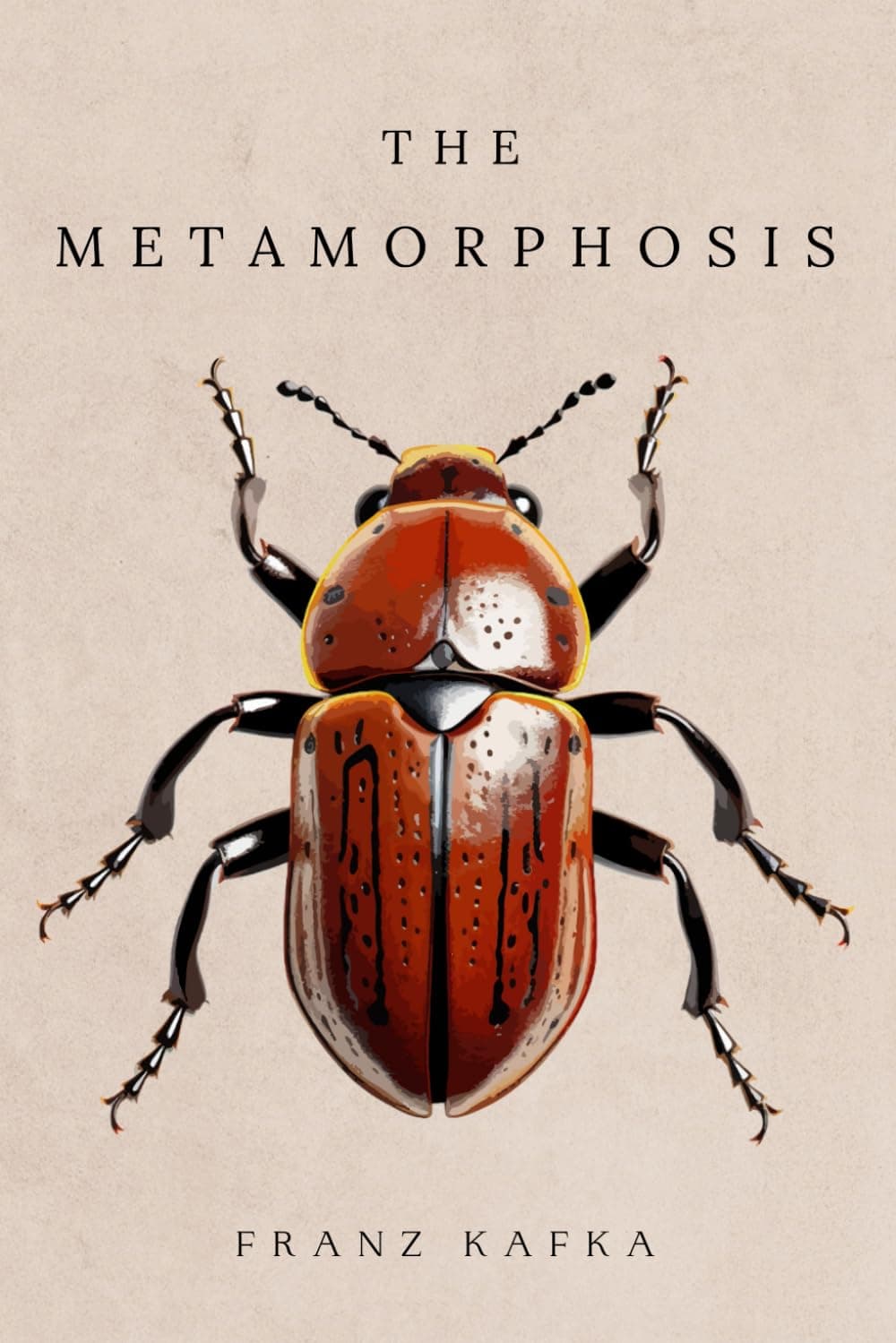
The Metamorphosis is Kafka's best first book because its impossible event is immediate, its family pressures are concrete, and most editions can be read in one or two sittings. Continue with A Hunger Artist, In the Penal Colony, Before the Law, and A Country Doctor. Then try Amerika, also published as The Missing Person, before moving to The Trial and finally The Castle. This order increases structural uncertainty gradually. It does not rank literary quality, only the amount of patience and contextual tolerance a first-time reader is likely to need.
Kafka's reputation can make a short, darkly funny writer sound like an examination requirement. The usual description of his work as nightmarish is true but incomplete. Gregor Samsa worries about missing work after waking in an altered body. Officials explain absurd procedures with professional confidence. A man denied access to authority spends his life respecting the denial. The pressure often comes from the recognizable manners surrounding the impossible event, and the comedy matters because it keeps helplessness from becoming abstract.
Difficulty rises when the novels deny readers the closure that the shorter works can still shape. Kafka left Amerika, The Trial, and The Castle unfinished. Max Brod prepared posthumous editions, and later translators and editors have made different choices about titles, chapter sequence, manuscript state, and sentence texture. A stalled ending is therefore not necessarily a symbolic puzzle waiting for the correct interpretation. Sometimes it is evidence of an unfinished manuscript. Knowing that before reading prevents disappointment from disguising itself as analysis.
Easiest to most demanding
Seven steps into Kafka without turning him into homework
Difficulty here combines length, narrative continuity, dependence on editorial context, and tolerance for unresolved procedure. Translation can move an individual edition up or down a place.
1
The Metamorphosis
Most accessible
Gregor Samsa's transformation occurs in the opening sentence, so the reader never has to solve whether something strange will happen. The story focuses on rent, work, food, doors, shame, care, and the family's changing calculation of usefulness. Its physical premise is memorable, but the human discomfort around obligation is what keeps it from being a simple allegory with one answer.
Why it belongs here: Start here. Read it once for the family story before collecting symbols or deciding that Gregor represents a single diagnosis, class, or religious idea.
2
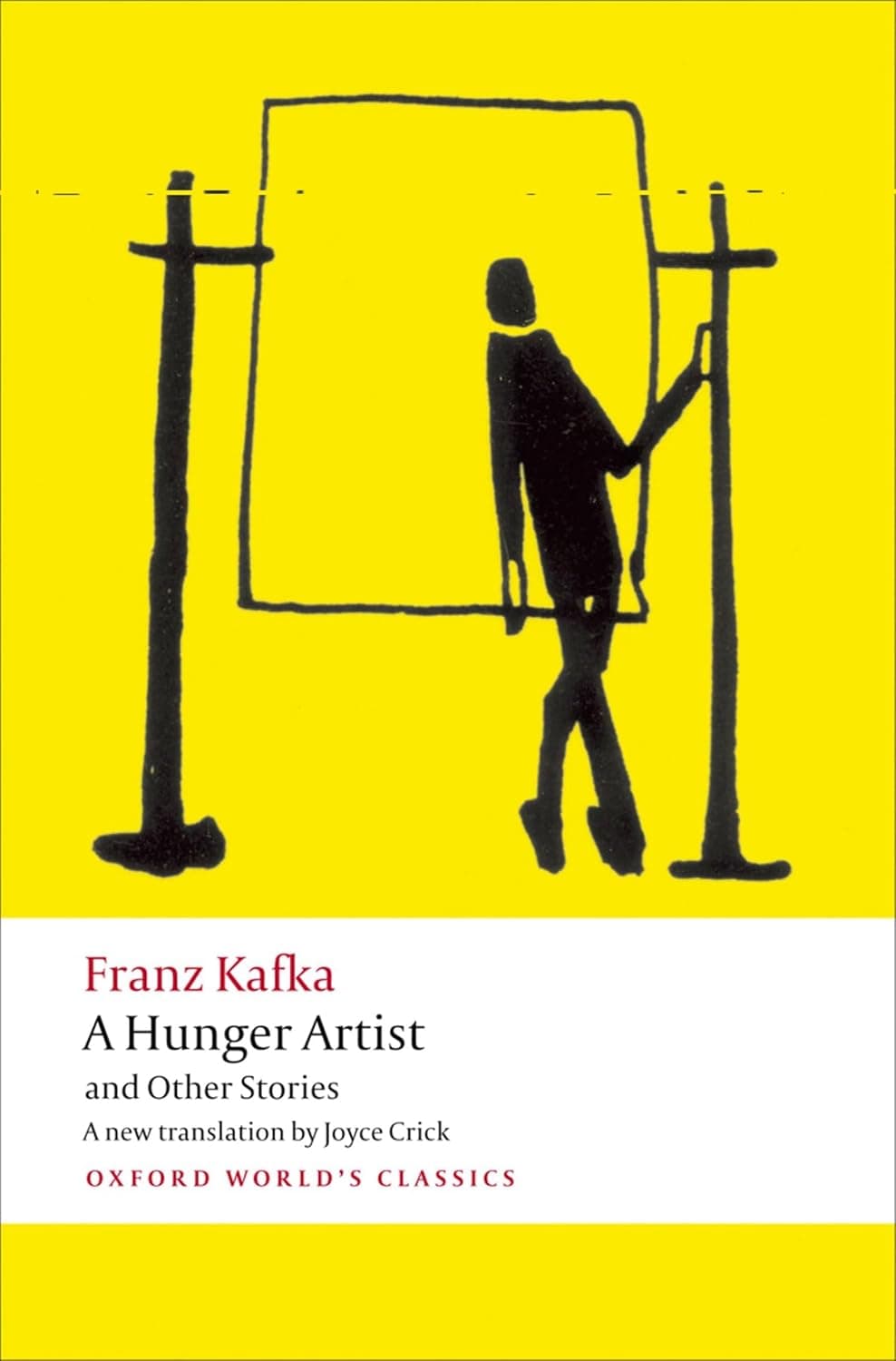
A Hunger Artist and Other Stories
Best short-story step
A Hunger Artist turns public self-denial into entertainment whose audience eventually grows bored. Other compact pieces place punishment, medicine, labor, animals, and authority under similar pressure. A collection teaches Kafka's range better than reading ten interpretations of The Metamorphosis. It also lets you stop between stories when the emotional atmosphere becomes airless.
Why it belongs here: Read a few pieces, not necessarily the volume straight through. Include In the Penal Colony and Before the Law if your edition contains them.
3
Letter to His Father
Biographical context with limits
Kafka's long letter to Hermann Kafka describes fear, authority, shame, and the son's sense that every defense arrives too late. It can illuminate emotional patterns that recur in the fiction, especially the unequal encounter with judgment. It should not be used as a master key that converts every official or father figure into one biographical person.
Why it belongs here: Read after some fiction so the life does not dictate the work. Choose a well-annotated edition that explains the letter's circumstances and transmission.
4
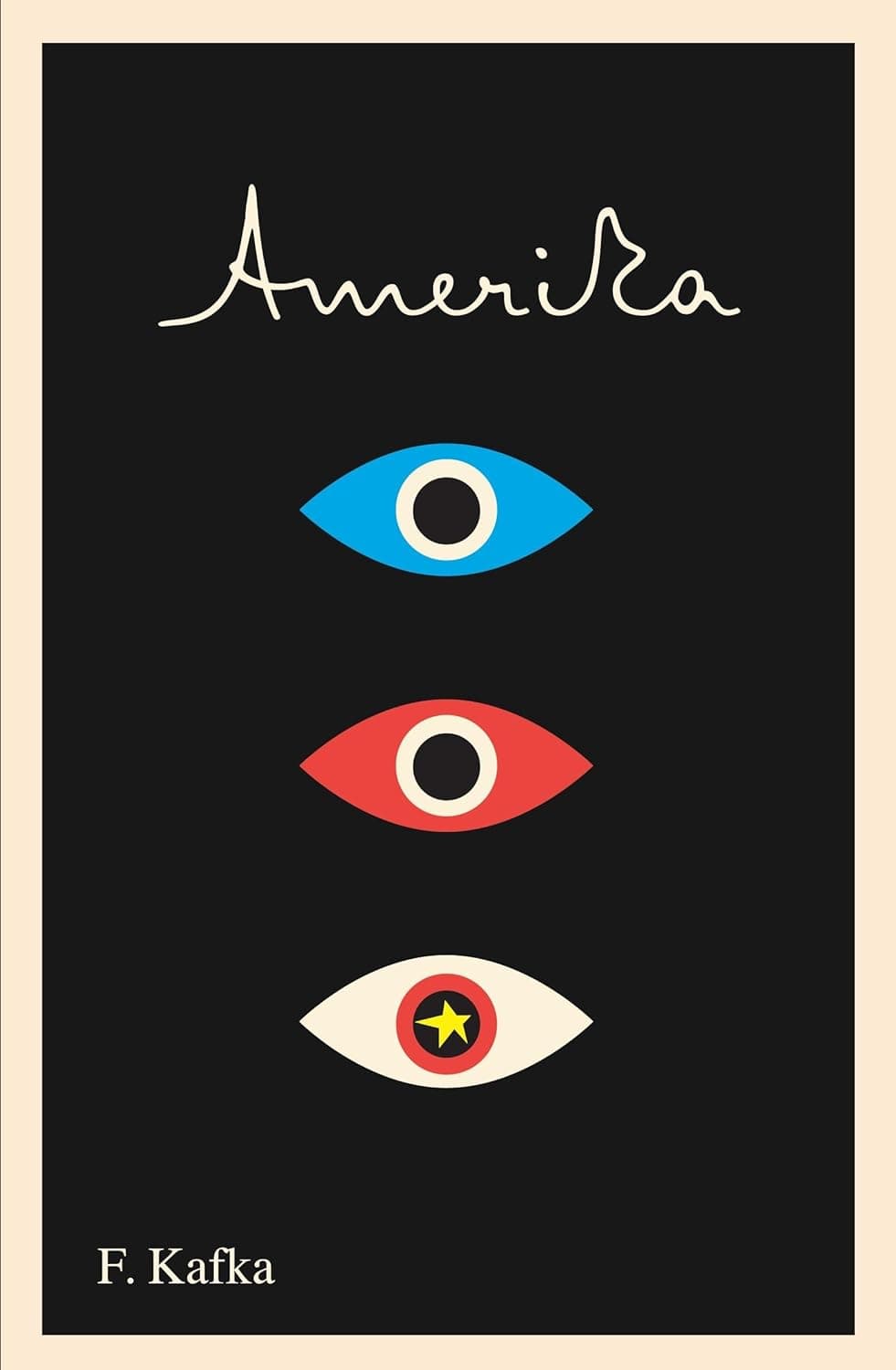
Amerika, also published as The Missing Person
Most approachable novel
Young Karl Rossmann moves through an imagined America of unstable employment, hospitality, exploitation, and sudden expulsion. The episodes can feel picaresque and are often funnier and more mobile than the enclosed legal pressure associated with Kafka. The manuscript remains unfinished, and the title Amerika was supplied by Max Brod; newer editions may use The Missing Person.
Why it belongs here: Choose this before The Trial if you want to learn how Kafka sustains uncertainty across a novel without beginning in a courtroom.
5
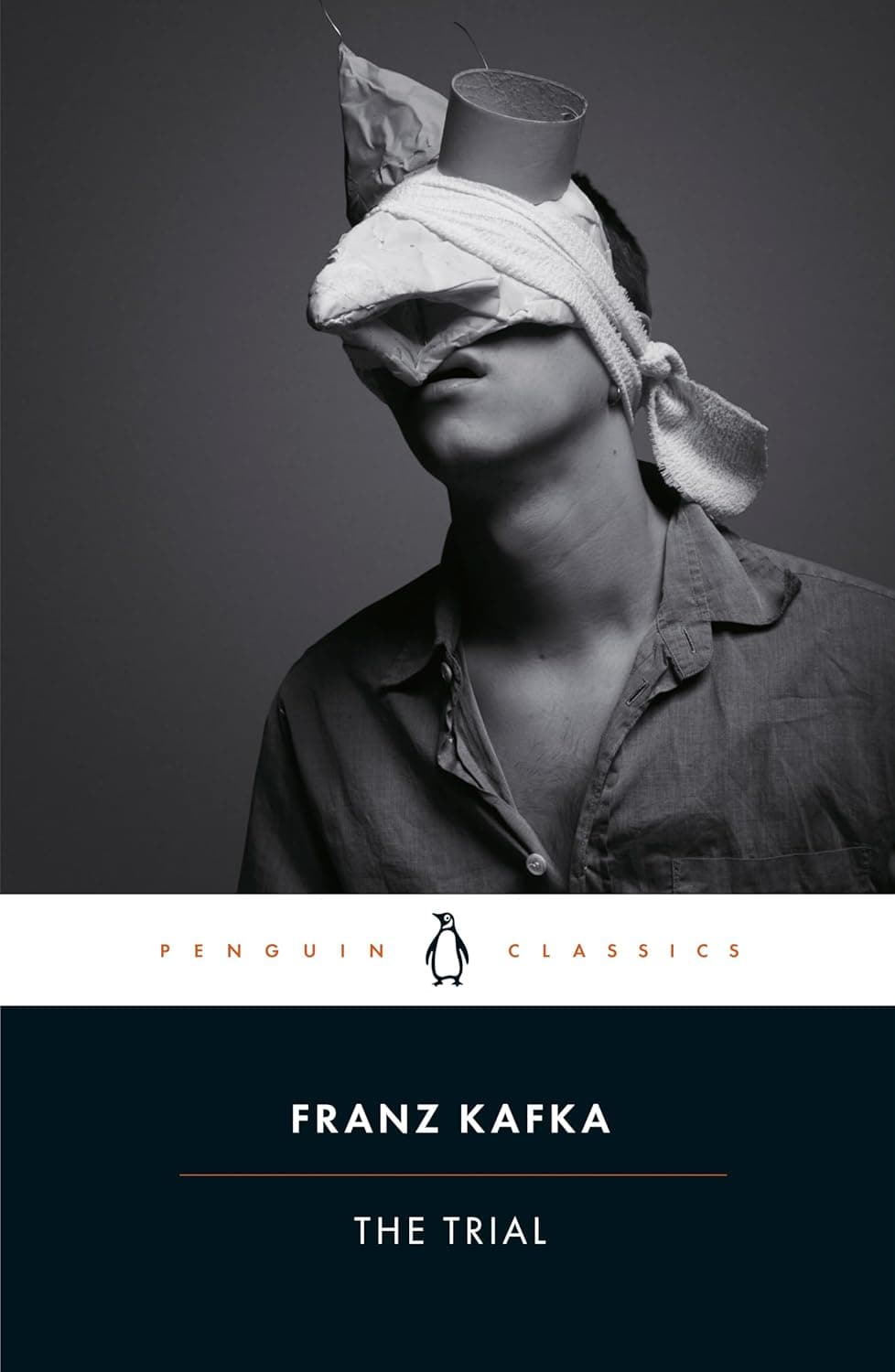
The Trial
Best-known novel
Josef K. is arrested without ordinary detention and tries to understand a court whose procedures proliferate whenever he seeks clarity. The sentences can be accessible while the institution remains impossible to map. The manuscript's unfinished state and editorial history matter, but the recurring legal encounters create a stronger apparent line than The Castle's endless negotiations.
Why it belongs here: Read once you can tolerate explanation that increases uncertainty. A brief introduction about the manuscript is helpful; a long interpretive introduction is better saved until afterward.
6
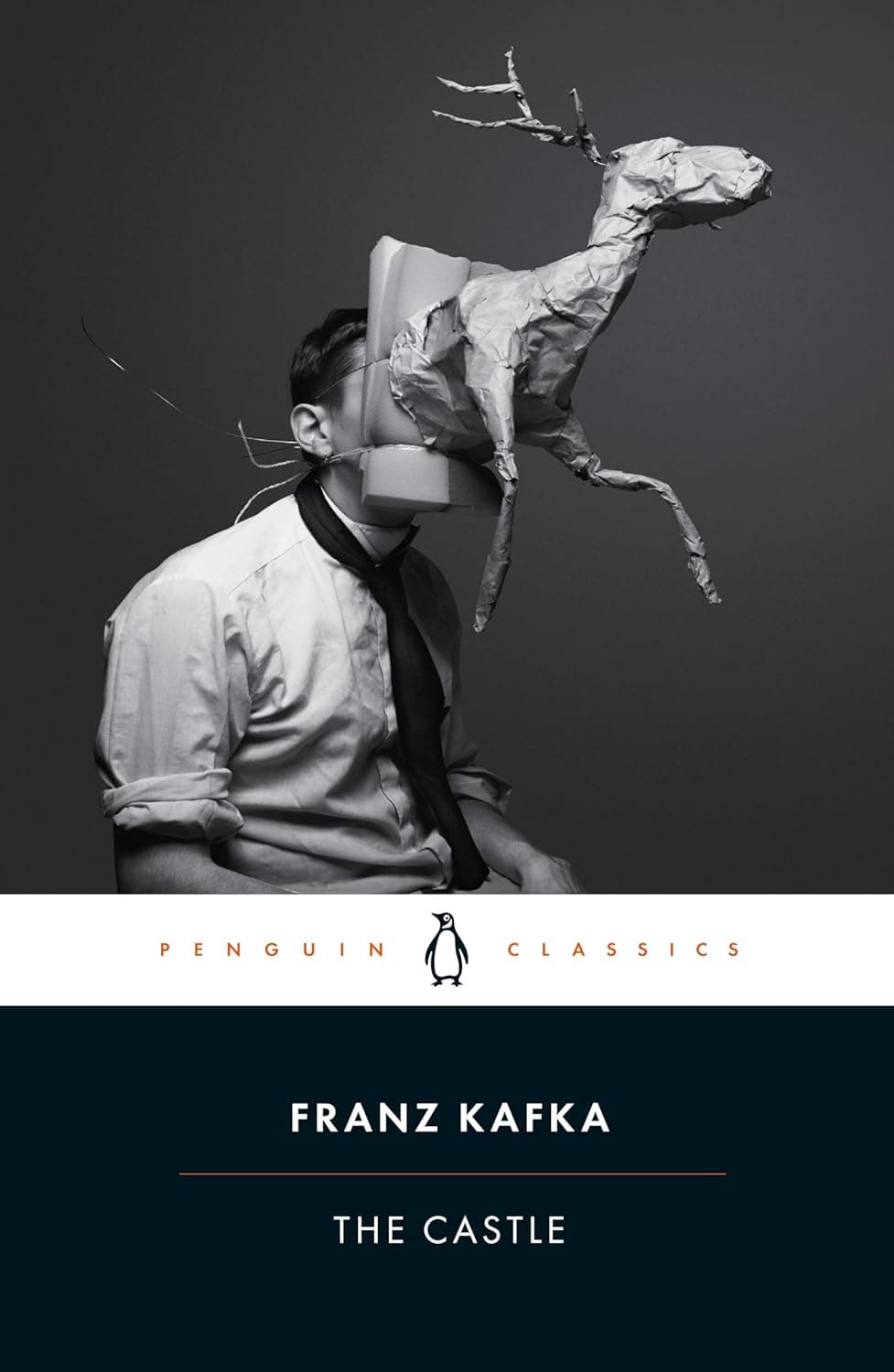
The Castle
Most demanding novel
A land surveyor called K. arrives in a village and attempts to gain recognition from a castle administration whose messages, intermediaries, appointments, and errors never settle his status. Progress exists, but each apparent route to authority produces more social and procedural material. Because the novel is unfinished, its stoppage offers no conventional final balancing of this accumulation.
Why it belongs here: Save it until Kafka's repetitions feel purposeful rather than merely obstructive. Read in steady sections and track people, not every bureaucratic theory.
7
The Diaries
For readers studying the workshop
The diaries combine observations, drafts, self-criticism, reading, travel, daily fragments, and material that should not be mistaken for a polished private confession. Their value lies in proximity to composition and recurring concerns, but editorial history and selection are central. A casual reader looking for one continuous life story will find the form harder than the novels.
Why it belongs here: Read last, with notes. They are evidence of work in progress and daily attention, not the secret completed novel behind the fiction.
Difficulty map
What makes each major Kafka book demanding
The prose is not always the obstacle. Form, incompletion, and the reader's expectation of explanation matter more.
| Work | Length | Main challenge | Best reading approach |
|---|---|---|---|
| The Metamorphosis | Short | Resisting one-symbol interpretation | Read for family behavior first |
| Short stories | Variable | Abrupt tonal and formal changes | Read two or three at a time |
| Amerika | Novel | Episodic and unfinished structure | Accept movement without destination |
| The Trial | Novel | Opaque procedure and editorial history | Follow Josef K.'s choices, not court rules |
| The Castle | Long novel | Repetition, intermediaries, no finished ending | Track relationships and authority |
Translation changes the experience
Kafka wrote in German, and English editions can differ in rhythm, formality, titles, and editorial philosophy. Older Muir translations helped establish his English reputation. Newer versions may stay closer to manuscript punctuation or choose less elevated language. The goal is not to identify one universally correct translation. It is to know which text you bought.
Compare the opening page of The Metamorphosis or The Trial before committing to a collected edition. Choose the version whose sentences remain clear without making the strangeness cute. Notes should identify incomplete chapters and editorial decisions, but constant footnotes can damage the pressure of a first read.
Do not begin by decoding everything
Kafka attracts final explanations: capitalism, religion, family authority, law, illness, alienation, empire. These frames can all reveal something, but the fiction often remains powerful because no one frame absorbs the practical detail. Gregor's body changes, yet breakfast and the train schedule still matter. Josef K. resists a court, yet he also helps reproduce its seriousness by organizing his life around it.
On a first read, mark repeated actions and changes in relationship. Who is allowed through a door? Who carries a message? Who needs wages? Who interprets an official instruction for someone else? Concrete questions keep the work human while leaving interpretation open.
Why The Trial is not the ideal first book
The Trial is famous enough to look obligatory, and its arrest is immediately compelling. The problem arrives later, when legal encounters multiply without producing the orientation a mystery reader expects. Someone unfamiliar with Kafka may read that resistance as a promise that one more chapter will reveal the court's rules.
The Metamorphosis teaches the better contract in a smaller space. The impossible condition remains impossible, while family behavior becomes painfully precise. Once that balance feels natural, The Trial's court can be approached as a pressure shaping action rather than a puzzle box with a hidden instruction sheet.
A five-week Kafka route
Week one belongs to The Metamorphosis. Week two can hold A Hunger Artist, Before the Law, In the Penal Colony, and one very short animal story. Read nothing in week three except Amerika or selected chapters from a complete-stories volume. Use week four for The Trial and give it regular sessions rather than a single marathon.
Only choose The Castle in week five if the procedure itself has become interesting. Otherwise, stop. Kafka rewards rereading more than completion for its own sake. Returning to one short work with a different translation can be more valuable than dragging through the most demanding novel to claim the author is finished.
Quick answers
Questions readers ask before buying
What is the easiest Franz Kafka book?
The Metamorphosis is the easiest strong starting point. It is short, immediately strange, and grounded in recognizable family and work pressures.
Should I read The Trial or The Metamorphosis first?
Read The Metamorphosis first. It teaches Kafka's balance of impossible premises and concrete behavior without the length or unfinished structure of The Trial.
Are Kafka's novels unfinished?
Amerika, The Trial, and The Castle were left unfinished and published posthumously through Max Brod's editorial work. Modern editions may explain manuscript sequence and title differences.
Which Kafka novel is hardest?
The Castle is usually the most demanding because its bureaucratic negotiations accumulate across a long unfinished manuscript without conventional closure.
Does translation matter for Kafka?
Yes. English versions differ in tone, sentence movement, titles, and treatment of the manuscripts. Sample a page and choose an edition with a clear translator's note.
Sources
Sources for this guide
Publication state, alternate titles, and edition context were checked against the Schocken Kafka Library and current publisher descriptions. The difficulty ranking is editorial and intended for first-time English-language readers.
Keep reading