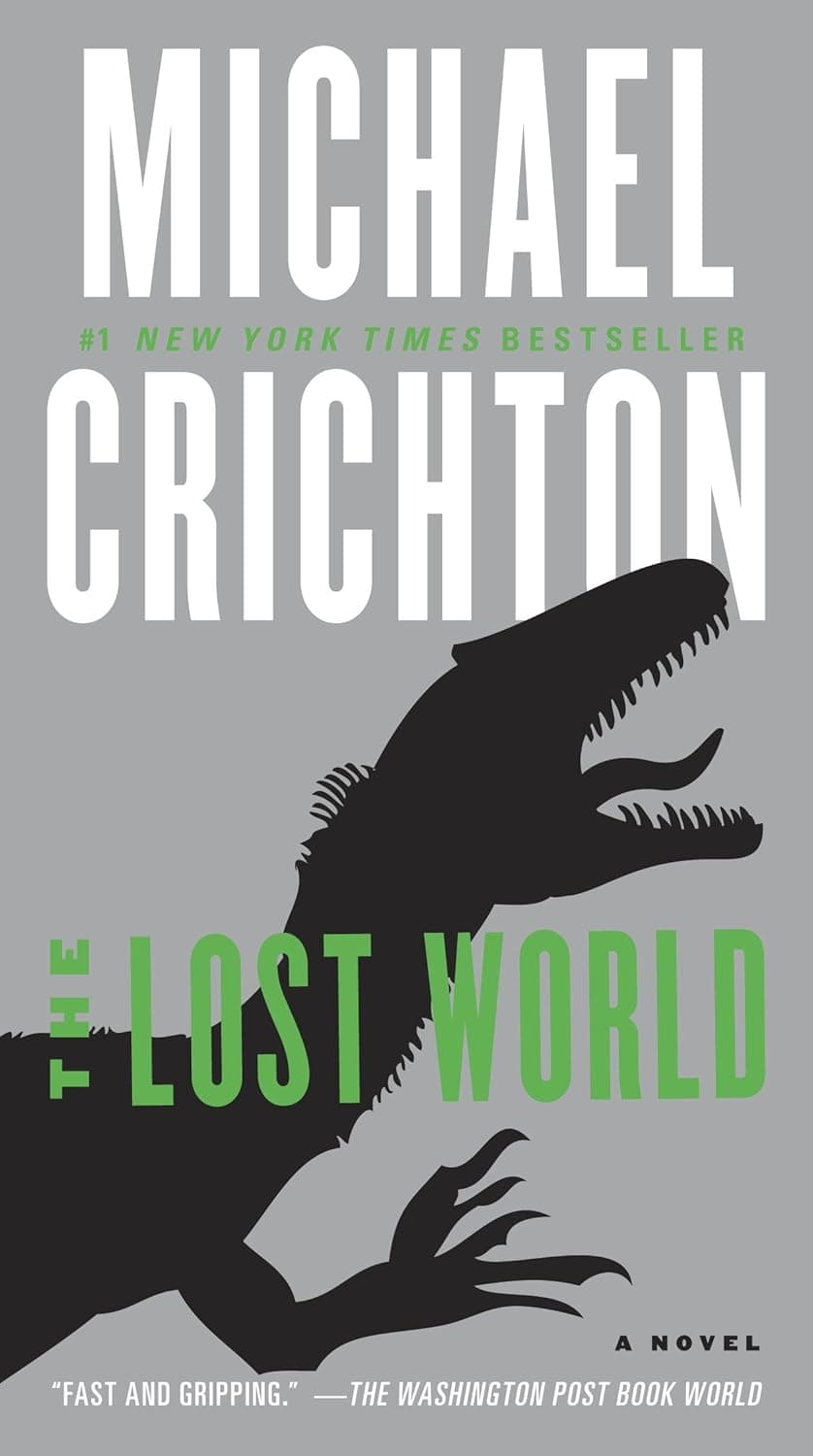
Should you read The Lost World?
What works
Site B lets nesting, disease, social learning, territory, and scavenging matter, treating dinosaurs as an unstable community rather than park attractions.
What may not work for you
Malcolm's survival and return strain continuity, children again enter extreme danger, and theoretical speeches often duplicate what animal behavior already shows.
What may test your patience
The long academic and expedition setup delays Isla Sorna, with Levine's arguments generating more irritation than suspense.
Does the ending reward the effort?
The escape satisfies as survival action, though the ecological conclusions arrive quickly and the sequel leaves less thematic closure than the first novel.
Reading The Lost World closely
The Lost World returns to Crichton's dinosaur universe six years after Jurassic Park. Ian Malcolm learns of Site B, Isla Sorna, where dinosaurs were produced before transport to the park. Paleontologist Richard Levine reaches the island first, drawing Malcolm, animal behaviorist Sarah Harding, engineer Jack Thorne, and two young stowaways into a rescue and research expedition.
Rather than repeat a theme-park collapse, the sequel studies dinosaurs as an unmanaged ecosystem. Nesting, hunting, disease, territorial behavior, and disrupted upbringing matter as much as fences or computers. A rival Biosyn team led by Lewis Dodgson introduces extraction and corporate competition, ensuring that observation quickly becomes interference.
The opening is more discursive than Jurassic Park and Malcolm again delivers extended arguments about extinction and complex systems. Once the island expedition begins, the novel balances those ideas with sustained survival action. It should be read after Jurassic Park, and differs substantially from the film in cast, incidents, and emphasis.
Site B instead of another park
The abandoned production island reveals what happens when engineered animals persist without the attraction's visible management.
Behavior and extinction
The team studies social learning and ecology, asking whether recreated species can form a stable world.
Research versus extraction
Levine wants knowledge while Biosyn wants exploitable material; both groups disturb what they claim merely to observe.
Three useful comparisons
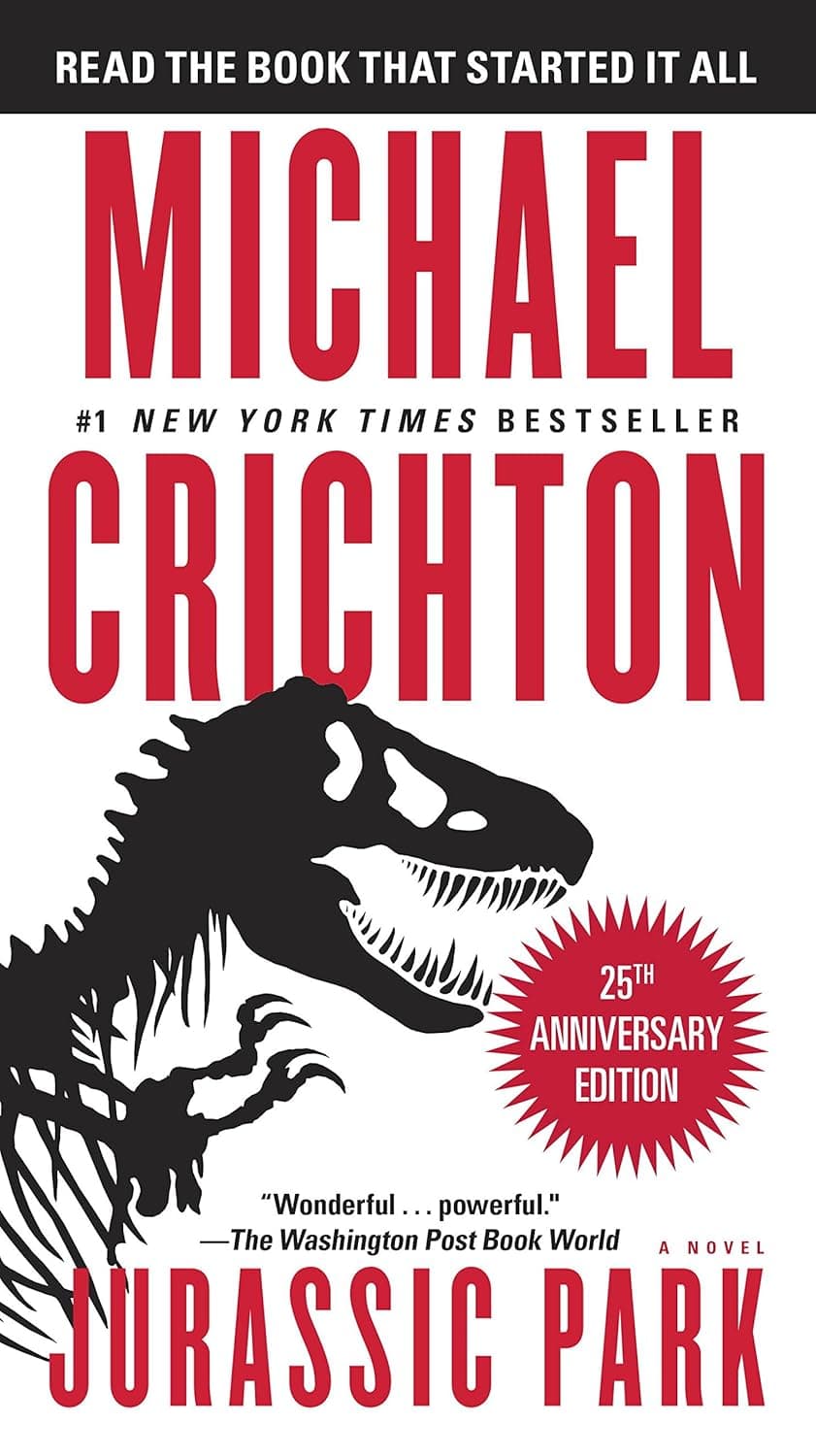
Jurassic Park
Jurassic Park is tighter, more frightening, and the essential first book.
Best for: Adult and mature teen readers who want a fast, violent dinosaur story with sustained attention to genetics, automation, and corporate denial.
As an Amazon Associate, I earn from qualifying purchases.
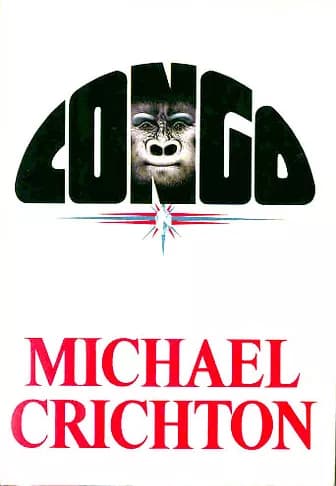
Congo
Congo provides another technology-heavy field expedition, with more dated adventure conventions.
Best for: Readers comfortable with dated material who want jungle expedition suspense, primate communication, technology, and lost-city adventure.
As an Amazon Associate, I earn from qualifying purchases.
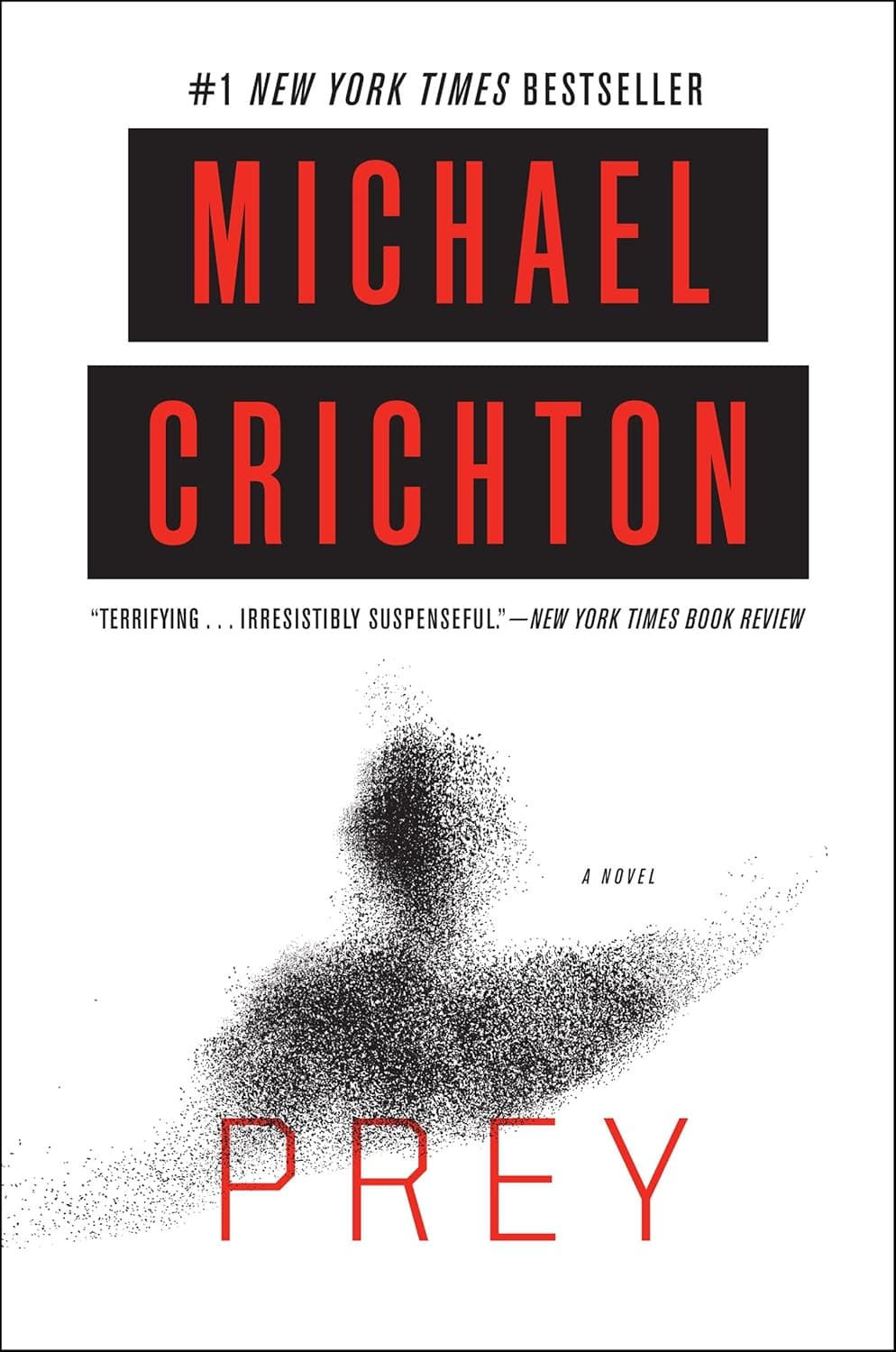
Prey
Prey returns to emergent behavior and failed control in a faster, more claustrophobic setting.
Best for: Pick it for nanotechnology, emergent systems, laboratory isolation, corporate secrecy, and fast survival suspense.
As an Amazon Associate, I earn from qualifying purchases.