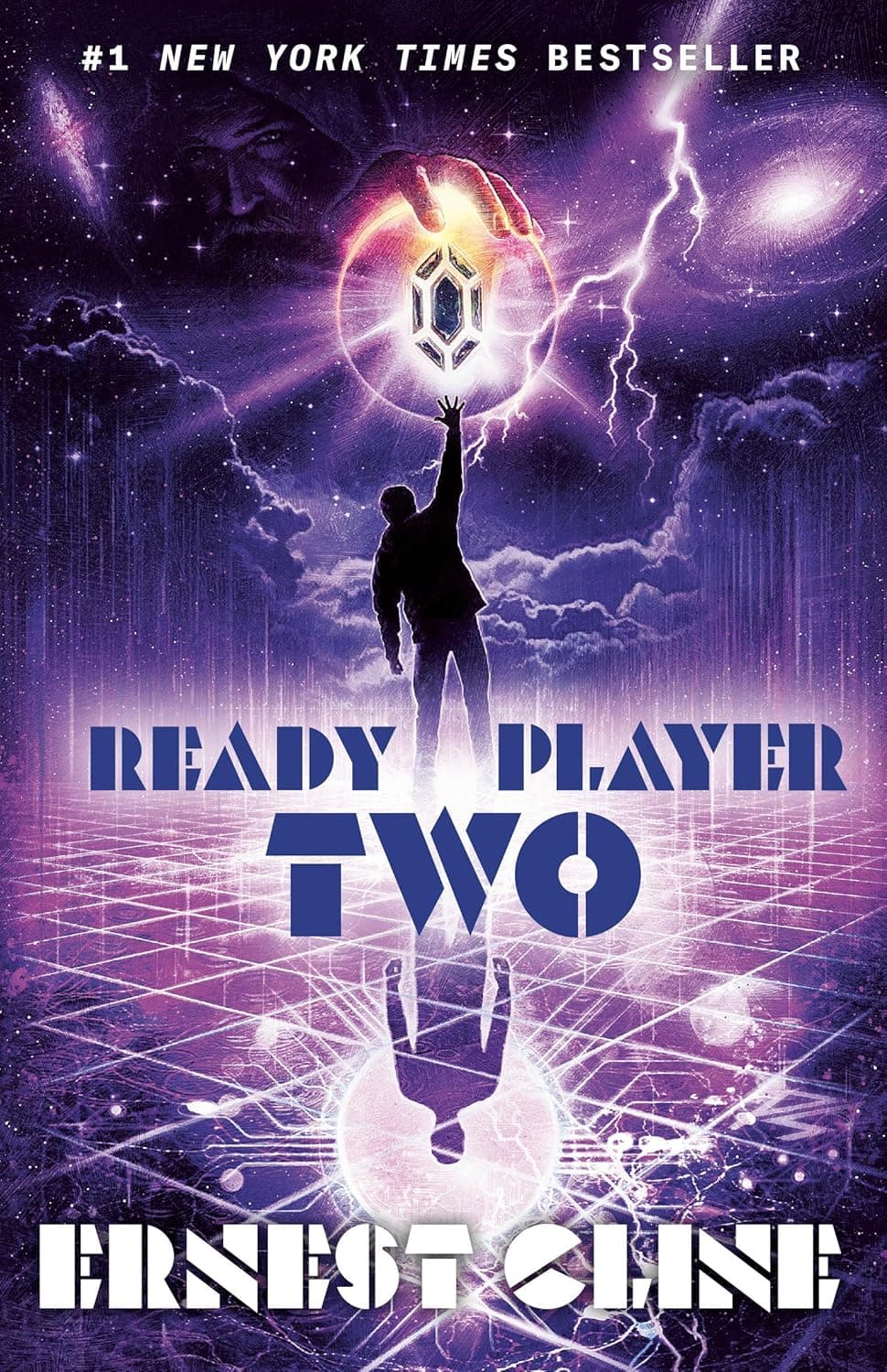
Should you read Ready Player Two?
What works
The neural interface creates genuine ethical questions about experience, consent, and digital immortality, and a few themed worlds have the pleasure of elaborate fan design.
What may not work for you
Wade is controlling and defensive, the reference gauntlets become exhaustive, and the plot often rewards behavior the novel briefly appears ready to criticize.
What may test your patience
Several quests require long, specialized catalogs of one artist or franchise; readers outside those fandoms receive information without corresponding suspense.
Does the ending reward the effort?
The immediate threat resolves, but the technological solution embraces consequences the book has not examined deeply enough to make reassuring.
Reading Ready Player Two closely
Ready Player Two gives Wade a neural interface that can record and replay human experience, then sends him through another chain of pop-culture quests. The new device raises worthwhile questions about consent and digital escape. The quest itself often feels like a larger, less nimble copy of the first book.
Wade is the main problem. He responds to rejection and criticism with surveillance, control, and self-pity, yet the story rarely makes him face those habits for long. Samantha's objections to the technology are more convincing than his defense of it, which leaves the central conflict lopsided even before the villain appears.
Some themed worlds are inventive, but others stop the action for exhaustive knowledge tests about a single musician or film franchise. Devoted fans may enjoy those catalogs. Everyone else is likely to feel the story waiting for Wade to finish explaining the answer.
The sequel is readable and occasionally clever, but Ready Player One remains the tighter adventure and the better place to stop.
What works, and what does not
The neural interface is a stronger idea than the hunt built around it, especially when Samantha challenges its effect on consent and inequality.
A few virtual worlds show Cline's gift for turning fandom into physical space.
Wade's behavior and the long reference recitals make this a much harder hero and quest to enjoy.
Three useful comparisons
Ready Player One
Ready Player One is faster, more charming, and better structured; it should be read first and may be the better stopping point.
Best for: Choose it for a quick virtual-reality quest if heavy 1980s nostalgia and adolescent wish fulfillment sound fun rather than exhausting.
Armada
Armada offers a shorter version of Cline's gamer competence fantasy without the OASIS or sequel baggage.
Best for: Pick it for a light alien-invasion adventure built from games, pop culture, and adolescent competence. Skip it if you need deeply developed supporting relationships, carefully examined technological ethics, or a slower treatment of its moral test.
Homo Deus
Homo Deus discusses technological humanism more broadly, though speculatively; it offers questions the novel mostly rushes past.
Best for: Choose it for an accessible debate starter about algorithms and humanism, not a technical account of artificial intelligence or biotechnology.
Series buying note
Would the collection be the better buy?
These are useful only when you want several books in the same run. The notes below spell out what each package includes and, just as importantly, what it leaves out.
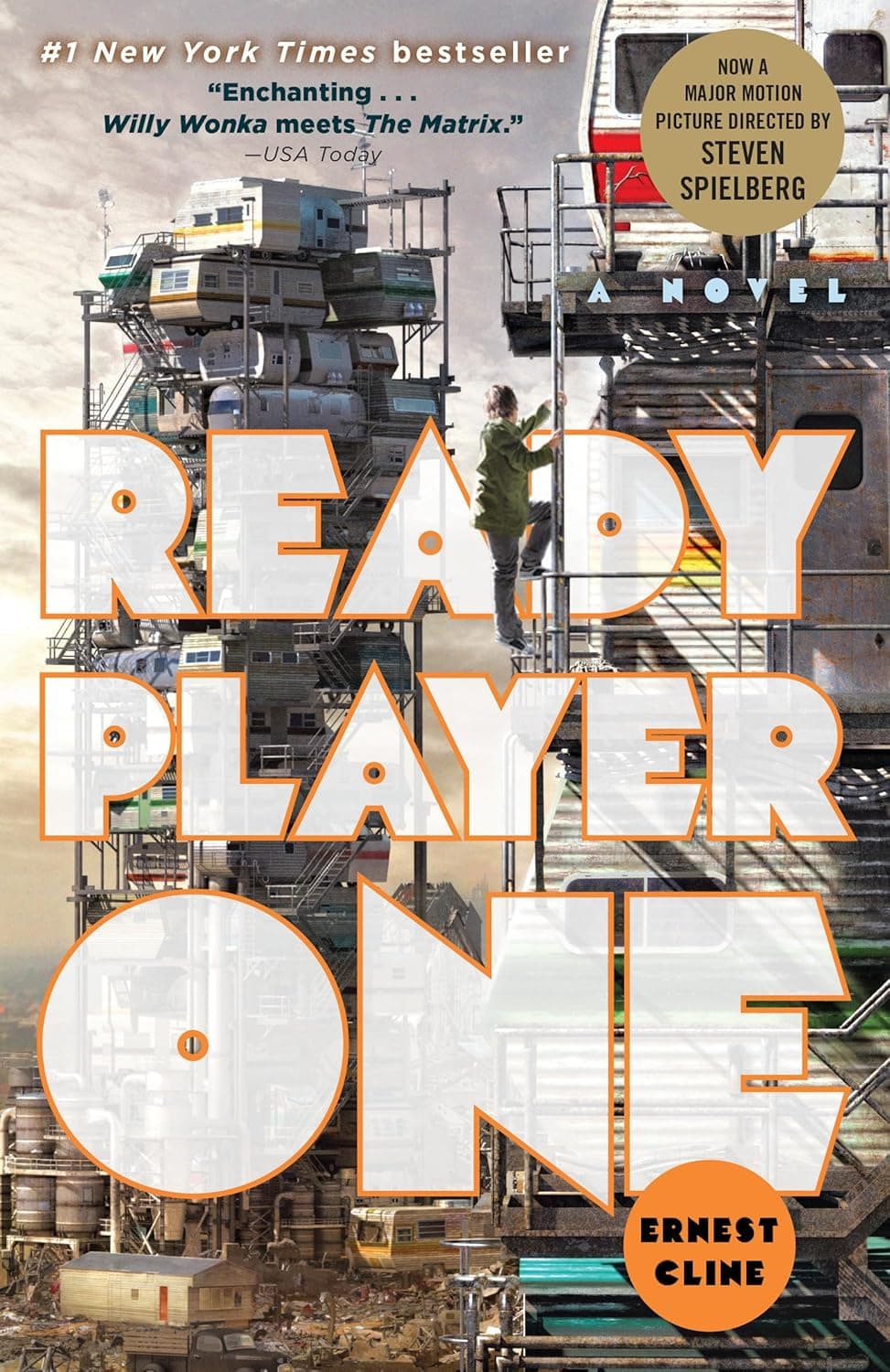
Two-book paperback set
Ready Player One 2-Book Set
This pairs Wade Watts's original OASIS hunt with its direct sequel in matching editions.
Included: Ready Player One, Ready Player Two
Our buying note: The first novel stands on its own and is the safer test. Buy both together only if you already know the nostalgia, puzzles, and pop-culture density are part of the appeal.