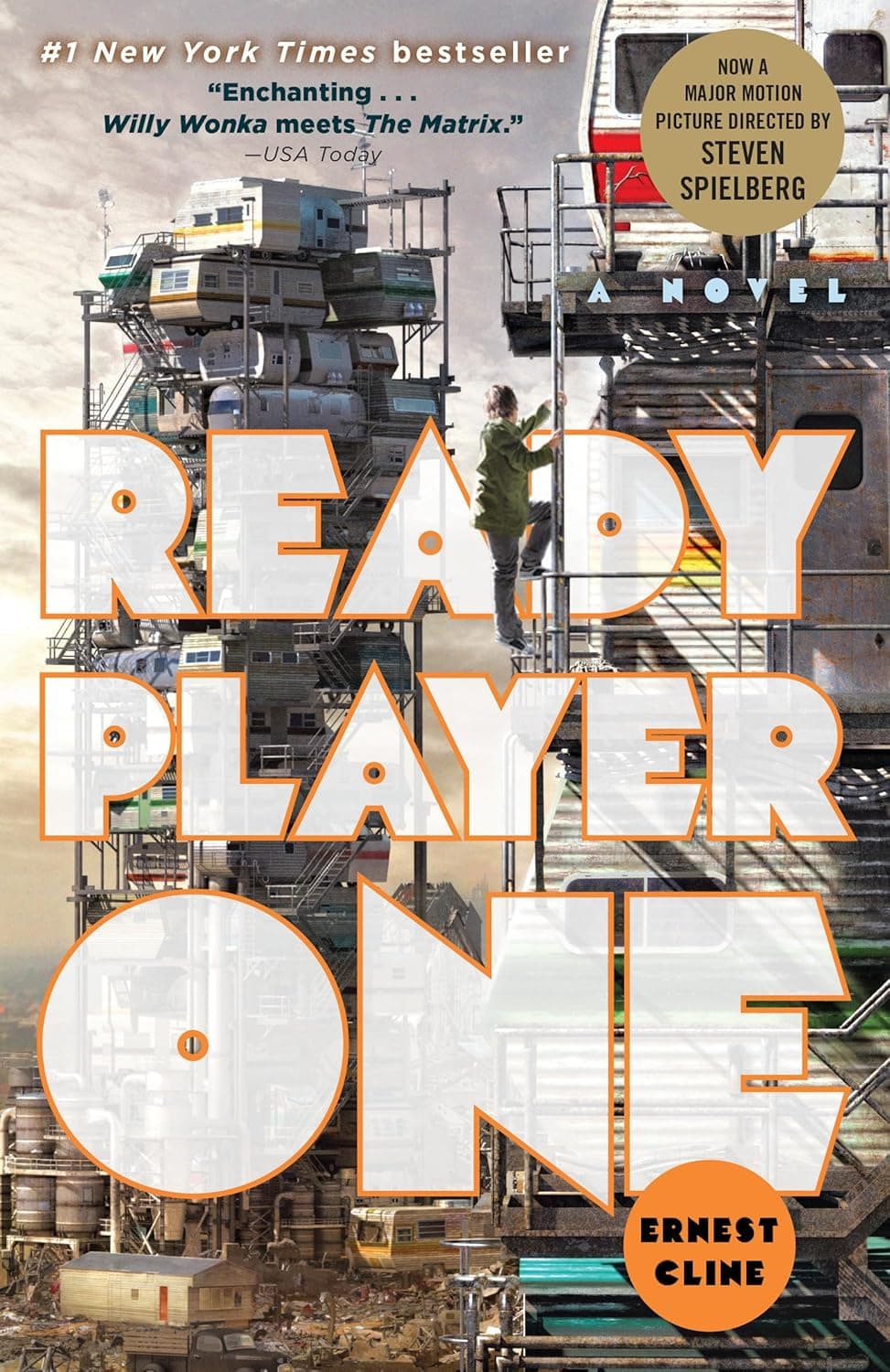
Should you read Ready Player One?
What works
The contest has clear gates, clues, rivals, and escalating consequences, making the OASIS easy to navigate even when the references are dense.
What may not work for you
Cultural knowledge is treated as merit, Wade's growth is limited, and women and marginalized identities are too often filtered through his entitlement or surprise.
What may test your patience
Reference lists can replace scene texture, especially when Wade explains his expertise before a challenge rather than revealing it through action.
Does the ending reward the effort?
The contest pays off cleanly and delivers the promised spectacle, although the final lesson about reality is thinner than the novel's investment in escape.
Reading Ready Player One closely
Ready Player One launches a high-stakes virtual reality treasure hunt in which underdog gamer Wade Watts races a ruthless corporation inside the OASIS. The setup is fast, accessible, and built to keep the major puzzle solutions just out of reach.
Narration stays crisp and cinematic. Wade explains the quest in approachable language, the puzzles escalate without losing clarity, and each challenge reads like a boss fight engineered for page turning drama. The novel also explores how online identity shapes friendship, loyalty, and trust, making the virtual arenas feel grounded even when the action hits impossible heights. Readers who appreciate VR speculation can dive deeper into culture and hardware trends through thoughtful features at Wired to extend the immersion beyond the book.
Pop culture references are more than flashy callbacks. Cline positions 1980s games, anime, television, and music as essential knowledge for cracking Halliday’s Easter egg. The references double as emotional anchors, showing how nostalgia can be weaponized for comfort or control. Instead of drowning the story in trivia, the book uses each clue to reveal character motivation and to comment on the way fandom shapes identity in a fractured society.
Wade Watts anchors the novel with earnest determination. He starts the story living in poverty, surviving on ingenuity, and hacking his way through public school inside the OASIS. His stubborn optimism, strategic friendships, and refusal to bow to corporate intimidation turn this adventure into a triumphant underdog narrative.
Ready Player One moves quickly and explains the OASIS clearly enough for readers without gaming expertise. Its best moments turn shared knowledge into cooperation; its weakest assume that recognizing a reference is interesting by itself.
What works in the quest
Fast paced VR treasure hunt structure that balances puzzles, combat, and hacking with precise clarity.
The OASIS gives Wade freedom and community, but it also lets a corporation turn access to daily life into leverage.
The 1980s references are clues and tools, though the long lists can crowd out the action.
Three useful comparisons
Armada
Armada is shorter and more action-driven, replacing the treasure hunt with alien-war wish fulfillment and even thinner character work.
Best for: Pick it for a light alien-invasion adventure built from games, pop culture, and adolescent competence. Skip it if you need deeply developed supporting relationships, carefully examined technological ethics, or a slower treatment of its moral test.
Ready Player Two
Ready Player Two continues the world but magnifies the first book's nostalgia, entitlement, and repetition; approach it only if the OASIS is the main attraction.
Best for: Committed OASIS fans who value extended reference quests more than character growth or careful technological ethics.
The Da Vinci Code
The Da Vinci Code offers a similarly relentless clue chain in physical locations, with less gaming culture and more conspiracy machinery.
Best for: Best for a fast art-history conspiracy if you can treat its factual claims as entertainment that needs verification.
Series buying note
Would the collection be the better buy?
These are useful only when you want several books in the same run. The notes below spell out what each package includes and, just as importantly, what it leaves out.
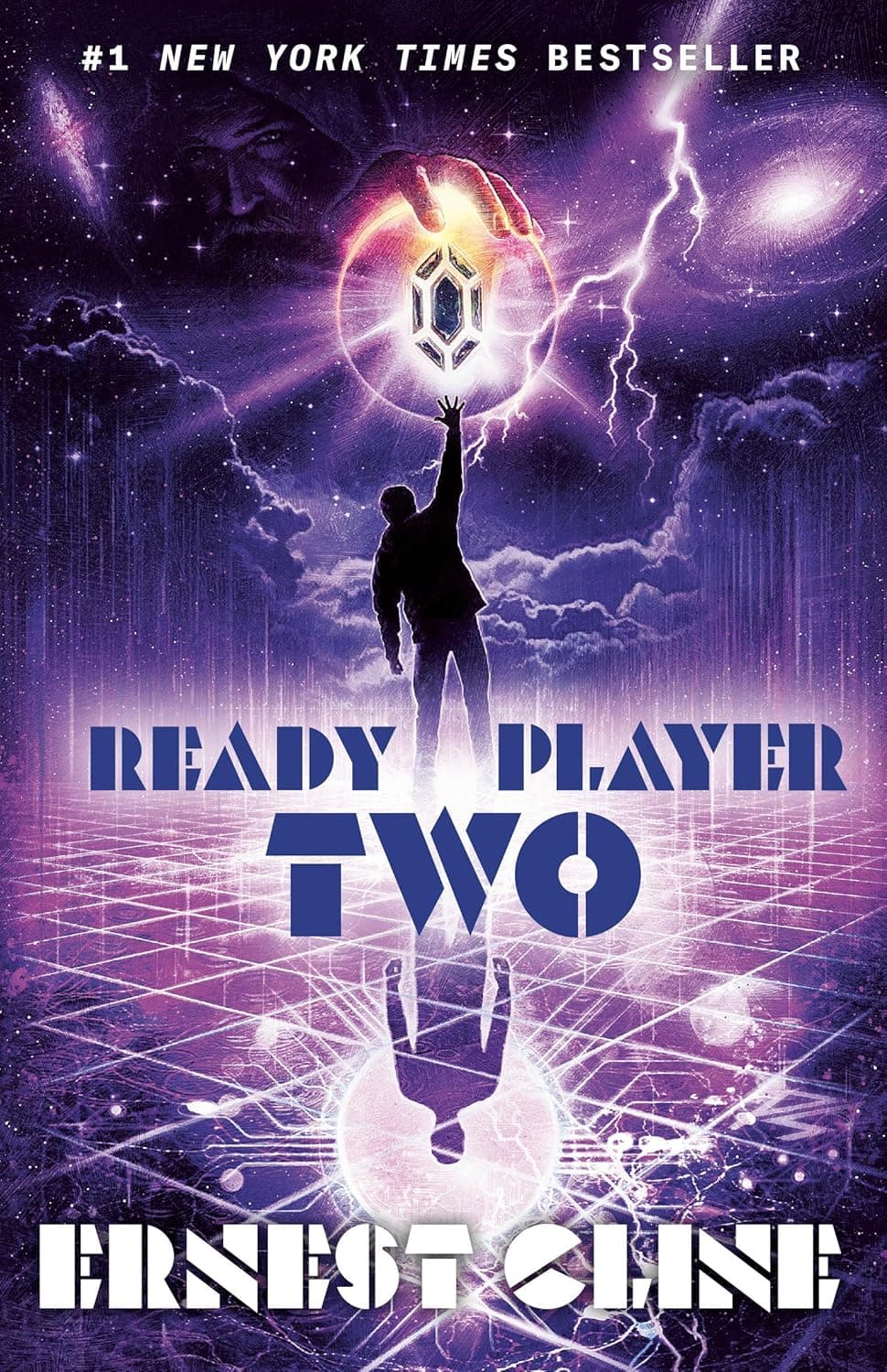
Two-book paperback set
Ready Player One 2-Book Set
This pairs Wade Watts's original OASIS hunt with its direct sequel in matching editions.
Included: Ready Player One, Ready Player Two
Our buying note: The first novel stands on its own and is the safer test. Buy both together only if you already know the nostalgia, puzzles, and pop-culture density are part of the appeal.