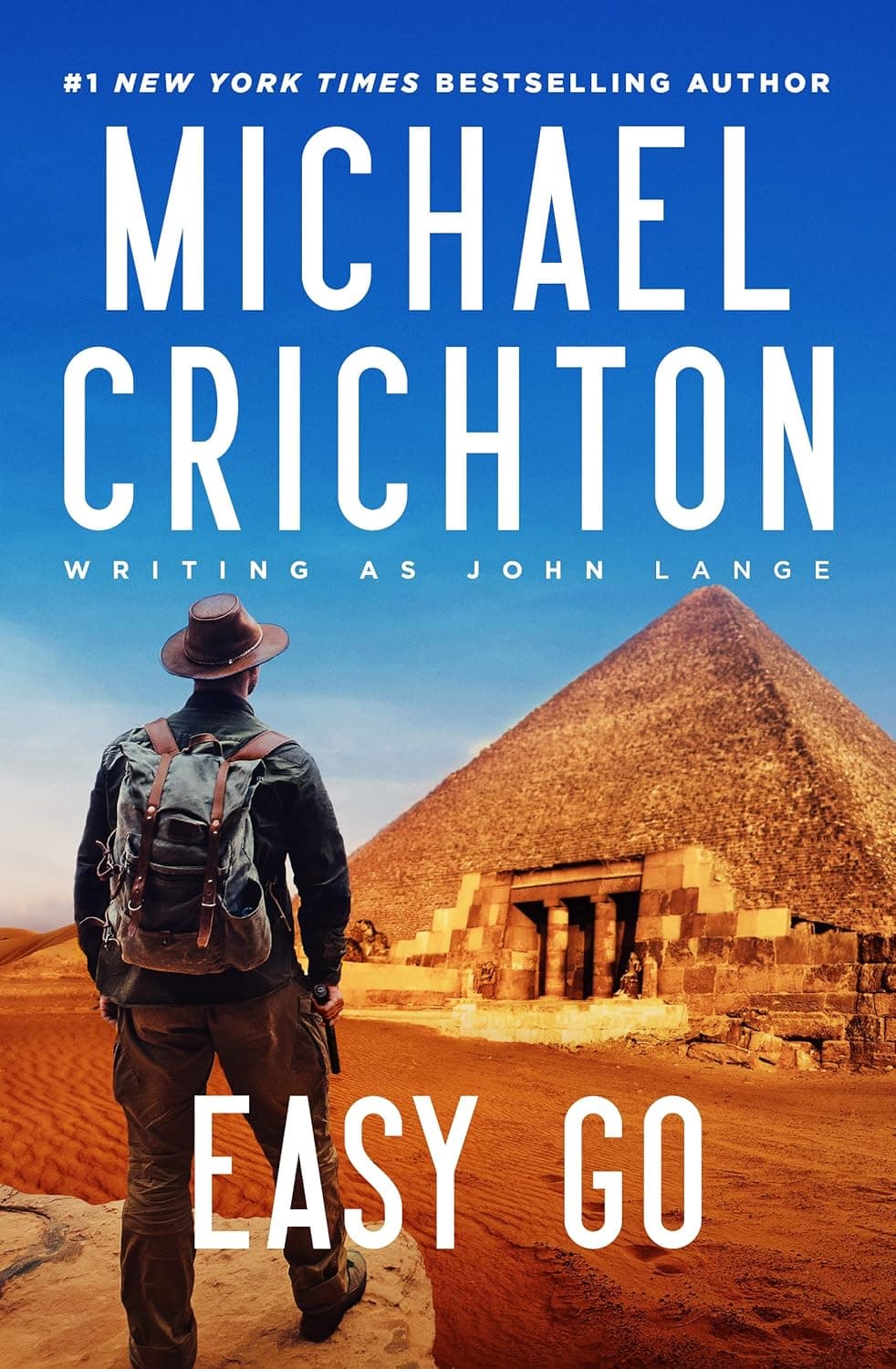
Should you read Easy Go?
What works
Finding, concealing, and emptying a tomb require plausible access, transport, and institutional deception, giving the theft satisfying physical constraints.
What may not work for you
The characters remain pulp functions, local people are treated through dated outsider assumptions, and the romance has little depth.
What may test your patience
The translation and survey work slow the opening until the hidden tomb turns scholarship into a criminal plan.
Does the ending reward the effort?
The operation's payoff follows its logistics and complications, producing a neat caper rather than a lasting emotional resolution.
Reading Easy Go closely
Easy Go begins when Egyptologist Harold Barnaby deciphers a clue pointing to a pharaoh's tomb that has escaped discovery and official excavation. Instead of reporting it, he assembles specialists capable of entering the site, removing its treasure, and carrying it out of Egypt. The academic breakthrough quickly becomes a professional robbery with fortunes at stake.
Crichton gives the heist practical shape through recruitment, equipment, access, transport, and the competing expertise of the crew. Archaeology supplies more than decoration: language and historical knowledge locate the prize, while the physical tomb imposes risks no criminal plan can negotiate away. Suspense grows as individual greed challenges the cooperation required to reach the treasure.
The treatment of cultural property reflects an older adventure tradition and deserves a critical reading; the tomb is too often framed as loot before heritage. Even so, the procedural construction is satisfying and the Egyptian setting distinguishes it from a standard bank job. This John Lange novel suits readers who enjoy capers assembled step by step and alliances that become less stable near success.
Scholarship becomes a criminal tool
Barnaby's translation creates the opportunity, showing that specialized knowledge has no automatic moral direction.
Building the tomb crew
Each participant solves a practical problem but adds another private motive the plan must survive.
Adventure and cultural ownership
The novel's excitement depends on theft from an archaeological site, making its assumptions about discovery, possession, and extraction worth noticing.
Three useful comparisons
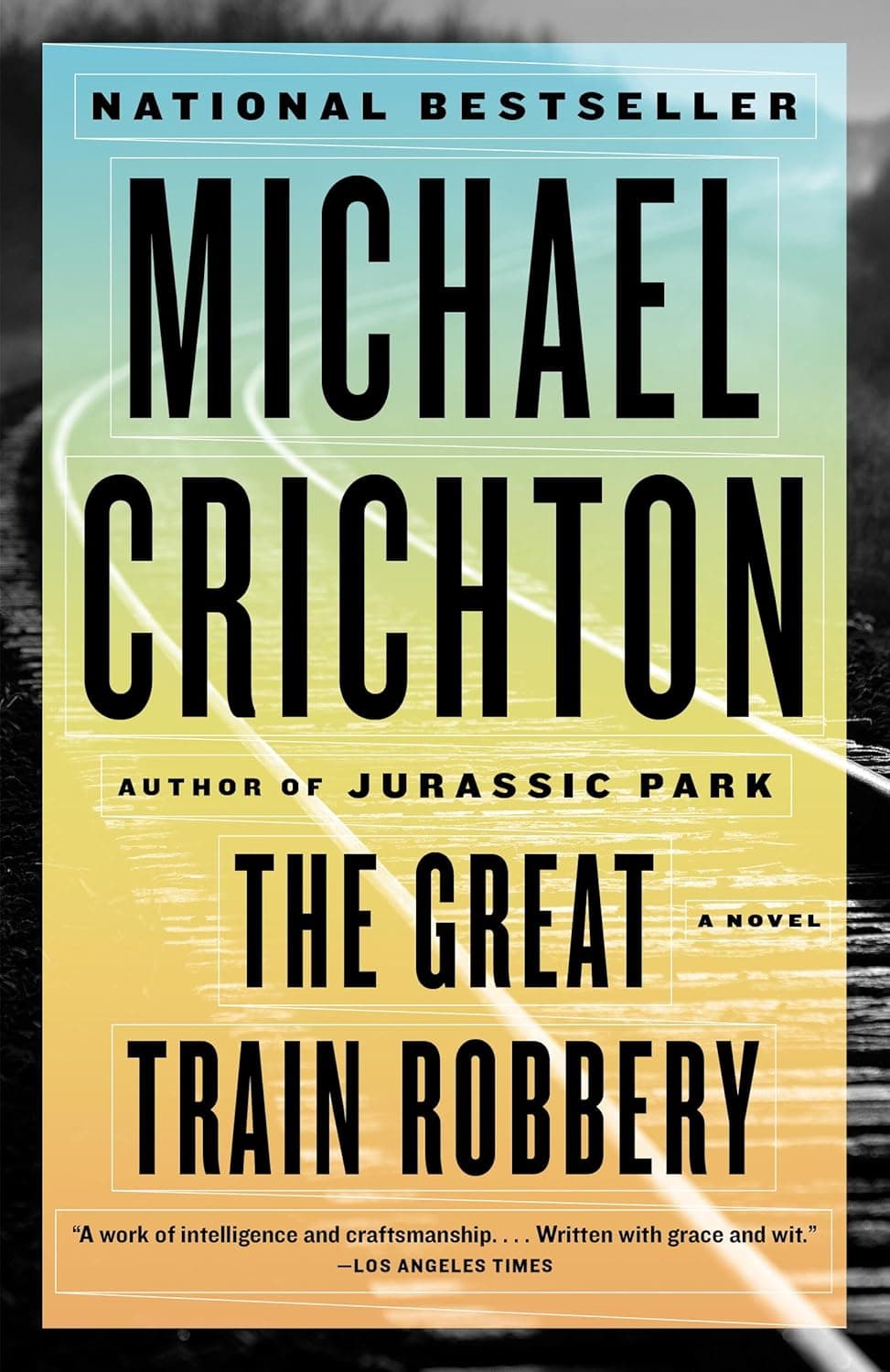
The Great Train Robbery
Great Train Robbery is the mature version of Crichton's procedural caper, with richer society and character.
Best for: Readers who enjoy procedural heists, Victorian settings, and research woven into the mechanics of a crime.
As an Amazon Associate, I earn from qualifying purchases.
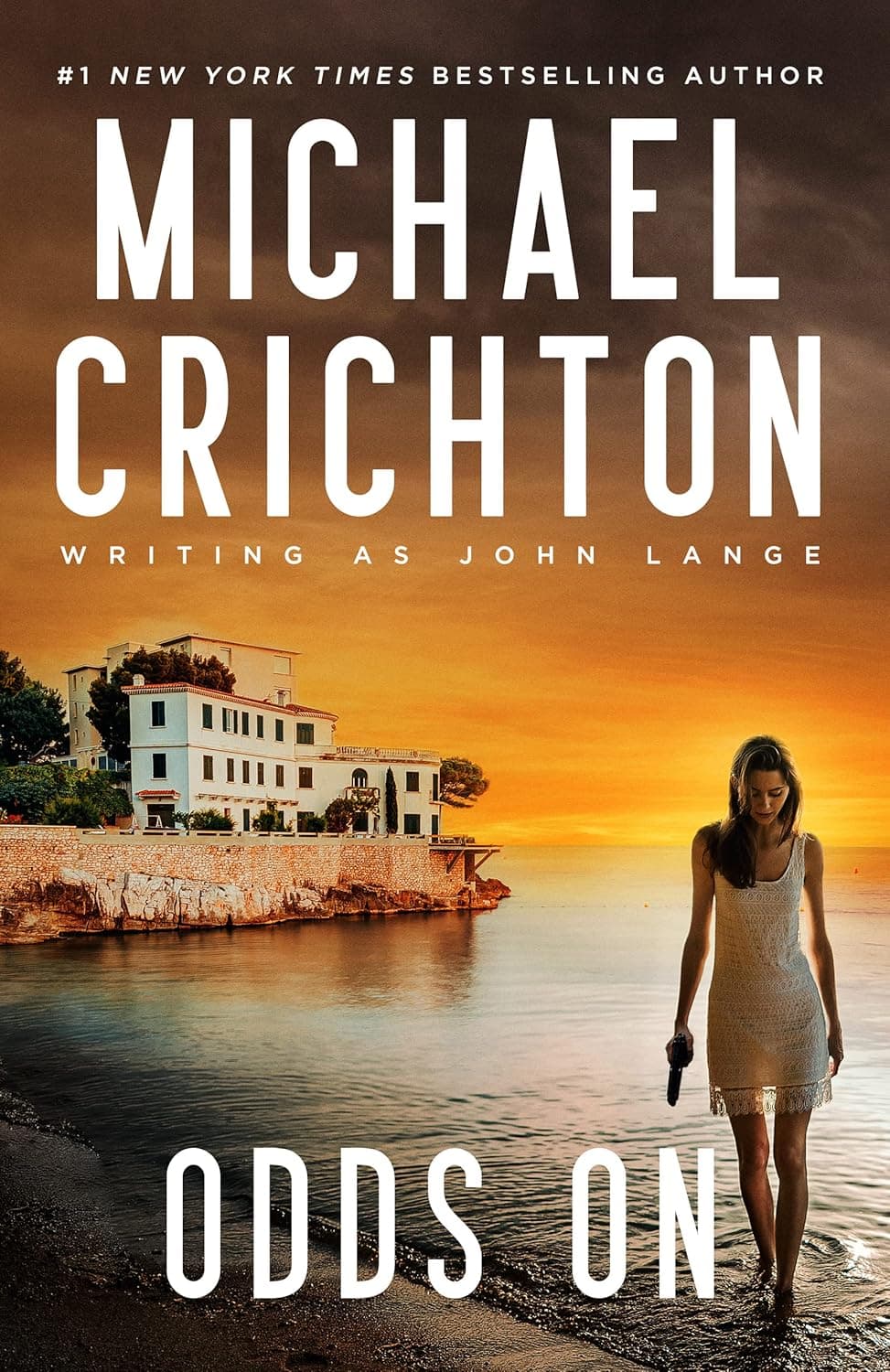
Odds On
Odds On uses computer probability and a modern hotel rather than archaeology.
Best for: Crichton completists and readers of compact vintage crime interested in an early technological heist.
As an Amazon Associate, I earn from qualifying purchases.
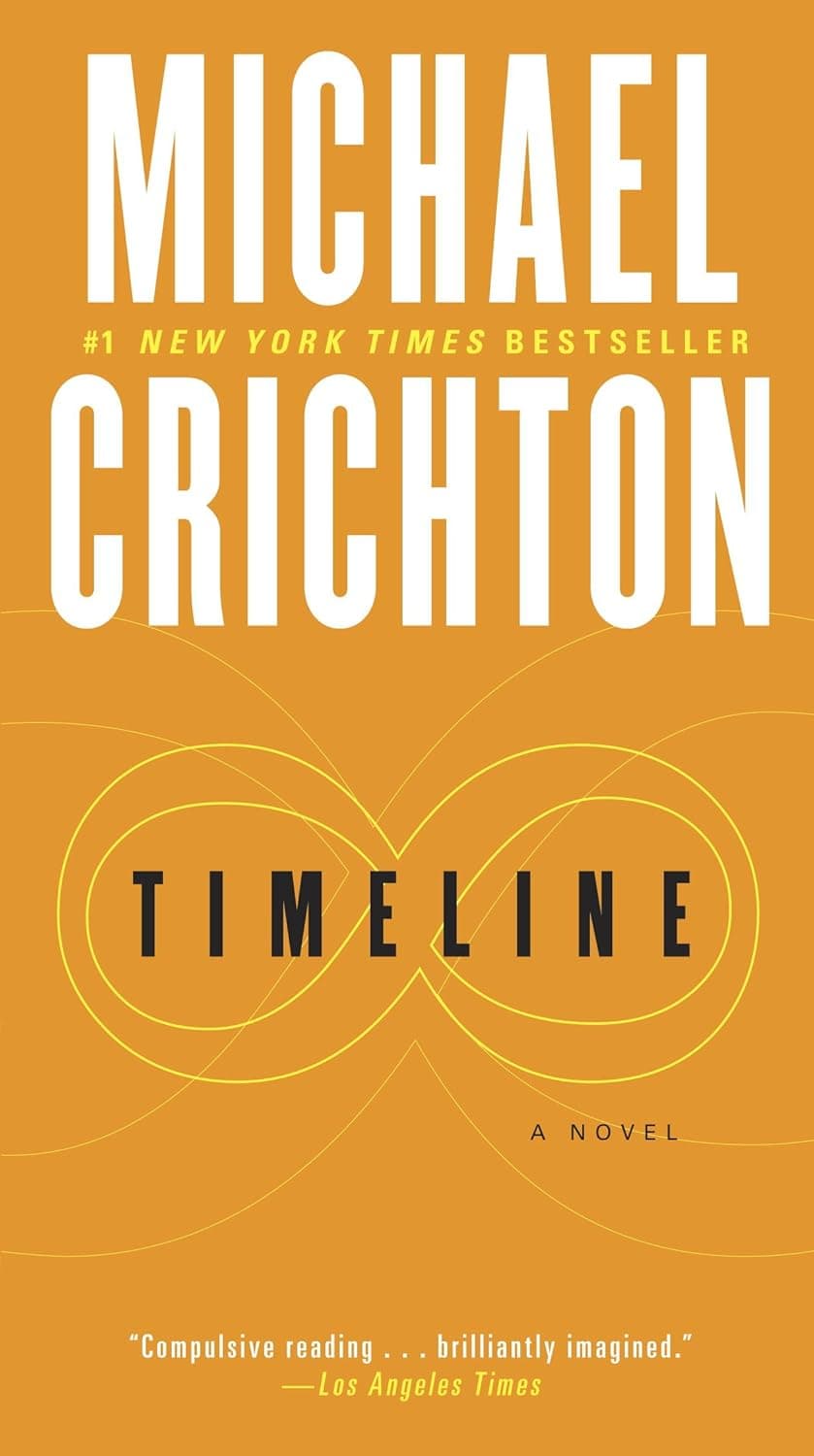
Timeline
Timeline makes historical expertise part of a much larger science-fiction rescue adventure.
Best for: A good fit for researched medieval action, archaeology, speculative time travel, and a long setup followed by rapid adventure.
As an Amazon Associate, I earn from qualifying purchases.