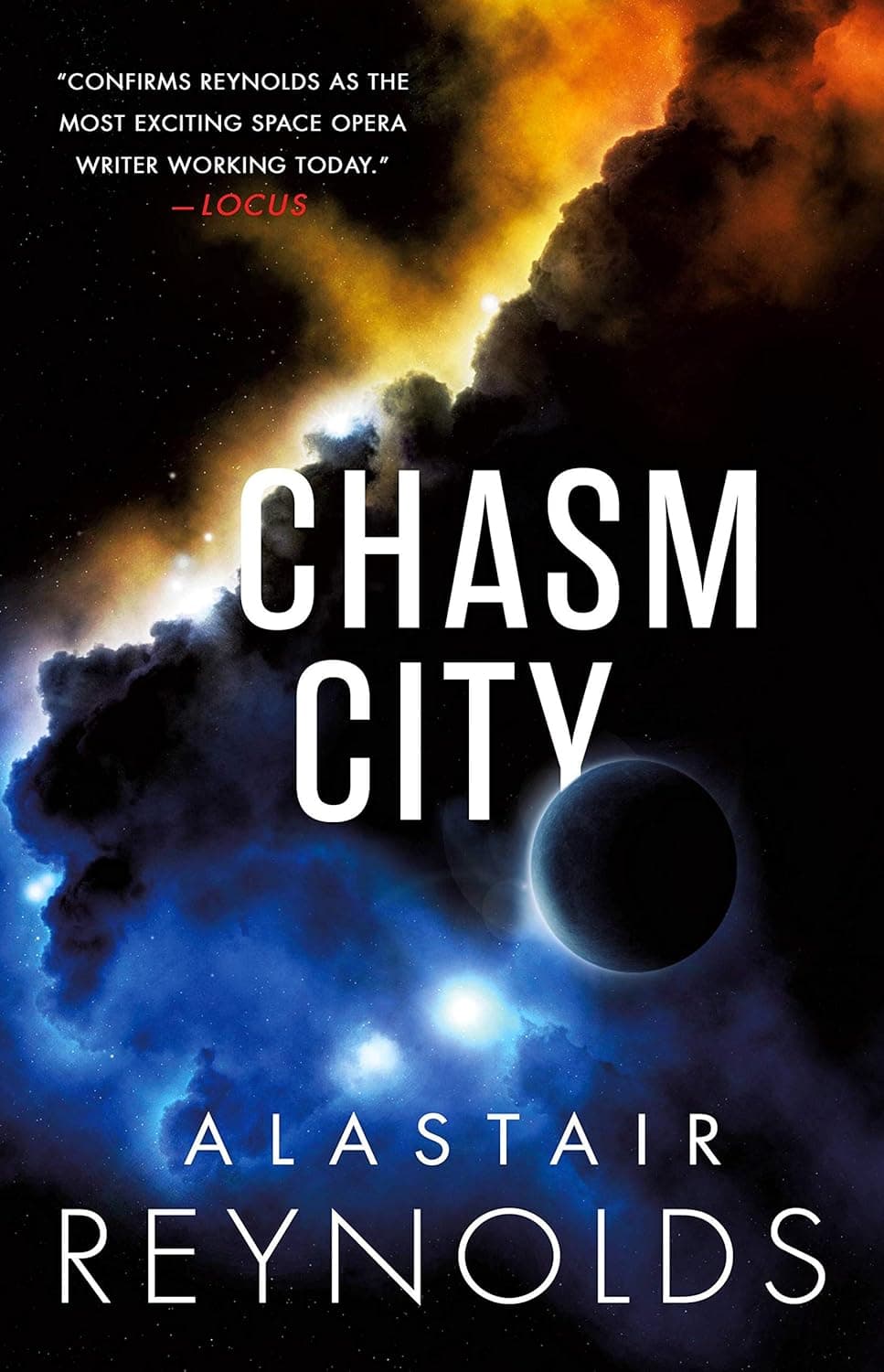
Should you read Chasm City?
What works
Tanner's revenge, Sky Haussmann's memories, the Melding Plague, and Yellowstone's class divisions make body, city, and confession equally unreliable.
What may not work for you
Violence and sexual material are harsh, some twists rely on prolonged concealment, and the final explanation is dense.
What may test your patience
The alternating Haussmann history initially feels detached from Tanner's pursuit and requires trust before its structural purpose appears.
Does the ending reward the effort?
Yes. The revelations alter identity and motive without erasing responsibility, making the revenge plot morally less simple rather than meaningless.
Reading Chasm City closely
Chasm City follows Tanner Mirabel, a security specialist seeking revenge on Argent Reivich after a lethal attack. The pursuit takes him aboard a lighthugger and eventually to Yellowstone, where the settlement once represented the height of Demarchist wealth and technological freedom.
By Tanner's arrival, the Melding Plague has fused buildings, machines, and implants into corrupted organic shapes. The rich remain above the city in the Canopy while the poor inhabit the Mulch below. Tanner also experiences increasingly vivid memories of Sky Haussmann, a notorious figure from humanity's early interstellar colonization.
The novel begins as hardboiled pursuit and gradually turns into an investigation of identity, guilt, and the stories people construct around violence. Its revelations reward attention, but the atmosphere is equally important: ruined nanotechnology, dangerous immortality treatments, and a city where every luxury has a grotesque underside.
Revenge inside a diseased technological paradise
Tanner believes his objective is simple, but Chasm City makes identity and motive unstable. The Melding Plague is more than background disaster; it exposes how thoroughly the city's politics, bodies, architecture, and wealth depended on systems nobody could fully control.
Memory, confession, and unreliable identity
Sky Haussmann's story interrupts Tanner's chase with what initially seems like unrelated historical material. The connection develops gradually, asking whether inherited memories reveal truth, impose a role, or offer someone a convenient explanation for choices already made.
Violence, accessibility, and series order
This is more linear and thriller-driven than Revelation Space, though it includes graphic violence, body modification, addiction, and sexual material. It works independently, but prior familiarity with Yellowstone, Ultras, and the Melding Plague adds useful context without revealing its central mysteries.
Three useful comparisons
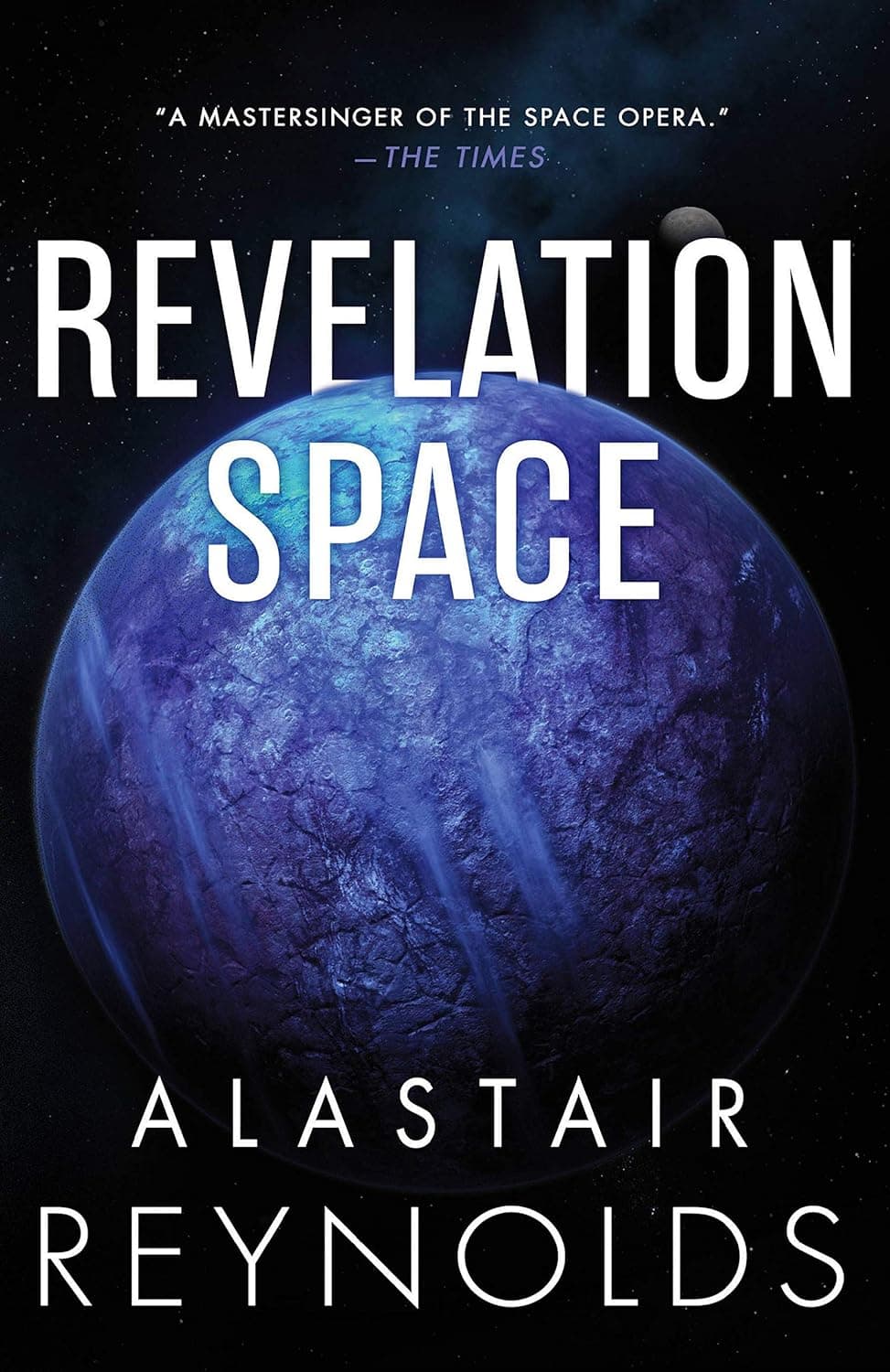
Revelation Space
Revelation Space is broader, colder, and more demanding; Chasm City provides stronger thriller momentum.
Best for: Patient readers wanting hard science fiction, archaeology, deep time, morally difficult characters, and cosmic danger.
As an Amazon Associate, I earn from qualifying purchases.
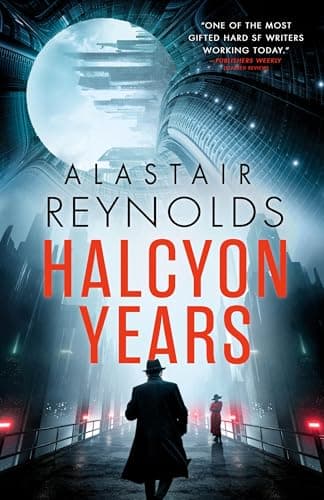
Halcyon Years
Halcyon Years offers gentler, more intimate noir inside a generation ship.
Best for: A standalone science-fiction noir about a generation ship, a stratified community, and a gradually widening mystery.
As an Amazon Associate, I earn from qualifying purchases.
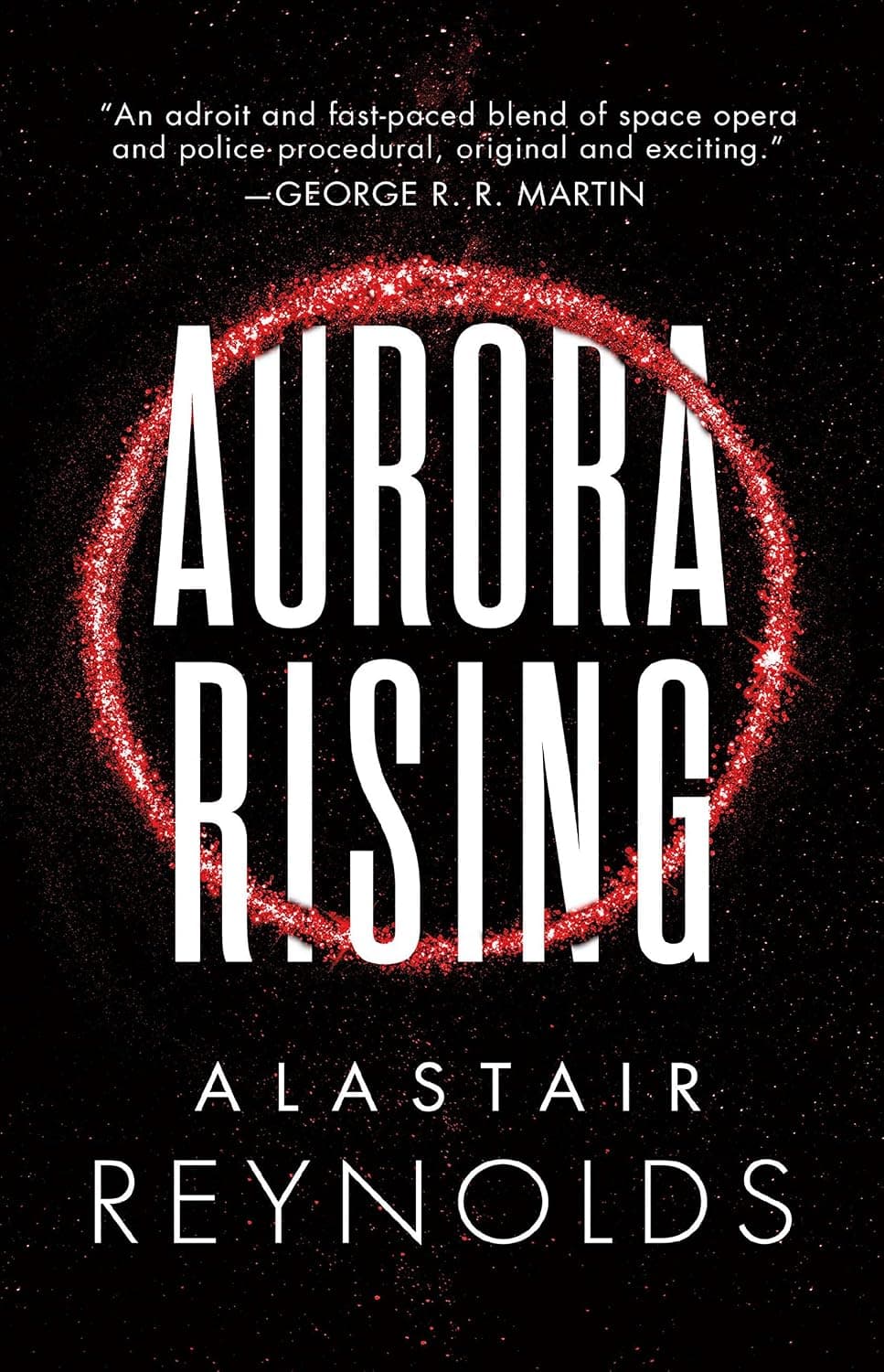
The Prefect (Aurora Rising)
The Prefect shows Yellowstone before the plague through a disciplined democratic police procedural.
Best for: The most accessible Revelation Space police procedural, with democratic institutions, orbital habitats, and a systemic threat.
As an Amazon Associate, I earn from qualifying purchases.
Make the next decision