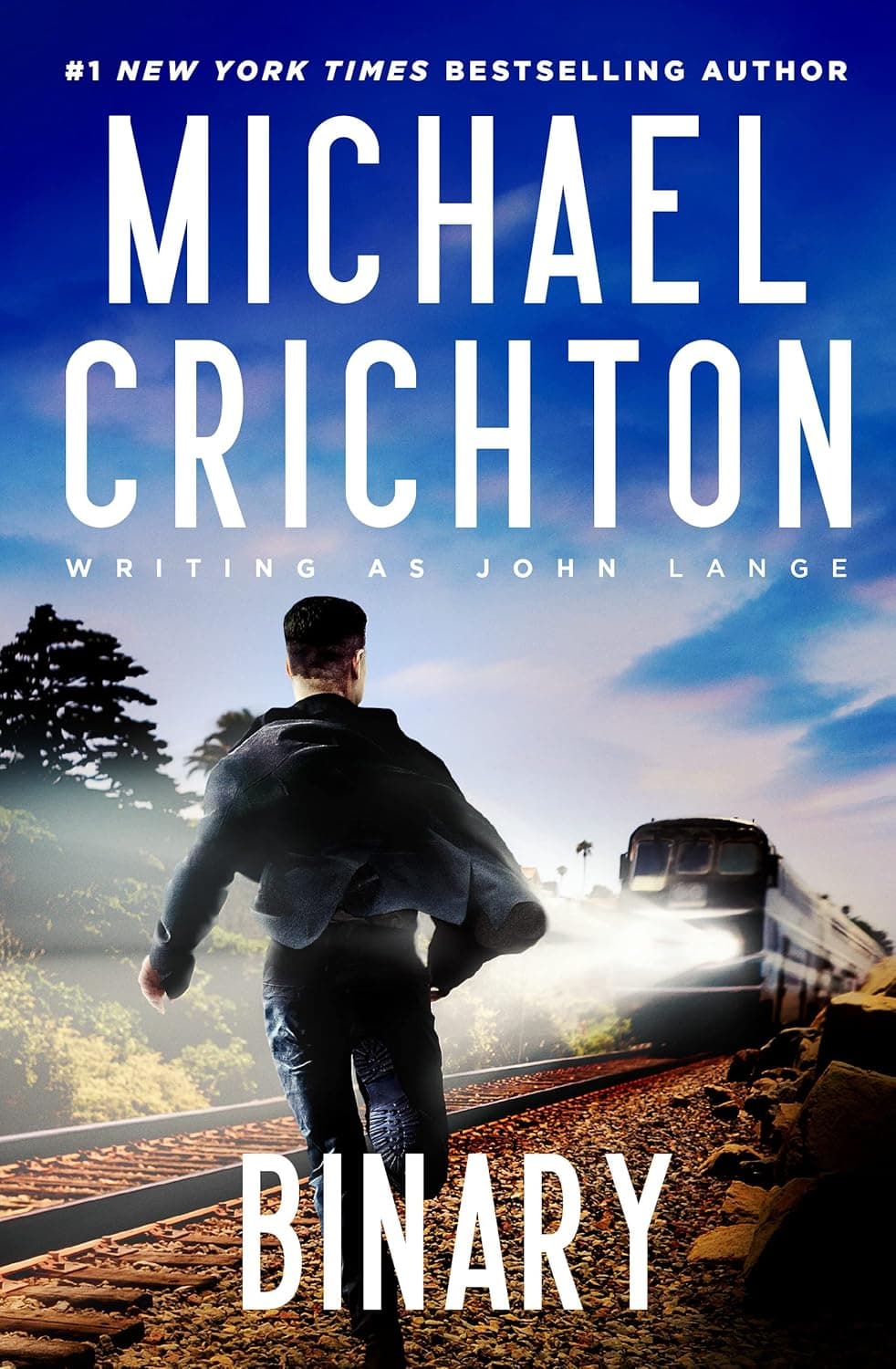
Should you read Binary?
What works
The separated agents, dispersal plan, and federal response create clear physical constraints, so suspense grows from process rather than mystery alone.
What may not work for you
Characters are functional, political motives are thin, and the compact format leaves little room for aftermath or ambiguity.
What may test your patience
Early surveillance and technical setup delay the threat's full shape, though the novella's pace soon tightens.
Does the ending reward the effort?
Yes. The resolution uses established chemistry and timing, delivering the disciplined payoff the premise promises.
Reading Binary closely
Binary, originally published as a John Lange novel, pits State Department agent John Graves against wealthy radical John Wright. Wright has stolen two chemicals that become deadly only when combined, giving him a concealed nerve weapon and a plan to strike a political gathering in San Diego. Graves must infer the mechanism before the public event begins.
The binary agent is an efficient Crichton device: scientifically plausible enough to organize the danger and simple enough to keep the countdown visible. Surveillance, computer records, chemical handling, and physical security become parts of one tactical problem. Graves and Wright are less psychological portraits than competing problem-solvers operating with unequal information.
The novel is short, procedural, and more severe than several earlier Lange capers. Its politics and security technology reflect the early 1970s, while the fear of technical knowledge serving ideological violence remains recognizable. Readers wanting a compact terrorism thriller will find strong momentum, though those seeking the character depth of later Crichton should adjust expectations.
Two harmless parts, one lethal system
The weapon's components can move without attracting the attention that a finished agent would receive.
Graves versus Wright
The conflict turns on anticipating an adversary's reasoning rather than merely locating him.
A concentrated countdown
Limited length keeps attention on preparation, detection, and prevention instead of expanding into a broad conspiracy.
Three useful comparisons
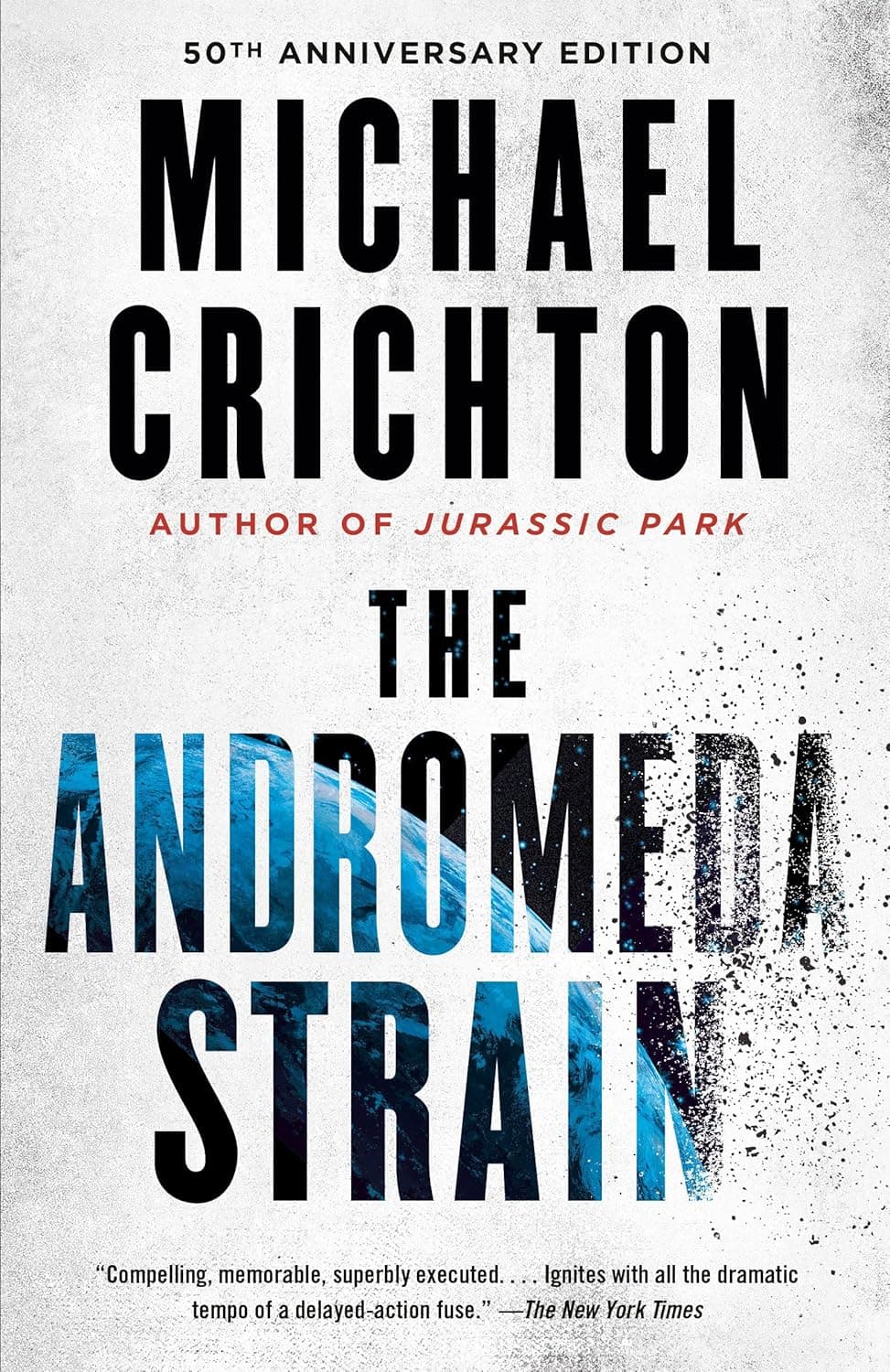
The Andromeda Strain
Andromeda is more elaborate and scientifically immersive, with a larger containment system.
Best for: Hard-edged outbreak science fiction for anyone who values laboratory procedure and containment systems over sentiment.
As an Amazon Associate, I earn from qualifying purchases.
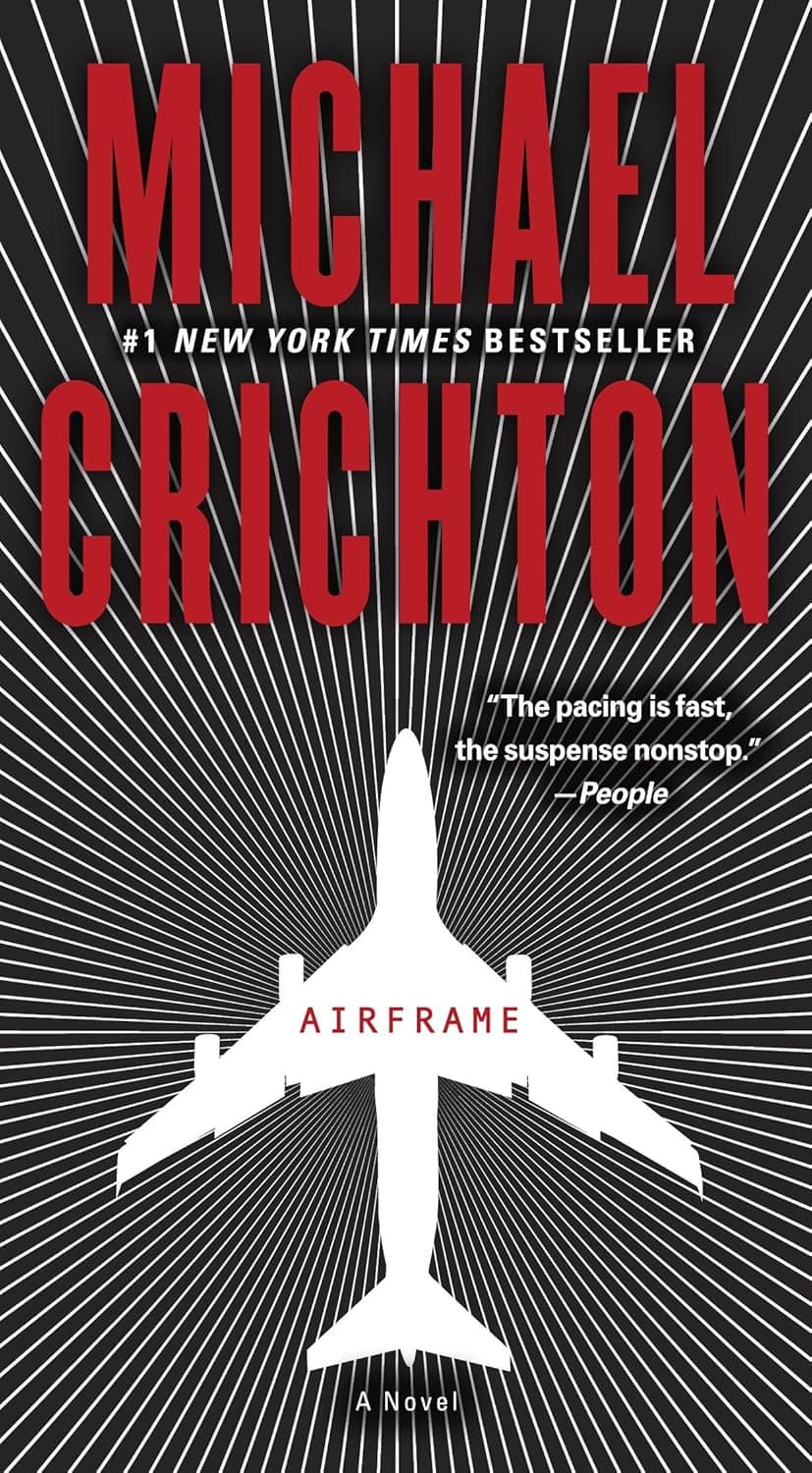
Airframe
Airframe offers a more developed institutional investigation and stronger central professional viewpoint.
Best for: Come for aviation, accident investigation, corporate pressure, and a competent professional protagonist.
As an Amazon Associate, I earn from qualifying purchases.
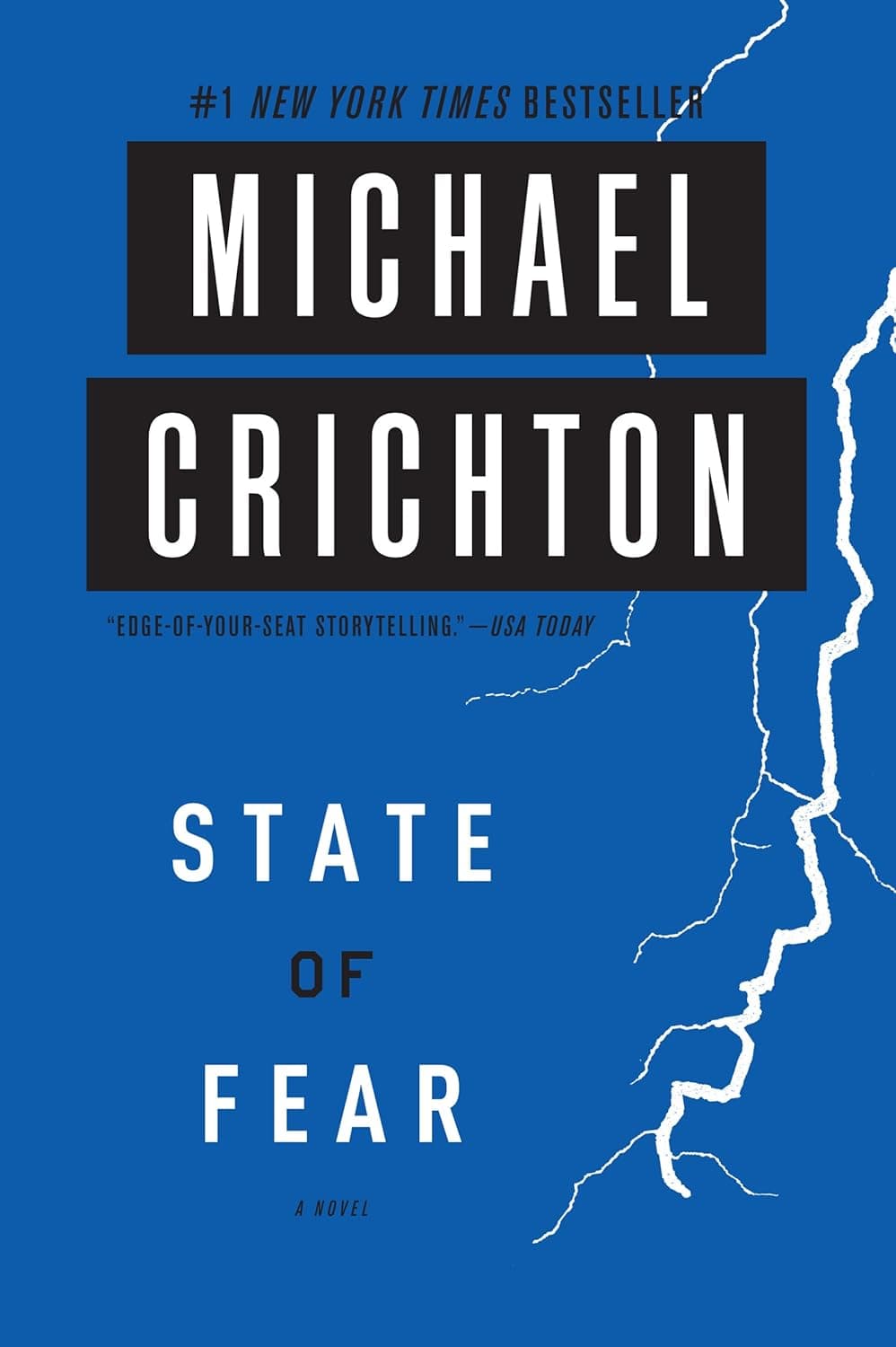
State of Fear
State of Fear is far larger and more polemical, using technical threats inside an ideological argument.
Best for: Crichton completists and readers prepared to verify its climate claims against current scientific consensus.
As an Amazon Associate, I earn from qualifying purchases.