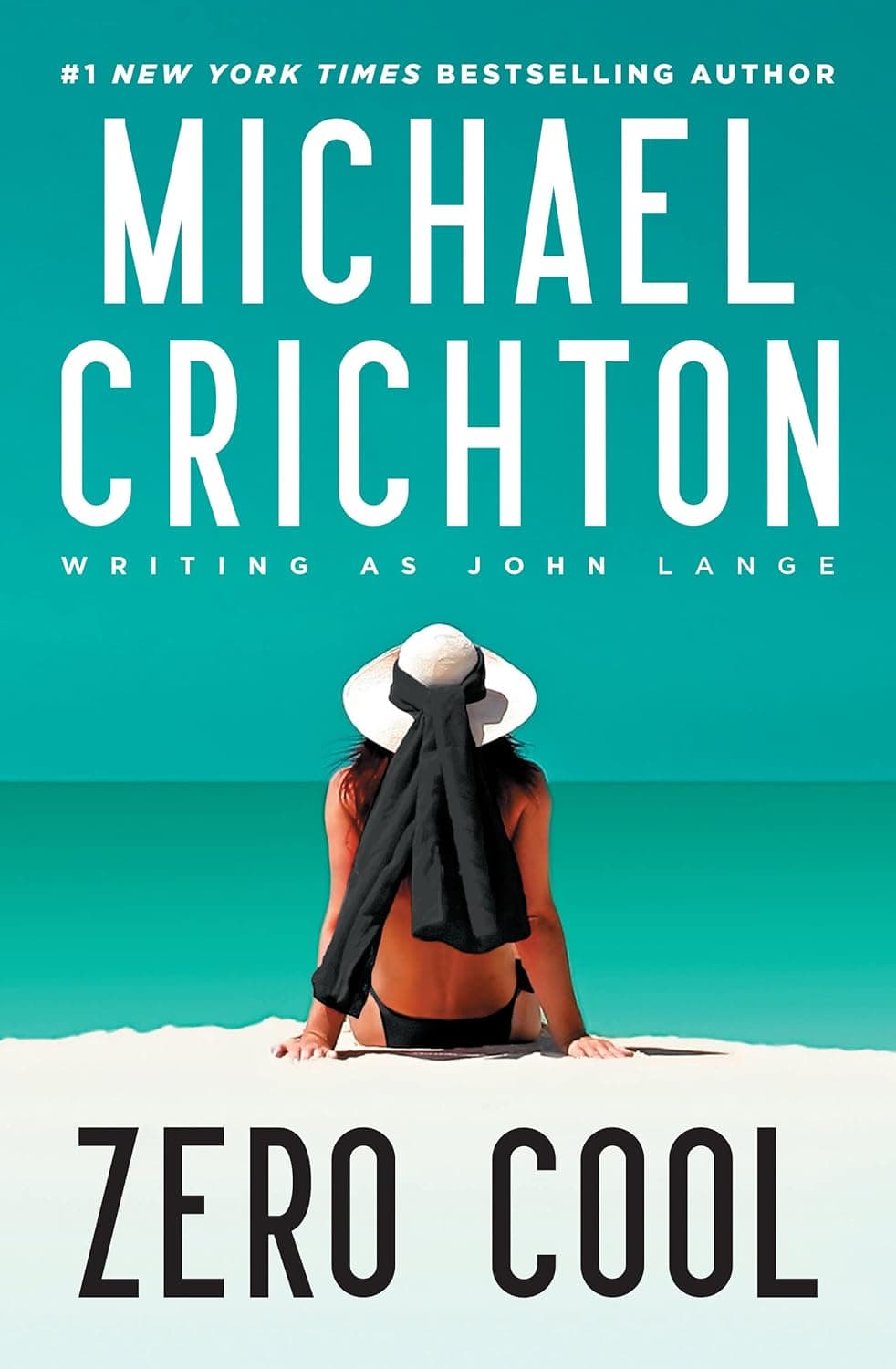
Should you read Zero Cool?
What works
A radiologist's ordinary expertise becomes unexpectedly useful amid rival criminal groups, giving the chase a playful professional hook.
What may not work for you
The plot is implausible, women are thinly drawn, and ethnic caricature dates the comedy more sharply than the medical material.
What may test your patience
The competing criminals and reversals briefly become difficult to distinguish because velocity matters more than motive.
Does the ending reward the effort?
The caper resolves with appropriate pulp neatness, rewarding momentum rather than character transformation.
Reading Zero Cool closely
Zero Cool follows American radiologist Peter Ross on a European vacation that stops being restful when criminals demand that he use his medical skills. Rival groups appear to believe he possesses information or abilities valuable to them, and Ross is pulled through Spain and France while trying to understand why a corpse has become central to their conflict.
The book mixes chase thriller, medical problem, macabre comedy, and travel adventure. Its gangsters can be deliberately extravagant, so the tone is lighter and stranger than Crichton's later clinical suspense. Ross survives by observing bodies and behavior, but he is rarely given enough time to build the complete explanation a doctor would prefer.
Crichton later revised this John Lange novel and added material, meaning editions can differ from the original 1969 text. The result is still compact and knowingly pulpy, with romance and criminal stereotypes that show their age. Readers who accept its improbable setup will find a brisk example of medical expertise dropped into a playful international chase.
A doctor drafted by criminals
Ross's specialty makes him useful, but no faction gives him enough truth to understand the procedure it expects.
European chase with black humor
Hotels, roads, corpses, and gang rivalries create a deliberately heightened adventure rather than strict realism.
Original and revised versions
Modern editions may incorporate Crichton's later changes and additional chapters, so details can vary from early printings.
Three useful comparisons
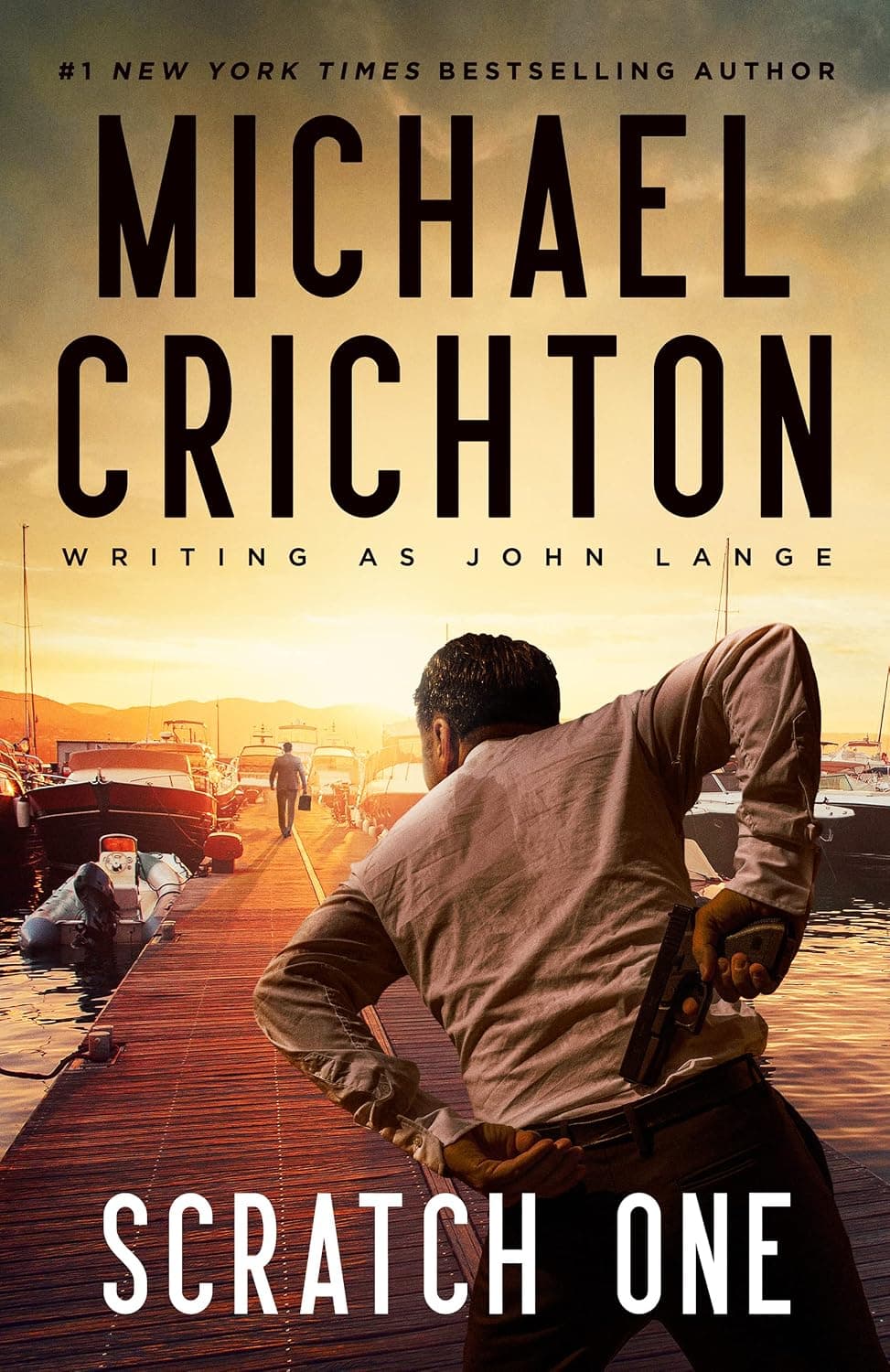
Scratch One
Scratch One is straighter espionage with a Riviera setting and less medical comedy.
Best for: Best for Crichton completists and anyone in the mood for light 1960s spy pulp from his John Lange period.
As an Amazon Associate, I earn from qualifying purchases.
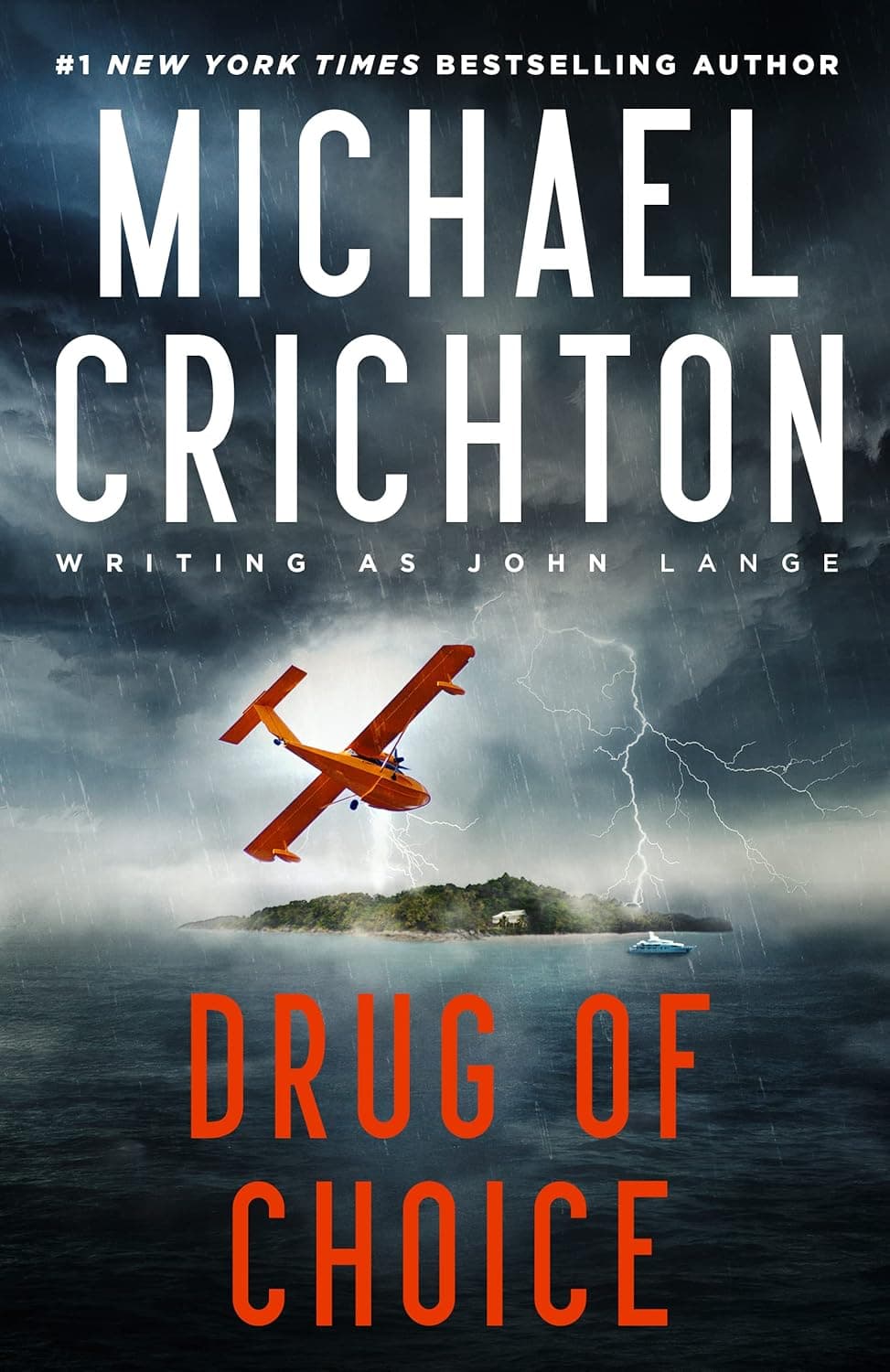
Drug of Choice
Drug of Choice develops a stranger biomedical conspiracy with more speculative ambition.
Best for: Crichton completists and readers curious about the early form of his medicine-versus-corporation concerns.
As an Amazon Associate, I earn from qualifying purchases.
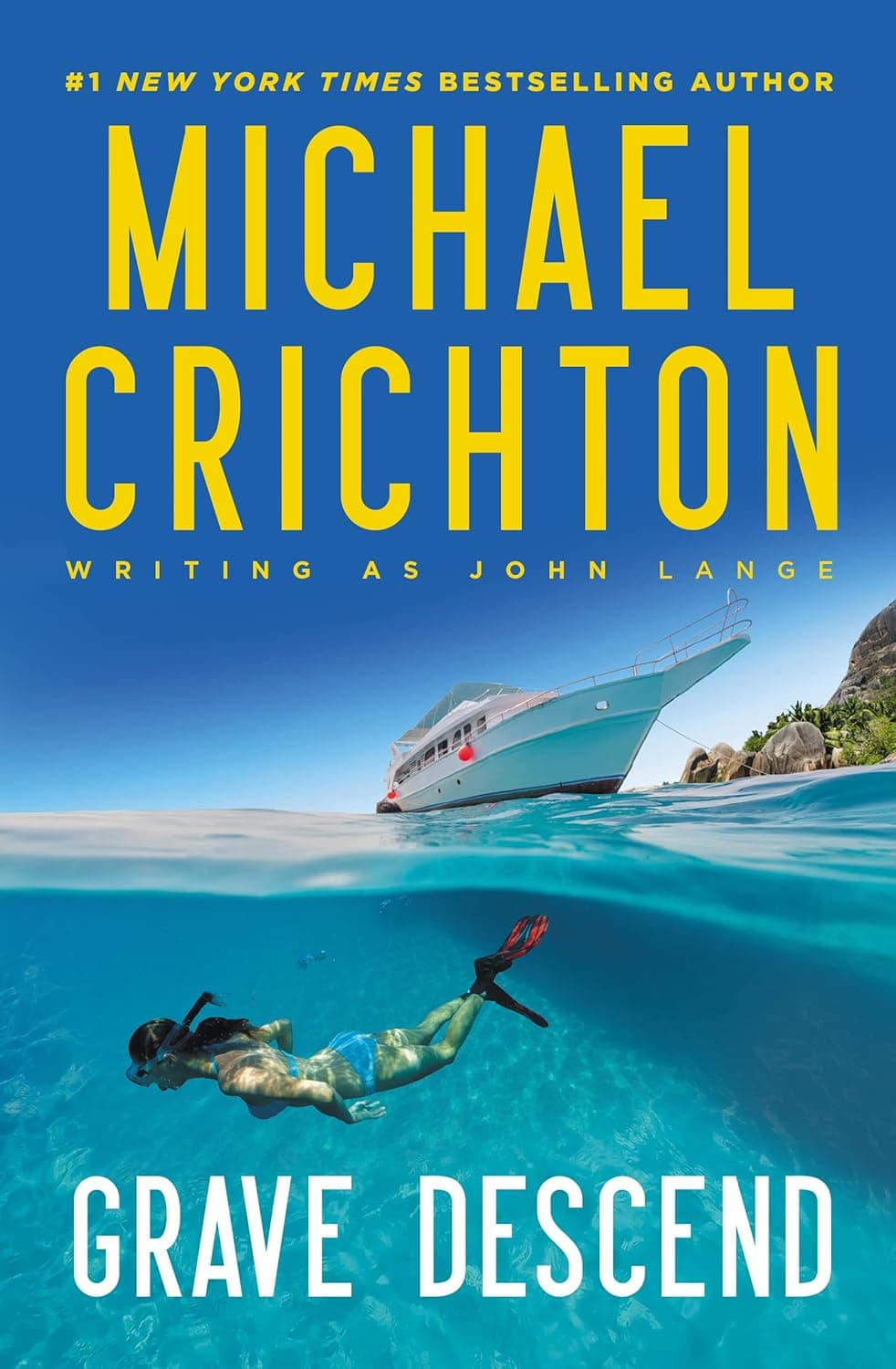
Grave Descend
Grave Descend offers a tighter treasure mystery built around diving and maritime deception.
Best for: Choose it for a short maritime mystery, diving procedure, and straightforward vintage suspense.
As an Amazon Associate, I earn from qualifying purchases.