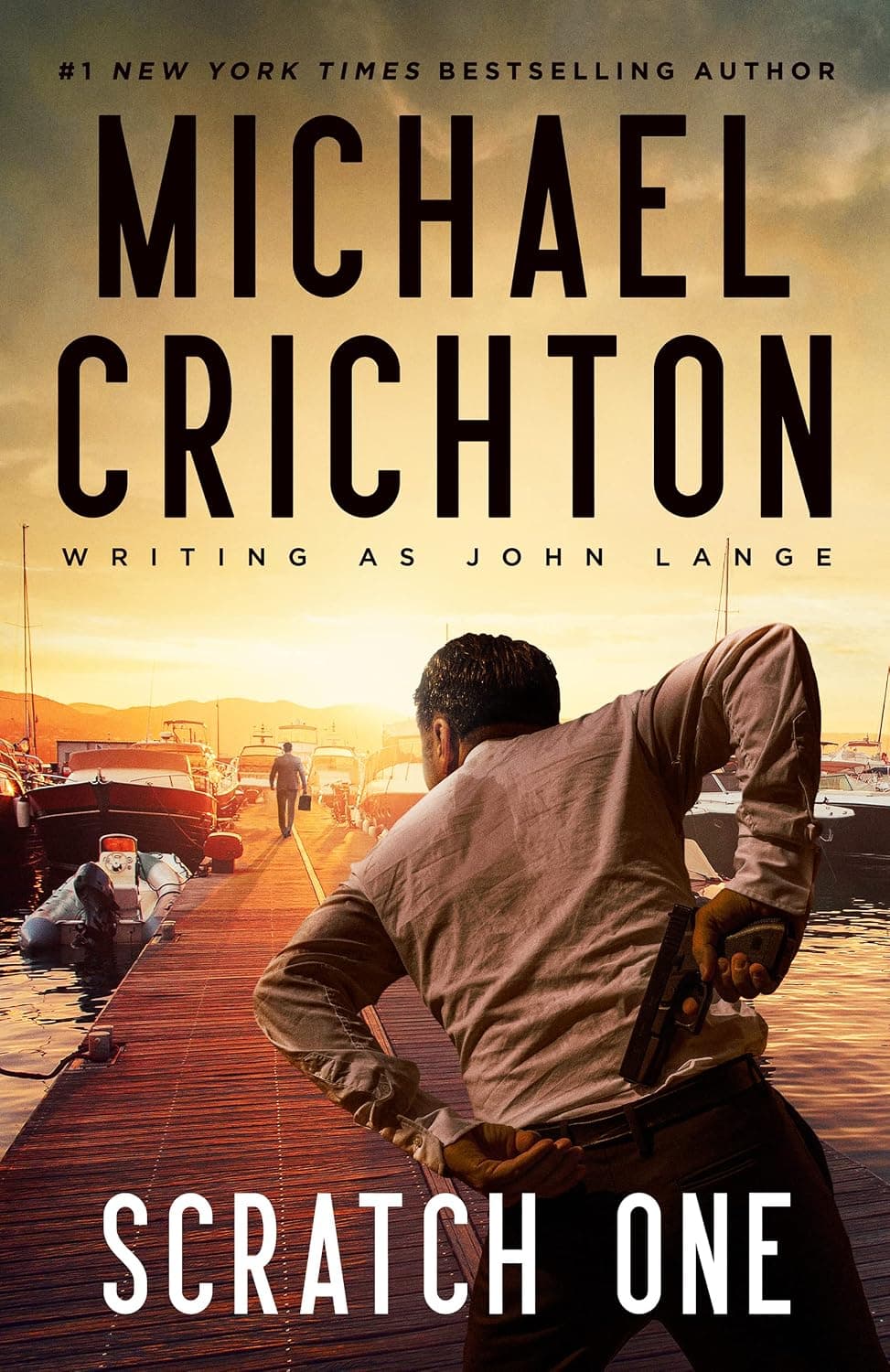
Should you read Scratch One?
What works
The Riviera setting and confusion over Roger Carr's identity generate quick pursuit, shifting alliances, and uncomplicated pulp momentum.
What may not work for you
Women and foreign characters are dated types, the politics are superficial, and danger resets too easily after each escape.
What may test your patience
The opening legal errand and identity setup take time before Carr understands the scale of the trouble pursuing him.
Does the ending reward the effort?
The conspiracy resolves cleanly enough for a paperback thriller, without adding much moral or character weight.
Reading Scratch One closely
Scratch One sends American lawyer Roger Carr to the French Riviera on an ordinary assignment and places him in the path of people expecting a professional killer. Because Carr resembles the man they are watching, rival groups interpret his harmless movements as coded preparation for an assassination. He initially understands so little that confidence becomes as dangerous as ignorance.
The mistaken-identity premise supports a swift mixture of surveillance, glamorous locations, arms dealing, and political violence. Crichton lets the reader see more of the conspiracy than Roger does, creating suspense from the gap between casual tourism and lethal interpretation. The Riviera setting provides brightness and motion rather than the shadowy city atmosphere of conventional noir.
Like the other John Lange novels, Scratch One values momentum over psychological depth. Its sexual politics and international intrigue show their period, and coincidence powers the setup, but the escalating misunderstandings are handled with clarity. It works best as a light, fast thriller for readers who enjoy an ordinary protagonist improvising inside a plot designed for somebody else.
The wrong man under surveillance
Roger's everyday actions acquire dangerous meanings because observers already believe they know who he is.
Riviera glamour and political danger
Beaches, cars, hotels, and wealthy travelers create a deceptively relaxed surface over weapons and assassination plans.
Pulp pace and dated edges
Short scenes keep the chase moving, while characterization and gender roles remain recognizably rooted in the novel's era.
Three useful comparisons
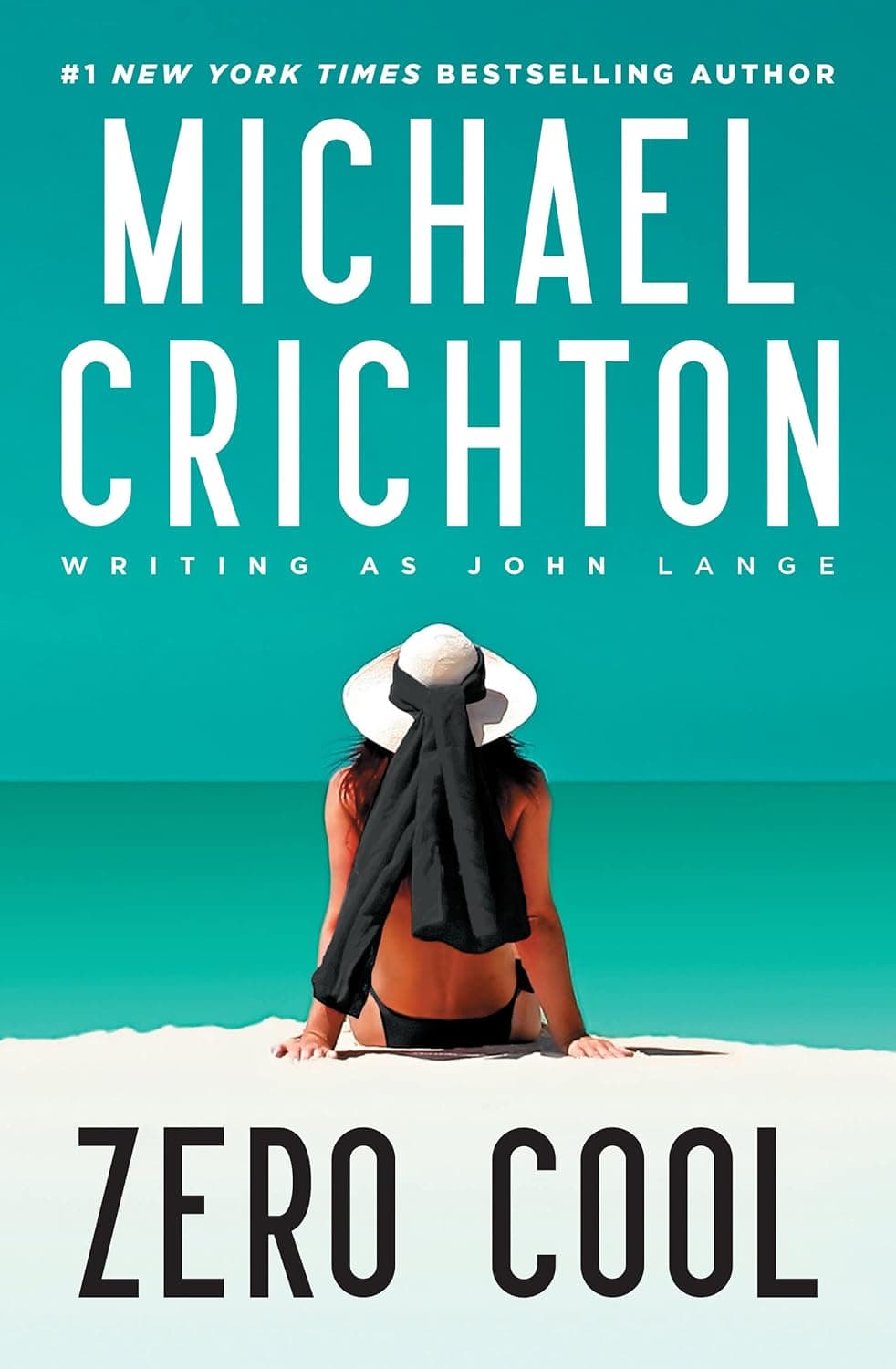
Zero Cool
Zero Cool is more comic and medically flavored, with another ordinary man pulled into criminal danger.
Best for: Crichton completists and readers comfortable with dated 1960s crime comedy and lightweight medical intrigue.
As an Amazon Associate, I earn from qualifying purchases.
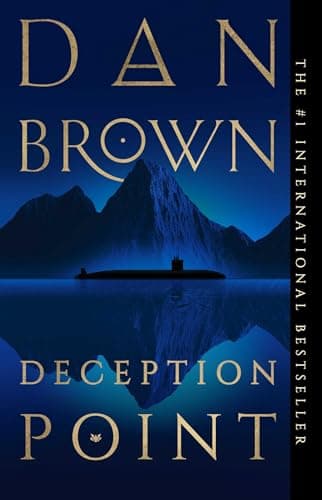
Deception Point
Deception Point offers a much larger modern conspiracy and more developed technical spectacle.
Best for: Choose it for a standalone Brown thriller with Arctic survival, NASA, election politics, and a large government secret.
As an Amazon Associate, I earn from qualifying purchases.
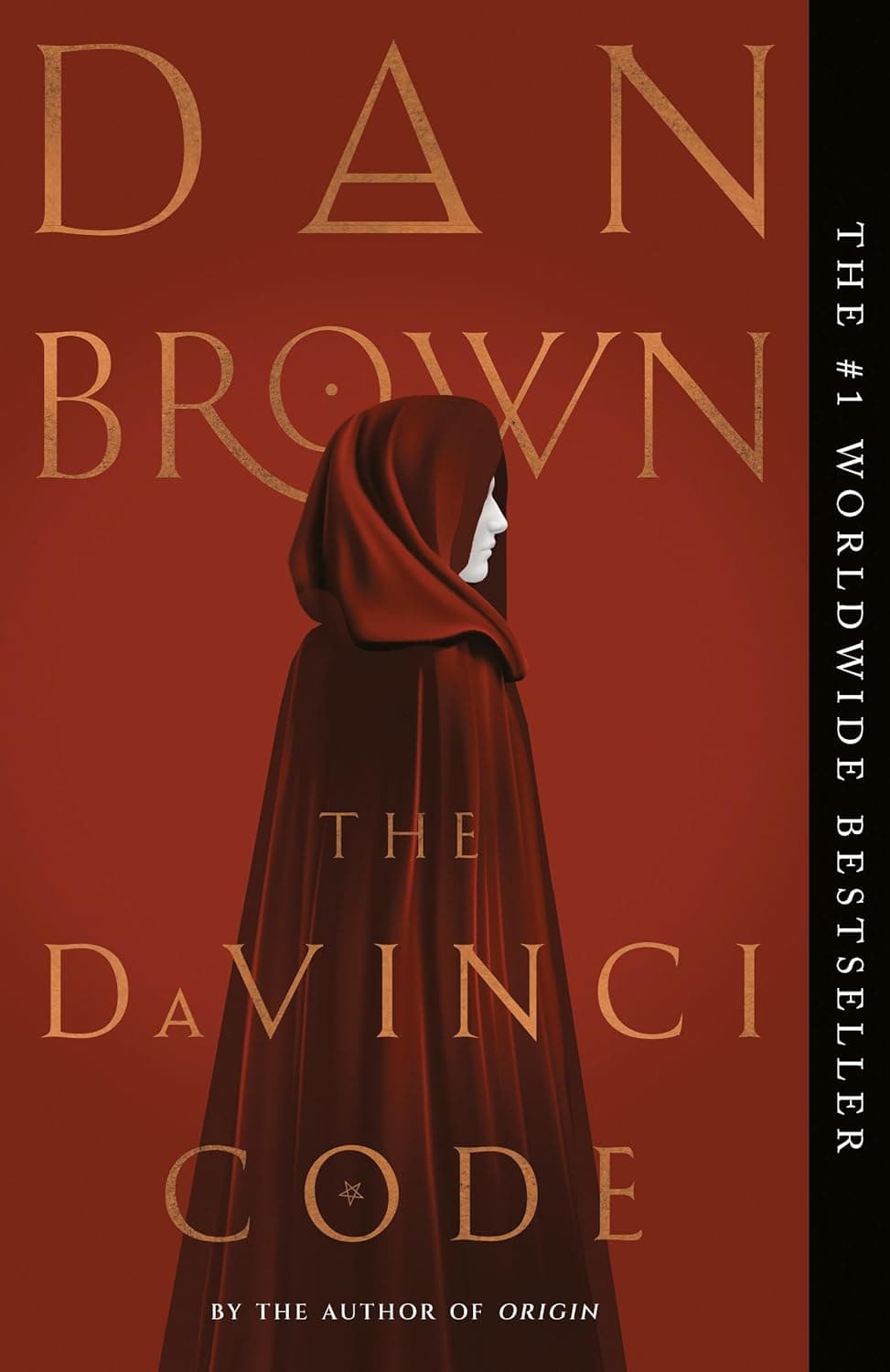
The Da Vinci Code
The Da Vinci Code delivers a more disciplined chase structure and stronger puzzle propulsion.
Best for: Best for a fast art-history conspiracy if you can treat its factual claims as entertainment that needs verification.
As an Amazon Associate, I earn from qualifying purchases.