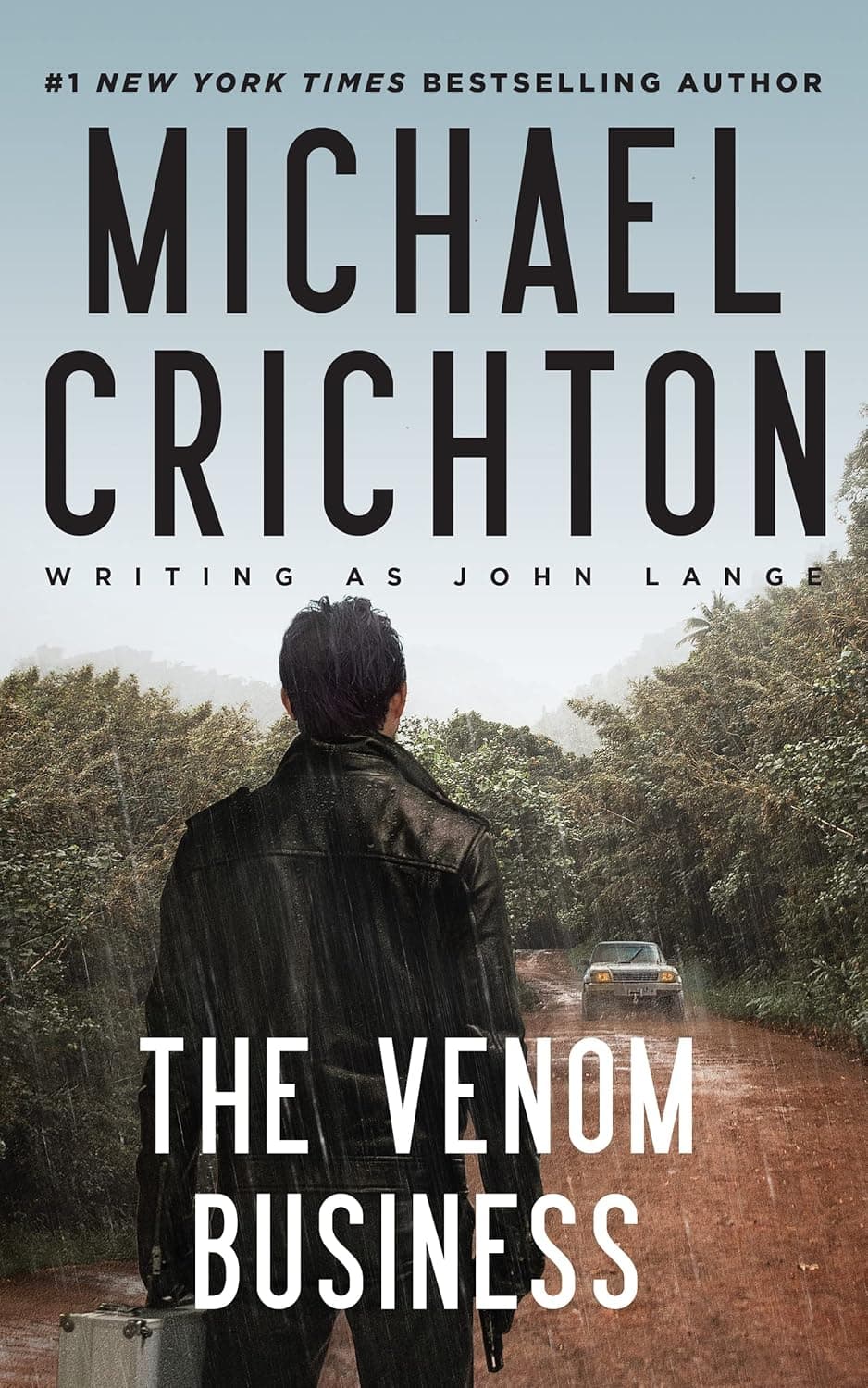
Should you read The Venom Business?
What works
Charles Raynaud's knowledge of venom, species, and trade routes gives the criminal plot tactile danger and unusual specificity.
What may not work for you
Motives are broad, women and cultures are stereotyped, and twists accumulate faster than the characters gain credibility.
What may test your patience
The movement among collecting, smuggling, and hired violence takes time to settle into one central threat.
Does the ending reward the effort?
The final reversals satisfy the genre's mechanics without resolving the moral ugliness surrounding the business.
Reading The Venom Business closely
The Venom Business centers on Charles Raynaud, a dealer who collects and smuggles dangerous snakes for laboratories and private buyers. His specialized trade already places him near legal and physical danger before a wealthy man hires him to protect an heir. The assignment pulls Raynaud into an inheritance struggle where venom offers several ways to disguise intention.
Crichton uses snake handling as both occupational detail and suspense mechanism. Raynaud understands species, markets, and risk better than the people attempting to employ him, but expertise cannot reveal which family member or associate is telling the truth. Travel and smuggling give the novel an international pulp scale without the scientific infrastructure of later Crichton.
The story includes exoticized settings, blunt gender roles, and criminal stereotypes characteristic of its period. Readers who can place those elements historically may enjoy the unusual profession, rapid reversals, and morally flexible protagonist. This is best approached as a lean John Lange crime adventure in which natural danger and human greed repeatedly imitate one another.
Snakes as work, weapon, and misdirection
Venom is not merely atmosphere; knowledge of species and handling determines which threats are credible.
A bodyguard inside an inheritance plot
Raynaud enters a family conflict without reliable loyalty, making protection inseparable from investigating his employers.
Period pulp rather than technothriller
The book favors travel, danger, and double-crosses over the institutional research associated with later Crichton.
Three useful comparisons
Congo
Congo is the larger and more developed Crichton adventure, with expedition logistics and animal behavior.
Best for: Readers comfortable with dated material who want jungle expedition suspense, primate communication, technology, and lost-city adventure.
As an Amazon Associate, I earn from qualifying purchases.
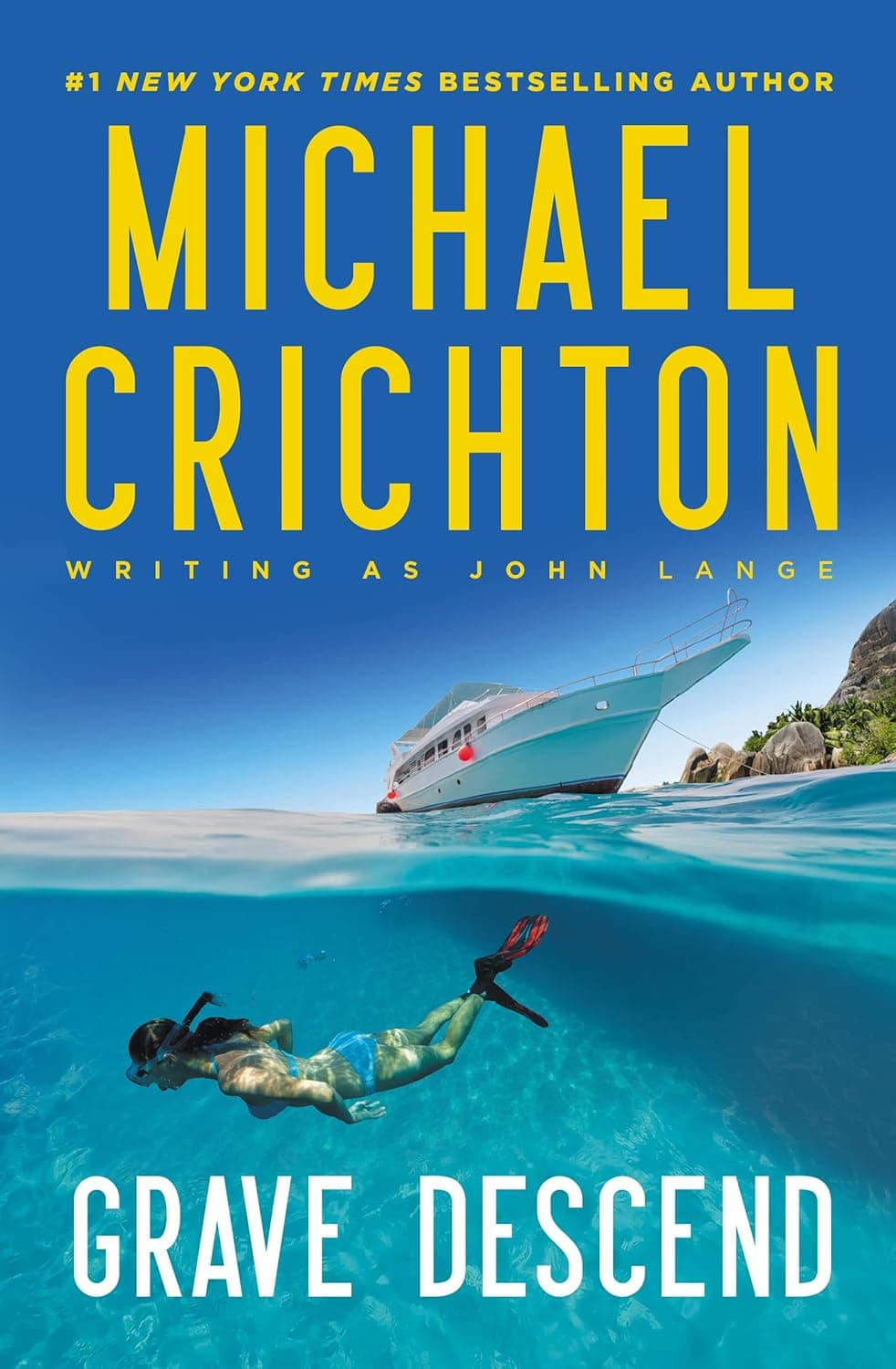
Grave Descend
Grave Descend offers a cleaner specialist thriller around diving and a sunken yacht.
Best for: Choose it for a short maritime mystery, diving procedure, and straightforward vintage suspense.
As an Amazon Associate, I earn from qualifying purchases.
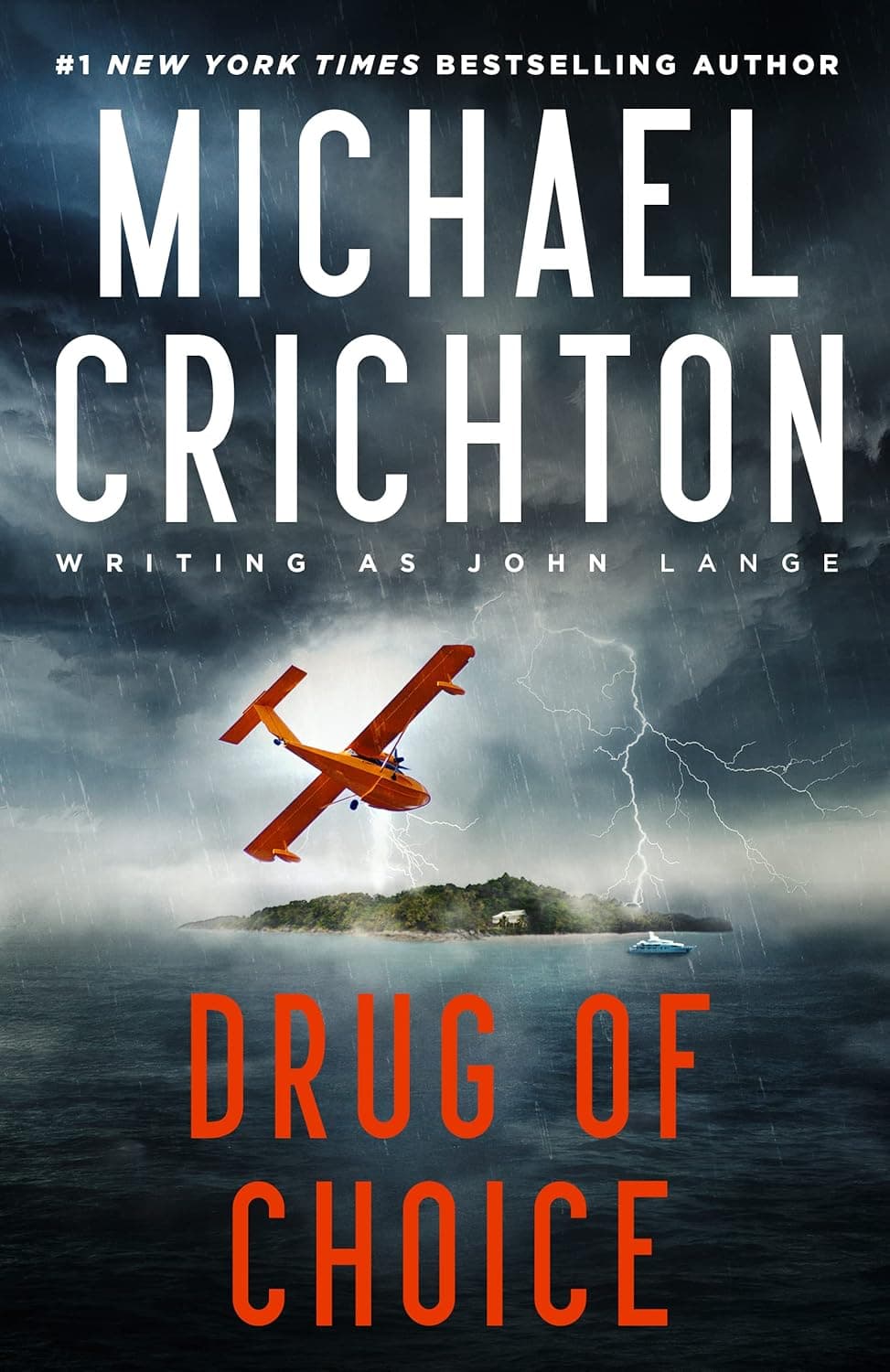
Drug of Choice
Drug of Choice replaces zoology with a more speculative pharmaceutical conspiracy.
Best for: Crichton completists and readers curious about the early form of his medicine-versus-corporation concerns.
As an Amazon Associate, I earn from qualifying purchases.