Fae & Alchemy reading guide
Quicksilver and Brimstone Books in Order: Are the 2026 Special Editions Worth It?
Callie Hart's Fae & Alchemy begins with Quicksilver, then Brimstone. Compare the 2026 special editions, extra chapters and the novels themselves.

The reading order
Read Quicksilver first, then Brimstone
Quicksilver is Fae & Alchemy book one; Brimstone is its direct sequel. They are not independent adventures. The US special editions scheduled for November 17, 2026 contain those same main stories, with new physical designs and an added viewpoint chapter in each. You do not need either special edition to follow the series, and the trilogy is not yet complete.
The first novel moves Saeris Fane from a struggle for water into a dangerous Fae realm. The second asks what happens when surviving is no longer her only responsibility. That change matters more to the reading experience than the design on the cover.
There is a real distinction between buying these stories for the first time and buying another physical copy. Below, I explain what works in the novels, where Brimstone loses momentum, and what the November editions actually add. The discussion avoids the first book's ending and the sequel's major revelations.
Quicksilver: survival, alchemy and an uneasy alliance
Saeris is twenty-four, secretive and accustomed to theft in a desert where water is controlled by an undying ruler. Her unusual alchemical abilities are something to conceal. When a confrontation opens a dormant gateway, the change is physical as well as fantastical: the scarcity and heat of home give way to the frozen realm of Yvelia, where Fae conflict has a history she does not understand.
Kingfisher is her dangerous point of contact with that world. He needs what her magic can do for his people, while she needs a way home. Alchemy is therefore more than an impressive power: it makes her useful to someone whose motives she cannot safely take on trust. The portal joins places with competing needs, and the bargain between the leads turns a magical problem into a personal one.
For me, that survival-and-portal opening is the first book's strongest hook. The enemies-to-lovers tension works through resistance, attraction and the question of who has leverage. Its appeal lies in the friction between two people who need each other before they are willing to admit it. This is adult romantasy, with graphic violence and explicit sexual material, rather than a gentle fairy adventure.
Brimstone: a larger world, with a heavier middle
Brimstone carries Saeris and Fisher into competing responsibilities across the realms. A threat to Yvelia and the pull of Saeris's home place private promises beside obligations to other people. The relationship is already established; the question is how far trust can carry it when their duties pull in different directions. Explaining her exact position would reveal too much of Quicksilver, but the shift from survival to responsibility is essential.
My reservation is how much space the expansion takes. The lore and multiplying supporting cast repeatedly interrupt the narrative's pulse. Some subplots feel empty or revisit work already done, and the book can feel stretched into a bridge toward a third volume. The larger scale gives the world more history and competing interests, but it does not always produce more movement. A long novel has room to deepen its conflicts; here, too much of that room goes to prolonging them.
The romance also becomes less subtle. Repeated reminders of the destined bond, and recurring references to the couple having sex, sometimes replace the charged push and pull that worked in Quicksilver. Intensity starts to feel like repetition. Carrion Swift supplies much of the missing spark: his energy and humor can make the supporting cast more entertaining than the leads when their story becomes dense or melodramatic. That is why the newly announced Carrion chapter has a specific attraction, though I am not treating that bonus as a cure for the sequel's structural problems.
The editions compared
Regular books and the November 2026 special editions
Both special editions are US trade paperbacks scheduled for November 17, 2026. The additions concern presentation and extra viewpoints, rather than a new place in the reading order. Regular covers and other extras can vary by format.
Quicksilver Special Edition vs Regular Edition
Book one remains Saeris's introduction to Yvelia and Kingfisher. The special edition gives Fisher a separate viewpoint chapter alongside that original story.
Book one
What changes in the 2026 Quicksilver paperback?
The new package adds perspective and decoration. It is not a different first novel.
| Feature | Regular edition | 2026 special edition |
|---|---|---|
| Main story | Quicksilver, book one | The same main novel |
| Cover and edges | Presentation varies by format | New character-based cover and printed edges |
| Map | Check the individual format's contents | Full-color gatefold map |
| Extra viewpoint | Bonus content varies by edition | Kingfisher chapter, available in paperback for the first time |
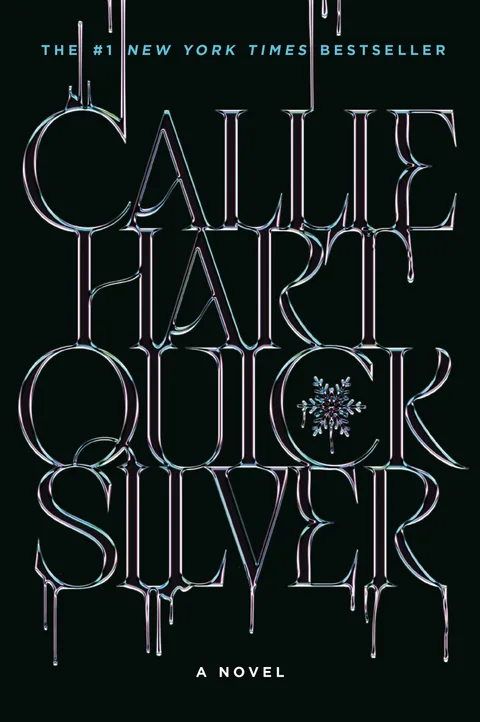
Book 1 - regular
Quicksilver (Regular Edition)
The original main story
Saeris's desert life, the crossing into Yvelia and her uneasy alliance with Kingfisher begin here.
The regular novel supplies the story needed before Brimstone. The new decorative package is an additional physical edition, rather than missing preparation for the sequel.
Book 1 - 2026 special
Quicksilver (2026 Special Edition)
November 17, 2026 - US paperback
The new character cover, printed edges and full-color foldout map turn the first novel into a different physical object.
The Kingfisher viewpoint chapter is the extra prose addition. Its first paperback appearance does not mean every part of this material is new across all formats.
Brimstone Special Edition vs Regular Edition
The sequel's addition turns to Carrion rather than repeating the Kingfisher extra. That distinction matters if the supporting characters are a large part of its appeal.
Book two
What the new Brimstone edition adds
The main continuation stays in the second reading slot, whatever its cover.
| Feature | Regular edition | 2026 special edition |
|---|---|---|
| Main story | Brimstone, book two | The same main novel |
| Physical design | Presentation varies by format | New character-based cover and stenciled edges |
| Map | Check the individual format's contents | Full-color gatefold map |
| Extra viewpoint | Not required for the main story | Carrion chapter, available in print for the first time |
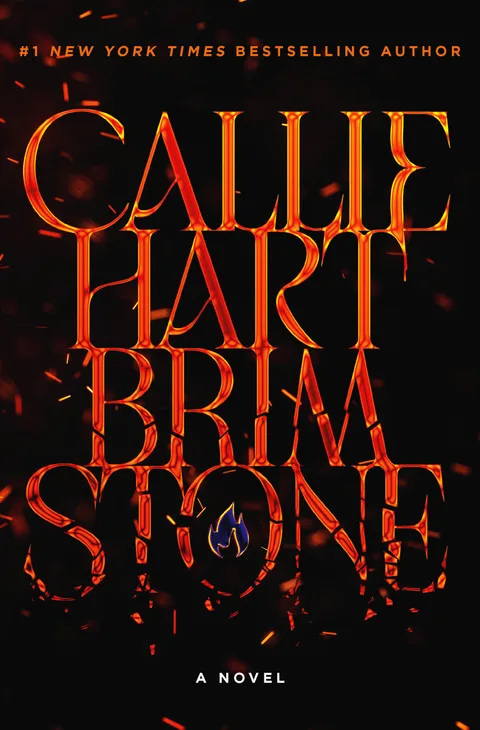
Book 2 - regular
Brimstone (Regular Edition)
The sequel, after Quicksilver
This continues Saeris and Fisher's story, with wider obligations and a relationship already shaped by the first novel.
Reading the regular book preserves that continuation. Neither the map's new presentation nor an extra viewpoint is a requirement for following the main events.

Book 2 - 2026 special
Brimstone (2026 Special Edition)
November 17, 2026 - US paperback
Brimstone's new package pairs character-based art and stenciled edges with a full-color gatefold map.
Its additional chapter follows Carrion's viewpoint and is announced as available in print for the first time. That is a change of perspective beside the existing novel, not a third installment.
Are the special editions worth it if you already own the books?
I would separate the extra writing from the object. A viewpoint chapter can make an established character the narrator for a while. It does not promise a new main plot, and there is no basis for treating either chapter as essential preparation for book three.
The map offers a larger view of the geography; the cover and decorated edges matter most when the physical design is part of the pleasure. Together they make a matching pair of collectible paperbacks. If the attraction is simply finding out what happens to Saeris and Fisher, an existing copy already serves that purpose.
Carrion's energy gives his chapter a more specific appeal for me than a generic promise of bonus content. Even so, one extra perspective does not remove Brimstone's repetition or turn its long middle into a tighter novel. Anyone who already owns both books is considering a largely duplicate reading purchase with design extras, not two new stories.
Fae & Alchemy reading order and the third book
The published reading order is Quicksilver, then Brimstone. The second book develops the consequences of the first, so starting there would disclose earlier outcomes and leave the relationships without their foundation. The November 2026 editions keep those same positions.
As of October 22, 2026, the trilogy remains unfinished. Hachette lists the conclusion as Fae & Alchemy Book 3, currently scheduled for September 7, 2027 in the United States. That is the publisher's listing, rather than a separate final title announcement or a guarantee that the date cannot change.
Other fantasy-romance reading guides
Fourth Wing and Iron Flame make another useful first-book and sequel comparison, with academy training expanding into a wider conflict. The ACOTAR reading-order guide explains a longer sequence where shifts of focus and a novella can make the numbering less obvious.
Fourth Wing vs Iron Flame: how the sequel changes the story · ACOTAR books in reading order
Quick answers
Questions about reading order and the new editions
Should I read Quicksilver before Brimstone?
Yes. Quicksilver introduces Saeris, Kingfisher and their world. Brimstone directly continues their story and assumes the first novel's developments.
Are the 2026 special editions different books?
They are new editions of the same two main novels, with new physical designs and an added viewpoint chapter in each. They are not new series installments.
Does the Quicksilver special edition include extra chapters?
It includes a Kingfisher point-of-view bonus chapter. Hachette describes this as its first availability in paperback, not necessarily its first appearance in every format.
What is new in the Brimstone special edition?
Character-based cover art, stenciled edges, a full-color gatefold map and a Carrion viewpoint chapter announced as available in print for the first time.
Do I need the special editions to follow the story?
No. The regular novels tell the main story. The new maps, designs and extra viewpoints supplement it.
Is Fae & Alchemy a completed series?
Not as of October 22, 2026. Two main novels are published, and Hachette currently schedules the third for September 7, 2027 in the US.
Are the special editions worth buying if I already own the regular books?
Their additional value is the physical design and bonus viewpoint, rather than a replacement main story. Another copy is largely redundant if those extras do not interest you.
Sources
Sources for this guide
Edition features and US publication listings checked October 22, 2026.
Keep reading