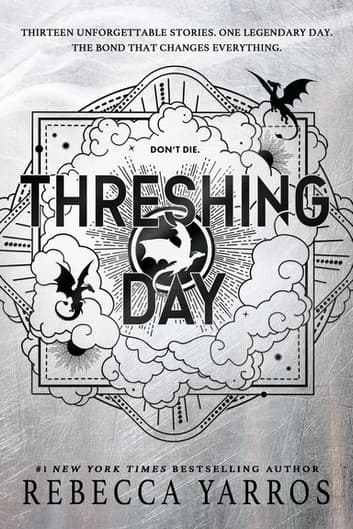
Should you read Threshing Day?
What works
The recurring challenge gives each rider a place at the center. I especially appreciate how dragon choice unsettles human confidence: skill can help a cadet survive, but it cannot settle what another intelligence will decide.
What may not work for you
Some encounters leave me wanting more time around the immediate crisis. The shared structure holds the stories together, although its recurring shape can feel familiar when the collection is read straight through.
What may test your patience
Each new viewpoint starts another rider's story, so the momentum resets rather than building one continuous sequel. Following those separate concerns is the approach I find most rewarding.
Does the ending reward the effort?
The individual beginnings leave a fuller sense of the ensemble. That is the satisfaction I take from the collection; the novels remain responsible for carrying the central saga forward.
Reading Threshing Day closely
The dragon bonds are what bring me back to the Empyrean. Threshing Day catches them at their most precarious, before a familiar rider can take a dragon's presence for granted. I enjoyed that return to uncertainty. Yarros gives thirteen members of the cast their own stories, and the change of attention makes Basgiath feel different even when its dangers are familiar. These riders already have a place in the novels; here, each has to face the moment that helps make that place possible. There is a particular pleasure in seeing an established partnership become an open question again.
The collection builds its thirteen stories around Threshing, when prospective riders seek a dragon bond and survival is far from assured. The characters' beginnings belong to different years, so the shared occasion supplies a pattern rather than one simultaneous event. That structure works well for me. There is enough continuity to hold the pieces together, but a new rider changes the pressure within the familiar situation. Knowing the general shape of the challenge leaves more attention for the person facing it: what matters to them, what they can control, and what lies entirely beyond their reach.
Violet's viewpoint has always shaped our understanding of the people around her. A friend, rival, or older rider enters the main story partly through what that person means to her immediate predicament. Giving those characters the foreground changes that relationship with the reader. Their histories become worth attending to in their own right. That is the expansion I value most here. It makes room for curiosity about people whose presence can otherwise be taken for granted in a busy adventure. At Basgiath, attention naturally follows Violet's training and survival; everyone else has to fit around that urgent story. I enjoy letting the other riders' worries set the pace for a change, instead of meeting them chiefly when she needs an ally or faces an obstacle.
Xaden's perspective is especially effective at putting pressure behind an assured exterior. His anger, careful calculation, and responsibility for others occupy the same space, so confidence never feels entirely comfortable. Yarros's direct sentences suit that tension: thought stays close to the immediate problem, while dialogue allows friendship and humor to survive within the danger. I appreciate that balance. A formidable rider is more interesting when competence has a personal cost, and the exchanges with Garrick give Xaden a relationship outside the role he plays in Violet's story. Those small changes in emphasis are exactly what I want from a companion.
The dragons keep the familiar challenge alive. A cadet can train, endure, and make clever decisions, yet the decisive choice still belongs to another intelligence. I love that refusal to make a bond something a rider can simply earn by completing a human test. It preserves the dragons' independence and puts a limit on even the most confident cadet's control. The beginnings of these partnerships also give the later bonds a different weight. A dragon beside a rider may look like an established fact in the novels; returning to the uncertainty of that choice makes the relationship worth considering again.
As an Amazon Associate, I earn from qualifying purchases.
Short stories give this return a brisk, concentrated rhythm. Fourth Wing, Iron Flame, and Onyx Storm can follow a relationship or a conflict through long stretches of change. Here, attention gathers around a particular threshold before the collection moves to another rider. I welcome that concentration, especially beside the increasingly large main novels. It also explains my reservation: some encounters leave me wanting more room around the immediate crisis. The recurring shape can become familiar when the stories are read together, and there is less space for the slower development of a relationship. The collection is strongest when the change of character makes that repetition feel purposeful.
Reading it after Onyx Storm gives these beginnings their proper context. Familiarity with the cast matters, and earlier settings do not protect a new reader from later spoilers. My starting point remains Fourth Wing, where Violet's academy story gives the world and its relationships time to develop. Threshing Day is a welcome return once those foundations are in place. It offers another angle on people and partnerships we already know, while the main novels carry the ongoing saga. The Empyrean reading-order guide explains the sequence and where the companion fits without revealing the novels' endings.
What makes Threshing Day worth a place beside the novels is the attention it gives to the bond before the reputation. Riders who seem settled in their roles have to face uncertainty, and dragons retain the power to judge them. That is a compelling way to revisit this world. I wanted more time around some of the encounters, but the collection's focus gives those beginnings a clear purpose. For an Empyrean reader attached to the ensemble, there is plenty to enjoy in letting someone other than Violet occupy the center for a while. I enjoyed meeting familiar riders at the moment when courage alone cannot decide what happens next.
What Threshing Day adds to the main novels
The supporting cast receives the space that Violet's continuing story cannot always give it. I value the change in our relationship with those riders: someone who usually arrives as a friend, rival, or source of help becomes the person whose immediate concerns organize the story. The collection adds to the experience of the novels by changing that emphasis.
Who I would recommend it to
Fans caught up through Onyx Storm will get the most from these stories, especially if the supporting riders and their dragons are what keep drawing you back. That is the reader I have in mind when recommending the collection. If your priority is the next development in Violet and Xaden's central story, expect a companion visit instead. My books like Threshing Day recommendations offer both returns to the main novels and other authors to try.
Should newcomers start with Threshing Day?
Start with Fourth Wing, followed by Iron Flame and Onyx Storm. The collection is shorter, but the relationships mean more once the novels have established them. Saving Threshing Day until afterward also avoids later spoilers. My Rebecca Yarros guide places the Empyrean books within her wider work.
Three useful comparisons

Fourth Wing
Fourth Wing gives Violet's academy story and dragon bonding room to develop across a full novel. It remains my starting point; Threshing Day later lets other riders carry shorter stories of their own.
Best for: Come for dragons, lethal academy competition, disability-aware adaptation, explicit romance, and fast cliffhanger plotting.
As an Amazon Associate, I earn from qualifying purchases.
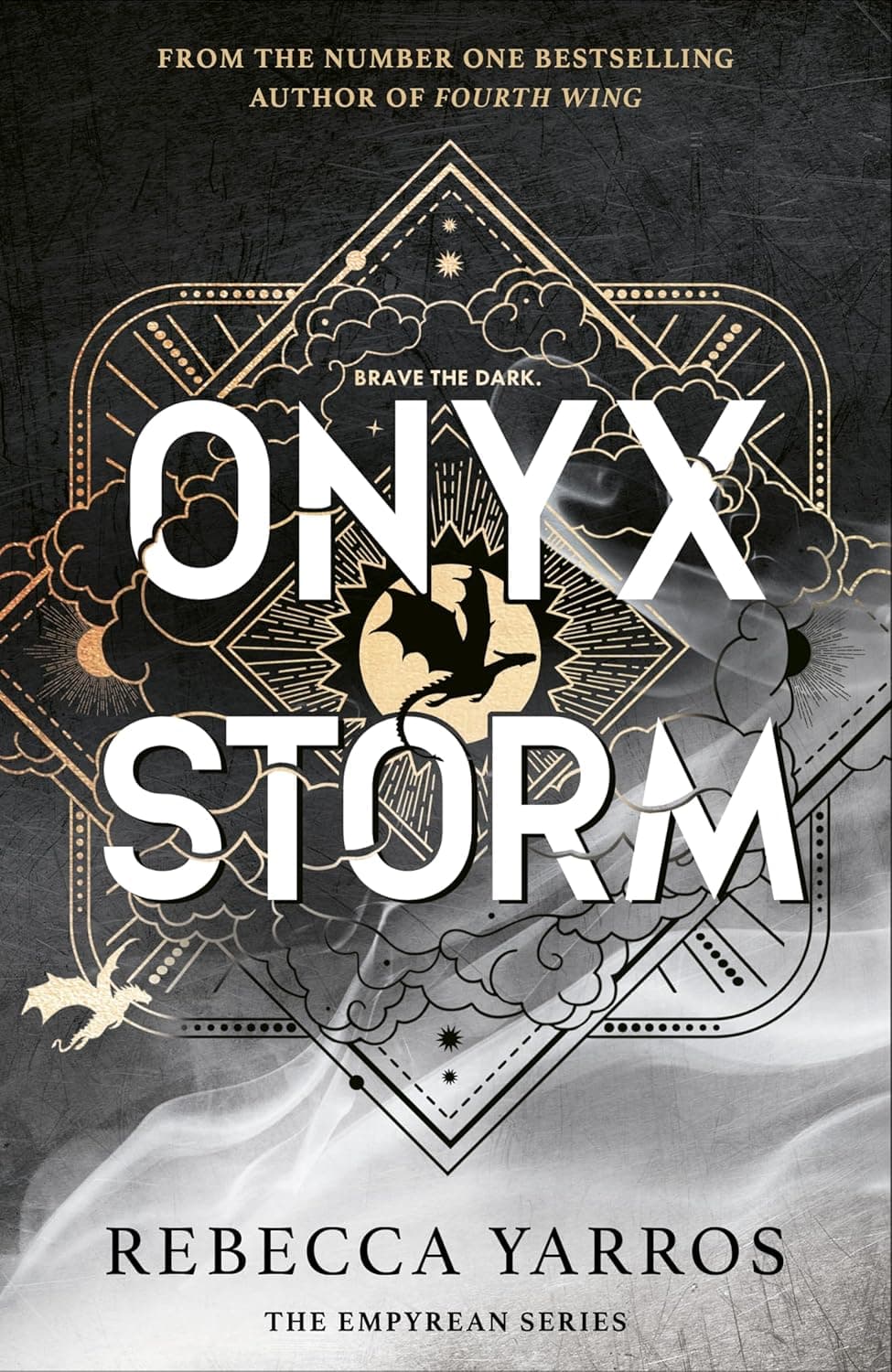
Onyx Storm
Onyx Storm moves the central saga through a wider world, while the companion returns to the riders' beginnings. I suggest finishing the third main novel first, both for context and to protect its revelations.
Best for: Established Empyrean readers invested in Violet, Xaden, dragons, romantic conflict, and expanding rebellion mythology.
As an Amazon Associate, I earn from qualifying purchases.
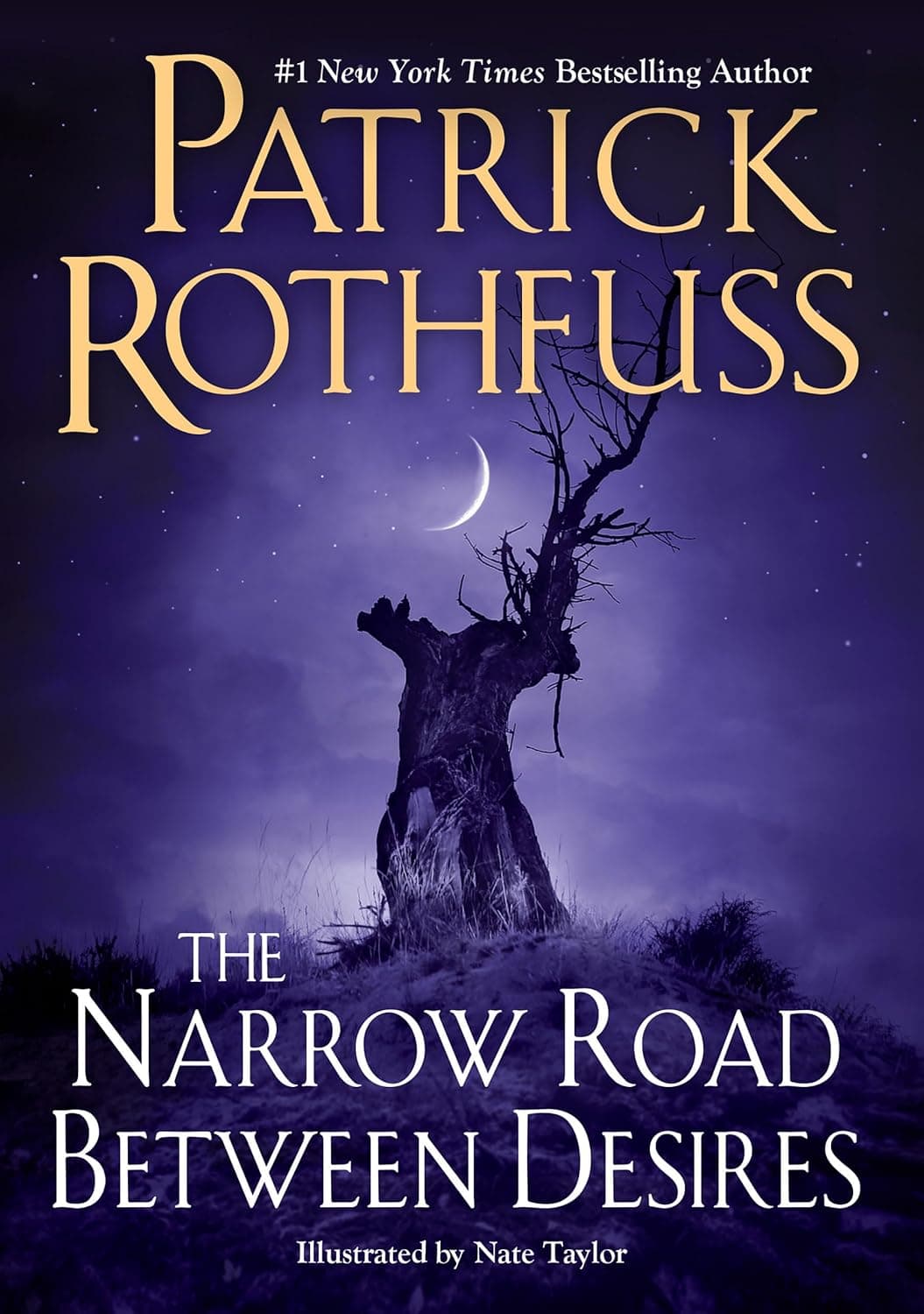
The Narrow Road Between Desires
The Narrow Road Between Desires is my quieter companion choice: one village day with Bast, favors, and bargains, rather than thirteen dangerous dragon-bond stories. It offers a similarly welcome change of attention within an established fantasy world.
Best for: Kingkiller readers wanting a compact Bast story with faerie bargains, village comedy, and ethical mischief.
As an Amazon Associate, I earn from qualifying purchases.
Make the next decision