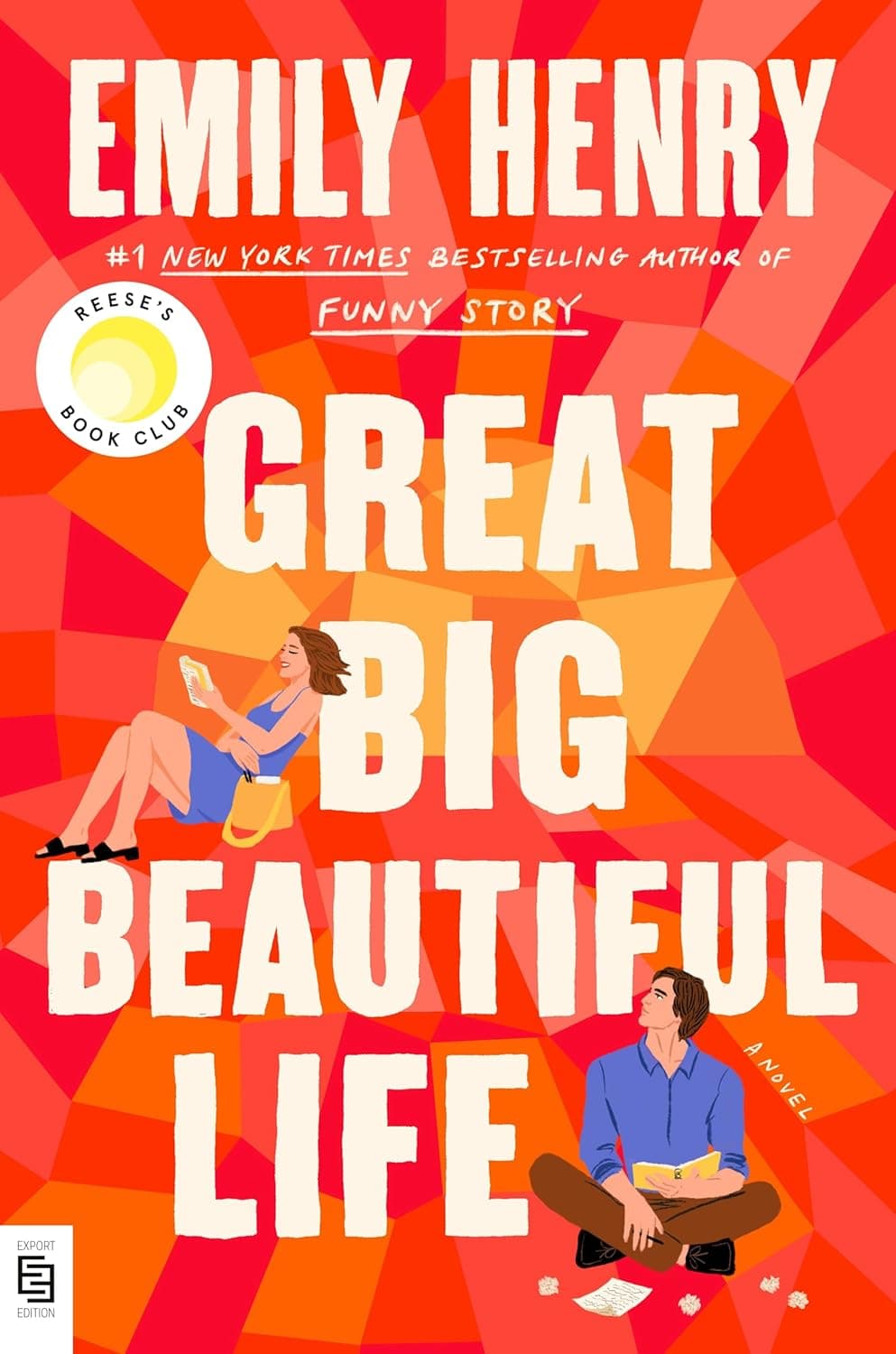
Should you read Great Big Beautiful Life?
What works
Competing writers, a guarded subject, old public stories, and private testimony make authorship and intimacy parallel questions of trust.
What may not work for you
The central history is deliberately withheld, some turns feel calibrated for tears, and the romance occasionally waits for the framing mystery.
What may test your patience
Interviews and competing accounts delay the true shape of the biography before the emotional connections become clear.
Does the ending reward the effort?
Yes. The romantic and narrative ownership questions converge, allowing the final account to belong to more than professional victory.
Reading Great Big Beautiful Life closely
Great Big Beautiful Life follows a determined journalist to a Georgia barrier island, where she hopes to write about a reclusive cultural icon and finds a rival writer competing for the same story. Their clashing versions of the past drive a slow romance shaped by professional ambition and family secrets.
Henry’s narrator is funny, observant, and a little chaotic in a way that feels recognizably human. Routine errands, interview notes, and awkward dinners become chances for humor and small insights instead of filler. The island setting comes through in sensory flashes like lemon zest in the kitchen, sea grass moving outside screened porches, and cicadas humming in the background. Those details keep the romance grounded in a place that feels specific instead of generic “beach read” scenery.
The interviews and competing drafts force both writers to decide whether they are protecting a legend or telling the truth. That same problem shapes the romance: intimacy begins only when they risk a less flattering account of themselves. The connection develops slowly enough to feel earned, although some revelations are timed a little too neatly.
Three useful comparisons
Funny Story
Funny Story is more grounded, comic, and community-centered, with a cleaner contemporary setup.
Best for: Adult romance readers wanting forced proximity, small-city community, humor, books, friendship, and emotionally available growth.
People We Meet on Vacation
People We Meet on Vacation develops romantic history through years of travel and friendship.
Best for: Adult romance readers wanting years-long friendship, opposites, travel, banter, longing, and moderate emotional angst.
The Great Gatsby
The Great Gatsby offers a much shorter, darker meditation on public image, private desire, and narrated legend.
Best for: Readers drawn to concise literary tragedy, unreliable admiration, class, reinvention, and prose that rewards rereading.